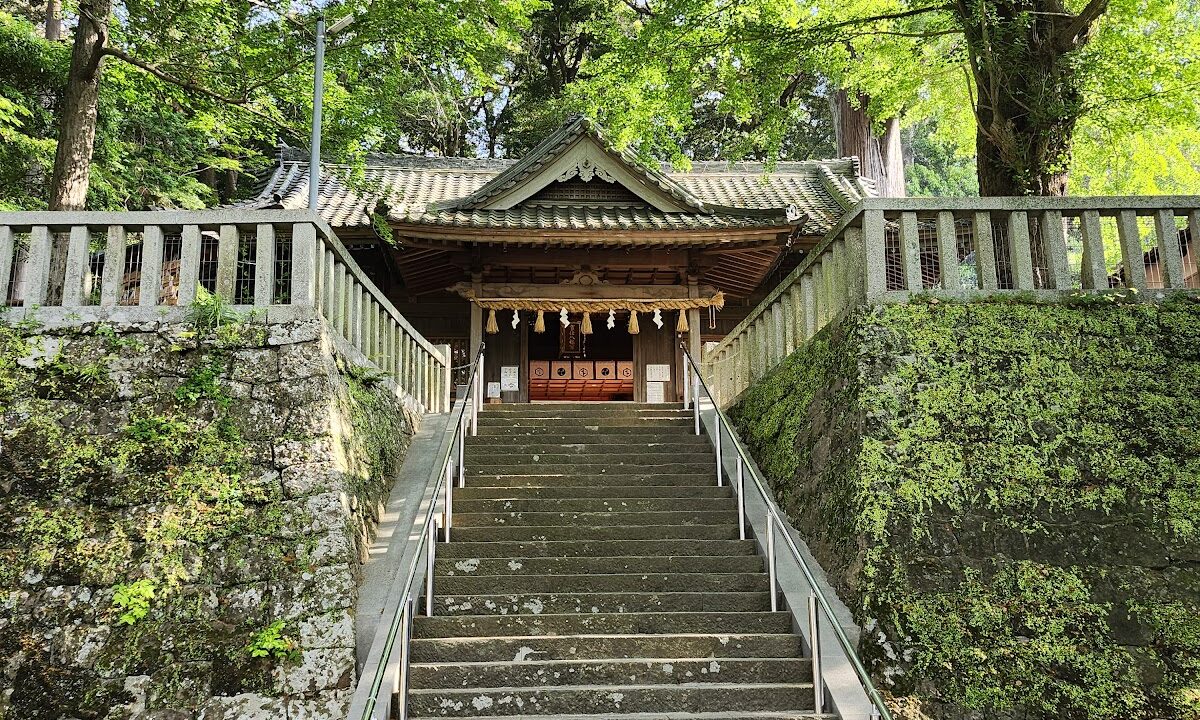
Complete Guide to Seikosan Rinkoji Temple (Shizuoka Prefecture) | The Charm of a Historic Zen Temple and Standing Kannon in Yui
Located in Yui Higashiyama-dera, Shimizu-ku, Shizuoka City, Shizuoka Prefecture, Seikosan Rinkoji Temple is a historic Rinzai Zen temple of the Myoshinji school, dating back to the Kamakura period. This ancient temple boasts many attractions, including panoramic views of Suruga Bay, a standing Kannon carved into a camphor tree behind the main hall, and deep ties to Tokugawa Ieyasu. This guide provides a detailed introduction to this ancient temple, from its history to visiting information.
History and Origins of Seikosan Rinkoji Temple
Founding in the Kamakura Period and Zen Master Kyūei
Rinkoji Temple is said to have been founded in the Kamakura period by Zen Master Kyūei, who immigrated from Song Dynasty China. As a Zen temple belonging to the Myoshinji school of Rinzai Zen, it has functioned as a center of local faith throughout its long history.
Zen Master Kyūei was one of the eminent monks who brought Zen teachings from China to Japan. His establishment of a temple in this area was instrumental in the development of a full-fledged Zen culture in Yui. The temple’s history of preserving its teachings for hundreds of years since its founding speaks volumes about its importance.
Origin of the Mountain Name “Seiko”
The temple’s mountain name, “Seiko-zan,” has an interesting origin. It is said that the name was chosen because the beautiful view of Suruga Bay from the temple grounds is reminiscent of West Lake, a famous scenic spot in China.
In fact, the view of Suruga Bay from the temple grounds is exceptional, and on a clear day, one can enjoy the breathtaking scenery of Mount Fuji and Suruga Bay. This scenic beauty has captivated many people since the temple’s founding. Its beauty, comparable to that of West Lake in China, indicates that this area has been recognized as a scenic spot since ancient times.
The Anecdote of Tokugawa Ieyasu and the Presentation of Sansho Pepper
The Encounter Between Abbot Tenrin and Tokugawa Ieyasu
An essential aspect of discussing Rinkoji Temple is its deep connection with Tokugawa Ieyasu. An anecdote remains that in 1609, during a falconry expedition, Tokugawa Ieyasu stopped by Rinkoji Temple, and the then-abbot, Abbot Tenrin, presented him with sansho pepper floating in cold water.
Ieyasu was greatly pleased with the aroma of the sansho pepper and subsequently granted the temple special patronage. This encounter marked a crucial turning point in the history of Rinkoji Temple.
A Tradition of Sansho Pepper Presentation Lasting Over 260 Years
Because Ieyasu was so pleased with the aroma of sansho pepper, from 1609 to 1870 (Meiji 3), for over 260 years, Rinkoji Temple presented sansho pepper to Sunpu (Shizuoka) and Edo.
This tradition of offering gifts led to Rinkōji Temple receiving the patronage of the Tokugawa Shogunate, and it flourished greatly as a temple. A seemingly small event—the offering of sansho pepper—played a crucial role in determining the temple’s fate. This history is a valuable episode that conveys the special relationship between the Tokugawa family and Rinkōji Temple.
Rinkōji Temple’s Standing Kannon | The Statue of the Holy Kannon Bodhisattva Behind the Main Hall
Kannon Statue Carved from Camphor Wood
One of the greatest highlights of Rinkōji Temple is the statue of the Holy Kannon Bodhisattva carved directly into the bark of a camphor tree behind the main hall. Widely known as “Rinkōji Temple’s Standing Kannon,” this statue is an extremely rare form of Kannon statue, carved from a living tree.
A Standing Kannon refers to a Buddhist statue carved directly into a standing (living) tree, and is a rare and valuable cultural asset nationwide. Rinkōji Temple’s Standing Kannon is particularly well-preserved and continues to attract many worshippers.
A Work by Buddhist Sculptor Nakamaru Okudo
This Standing Tree Kannon was carved by Buddhist sculptor Nakamaru Okudo. He masterfully expresses the form of the Holy Kannon Bodhisattva, making full use of the natural shape of the camphor tree. The figure, a fusion of the tree’s vitality and the Buddha’s compassion, deeply moves those who behold it.
Carved into a camphor tree said to be several hundred years old, the Kannon statue has become one with the wood over time, exuding a unique dignity. As an artistic work that fuses nature and faith, its cultural value is highly regarded.
Visiting the Standing Tree Kannon
The Standing Tree Kannon is located behind the main hall, and visitors can approach the statue by passing through the main hall. Standing before the Kannon statue carved into the tree, one can feel a sacred atmosphere, naturally evoking a sense of reverence for nature and faith in Buddha.
Many visitors offer their prayers to this Standing Tree Kannon. Especially for those who believe in Kannon (Goddess of Mercy), it is known as a sacred site they would like to visit at least once.
Highlights and Buildings on the Temple Grounds
Main Hall and Atmosphere of the Temple Grounds
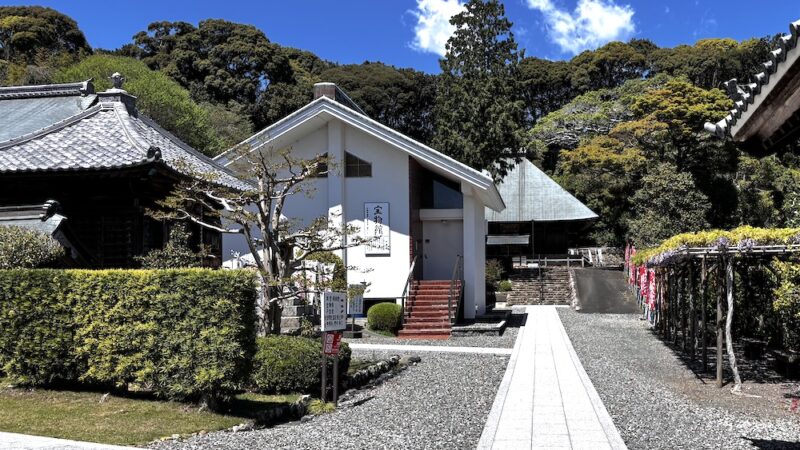
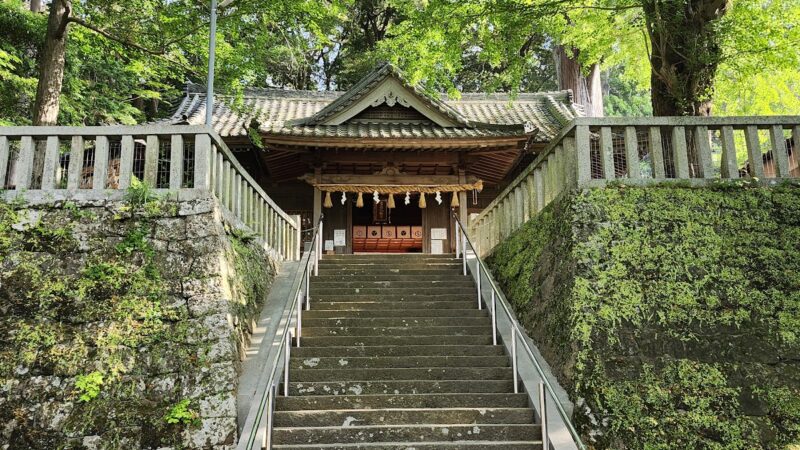
The main hall of Rinkoji Temple exhibits a simple yet dignified appearance, typical of a Rinzai Zen temple. The temple grounds, enveloped in silence, have a calm atmosphere that embodies the spirit of Zen, soothing the hearts of visitors.
Inside the main hall, Buddhist statues, including the principal image, are enshrined, allowing visitors to quietly offer their prayers. The entire temple grounds are meticulously maintained, reflecting the deep faith of those who protect the temple.
Scenic Spot Overlooking Suruga Bay
From the temple grounds, you can enjoy a panoramic view of the beautiful Suruga Bay. The view, reminiscent of West Lake in China (the origin of the temple’s mountain name), is truly worthy of being called a spectacular sight.
On clear days, you can see the majestic Mount Fuji across Suruga Bay, a view that deeply moves visitors. The Suruga Bay, especially at sunset, is exceptionally beautiful, and the sight of the setting sun illuminating the sea surface is truly magical.
Natural Environment of the Temple Grounds
Many ancient trees remain on the temple grounds, including the camphor tree of Tachiki Kannon, preserving a rich natural environment. You can experience the changing seasons, with the fresh greenery of spring, the deep green of summer, the vibrant autumn leaves, and the tranquility of winter each display a different face.
The temple’s location in Yui, Shimizu Ward, Shizuoka City, Shizuoka Prefecture, surrounded by the sea and mountains, further enhances its appeal. The opportunity to worship in peace amidst this natural environment is one of Rinkoji Temple’s greatest charms.
Visiting Information and Access
Location and Basic Information
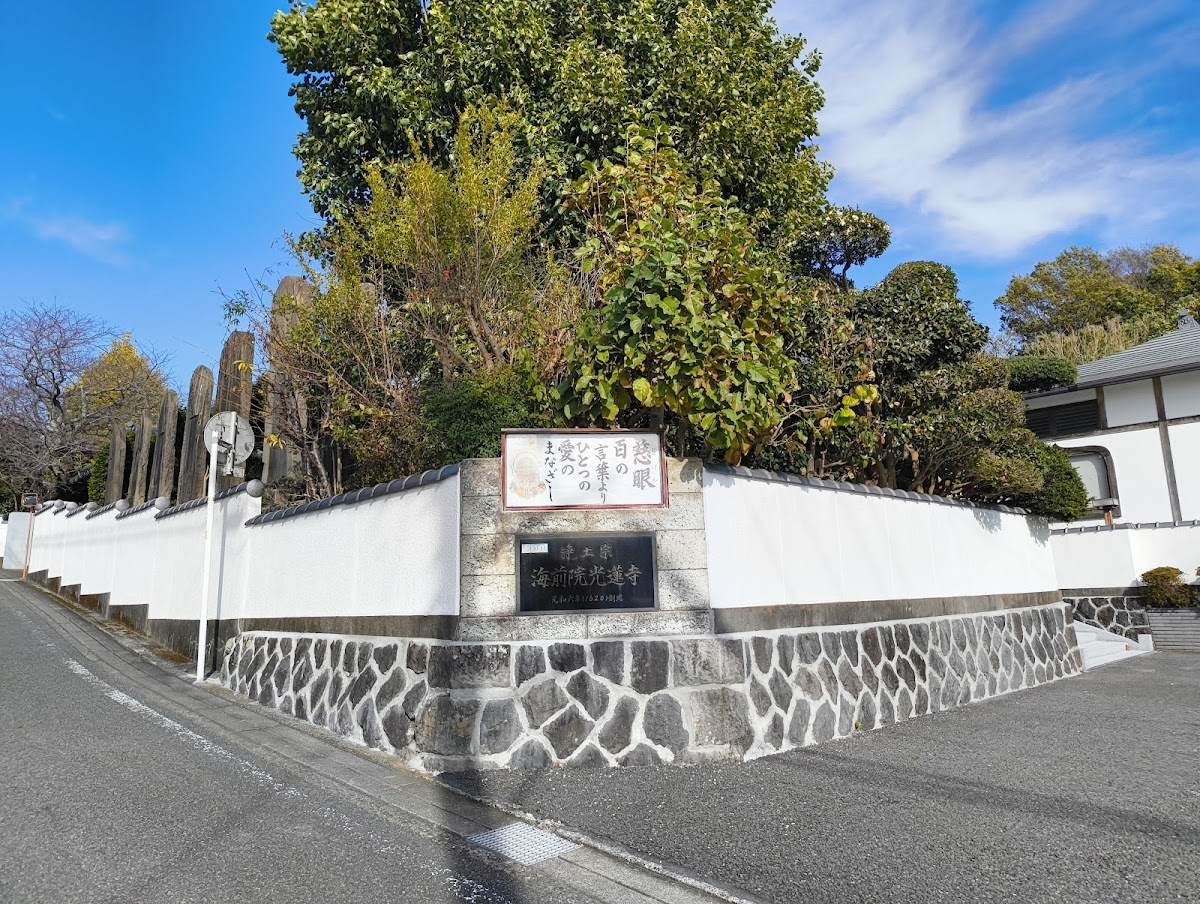
Location: 38 Higashiyama-ji, Yui, Shimizu-ku, Shizuoka City, Shizuoka Prefecture
Sect: Rinzai Zen Myoshinji School
Mountain Name: Saikozan
Founder: Zen Master Kyūei (Kamakura period)
Phone Number: 054-375-2422
Access by Car
Access to Rinkōji Temple is convenient by car. From the “Iriyama Entrance” on Prefectural Road 396 (Fuji-Yui Line, former National Route 1), turn onto Prefectural Road 76 (Fuji-Fujinomiya-Yui Line) and head north for approximately 1 kilometer. A sign for “Rinkōji Temple” will appear.
From the sign, take the narrow road to the east, and you will arrive at the temple. There is ample parking on the temple grounds, making it convenient for visitors by car. However, the road leading to the temple is narrow in some places, so caution is advised when driving.
Access by Public Transportation
If using public transportation, the nearest station is Yui Station on the JR Tokaido Main Line. While you can walk or take a taxi from the station, the distance is considerable, so access by car is recommended.
Precautions When Visiting
Rinkoji Temple is a temple that still functions as a place of worship. When visiting, please note the following:
- Maintain silence on the temple grounds and avoid disturbing other visitors.
- Take photographs only in permitted areas; confirmation is required inside the main hall, etc.
- The Tachiki Kannon is a valuable cultural asset; please be careful not to touch or damage it.
- Parking is limited; please use it with consideration for others.
History of Yui and Nearby Attractions
Yui, a Post Town on the Tokaido Road
Yui, where Rinkoji Temple is located, is a historic area that flourished as a post town on the Tokaido Fifty-Three Stations during the Edo period. Yui-juku, a scenic post town, has long been beloved by many travelers for its breathtaking views of Mount Fuji and Suruga Bay.
The scenery of Yui, depicted in Utagawa Hiroshige’s ukiyo-e print “The Fifty-Three Stations of the Tōkaidō,” remains as beautiful today. When visiting Rinkōji Temple, you can also enjoy the atmosphere of this historic post town.
Yui’s Sakura Shrimp and Local Specialties
Yui is also nationally famous as a production area for sakura shrimp. Sakura shrimp caught in Suruga Bay are a Yui specialty that attracts many tourists. We recommend enjoying local sakura shrimp dishes in conjunction with a visit to Rinkōji Temple.
Nearby Tourist Attractions
There are many other sights to see around Rinkoji Temple:
- Tokaido Yui-shuku Exchange Center: A facility where you can learn about the history and culture of Yui-shuku
- Yui Honjin Park: A park that recreates the honjin (main inn) from the Edo period
- Satta Pass: A mountain pass offering spectacular views of Mt. Fuji and Suruga Bay
- Yui Fishing Port: A place where you can enjoy fresh sakura shrimp and local fish
By visiting these spots, you can gain a deeper understanding of Yui’s history, culture, and nature.
Annual Events and Beliefs of Rinkoji Temple
Zen Temple Practices and Activities
Rinkoji Temple, a temple of the Myoshinji branch of the Rinzai school, continues to transmit the teachings of Zen. Zen meditation sessions and Dharma talks are held regularly, making it a spiritual center for the local people.
As befits a Zen temple, the temple grounds are meticulously cleaned and maintained, and this attention to detail reflects the spirit of Zen.
A Center for Kannon Worship
Rinkoji Temple, home to the Standing Kannon statue, plays a vital role as a center for Kannon worship. The faith in the Holy Kannon Bodhisattva has been deep since ancient times, and people with various wishes visit the temple.
Kannon Bodhisattva is worshipped as a compassionate Buddha, relieving people’s suffering and granting their wishes. The Standing Kannon statue at Rinkoji Temple has also been carefully preserved as an object of such worship.
How to Enjoy a Visit to Rinkoji Temple
A Cleansing of the Soul in Silence
The greatest charm of Rinkoji Temple lies in its tranquility. You can escape the hustle and bustle of everyday life and calm your mind in the quiet temple grounds. Sitting quietly in the main hall and having time to reflect on yourself will be a valuable experience for modern people.
Enjoying Nature in Every Season
Rinkoji Temple shows different faces throughout the four seasons. In spring, the fresh greenery is beautiful; in summer, it is enveloped in deep green; in autumn, the autumn leaves color the grounds; and in winter, a dignified stillness permeates the area. Visiting in each season allows you to experience the changing seasons and the Buddhist concept of impermanence.
Photography Tips
Rinkoji Temple is a great spot for photography. The following points are especially recommended:
- The view of Suruga Bay from the temple grounds (especially at sunset)
- The appearance of the main hall
- The camphor tree of Tachiki Kannon (photographed with permission)
- The trees and nature within the temple grounds
However, when taking photographs, please be considerate of other visitors and follow the temple’s rules.
The Position of Rinzai Zen Temples and Rinkoji Temple in Shizuoka Prefecture
Zen Culture in Shizuoka Prefecture
Shizuoka Prefecture has numerous Zen Buddhist temples, including those of the Rinzai sect. This is due to the widespread acceptance of Zen Buddhism in samurai society since the Kamakura period, and the fact that Tokugawa Ieyasu established his base in Sunpu (Shizuoka).
Rinkoji Temple has a long history as an important temple that plays a part in Shizuoka Prefecture’s Zen culture.
The Role of Rinkoji Temple in the Region
Rinkoji Temple has played a spiritual role as a pillar of support in the Yui region. It serves as a place of worship for the local people and also functions as a place for conveying history and culture.
Its connection to Tokugawa Ieyasu and the presence of the Standing Kannon statue demonstrate that this temple is not merely a local temple, but one of historical and cultural significance.
Summary | The Charm of Saikozan Rinkoji Temple
Saikozan Rinkoji Temple is a temple with many attractions: a history dating back to the Kamakura period, a deep connection to Tokugawa Ieyasu, a precious Standing Kannon statue, and a spectacular view overlooking Suruga Bay.
Located in Yui, Shimizu Ward, Shizuoka City, Shizuoka Prefecture, a scenic location surrounded by the sea and mountains, it offers visitors a sense of peace and the weight of history. It is a temple you should definitely visit when traveling along the Tokaido Road or sightseeing in Shizuoka.
A visit to Tachiki Kannon, the scenic views from the temple grounds, and the meditative time spent in the tranquil surroundings will be a precious experience rarely found in everyday life. Why not add a visit to Rinkoji Temple to your travel plans, perhaps combining it with a stroll through the history of Yui’s sakura shrimp or the Tokaido Road?
Rinkoji Temple on Saikozan Mountain, where the spirit of Zen and Kannon worship thrive, remains a valuable cultural heritage of Shizuoka Prefecture, retaining its enduring value even in modern times.