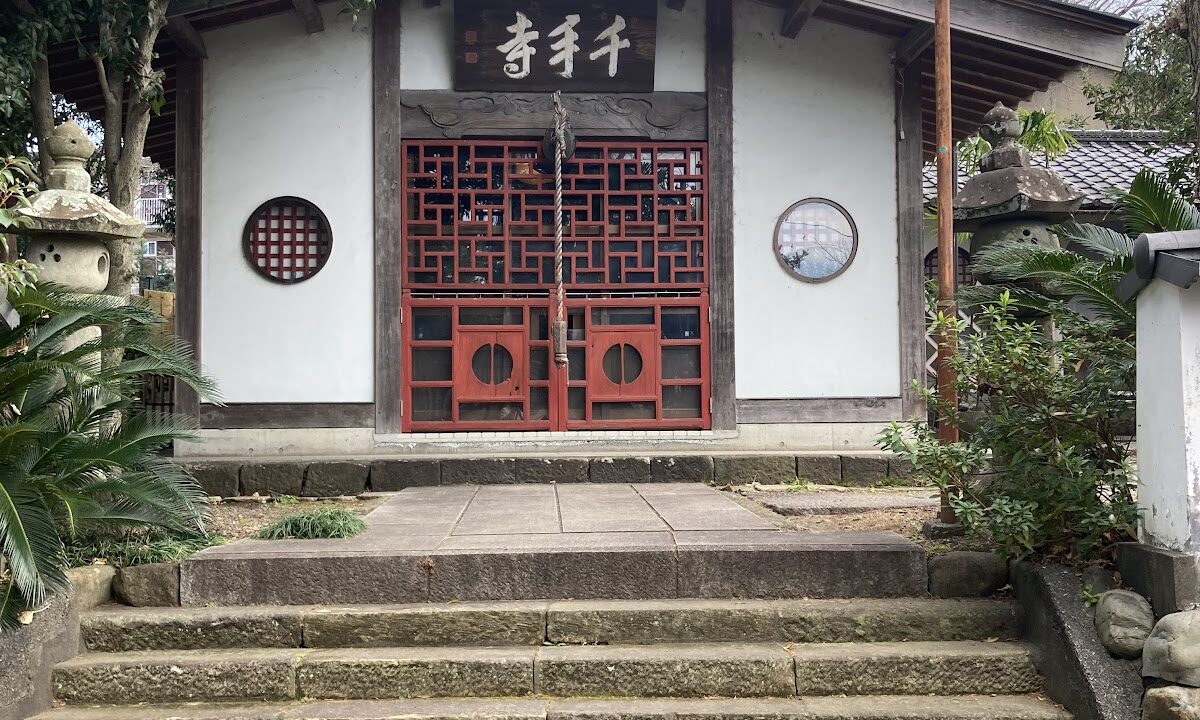
Complete Guide to Jushichiyasan Senju-ji Temple (Shizuoka Prefecture) | History, Fucha Cuisine, and Access Information
Located in Uehara, Shimizu Ward, Shizuoka City, Shizuoka Prefecture, Jushichiyasan Senju-ji Temple is a historically significant temple belonging to the Obaku school of Zen Buddhism. Having survived the ravages of war during the Sengoku period and rebuilt during the Edo period, this temple is also known for serving Fucha cuisine and continues to serve as a center of local faith and culture. This article comprehensively introduces everything you need to know before visiting Senju-ji Temple, including its history, highlights, visiting information, and access methods.
Basic Information on Jushichiyasan Senju-ji Temple
Location: 2-4-52 Uehara, Shimizu-ku, Shizuoka City, Shizuoka Prefecture 424-0871
Sect: Obaku Zen sect
Mountain Name: Jushichiyasan
Phone Number: 054-345-7554
Nearest Station: Approximately 7 minutes on foot from Kitsunegasaki Station on the Shizuoka Railway Shizuoka-Shimizu Line
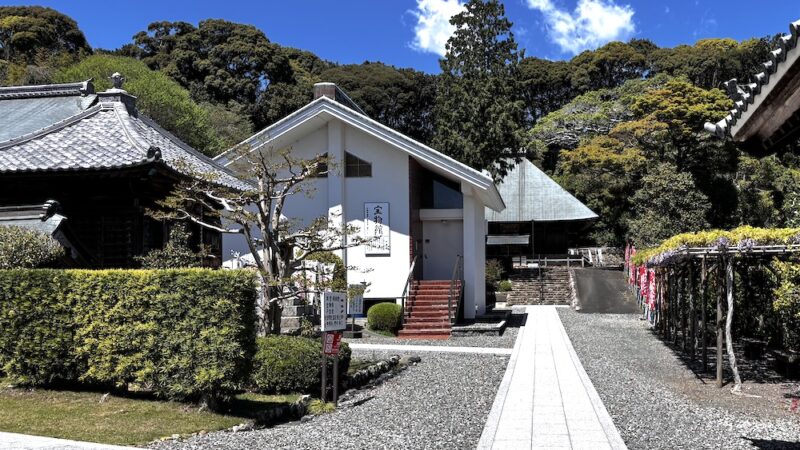
Senju-ji Temple is a quiet temple nestled in a residential area of Shimizu-ku. Adjacent to it are Shimizu Memorial (a private cemetery), Udo Jushichiyasan Nursery School, and Jushichiya-gu Shrine, functioning as a place of faith deeply rooted in the community.
History and Origins of Senju-ji Temple
From Ueharasan Hoju-ji Temple to Senju-ji Temple
The predecessor of Jushichiyasan Senju-ji Temple was a temple called “Ueharasan Hoju-ji Temple.” This temple is believed to have existed since the time of the Imagawa clan, who ruled Suruga Province during the Sengoku period.
Takeda Shingen’s Invasion of Suruga and the Fires of War
In 1568 (Eiroku 11), Takeda Shingen, a Sengoku daimyo of Kai Province, invaded Suruga Province and engaged in fierce battles with the Imagawa clan. During this conflict, Uehara-yama Hoju-ji Temple was destroyed by fire. Many of its buildings were lost, but the Kannon Hall miraculously survived.
Reconstruction in the Genroku Period and Conversion to the Obaku School of Zen Buddhism
Approximately 130 years after the fire, in 1692 (Genroku 5), Mizuno Hoki-no-kami Minamoto no Moriyoshi became the founder and invited the monk Gyakuryu Rai to rebuild the temple. At this time, the temple was reborn as a temple of the Obaku school, and its mountain name was changed to “Jushichiya-zan” and its temple name to “Senju-ji.”
The Obaku school is a branch of Zen Buddhism that was introduced to Japan in the early Edo period by Zen Master Ingen Ryūki, who came from China. It retains strong influences from the Zen style of the Ming Dynasty in China. Senju-ji Temple has inherited these characteristics of the Obaku school to this day.
What is the Obaku School?
The Obaku school is one of the three major Zen schools in Japan, alongside the Rinzai and Sōtō schools. It began in 1654 when Zen Master Ingen Ryūki, who came from Fujian Province in China, founded Manpuku-ji Temple on Mount Obaku in Uji, Kyoto.
Characteristics of the Obaku School
- Zen Style of the Chinese Ming Dynasty: Strong Chinese elements remain in the pronunciation during chanting and in the ritual practices.
- Architectural Style: Characterized by Chinese-style temple layout and decoration.
- Fucha Cuisine: A vegetarian cuisine culture originating from China.
- Cultural Influence: Significantly influenced Edo period culture, including sencha tea ceremony, seal carving, and calligraphy.
Senju-ji Temple, one of the few Obaku school temples in Shizuoka Prefecture, continues to preserve this unique culture.
Fucha Cuisine at Senju-ji Temple
What is Fucha Cuisine?
One of the major characteristics of Senju-ji Temple is that it serves Fucha Cuisine. Fucha cuisine is a type of vegetarian cuisine that was brought to Japan from China along with the Obaku school in the early Edo period.
Characteristics of Fucha Cuisine
- Rich Flavor: Unlike traditional Japanese vegetarian cuisine, it features a rich flavor due to the extensive use of kudzu starch and vegetable oil.
- Shippoku Style: A Chinese-style dining style where four people share a meal around a single table.
- Communal Dining Culture: Dishes are served on large platters and shared among participants.
- Seasonal Ingredients: Healthy dishes using seasonal vegetables, tofu, and yuba (tofu skin).
Experiencing Fucha Cuisine at Senju-ji Temple
At Senju-ji Temple, you can enjoy authentic Fucha cuisine in the atmosphere of a temple. It’s a valuable opportunity to experience the culture of the Obaku sect through Chinese-influenced vegetarian cuisine. Fucha cuisine is often by reservation only, so it’s recommended to inquire with the temple in advance.
Fucha cuisine is not merely a meal, but a “culinary practice” embodying the spirit of Zen. Enjoying the cuisine in the tranquil space of a temple will be a special experience, a break from everyday life.
Highlights of Senju-ji Temple
Main Hall and Kannon Hall
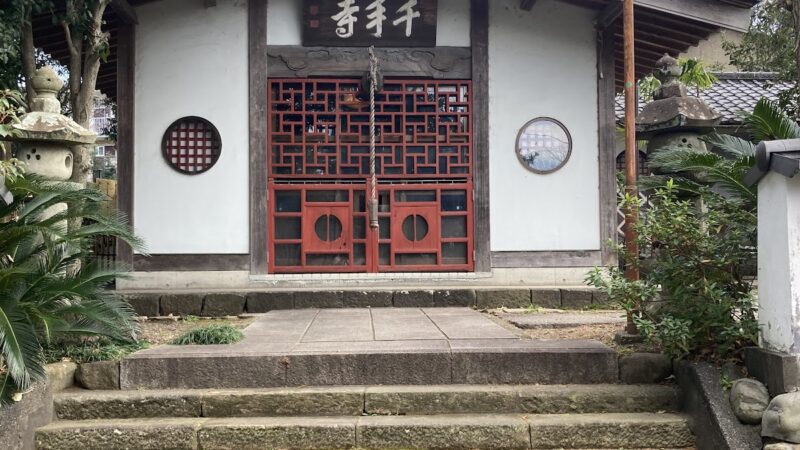
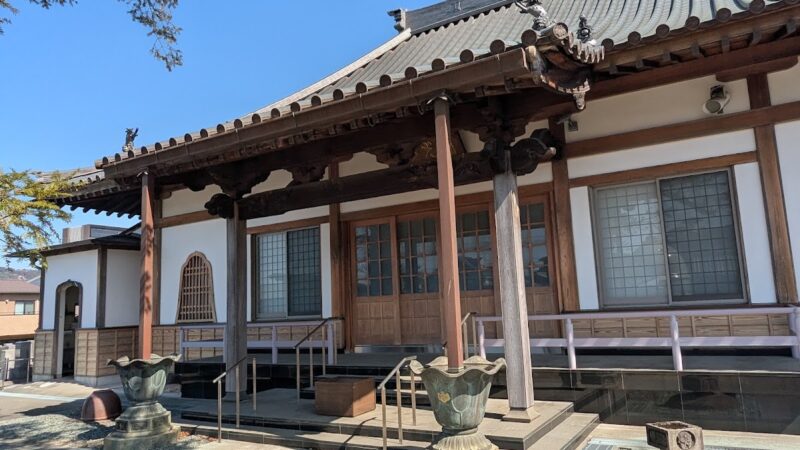
The main hall, which has stood since its reconstruction in 1692 (Genroku 5), incorporates Chinese-style architectural elements characteristic of the Obaku sect. The Kannon Hall, which survived the fires of war during Takeda Shingen’s invasion of Suruga, is a valuable structure that conveys the temple’s history.
Jushichiya-gu Shrine
Adjacent to the temple grounds is Jushichiya-gu Shrine, a shrine that attracts the faith of the local community. It preserves the unique Japanese form of syncretism of Shinto and Buddhism, where temples and shrines coexist, and is an important place that tells the story of the region’s history.
Quiet Temple Grounds
Despite being located in a residential area of Uehara, Shimizu Ward, the temple grounds are enveloped in tranquility. Shimizu Memorial (a private cemetery) is also adjacent, maintaining a safe and peaceful environment. It is a space where you can escape the hustle and bustle of the city and visit with a calm mind.
Seasonal Scenery
The temple grounds are planted with plants that change with the seasons, displaying different expressions in each season. The temple’s quiet beauty is particularly striking during the cherry blossom season in spring and the autumn foliage season.
Connection with Kitahara Hakushu
Senju-ji Temple is said to have a connection to Kitahara Hakushu, one of Japan’s leading poets. Hakushu was a poet who was active from the Taisho to the early Showa period, and is known for his children’s songs such as “Kono Michi” (This Road) and “Machiboke” (Waiting in Vain).
Throughout his life, Hakushu traveled throughout Japan, visiting many temples and shrines. It is said that he also visited Senju-ji Temple, and was touched by the temple’s tranquil atmosphere and the culture of the Obaku sect. This episode adds color to the history of Senju-ji Temple as a point of contact between literature and Buddhist culture.
Manners and Etiquette for Visiting a Temple
Basic Temple Etiquette
- Bow at the Temple Gate: Bow before entering the temple grounds to compose yourself.
- Watering Rituals: If there is a watering basin, cleanse your hands and mouth.
- Worship at the Main Hall: Quietly join your hands in prayer and offer your prayers with sincerity.
- Photography: Photography is often permitted on the temple grounds, but consideration for the interior of the main hall and other visitors is necessary.
- Silence: Remember that temples are places of training and prayer, and act quietly.
Etiquette Specific to Obaku Zen Temples
Obaku Zen temples sometimes perform Chinese-style chanting and rituals. General visitors can follow the same etiquette as at typical Buddhist temples, but it’s advisable to check beforehand if you plan to attend a religious service.
Access Information
Access by Public Transportation
Using the Shizuoka Railway Shizuoka-Shimizu Line:
- Get off at “Kitsunegasaki Station” and walk for approximately 7 minutes.
- Head north from the station and you will arrive at the temple after passing through the residential area.
- The distance is approximately 500-600 meters.
Using the JR Tokaido Line:
- Get off at “Shimizu Station” and take a bus or taxi for approximately 10 minutes.
- Access is also possible by bus or taxi from “Kusanagi Station”.
Access by Car
Using the Tomei Expressway:
- Approximately 15 minutes from “Shimizu IC”.
- Take National Route 1 towards Uehara.
Parking: There may be parking spaces on the temple grounds or nearby, but it is recommended to check in advance. Congestion is expected, especially during memorial services and events.
Landmarks in the vicinity
- Udo Jushichiya-yama Nursery School is adjacent.
- Jushichiya-gu Shrine is near the temple grounds.
- Shimizu Memorial (private cemetery) is on the same grounds.
These facilities will make it easier to find your way.
Nearby Tourist Attractions
Highlights of the Shimizu Area
When visiting Senju-ji Temple, you can also visit other tourist attractions in Shimizu Ward.
Nihondaira: Approximately 15 minutes by car from Senju-ji Temple. A scenic spot designated as a national scenic spot, where you can enjoy spectacular views of Mt. Fuji and Suruga Bay.
Miho no Matsubara: One of the constituent assets of the World Cultural Heritage site “Mt. Fuji”. A scenic spot known for its beautiful pine forest and views of Mt. Fuji.
Shimizu Port: One of Japan’s leading trading ports. There are also commercial facilities such as “S-Pulse Dream Plaza” around the port.
Kunozan Toshogu Shrine: A shrine with a national treasure shrine dedicated to Tokugawa Ieyasu. Accessible by ropeway from Nihondaira.
Temple and Shrine Pilgrimage in Shimizu Ward
Besides Senju-ji Temple, Shimizu Ward is dotted with other historical temples and shrines. Incorporating Senju-ji Temple into your temple and shrine pilgrimage will make for a more fulfilling experience.
Annual Events and Special Days
At Obaku Zen temples, various religious services and events are held throughout the year. Senju-ji Temple may also hold the following events:
- New Year’s Day: Shusho-e (New Year’s service)
- Spring and Autumn Equinoxes: Higan-e (Buddhist equinox service)
- Obon: Urabon-e (Buddhist festival)
- December: Jodo-e (Buddhist service commemorating the enlightenment of Buddha)
During special events, you can experience a different atmosphere at the temple than usual. Please contact the temple directly for detailed dates.
Experiences and Learning at Senju-ji Temple
Cultural Experience Through Fucha Cuisine
As mentioned above, Senju-ji Temple offers Fucha cuisine. This is not merely a meal, but a valuable opportunity to experience the culture of the Obaku school of Zen Buddhism. You can deepen your understanding of the Zen spirit and culinary culture transmitted from China by actually tasting it.
Meditation in Silence
The tranquil environment of the temple is ideal for escaping the hustle and bustle of everyday life and calming the mind. Walking quietly through the temple grounds and offering prayers in the main hall is a valuable experience of confronting the “stillness” that is often lost in modern society.
Touching History
The history of Senju-ji Temple, rebuilt in the Edo period after surviving the wars of the Sengoku period, is itself the history of Suruga Province. You can feel the flow of history, from the era of Takeda Shingen and the Imagawa clan to the Tokugawa era, through this temple.
Precautions for Visiting the Temple
Opening Hours and Visiting Hours
While most temples are open during the day, Senju-ji Temple also offers Fucha cuisine, so it is recommended to call ahead to confirm.
Phone Number: 054-345-7554
Dress Code
There are no specific dress code requirements, but please consider the following when visiting the temple:
- Avoid revealing clothing
- You will need to remove your shoes when entering the main hall, so easy-to-remove footwear is convenient
- Dress appropriately for the season (take precautions against heat in summer, and warm clothing in winter)
Photography
Photography of the temple grounds is generally permitted, but please note the following:
- Photography inside the main hall and of Buddha statues may require permission.
- Please be considerate of the privacy of other visitors.
- Please refrain from taking photographs during religious services.
- Please avoid using flash photography as it may damage Buddha statues and cultural artifacts.
Senju-ji Temple and the Local Community
Udo Jushichiya-yama Nursery School
Udo Jushichiya-yama Nursery School is located adjacent to the grounds of Senju-ji Temple, and the temple plays a role in supporting local childcare. Through childcare based on Buddhist principles, the temple watches over the growth of local children.
Shimizu Memorial
In a corner of the temple grounds is Shimizu Memorial, a private cemetery that serves as a place for perpetual memorial services for local residents. It functions as a safe and peaceful place to remember the deceased.
Center of Local Faith
Along with Jushichiya-gu Shrine, Senju-ji Temple serves as a center of faith for the Uehara district and a spiritual haven for local residents. Many visitors come during Obon, Higan, and the New Year holidays, strengthening the bonds of the local community.
Significance of Visiting Senju-ji Temple
Learning History
The history of Senju-ji Temple, stretching from the ravages of war during the Sengoku period to its reconstruction in the Edo period and continuing to the present day, reflects the history of Japan itself. Through the history of a single temple, one can understand the larger flow of history.
Experiencing Obaku Zen Culture
As one of the few Obaku Zen temples in Shizuoka Prefecture, Senju-ji Temple possesses invaluable cultural significance. Visiting a temple that preserves Zen culture introduced from China allows one to experience the diversity of Japanese Buddhism.
Finding Peace of Mind
Removing the hustle and bustle of modern society and spending time in a quiet temple is crucial for mental well-being. The tranquil environment of Senju-ji Temple offers visitors peace and healing.
Experiencing Food Culture
Through Fucha cuisine, a unique form of vegetarian Buddhist cuisine, one can learn about the relationship between food and religion, and food and culture. This not only satisfies intellectual curiosity but also provides an opportunity to consider a healthy diet.
Summary
Located in Uehara, Shimizu Ward, Shizuoka City, Shizuoka Prefecture, Senju-ji Temple on Jushichiya Mountain is a historically significant temple that survived the ravages of war during the Sengoku period and was rebuilt as an Obaku Zen temple during the Edo period. With its multifaceted appeal, including the provision of Fucha cuisine, its tranquil grounds, and its deep connection to the local community, it is a place well worth visiting.
Its convenient access, approximately a 7-minute walk from Kitsunegasaki Station, is another attractive feature. When visiting Shimizu Ward, be sure to visit Senju-ji Temple and experience its history, culture, and the peace of mind found in its tranquility.
Savoring Fucha cuisine, experiencing the culture of the Obaku Zen sect, and feeling the history that has continued since the Sengoku period—Senju-ji Temple is a precious place where you can have such a multi-layered experience. We recommend visiting after confirming by phone in advance.