Complete Guide to Gekkozan Horinji Temple (Shizuoka Prefecture): History, Access, and Perpetual Memorial Services
Located in Nakanogo, Shimizu Ward, Shizuoka City, Shizuoka Prefecture, Gekkozan Horinji Temple is a historic Zen temple deeply rooted in the local community. Its location along the Tokaido Road has attracted the faith of many people since ancient times. This article provides detailed information useful for those considering visiting or consulting about Horinji Temple, including its history, principal image, access methods, and information on perpetual memorial towers and cemeteries.
Basic Information about Gekkozan Horinji Temple
Temple Overview
Official Name: Gekkozan Horinji Temple
Sect: Soto Zen
Mountain Name: Gekkozan
Principal Image: Enmei Jizo Bodhisattva
Location: 1-10-23 Nakanogo, Shimizu-ku, Shizuoka City, Shizuoka Prefecture 424-0888
Horinji Temple, as a Soto Zen temple, has contributed to the local community through Zen meditation and Buddhist teachings. With three core beliefs—”We want to convey the teachings of Buddha,” “We want to feel the spirit of Zen,” and “We want to hear your thoughts”—it aims to be an open temple where people can easily seek advice in modern life.
What is Soto Zen?
Soto Zen is a branch of Zen Buddhism introduced to Japan by Zen Master Dogen during the Kamakura period. It emphasizes “Shikantaza,” that is, simply sitting in meditation, and values the teaching that daily life itself is a form of training. With over 14,000 temples nationwide, it is known as one of the largest Buddhist sects in Japan.
At Horinji Temple, based on the teachings of the Soto Zen sect, opportunities for the general public to experience the spirit of Zen are offered through Zen meditation sessions and Dharma talks.
History and Origins of Horinji Temple
Origins of the Temple
Gekkozan Horinji Temple is a historic temple located in the Nakanogo district of Shimizu Ward, Shizuoka City, along the old Tokaido road. Shimizu Ward flourished as a post town on the Tokaido during the Edo period, a region bustling with travelers and merchants. Horinji Temple has also carved out a long history as a center of faith for the people of this region.
While detailed records of the temple’s founding date and its founder are limited, it continues to uphold traditions passed down through generations under a community-based danka (parishioner) system.
Meaning of the Mountain Name “Gekkozan”
The beautiful mountain name “Gekkozan” is deeply connected to the symbolism of the moon in Buddhism. In Buddhism, the moon has been considered a symbol of wisdom, purity, and compassion that illuminates all sentient beings. Especially in temples where Jizo Bodhisattva is the principal deity, it is believed that the wish to gently guide people like the moonlight is embodied.
The desire to be a temple that shows the way and provides peace to those who are lost, like the moonlight illuminating a night road, is reflected in this temple’s mountain name.
About the Principal Deity: Enmei Jizo Bodhisattva
The Faith of Jizo Bodhisattva
The principal deity of Horinji Temple is Enmei Jizo Bodhisattva. Jizo Bodhisattva is one of the most beloved bodhisattvas in Japan, widely worshipped among ordinary people as “O-Jizo-sama.”
Jizo Bodhisattva is considered a bodhisattva who saves sentient beings in all six realms (hell, hungry ghosts, animals, asuras, humans, and heaven) from the time of Shakyamuni Buddha’s death until Maitreya Bodhisattva attains Buddhahood. It is especially revered as a guardian deity for children and travelers, and also as a place of memorial for aborted fetuses.
Characteristics of Enmei Jizo
As the name “Enmei” (meaning “extending life”) suggests, Enmei Jizo Bodhisattva is believed to have the merit of extending life and protecting against illness and misfortune. In today’s aging society, this is one of the reasons why many worshippers visit the temple to pray for health and longevity.
Jizo Bodhisattva is usually depicted holding a staff (shakujo) and a jewel. The staff is used when traversing the six realms of existence, and the jewel symbolizes the wish-granting jewel.
Highlights and Features of Horinji Temple
Temple Grounds
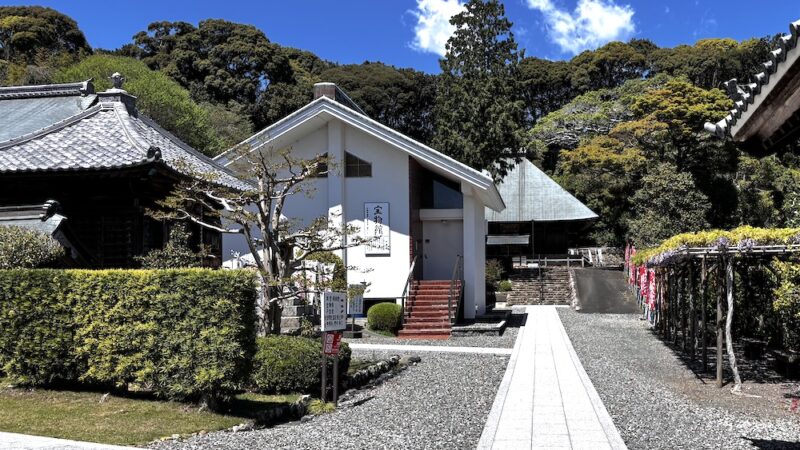
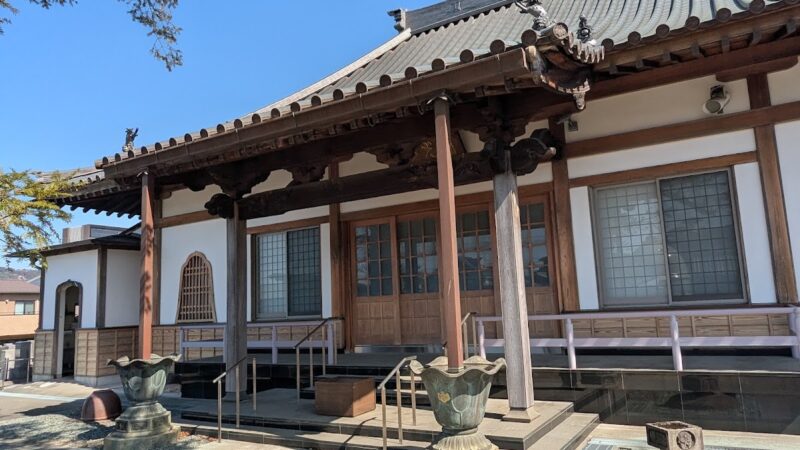
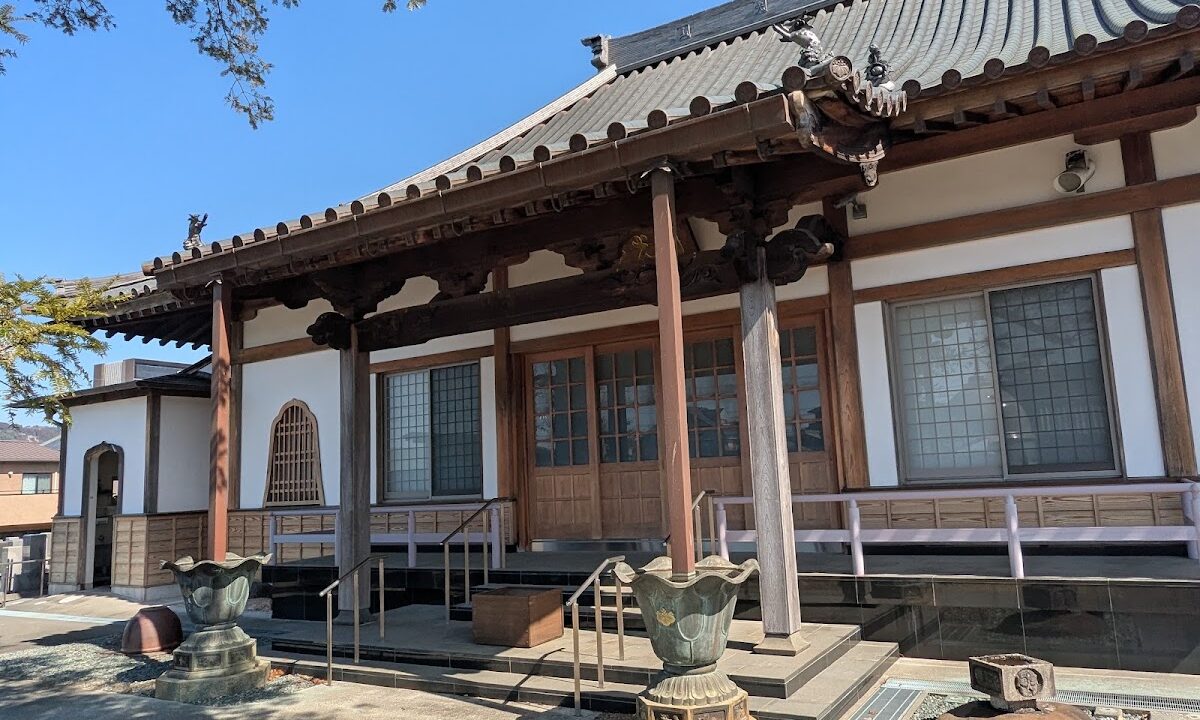
Although located in a residential area of Shimizu Ward, Shizuoka City, Horinji Temple maintains a quiet and peaceful atmosphere. The temple buildings, including the main hall, exhibit a simple yet dignified appearance typical of Soto Zen temples.
Within the temple grounds, stone Buddha statues, including Jizo Bodhisattva, the graves of successive head priests, and the family cemeteries are neatly arranged. The gardens and plantings, offering seasonal scenery, also soothe the hearts of visitors.
Temple Activities and Role
In addition to traditional temple activities, modern Horinji Temple also serves as a central hub for the local community. Beyond ceremonies such as funerals and memorial services, it provides opportunities to easily engage with Buddhism through the following activities:
- Zazen Sessions: Opportunities to experience Zazen, the foundation of the Soto Zen school.
- Dharma Talks: A place to learn Buddhist teachings in an easy-to-understand way.
- Annual Events: Seasonal memorial services such as Obon, Higan, and Segaki.
- Life Counseling: A place to easily discuss worries and anxieties about daily life.
As the phrase “We want to hear your thoughts” suggests, Horinji Temple values listening to the voices of its visitors, rather than simply preaching.
About Perpetual Memorial Towers and Columbariums
Memorial Service Options to Meet Modern Needs
Horinji Temple has a perpetual memorial tower (columbarium), offering memorial service options that meet the changing needs of modern lifestyles and family structures.
Perpetual memorial service is a system in which the temple takes responsibility for providing and managing memorial services in perpetuity. The following types of people choose this option:
- Those who have no successor to their family grave
- Those who do not want to burden their children or relatives
- Those who live far away and find it difficult to manage a family grave
- Those who are not attached to traditional cemetery forms
- Those who want to minimize their financial burden
Benefits of Perpetual Memorial Service
The benefits of using the perpetual memorial tower at Horinji Temple include:
- No burden of management: The temple handles daily maintenance such as cleaning and weeding.
- No restrictions on religious affiliation: Many temples accept people of other religious affiliations.
- Clear costs: Initial costs and maintenance fees are lower compared to typical cemeteries.
- Peace of mind with perpetual memorial service: Memorial services will continue as long as the temple exists.
- Easy Access: Conveniently located near JR Kusanagi Station and Shizuoka Railway stations, making it easy to visit.
If you are considering perpetual memorial services or the use of a columbarium, we recommend that you check and consult with the temple in advance regarding costs, contract details, and memorial service methods.
Cemetery Information
General Cemetery Information
In addition to the perpetual memorial tower, Horinji Temple also offers general cemeteries. This is an option for those who prefer a traditional grave or wish to establish a family grave to be passed down through generations.
Cemetery availability, usage fees, and annual maintenance fees vary depending on the time of year, so please contact the temple directly when making specific inquiries.
Key Points for Choosing a Cemetery
When choosing a cemetery, it is important to check the following points:
- Location and Access: Is it within a reasonable distance for regular visits?
- Religious Affiliation: Is it necessary to become a temple parishioner?
- Cost: Total amount of perpetual use fee, tombstone cost, and annual maintenance fee.
- Environment: Sunlight, drainage, and surrounding atmosphere.
- Facilities: Availability of parking, water facilities, rest areas, etc.
- Management Condition: Is the temple grounds and cemetery kept clean?
Horinji Temple is located in a residential area but maintains a quiet environment and has good access by public transportation, making it a highly-rated cemetery that meets these conditions.
Access Method
Access by Train
Horinji Temple is located in the Nakanogo area of Shimizu Ward, Shizuoka City, and is conveniently located with easy access by public transportation.
JR Tokaido Main Line
- Approximately 10-15 minutes on foot from Kusanagi Station
- Exit the station and head south towards the old Tokaido Road.
Shizuoka Railway Shizuoka-Shimizu Line
- Approximately 10-15 minutes on foot from Kusanagi Station
- Approximately 15 minutes on foot from Prefectural Art Museum Station
The temple is within walking distance from both stations, making it very easily accessible for those using the train. The route from the station to the temple is relatively flat, making it a manageable distance even for the elderly.
Access by Car
If using the Tomei Expressway:
- Approximately 20 minutes from Shizuoka IC
- Approximately 15 minutes from Shimizu IC
Access from National Route 1 (Tokaido):
- Near Nakanogo Intersection, Shimizu Ward
- Located along the old Tokaido Road
Regarding parking availability and capacity, it is recommended to check with the temple in advance, as it may be crowded during memorial services and events.
Nearby Landmarks and Landmarks
The following facilities are located near Horinji Temple and can serve as landmarks:
- Shizuoka Prefectural Museum of Art: Famous as a cultural facility, and the name is also used for the Shizuoka Prefectural Museum of Art Station.
- Kusanagi Sports Park: An area with many sports facilities.
- Atmosphere of a Tokaido Post Town: Experience the atmosphere of a historic highway.
For first-time visitors, it is recommended to search for “Soto Zen Gekkozan Horinji Temple” or the address “1-10-23 Nakanogo, Shimizu Ward, Shizuoka City” on your smartphone’s map app.
Manners and Points for Visiting a Temple
Basic Temple Visiting Etiquette
Let’s review the basic manners for visiting a temple:
- Bow at the Temple Gate: Bow before entering the temple grounds.
- Purification at the Water Basin: Purify your hands and mouth (if available).
- Worship at the Main Hall:
- Proceed quietly to the front of the main hall.
- Place your offering in the offering box.
- Bow once with your hands clasped together, or bow three times (three times of worship).
- Quietly put your hands together and express your wishes and gratitude in your heart.
- Bow upon Exit: Bow again when leaving the temple grounds.
Clothing and Belongings
For a normal visit, no special clothing is required. However, please keep the following points in mind:
- Clean and modest attire: Clothing that is not too flashy and does not reveal too much skin is preferable.
- If attending a memorial service: Wear clothing in subdued colors such as black or navy, and bring prayer beads.
- Visiting in summer: Bring a parasol or hat, and water.
- Visiting in winter: Don’t forget to dress warmly.
Suitable time for visiting
Temples are generally open during the daytime, but specific times vary depending on the temple. General visits may be restricted during memorial services or events, so it is recommended to contact the temple in advance if you have a special reason to visit.
For those who wish to visit in peace, weekday mornings are generally less crowded, allowing for a more tranquil atmosphere.
Annual events and memorial services
Main annual events
Soto Zen temples hold various memorial services and events throughout the year. It is believed that the following events are held at Horinji Temple:
Spring Events
- Spring Equinox Ceremony (March): An important time for ancestor worship
- Flower Festival (April 8th): A memorial service celebrating the birth of Buddha
Summer Events
- Obon Festival (August): The most important event for welcoming and honoring the spirits of ancestors
- Segaki Ceremony: A memorial service for spirits that have fallen into the realm of hungry ghosts
Autumn Events
- Autumn Equinox Ceremony (September): Ancestor worship is performed in the same way as in spring
Winter Events
- New Year’s Eve Bell Ringing (December 31st): Ringing the bell to dispel the 108 worldly desires
- New Year’s Day Ceremony (January): A memorial service praying for peace in the new year
For specific dates and participation methods, it is recommended to contact the temple directly.
About Consultations and Inquiries
A Temple Where You Can Easily Consult
Horinji Temple aims to be an open temple where not only parishioners, but also local residents and first-time visitors can easily consult, as evidenced by its motto, “We want to hear your thoughts.”
We offer consultations on the following topics:
- Funeral and Memorial Service Consultations: Buddhist funerals, from the first seven days after death to annual memorial services
- Perpetual Memorial Service and Interment Consultations: Information on the use of perpetual memorial towers and columbariums
- Cemetery Consultations: Acquisition of new burial plots, management of existing burial plots
- Life Counseling: Worries and anxieties in daily life
- General Buddhist Matters: Information on posthumous names, memorial tablets, Buddhist altars, etc.
How to Contact Us
For specific consultations or inquiries, please contact us using the following methods:
Address: 1-10-23 Nakanogo, Shimizu-ku, Shizuoka City, Shizuoka Prefecture 424-0888
For telephone numbers and official website information, please check the latest information on the Soto Zen sect’s official temple search site “Soto Zen Navi” or the Horinji Temple official website.
When visiting, please avoid days with scheduled memorial services or events, or contact us in advance to allow for a more relaxed conversation with the head priest and temple staff.
History and Culture of the Kusanagi Area in Shimizu Ward
As a Post Town on the Tokaido Road
Shimizu Ward in Shizuoka City, where Horinji Temple is located, flourished as a post town on the Tokaido Road during the Edo period. It had two post towns, Ejiri-juku and Okitsu-juku, and many travelers passed through.
The Nakanogo area is located along the old Tokaido Road, and historical landscapes that retain the atmosphere of that time can still be seen. Horinji Temple, as a temple deeply connected to the history of the Tokaido Road, has supported the local culture.
Characteristics of the Kusanagi Area
The place name Kusanagi is said to originate from the legend of Yamato Takeru no Mikoto in Japanese mythology. It is said that the name “Kusanagi” comes from the legend that Yamato Takeru cut down grass in this area to escape a fire attack.
The current Kusanagi area is characterized by:
- Educational District: Home to educational institutions such as Shizuoka University and Tokoha University
- Cultural Facilities: Abundant cultural facilities including the Shizuoka Prefectural Museum of Art
- Sports Facilities: Kusanagi Sports Park, IAI Stadium Nihondaira, etc.
- Residential Area: Developed as a commuter town for Shizuoka City
Within this environment, Horinji Temple plays a role as a temple that preserves tradition while being attuned to modern life.
Role as a Soto Zen Temple
Transmitting the Teachings of Zen
As a Soto Zen temple, Horinji Temple values the practice and teachings of Zen, centered on zazen (seated meditation). As the phrase “shikan taza” (just sitting) suggests, simply sitting allows one to confront oneself and realize one’s true self—this is the basic practice of Soto Zen.
Modern society is filled with stress and information overload, leaving little time for mental rest. In such circumstances, zazen provides a valuable opportunity to calm the mind and reflect on oneself.
Connections with the Local Community
Temples are not merely religious institutions; they also play a central role in the local community. Horinji Temple is no exception:
- Preservation of Local History: A place to protect local memories and traditions
- Gathering Place for People: Opportunities for interaction through memorial services and events
- Spiritual Support: A place to seek advice during life’s milestones and difficult times
- Cultural Transmission: Passing on Buddhist culture and Japanese traditional culture to future generations
Through these roles, Horinji Temple functions as an indispensable presence in the local community.
Things to Know Before Visiting Horinji Temple
For First-Time Visitors
Some people may feel anxious about visiting a temple. However, Horinji Temple aims to be a temple where people can “feel free to consult,” so even first-time visitors can visit with peace of mind.
- Open to non-parishioners: General visitors are welcome.
- No special etiquette required: Basic manners are sufficient.
- Feel free to consult: We accept consultations on life’s worries and Buddhist rituals.
Regarding Photography
Photography on the temple grounds is generally permitted for personal records, but please note the following:
- Obtain prior permission before photographing the interior of the main hall or Buddha statues.
- Be considerate during religious services or when other visitors are present.
- Check the temple’s stance before posting on social media.
- Always obtain prior permission before taking photos for commercial purposes.
Regarding Pets
Regarding pets at temples, entry to the grounds is generally restricted. Pets should be avoided, especially in the main hall and cemetery. If you plan to visit with a pet, it is recommended to check with the temple beforehand.
Summary: The Charm of Horinji Temple
Horinji Temple, a Soto Zen temple located in the Nakanogo district of Shimizu Ward, Shizuoka City, is a historical temple with Enmei Jizo Bodhisattva as its principal deity. Located along the Tokaido Road, Horinji Temple has long been a place of worship for the local people.
Main Features of Horinji Temple:
- Excellent Accessibility: Within walking distance of JR Kusanagi Station and Shizuoka Railway Station
- Open Temple: A welcoming atmosphere where even non-parishioners can easily seek advice
- Diverse Memorial Service Options: Equipped with an eternal memorial tower, ossuary, and general cemetery plots
- Zen Practice: Opportunities to experience the spirit of Zen through Zen meditation sessions, etc.
- Community Connections: A central role in the local community
Horinji Temple, guided by three principles—”We want to convey the teachings of Buddha, we want to feel the spirit of Zen, we want to hear your thoughts”—will continue to contribute to the local community as a temple that preserves tradition while staying close to modern life.
It is a temple where you can easily consult not only about Buddhist matters such as funerals, memorial services, eternal memorial services, and cemeteries, but also about life’s worries and anxieties. If you’re looking for a temple in Shimizu Ward, Shizuoka City, or if you’re interested in Zen Buddhism or seeking inner peace, why not visit Horinji Temple?
The time you spend praying and calming your mind in the tranquil temple grounds will be a precious moment in your busy daily life. As its beautiful mountain name, Gekkozan (Moonlight Mountain), suggests, Horinji Temple’s charm lies in its gentle illumination and guidance, like moonlight.