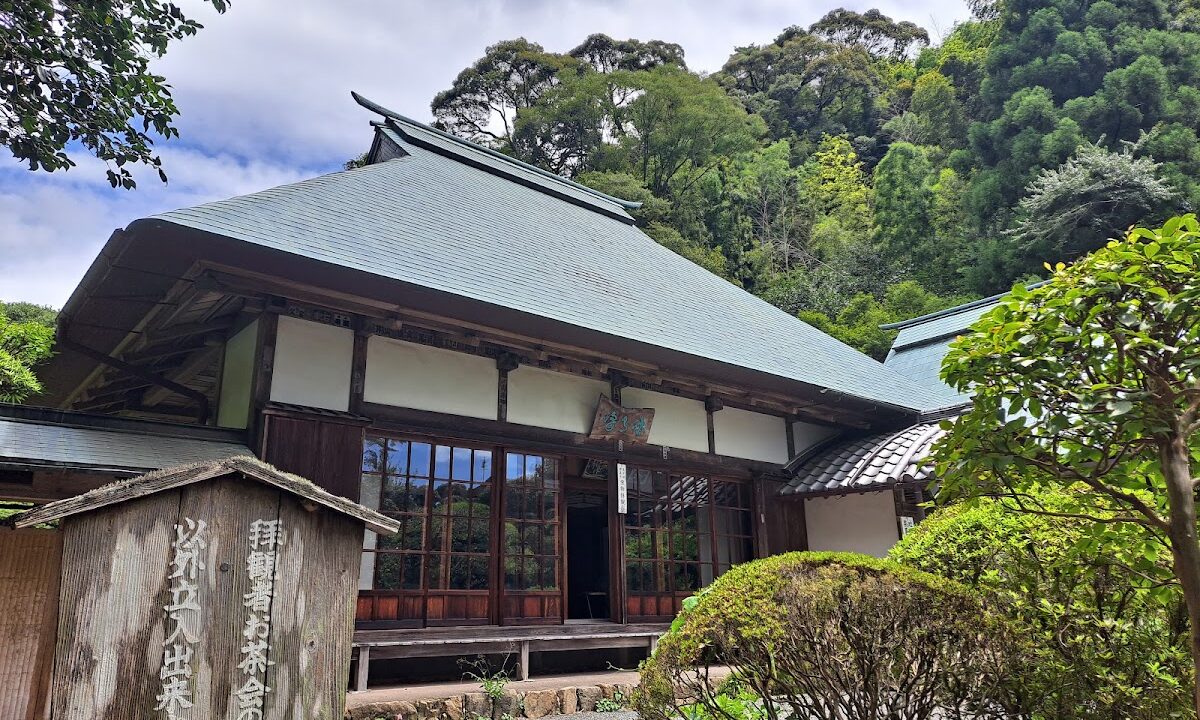
Togetsuppo Shibaya-ji Temple (Shizuoka Prefecture) Complete Guide: A Famous Garden and Moon-Viewing Spot Associated with the Renga Poet Socho
Togetsuppo Shibaya-ji Temple, located in Mariko, Suruga Ward, Shizuoka City, Shizuoka Prefecture, is an ancient temple of the Rinzai sect, Myoshin-ji school, that preserves the culture of the Muromachi period. Originating from a hermitage where the renga poet Socho, who served the Imagawa clan, lived in seclusion, it has been cherished by many writers and artists since ancient times as a “moon-viewing spot” for admiring the moon rising over the eastern mountains, and boasts a nationally designated scenic garden modeled after Kyoto’s Ginkaku-ji Temple.
This article comprehensively introduces information you should know before visiting Togetsuppo Shibaya-ji Temple, from its historical background and garden highlights to access methods and surrounding tourist spots.
What is Togetsuppo Shibaya-ji Temple?: History and Origins
The Birth of Renga Poet Socho and Shibaya-ken
The history of Togetsuppo Shibaya-ji Temple dates back to the mid-Muromachi period. The history of this place began when Sōchō (1448-1532), a renga poet who served the Imagawa clan, established a hermitage called “Shibaya-ken” in this area. Sōchō was a prominent cultural figure in the renga world of the time and a renowned renga poet who studied under Iio Sōgi.
After his activities in Kyoto, Sōchō spent his later years in Suruga, the base of the Imagawa clan. It is believed that he chose Mariko because, while being a strategic point on the Tōkaidō road, its quiet mountainous landscape was suitable for cultural activities. Shibaya-ken served as a cultural salon where Sōchō held renga gatherings and interacted with other literary figures.
Conversion to a Temple by Imagawa Ujichika
After Sōchō’s death, Imagawa Ujichika, the 7th head of the Imagawa clan, converted Shibaya-ken into a temple in memory of his teacher. This is the origin of the present-day Togetsumine Shibaya-ji Temple. The temple’s name, “Togetsumine,” expresses the image of the moon rising as if being “spit out” from Mount Tenchuzan in the east, symbolizing the moon-viewing scenery that Socho loved.
As a temple that strongly retains the culture of the Muromachi period, it also functioned as part of Maruko Castle, making it a valuable historical site that offers insight into a part of the Imagawa clan’s cultural policies.
Nationally Designated Scenic Spot and Historic Site Garden: A Borrowed Landscape Garden Modeled After Ginkaku-ji Temple
Design Modeled After Kyoto’s Ginkaku-ji Temple
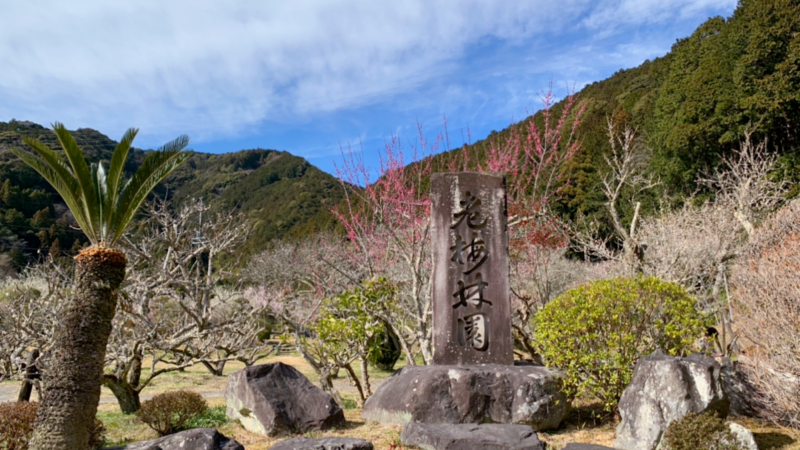
The greatest highlight of Togetsumine Shibaya-ji Temple is its borrowed landscape garden, designated as a national scenic spot and historic site. This garden is said to have been created by Socho, modeled after the garden of Ginkaku-ji Temple (Jisho-ji Temple) in Kyoto, and strongly retains the style of Zen Buddhist gardens from the Muromachi period.
Similar to the garden of Ginkaku-ji Temple, it features a complex composition combining elements of both a pond-centered strolling garden and a dry landscape garden. Within its limited grounds, this garden showcases exquisite landscaping techniques that condense the essence of Kyoto’s Higashiyama culture.
The Art of Borrowed Scenery: Maruko Fuji and Tenchuzan
The garden’s most distinctive feature is its skillful use of borrowed scenery, incorporating the surrounding natural environment. To the west of the main hall is a pond fed by spring water, and behind it rises Tenchuzan, also known as “Maruko Fuji.”
By incorporating the beautiful ridgeline of Maruko Fuji, as seen from Mariko-shuku on the Tokaido road, into the garden, the limited space is given a sense of breadth and depth. This borrowed scenery technique is highly regarded as an excellent example of the aesthetics of Japanese gardens.
Bamboo Grove and Moon-Viewing Stone: Charm as a Moon-Viewing Spot
A bamboo grove is located on the east side of the garden, creating a landscape reminiscent of Kyoto’s Higashiyama. A “moon-viewing stone” is placed in the garden for admiring the moon rising through this bamboo grove.
As its name “Togetsumine” (meaning “Moon-Spouting Peak”) suggests, the view of the moon rising as if being “spit out” from the eastern mountains has been celebrated by many writers since ancient times. Especially during the Mid-Autumn Festival, the sight of the moon rising against the backdrop of the bamboo grove is exceptional, making it widely known as a “famous spot for the moon” and a “famous spot for bamboo.”
The Beauty of the Garden in Every Season
The garden of Togetsumine Shibaya-ji Temple displays different expressions in each of the four seasons.
- Spring: A refreshing season with the fresh green of the bamboo grove and wildflowers blooming around the pond.
- Summer: The lush green bamboo grove and spring-fed pond create a cool and refreshing atmosphere.
- Autumn: The contrast between the autumn leaves and the bamboo grove is beautiful, making it the perfect season for moon viewing.
- Winter: The serene beauty of the snow-covered garden and bamboo grove stands out.
Highlights of Togetsumine Shibaya-ji Temple
Atmosphere of the Temple Gate and Grounds
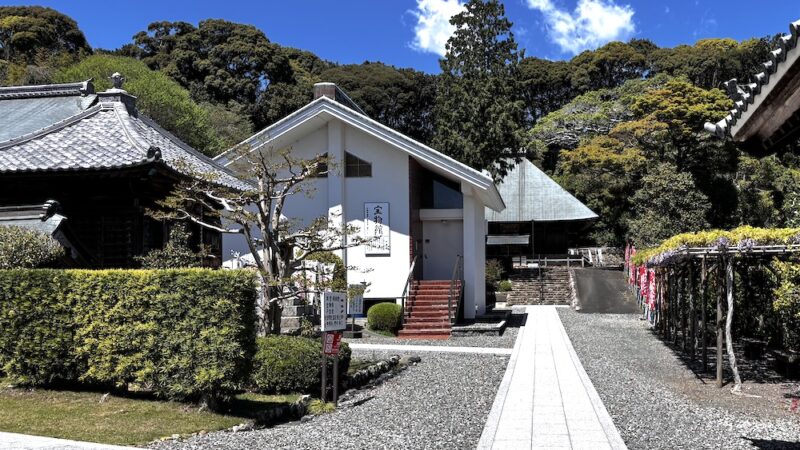
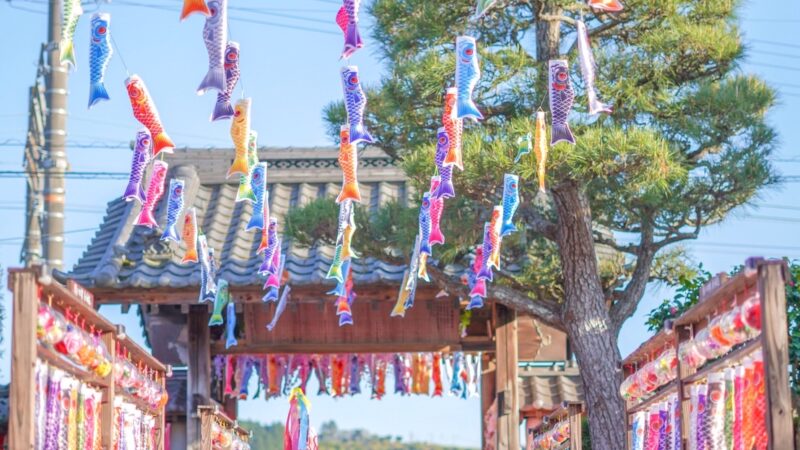
Passing through the temple gate of Shibaya-ji Temple, a tranquil space surrounded by greenery unfolds. While the gate itself is simple, it strongly retains the atmosphere of a Zen Buddhist temple from the Muromachi period, serving as an entrance to a world separate from the secular world.
The grounds are not particularly large, but each element is carefully arranged, resulting in a refined and efficient spatial composition.
Main Hall and Cultural Properties
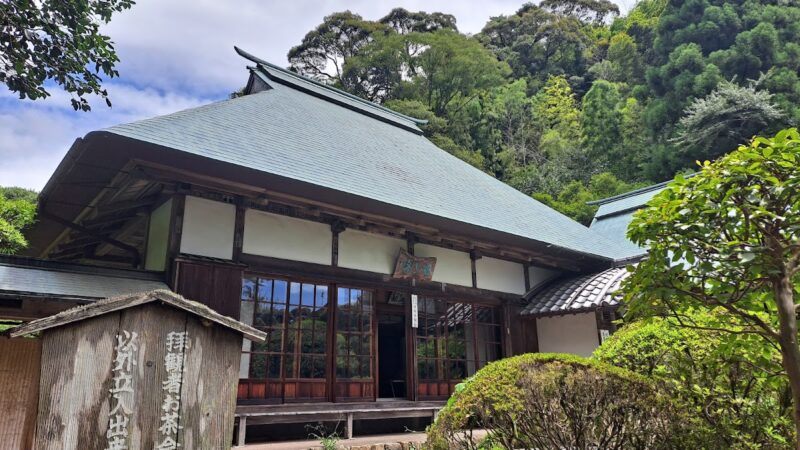
The main hall was rebuilt during the Edo period, but its architecture follows the style of the Muromachi period. The hall houses items associated with Munenaga and cultural artifacts related to the Imagawa clan.
The garden view from the main hall is like a painting, offering different expressions depending on the season and time of day. Sitting on the veranda and quietly gazing at the garden brings visitors deep peace.
Spring-Fed Pond and Rock Spring
At the heart of the garden is a pond from which rock spring water gushes forth. This pure water is believed to be groundwater from Mount Tenchuzan and has continued to flow without drying up since ancient times.
Moss-covered stones are placed around the pond, and the reflections of the bamboo grove and sky on the water’s surface add a dynamic beauty to the garden. The sound of the water and the wind rustling through the bamboo grove invites visitors into a meditative tranquility.
Basic Information about Togetsumine Shibaya-ji Temple
Access Methods
Access by Train and Bus
- Approximately 25 minutes by Shizutetsu Bus “Chubu National Highway Line” or “Maruko Line” from JR Shizuoka Station
- Approximately 5 minutes on foot from the “Togetsumine Entrance” bus stop
- Approximately 10 minutes by taxi from Shizuoka Railway “Kasugacho Station”
Access by Car
- Approximately 15 minutes from Tomei Expressway “Shizuoka IC”
- Approximately 20 minutes from Shin-Tomei Expressway “Shin-Shizuoka IC”
- Approximately 5 minutes from National Route 1 “Maruko” intersection
Parking
- Free parking available (approximately 10 regular cars)
- May be crowded during tourist season and on weekends
Visiting Hours and Fees
Visiting Hours
- 9:00 AM – 5:00 PM (Last entry 4:30 PM)
- Open all year round (However, there may be days when the temple is closed for religious services, etc.)
Admission Fee
- Adults: 500 yen
- Junior High and High School Students: 300 yen
- Elementary School Students: 200 yen
- Group discounts available (20 or more people)
*Prices and opening hours may change, so we recommend checking official information before visiting.
Location and Contact Information
- Address: 3-4-10 Mariko, Suruga-ku, Shizuoka City, Shizuoka Prefecture
- Phone: 054-259-6666 (Please confirm)
- Sect: Rinzai Zen Myoshinji School
Recommended Tourist Spots Around Togetsumine Shibaya-ji Temple
History of Mariko-juku and the Tokaido Road
The Mariko area, where Togetsumine Shibaya-ji Temple is located, has a history of flourishing as “Mariko-juku,” the 20th post town on the Tokaido Fifty-three Stations. Even today, traces of the old Tokaido road remain scattered throughout the town, allowing visitors to enjoy historical walks.
Mariko-juku’s Famous “Tororo Soup”
Mariko-juku is known for its famous tororo soup restaurants, including “Chōjiya,” which was depicted in Hiroshige’s ukiyo-e prints. Enjoying this traditional flavor, which has continued since the Edo period, is highly recommended in conjunction with a visit to Togetsumine Shibaya-ji Temple.
Utsunoya Pass and the Meiji Tunnel
Located about 10 minutes by car from Mariko, Utsunoya Pass is a historical mountain pass known as a difficult section of the Tōkaidō road. The brick tunnel dug during the Meiji era can still be walked through today, offering a time-traveling experience.
Shizuoka Sengen Shrine
Located in the heart of Shizuoka city, Shizuoka Sengen Shrine is known as a shrine associated with Tokugawa Ieyasu. It’s about 20 minutes by car from Togetsumine Shibaya-ji Temple and is a must-visit spot for Shizuoka sightseeing.
Nihondaira and Kunozan Tōshōgū Shrine
From Nihondaira, a representative scenic spot of Shizuoka, you can enjoy a panoramic view of Mount Fuji and Suruga Bay. The Kunozan Toshogu Shrine, connected by a ropeway, is a must-see as a national treasure dedicated to Tokugawa Ieyasu. It’s about a 30-minute drive from Togetsumine Shibaya-ji Temple.
Gourmet Information Around Togetsumine Shibaya-ji Temple
Mariko’s Famous Tororo Soup
Chojiya
- A long-established tororo soup specialty shop with over 400 years of history
- A historic shop depicted in Hiroshige’s ukiyo-e prints
- You can enjoy authentic tororo soup made with wild yam.
Oiwake Yokan Honpo
- A long-established Japanese confectionery shop in Mariko
- Their famous yokan (sweet bean jelly) has been loved by travelers on the Tokaido road.
Shizuoka Oden and Local Gourmet
In Shizuoka City, there are many restaurants that serve the unique “Shizuoka Oden,” topped with black fish cakes and green laver. Around Shizuoka Station, which you can stop by on your way back from Togetsumine Shibaya-ji Temple, there are plenty of restaurants where you can enjoy local gourmet food.
Recommended Time to Visit Togetsumine Shibaya-ji Temple
Best Season for Moon Viewing
The most impressive experience at Togetsumine Shibaya-ji Temple is undoubtedly during the autumn season when the moon is at its most beautiful. Especially during the Mid-Autumn Festival (September-October), you can enjoy the exceptional beauty of watching the moon rise through the bamboo grove.
Normal visiting hours are until 5 PM, but special moon-viewing events are sometimes held, so it is recommended to check in advance.
Seasons of Fresh Greenery and Autumn Leaves
- Spring (April-May): The fresh greenery of the bamboo grove is beautiful, and you can enjoy a refreshing atmosphere.
- Autumn (November-December): The contrast between the autumn leaves and the bamboo grove is magnificent, making it ideal for photography.
For a Quiet Visit
Weekday mornings are relatively quiet, allowing you to appreciate the garden in peace. The garden is especially beautiful after rain, with the moss shining brightly, creating a particularly serene atmosphere.
Cultural Value of Togetsumine Shibaya-ji Temple
Importance as a Nationally Designated Place of Scenic Beauty and Historic Site
The garden of Togetsumine Shibaya-ji Temple is a valuable cultural asset, designated as both a National Place of Scenic Beauty and a Nationally Designated Historic Site. As one of the few examples that preserves the garden style of the Muromachi period, it is recognized for its high academic value.
Renga Culture and the Cultural Policy of the Imagawa Clan
Through the renga poet Sōchō, Togetsumine Shibaya-ji Temple played a role as a cultural salon during the Muromachi period. As evidence of the Imagawa clan’s emphasis on culture in their governance, it is an important historical site for studying the cultural history of the Sengoku period.
A Masterpiece of Borrowed Landscape Gardening
The borrowed landscape technique, skillfully incorporating the surrounding nature into a limited site, is an excellent example of the aesthetics of Japanese gardens. In particular, the composition incorporating Maruko Fuji (Tenchūzan) as a backdrop is highly regarded as a masterpiece of garden design that integrates with the local nature.
Notes and Manners When Visiting Togetsumine Shibaya-ji Temple
Visiting Manners
- As this is a temple, please observe quietly.
- Entry into the garden is prohibited.
- Photography is permitted, but please refrain from using flash or tripods.
- Eating and drinking are strictly prohibited inside the main hall.
Clothing and Items to Bring
- You will need to remove your shoes when entering the main hall, so easy-to-remove footwear is recommended.
- Insect repellent spray is useful during the summer months.
- We recommend visiting with ample time to fully appreciate the garden.
Accessibility Information
There are steps within the temple grounds, so we recommend contacting the temple in advance if you are visiting in a wheelchair.
Other Temples and Shrines in Shizuoka to Visit Along with Togetsumine Shibaya-ji Temple
Rinzai-ji Temple
A Rinzai sect Myoshin-ji school temple associated with Imagawa Yoshimoto. While usually closed to the public, its magnificent garden can be viewed during special openings. Like Togetsumine Shibaya-ji Temple, it has deep ties to the Imagawa clan.
Seiken-ji Temple
Known as a famous temple on the Tokaido road, it is also a temple where Tokugawa Ieyasu studied in his childhood. It boasts a beautiful garden overlooking Mount Fuji and is located about 20 minutes by car from Togetsumine Shibaya-ji Temple.
Tesshuji Temple
This temple is associated with Yamaoka Tesshū, a swordsman of the late Edo period, and is located in Shimizu Ward, Shizuoka City. It is an interesting spot for history buffs.
Summary: The Charm of Togetsumine Shibaya-ji Temple
Togetsumine Shibaya-ji Temple is a valuable historical site that conveys the culture of the Muromachi period to the present day. As a cultural legacy of the renga poet Sōchō and the Imagawa clan, it is a representative scenic garden of Shizuoka Prefecture.
The borrowed-scenery garden, modeled after Ginkaku-ji Temple in Kyoto, is a masterpiece that condenses the aesthetics of Japanese gardens into a limited space, showing different expressions in each of the four seasons. The temple’s charm, particularly its reputation as a “moon-viewing spot” and “bamboo-viewing spot,” is exceptional. The experience of admiring the moon rising over the eastern mountains deeply moves visitors.
Its convenient location, just a 15-minute drive from the center of Shizuoka City, is also a major draw. Combining a visit to the temple with a stroll through Mariko-juku, a town steeped in the history of the Tokaido road, and enjoying the local specialty, tororo-jiru (grated yam soup), makes for a more fulfilling Shizuoka sightseeing experience.
Quietly appreciating the garden, a nationally designated scenic spot and historical site, and reflecting on the landscape cherished by cultural figures of the Muromachi period, will provide a special experience far removed from everyday life. When visiting Shizuoka, be sure to add Togetsumine Shibaya-ji Temple to your list of places to visit.