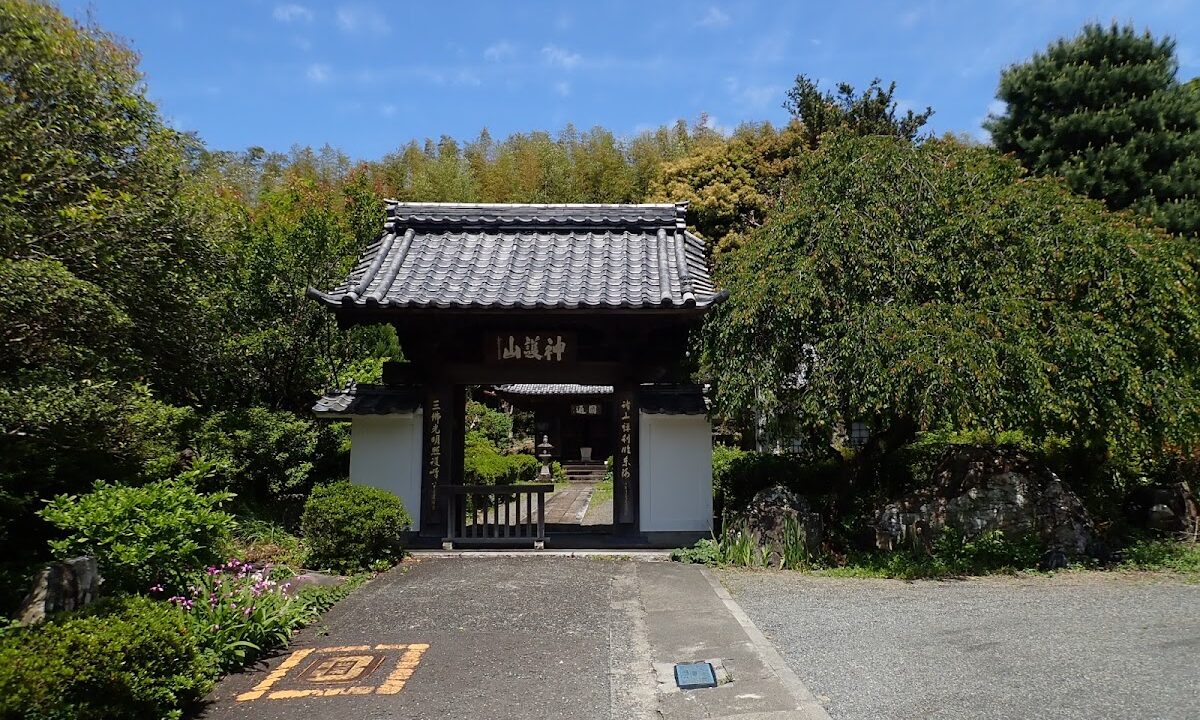
Jingosan Shogenji Temple (Historical Site: Ankokuji Temple Ruins) Complete Guide: History, Highlights, and Access Information
Located in Shimizu Ward, Shizuoka City, Jingosan Shogenji Temple, officially known as “Jingosan Shogen Ankoku Zenji,” is a Rinzai Zen temple of the Myoshinji school. This temple is known as the site of Suruga Province Ankokuji Temple, one of the Ankokuji temples established throughout Japan by the Ashikaga brothers, Takauji and Tadayoshi, during the Muromachi period. It still holds significant historical value as a “Historical Site: Ankokuji Temple Ruins.” This article provides a comprehensive explanation of Shogenji Temple, including its detailed history, cultural assets, highlights, and access information.
Overview and Basic Information of Shogenji Temple
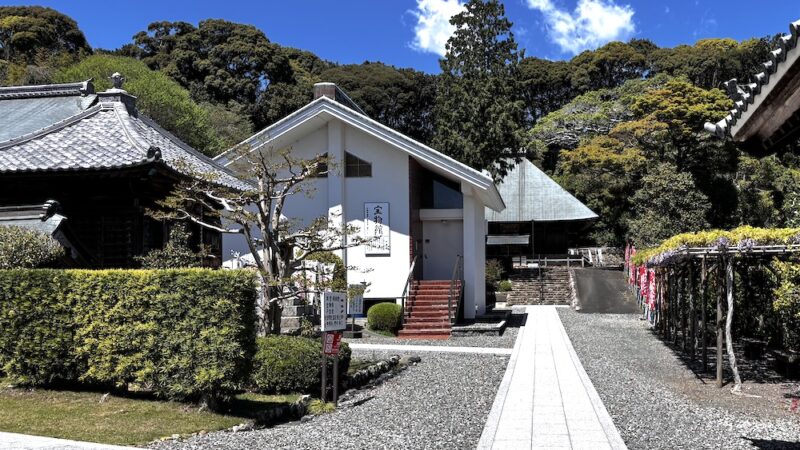
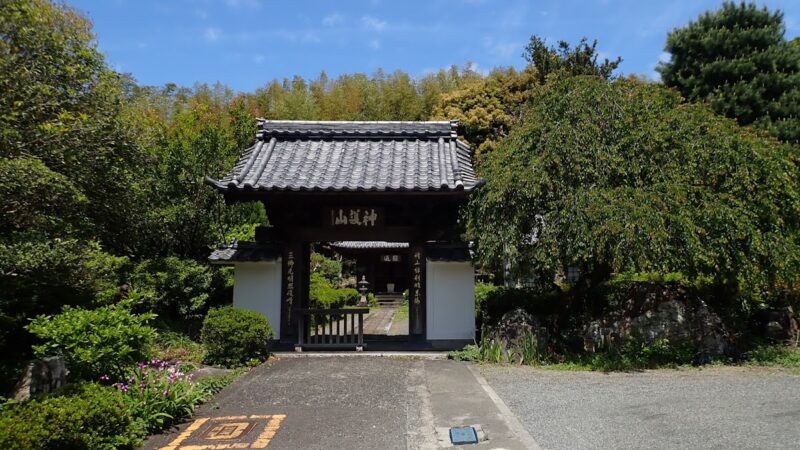
Jingosan Shogenji Temple is a Zen Buddhist temple quietly nestled in a residential area of Shimizu Ward, Shizuoka City. Its mountain name is Jingosan, its temple name is Shogenji, and it belongs to the Myoshinji school of the Rinzai sect. The principal image is Shakyamuni Buddha, and the temple grounds include the main hall, main gate, and living quarters.
The temple’s most distinctive feature is that it is built on the site of Suruga Province Ankoku-ji Temple, one of the Ankoku-ji temples established throughout Japan by Ashikaga Takauji during the Nanboku-cho period. Therefore, it holds historical importance as the “Historical Site of Ankoku-ji Temple,” and is a valuable historical site for understanding religious policy and Buddhist history in medieval Japan.
Basic Temple Data
- Official Name: Jingozan Shogen Ankoku Zenji
- Sect: Rinzai Zen Myoshinji School
- Principal Image: Shakyamuni Buddha
- Founding: According to tradition, 817 (Kōnin 8)
- Founder: According to tradition, Saichō (Dengyō Daishi)
- Location: Shimizu Ward, Shizuoka City
- Designation: Historic Site, Ankoku-ji Temple Ruins
History of Shogen-ji Temple: From Saichō to Ankoku-ji
Founding Legend in the Heian Period
According to oral tradition, the history of Shogen-ji Temple dates back to the early Heian period, specifically 817 (Kōnin 8). It is said that Saichō (Dengyō Daishi), the founder of the Tendai sect, stopped at this location during his pilgrimage to eastern Japan and founded it as a Tendai sect temple. Saichō spread the Tendai sect of Buddhism, primarily through Enryaku-ji Temple on Mount Hiei. He also actively engaged in missionary work in eastern Japan, leaving his mark in Suruga Province during this period.
While there are no clear records of the temple’s initial name or size, it is believed to have been a Tendai sect temple that attracted local faith throughout the Heian period. Temples during this time, supported by aristocrats and local powerful families, played a crucial role in the spread of Buddhist culture to the provinces.
Transition from the Kamakura Period to the Nanboku-chō Period
With the establishment of the samurai government during the Kamakura period, Zen Buddhism became widely accepted among the samurai class. Various Zen sects, such as the Rinzai and Sōtō schools, developed centered in Kamakura and eventually spread to the provinces. While details of the changes Jōgen-ji Temple underwent during this period are unclear, it can be inferred that a certain temple base already existed, which is likely the background to its later designation as an Ankoku-ji temple.
During the turbulent Nanboku-chō period, fierce battles raged throughout Japan, resulting in the loss of many lives. Amidst this turmoil, Ashikaga Takauji, who unified Japan, devised a grand plan with his younger brother, Tadayoshi, to mourn the war dead and pray for the peace and security of the nation.
Plan for the Establishment of Ankoku-ji Temples and Rishō-tō Pagodas
In 1345, the Ashikaga brothers, Takauji and Tadayoshi, obtained an imperial decree from Emperor Kōgon and put into action a plan to establish Ankoku-ji temples and Rishō-tō pagodas in 66 provinces and 2 islands (Iki and Tsushima) throughout Japan. This plan was recommended by Musō Soseki, a high-ranking priest of the Rinzai sect, and was modeled after the history of Emperor Shōmu’s establishment of provincial temples and nunneries throughout the country during the Nara period.
The “Ankoku” in Ankoku-ji temples embodies the wish for peace and security of the nation, and also aimed to comfort the souls of Emperor Go-Daigo and other Southern Court soldiers who perished in the Nanboku-chō War. This religious policy was not merely a matter of memorial services; it also served to demonstrate the legitimacy of the Ashikaga shogunate and as a symbol of its nationwide rule.
Jōgen-ji Temple as Ankoku-ji Temple in Suruga Province
In Suruga Province, an existing temple located on the site of the present-day Jōgen-ji Temple was designated as an Ankoku-ji Temple. It is believed that its sect was changed from Tendai Buddhism to Rinzai Zen Buddhism, thus establishing its form as a Zen temple. Ankoku-ji Temple was granted a certain amount of land by the shogunate and, with the support of local samurai and influential figures, functioned as an important Zen temple in Suruga Province.
Throughout the Muromachi period, Ankoku-ji Temple served as a regional base for Rinzai Zen Buddhism, functioning as both a training ground for Zen and a center of regional culture and education. Zen culture, including the creation of Chinese poetry and prose by Zen monks, exemplified by Gozan literature, and ink painting, spread throughout the country through these regional Zen temples.
From the Sengoku Period to the Edo Period
During the Sengoku period (Warring States period), Suruga Province was under the control of the Imagawa clan, and later the Takeda and Tokugawa clans ruled it. During this turbulent era, many temples were caught in the crossfire or declined, and it is presumed that Jōgenji Temple was no exception. Although its status as an Ankokuji temple was maintained, its influence may have declined compared to its heyday.
In the Edo period, under the religious policies of the Tokugawa shogunate, the temple system was reformed, and Jōgenji Temple was reorganized as a branch temple of the Myōshinji branch of the Rinzai school of Zen Buddhism. During this period, temples became deeply rooted in local communities based on the danka system (parishioner system), supporting people’s religious lives through funerals and annual events.
Jōgenji Temple in the Modern Era
The storm of anti-Buddhist movement after the Meiji Restoration dealt a blow to many temples, but Jōgenji Temple survived, supported by local faith. In the Meiji era, its historical value as the “Historical Site of Ankokuji Temple” was recognized, and it became a protected cultural property of the region.
From the Showa and Heisei eras to the present day, Shōgenji Temple has continued to uphold the traditions of the Myōshinji branch of the Rinzai school of Zen Buddhism. The temple grounds are well-maintained, and it quietly continues to fulfill its role as a place of worship for local residents and as a historical site that conveys history.
Historical Significance of the Ankokuji Rishōtō System
To understand Shōgenji Temple, it is important to know the historical background and significance of the Ankokuji Rishōtō system itself.
Background and Purpose of the System
The Nanboku-chō period, following the collapse of Emperor Go-Daigo’s Kenmu Restoration, was a time of conflict between the Northern Court led by Ashikaga Takauji and the Southern Court of Emperor Go-Daigo, resulting in approximately 60 years of warfare throughout the country. This conflict claimed the lives of not only samurai but also many common people, exhausting society.
Ashikaga Takauji needed to establish the legitimacy of his rule not only through military unification but also through religious authority. Therefore, with the advice of Musō Soseki, the foremost Zen monk of the time, a plan for a nationwide memorial service project was conceived. This was the plan for the establishment of the Ankoku-ji Rishōtō (Ankoku Temple and Rishō Pagoda).
Similarities to Emperor Shōmu’s Kokubunji System
The Ankoku-ji Rishōtō system was clearly inspired by the Kokubunji and Kokubun-niji system implemented by Emperor Shōmu during the Nara period. In 741 AD, Emperor Shōmu issued an edict ordering the construction of Kokubunji and Kokubun-niji temples in all 68 provinces, aiming to ensure national stability through the power of Buddhism.
Ashikaga Takauji sought to demonstrate that his regime was a legitimate successor to Emperor Shōmu’s tradition by emulating this historical example. Furthermore, he attempted to stabilize the hearts of the people, devastated by war, and establish a new order by utilizing the Buddhist concept of protecting the nation.
Nationwide Expansion
In 1345, by imperial decree of Emperor Kōgon, Ankoku-ji temples and Rishō-tō pagodas were established in 66 provinces throughout Japan and on the two islands of Iki and Tsushima. In each province, existing influential temples were sometimes designated as Ankoku-ji, while new ones were constructed. Rishō-tō pagodas were often erected within or near the grounds of Ankoku-ji temples.
Ankoku-ji temples housed memorial tablets for war dead, and regular memorial services were held. Furthermore, they were granted a certain amount of land by the shogunate, establishing an economic foundation. As a result, Ankoku-ji temples played a religiously and culturally important role as central temples of the Rinzai sect in each region.
Local Spread of Zen Culture
The Ankoku-ji system ultimately had the effect of spreading Zen culture throughout the country. Until then, Rinzai Zen temples had been concentrated in urban areas such as Kyoto and Kamakura. However, with the systematic establishment of temples in rural areas, Zen thought and culture spread to the local samurai class and common people.
Zen temples engaged in various cultural activities, including not only Zen meditation but also the study of Chinese poetry and prose, calligraphy and painting, and the tea ceremony. This Zen culture had a significant influence on the formation of culture during the Muromachi period, forming the foundation of later Japanese culture.
Jōgenji Temple Grounds and Cultural Properties
Layout of the Temple Grounds
Jōgenji Temple’s grounds have a typical Zen temple layout. Upon passing through the main gate, the main hall is located directly ahead, surrounded by buildings such as the kitchen and abbot’s quarters. The grounds are meticulously maintained, creating a simple and tranquil atmosphere characteristic of a Zen temple.
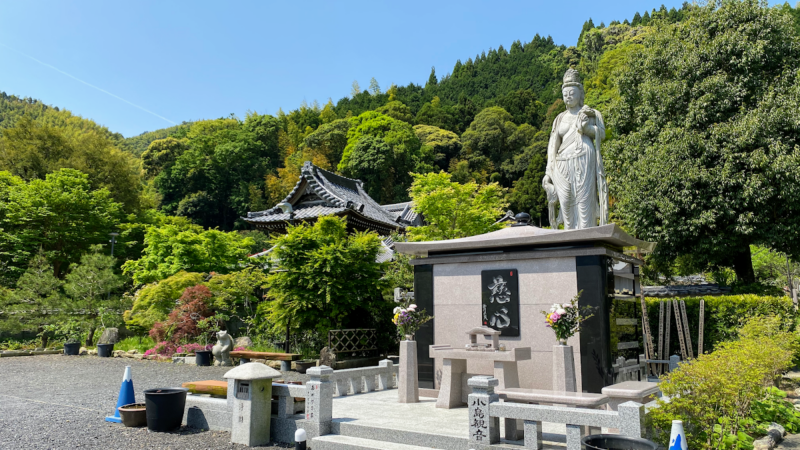
Within the grounds, there are stone monuments and explanatory plaques marking the site of Ankokuji Temple, conveying the historical significance of this temple to visitors. Furthermore, ancient trees and stone Buddha statues are placed throughout the grounds, giving the temple a sense of its long history and dignity.
Main Hall and Principal Image
The main hall houses the principal image, a statue of Shakyamuni Buddha. In Zen Buddhist temples, it is common to have Shakyamuni Buddha as the principal image; this stems from the fact that Zen Buddhism aims to directly attain the state of enlightenment attained by Shakyamuni Buddha.
The architectural style of the main hall incorporates elements of Zen Buddhist style (Tang style), resulting in a simple yet dignified structure. Inside, memorial tablets of successive chief priests and offerings from parishioners are enshrined.
Value as a Historical Site
The greatest cultural value of Shōgenji Temple lies in the historical site itself: the ruins of Ankokuji Temple in Suruga Province. Many Ankokuji temples established throughout Japan were lost due to the fires of war during the Sengoku period or the anti-Buddhist movement after the Meiji Restoration, or their whereabouts became unknown.
Shōgenji Temple is a rare example of a temple still standing on the site of Ankokuji Temple, and is positioned as an important historical site that concretely illustrates medieval religious policy and Buddhist history. Due to its historical value, it has been designated a local cultural property as the “Historic Site of Ankokuji Temple.”
Seasonal Highlights
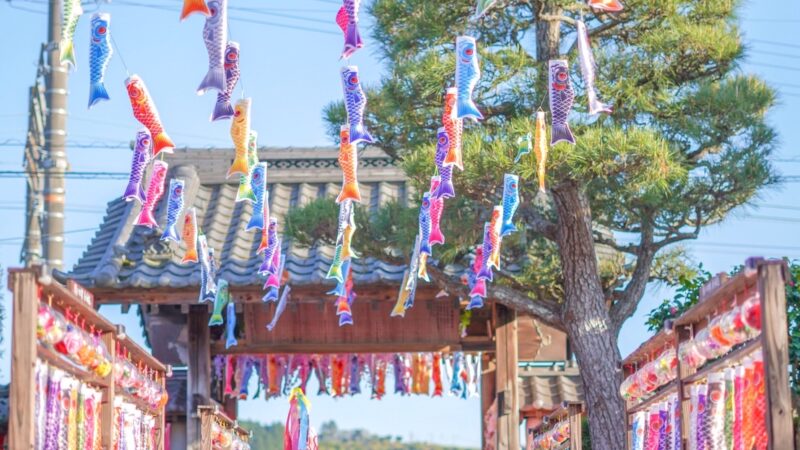
The grounds of Shōgenji Temple offer the beauty of nature throughout the four seasons. In spring, cherry blossoms bloom, coloring the grounds. In early summer, the fresh greenery is beautiful, and in autumn, the autumn leaves color the grounds. In winter, you can experience the atmosphere of a Zen temple standing amidst a snowy landscape.
In particular, by sitting in Zen meditation in the quiet grounds or gazing at the garden, you can spend a tranquil time away from the hustle and bustle of everyday life. It is a space where you can feel the spirituality unique to Zen temples.
The Relationship Between Suruga Province and Ashikaga Takauji
The important position that Suruga Province held in the Ankokuji system is rooted in the historical relationship between this region and the Ashikaga clan.
Strategic Importance of Suruga Province
Suruga Province was strategically located at a key point on the Tokaido road, serving as a vital transportation hub connecting Kyoto and the eastern provinces. It was also a center of religious worship, encompassing Mount Fuji, making it a religiously significant region. For Ashikaga Takauji, as he expanded his rule across Japan, Suruga Province was strategically crucial.
During the turbulent Nanboku-cho period, fierce battles were fought in Suruga Province. Establishing Ankoku-ji Temple in this area served not only as a memorial for those who died in battle, but also had political significance in solidifying the Ashikaga regime’s control.
The Role of Ankoku-ji Temple in the Local Community
Shōgen-ji Temple, the Ankoku-ji Temple of Suruga Province, was more than just a religious institution; it played diverse roles in the local community. It served as an object of faith for the samurai class, while also functioning as a center of culture and education.
The Zen monks possessed knowledge of Chinese classics and played intellectual roles, such as drafting diplomatic documents and transmitting cultural knowledge. The social functions of these temples contributed to the stability and cultural development of local communities from the Muromachi period to the Sengoku period.
Comparison with Ankoku-ji Temples Nationwide
Comparing Jogen-ji Temple with other Ankoku-ji temples throughout Japan is also beneficial for understanding Jogen-ji Temple.
Major Existing Ankoku-ji Temples
Of the Ankoku-ji temples established throughout Japan, several still exist as temples today, preserving their history.
Ankoku-ji Temple in Toyooka City, Hyogo Prefecture has Mount Taihei as its mountain name and belongs to the Rinzai sect, Daitoku-ji branch. Known for its autumn foliage of Enkianthus perulatus, it holds an important position as an Ankoku-ji temple in Tajima Province.
Ankoku-ji Temple in Ayabe City, Kyoto Prefecture has Mount Keitoku as its mountain name and belongs to the Rinzai sect, Tofuku-ji branch. Originally founded as Kofuku-ji Temple, it became the family temple of the Uesugi clan before being designated an Ankoku-ji temple.
Ankoku-ji Temple in Takayama City, Gifu Prefecture was founded in 1347 (Jowa 3) as the Ankoku-ji Temple of Hida Province, changing its name from Shorin-ji Temple.
These Ankoku-ji Temples have each fostered their own unique history and culture in their respective regions, but they share a common historical background: the Ankoku-ji Temple system established by Ashikaga Takauji. They are valuable historical sites that convey the religious policies of medieval Japan.
Characteristics of Shogen-ji Temple
A distinctive feature of Shogen-ji Temple, the Ankoku-ji Temple of Suruga Province, is its founding tradition attributed to Saicho. While many Ankoku-ji Temples were designated as existing temples, Shogen-ji Temple is said to have a long history dating back to the early Heian period.
Furthermore, it is also distinctive for belonging to the Myoshin-ji branch of the Rinzai school of Zen Buddhism. Ankoku-ji Temples belonged to various branches of the Rinzai school, developing uniquely within their relationships with their respective head temples. Shogen-ji Temple, as a temple of the Myoshin-ji branch, has followed a historical path since the Edo period.
Access and Visiting Information for Shogenji Temple
Location and Transportation Access
Shogenji Temple is located in Shimizu Ward, Shizuoka City. If using public transportation, the nearest stations are Shimizu Station on the JR Tokaido Main Line or Shin-Shimizu Station on the Shizuoka Railway. From the station, you will need to take a bus or taxi.
If accessing by car, take the Shimizu Interchange or Shizuoka Interchange on the Tomei Expressway and then take local roads. Parking may be available on the temple grounds or nearby, but it is recommended to check in advance.
Precautions for Visiting
Shogenji Temple is a temple that still conducts religious activities, so please note the following points when visiting:
- Visiting Hours: While general temple visiting hours are during the day, visits may be restricted if religious services or events are being held.
- Admission Fee: Visiting the temple grounds is usually free, but there may be a fee for viewing special cultural properties.
- Manners: Please visit quietly and refrain from smoking or eating on the temple grounds. Photography is permitted only in designated areas. – Dress Code: While there are no strict dress code regulations, please dress appropriately and respectfully for a temple.
Nearby Tourist Attractions
Shimizu Ward offers many tourist attractions besides Jogenji Temple. There are numerous coastal attractions such as Shimizu Port, S-Pulse Dream Plaza, and Miho no Matsubara. Furthermore, Shizuoka city center boasts historical sites like Kunozan Toshogu Shrine, which can be visited in conjunction with a visit to Jogenji Temple.
Learning about Japanese History and Culture at Jogenji Temple
Understanding Medieval Buddhist History
Visiting Jogenji Temple is not simply a tour of a temple; it provides a concrete opportunity to learn about the history of medieval Japanese Buddhism. Through this single temple, you can understand the transition from the Tendai sect of the Heian period to the Rinzai sect of the Kamakura and Muromachi periods, and the example of the Ankokuji system, a national religious policy.
The Relationship Between the Samurai Government and Buddhism
The Ankokuji Rishōtō system established by Ashikaga Takauji is a prime example of how the samurai government utilized Buddhism and how Buddhism influenced samurai society. It allows for the consideration of important themes relevant even today, such as the relationship between politics and religion, and the role of religion in establishing the legitimacy of power.
Discovering Local History
Shōgenji Temple is a historical site that concretely illustrates the history of Suruga Province. Understanding the role a region played within the national historical flow and the unique history it cultivated is crucial for deepening our understanding of Japanese history.
Experiencing Zen Culture
At Shōgenji Temple, a Rinzai Zen temple, you can experience the spirituality of Zen. The simple and tranquil atmosphere of the temple grounds, the orderly gardens, and the opportunity to experience Zen meditation (if possible) allow you to directly experience Zen culture and feel the profound influence of Zen on Japanese culture.
Future Preservation and Utilization of Shōgenji Temple
Preservation as a Cultural Property
Shōgenji Temple, possessing historical value as the “Historic Site of Ankokuji Temple,” requires appropriate preservation and management. Continuous efforts are needed, including the maintenance and repair of buildings, preservation of the temple grounds, and organization and preservation of historical materials.
It is crucial that the local community, government, and experts cooperate to pass on this valuable historical site to future generations. Support from the national and local governments is also expected from the perspective of cultural property protection.
Utilization as a Tourism Resource
Shōgenji Temple is also an important historical tourism resource for Shimizu Ward and Shizuoka City. By appropriately disseminating information and developing a welcoming system, its value can be made known to more people.
By enhancing information provision to tourists through the creation of historical explanation pamphlets, the installation of multilingual signage, and the implementation of guided tours, understanding of the region’s history and culture can be deepened.
Utilization in Education
Shōgenji Temple can also be used as teaching material for local history studies in local schools. Visiting historical sites and learning about local history can foster a sense of attachment to their hometown and an interest in history among children and students.
Collaboration with universities and research institutions is also important for advancing academic research. The discovery of new historical materials and archaeological investigations could further shed light on the history of Shōgenji Temple.
Continuation as a Religious Facility
The most important thing is that Shōgenji Temple continues to function as an active religious facility. Continuing to fulfill its original role as a place of worship for local residents and as a Zen training ground is essential for maintaining its authenticity as a historical site.
It is hoped that the temple will maintain its connection with the local community and pass on Buddhist culture to the present day through religious activities such as regular memorial services, Zen meditation sessions, and Buddhist lectures.
Summary: The Weight of History Conveyed by Shōgenji Temple
Jingozan Shōgenji Temple is an ancient temple with a history of over 1200 years, from its founding legend in the Heian period to its designation as an Ankoku-ji temple in the Muromachi period, and continuing to the present day. In particular, its greatest feature is its historical value as the site of the Ankoku-ji Temple in Suruga Province, serving as an example of Ashikaga Takauji’s important religious policy in medieval Japan: the Ankoku-ji Temple and Rishōtō Pagoda system.
Standing within the temple grounds, one can feel the weight of history, including the turmoil of the Northern and Southern Courts period, memorial services for those who died in battle, and the spread of Zen Buddhism to the provinces. Furthermore, as a temple of the Myoshin-ji branch of the Rinzai school, Shōgen-ji Temple continues to uphold its religious traditions, serving as a living witness connecting the past and the present.
If you have the opportunity to visit Shimizu Ward in Shizuoka City, please do visit Shōgen-ji Temple and listen to the history and culture of Japan that this tranquil Zen temple speaks of. As a historical site of the Ankoku-ji Temple and a place of worship for the community, Shōgen-ji Temple continues to fulfill its role to this day.