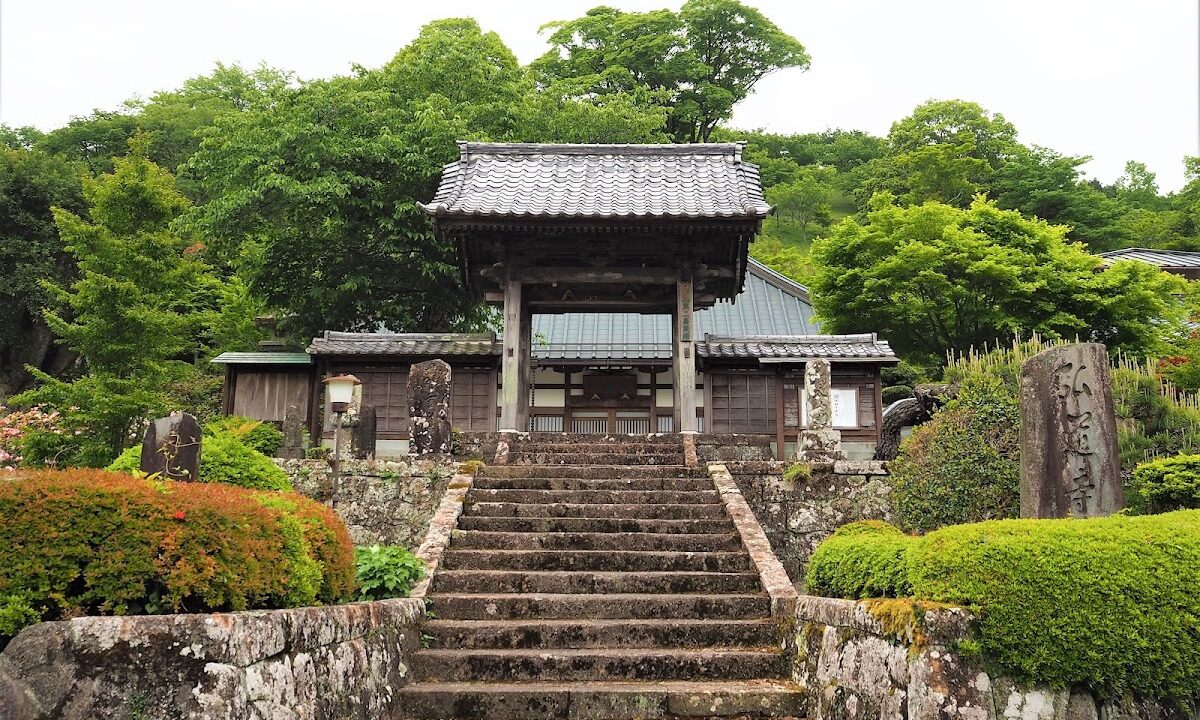
Complete Guide to Kodoji Temple (Izu City, Shizuoka Prefecture) | The History of Harris’s Stay and the Seven Lucky Gods Pilgrimage
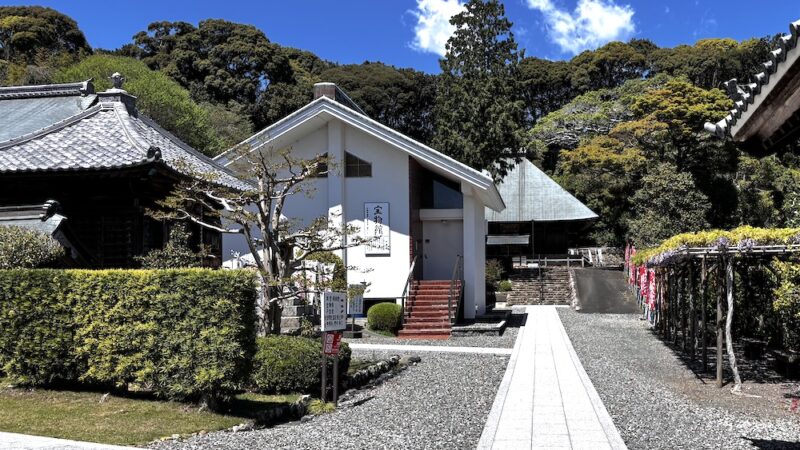
Located in Yugashima, Izu City, Shizuoka Prefecture, Kodoji Temple is an ancient Soto Zen temple deeply connected to the history of the late Edo period. It is known as the temple where Townsend Harris, the first U.S. Consul General, stayed, and valuable artifacts from that time are still preserved there. Furthermore, it enshrines Fukurokuju, one of the Seven Lucky Gods of Izu Amagi, and is the second temple on the Izu Eighty-Eight Sacred Sites pilgrimage, attracting many worshippers.
History and Origins of Kodoji Temple
From Founding to the Present
Kodoji Temple is said to have originated as “Fukuju-an” during the Muromachi period. Later, it was renamed “Kodoji” by Shozan Seishin, the 7th abbot of Keishoin Temple. The temple’s mountain name is “Amagi-san,” and it houses a standing statue of the Holy Kannon Bodhisattva, said to have been created by Gyoki, as its principal image.
As a Soto Zen temple, Kodo-ji has a long history as a center of local faith, spanning from the Edo period through the Showa, Heisei, and Reiwa eras, serving as a spiritual haven for the people of Amagi.
Historical Significance of Harris’s Delegation’s Stay
The main reason Kodo-ji became nationally known is a historical event that occurred in 1857. Townsend Harris, the first U.S. Consul General stationed in Shimoda, stayed overnight at Kodo-ji on his way to Edo to conclude the Treaty of Amity and Commerce between Japan and the United States.
Harris’s delegation consisted of 36 people in total, and together with his entourage, including interpreter Heusken, they spent the night at this temple in the mountains of Amagi. At the time, it was extremely unusual for foreigners to stay at a Japanese temple, and this event is a significant chapter in the history of U.S.-Japan relations during the late Edo period.
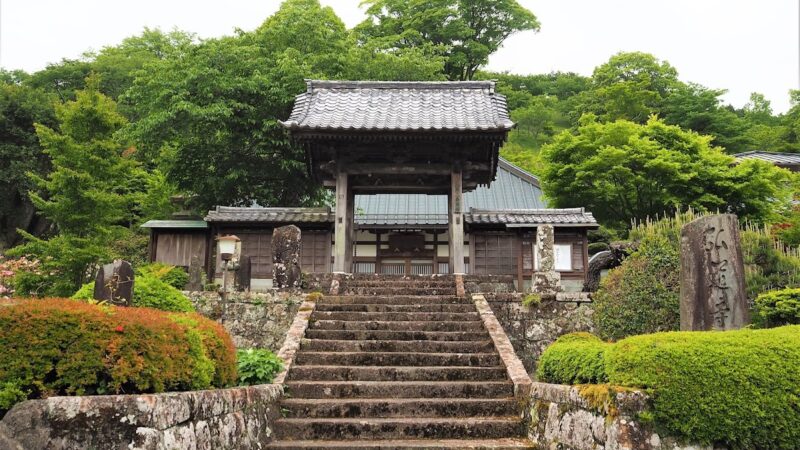
A sign reading “American Envoy Stayed” is displayed at the temple gate, commemorating this historical event. This sign, the original from that time, is a valuable cultural asset of Kodo-ji Temple.
Highlights and Cultural Assets of Kodo-ji Temple
Harris-Related Artifacts
The main hall of Kodo-ji Temple displays valuable items used by Harris and his delegation during their stay.
Folding Chair
The most famous artifact is a folding chair believed to have been used by Harris. This chair, unusual for Western-style furniture of the time, is preserved as a valuable historical document illustrating international exchange during the late Edo period. Seeing the actual chair allows one to truly appreciate the environment in which diplomatic envoys traveled at that time.
Furnishings and Nameplate
In addition, furnishings used by Harris and his party are preserved, and together with the “American Mission Lodging” nameplate at the temple gate, they are important historical materials that convey the history of the late Edo period. These relics are attracting attention from researchers and history enthusiasts as valuable materials for understanding the dawn of U.S.-Japan relations.
Main Image: Standing Statue of the Holy Kannon Bodhisattva
The main image of Kodo-ji Temple is a standing statue of the Holy Kannon Bodhisattva, said to have been created by Gyoki Bodhisattva. Kannon Bodhisattva has long been revered as a symbol of compassion. This Buddha statue, enshrined in the main hall, provides visitors with a tranquil atmosphere and peace of mind.
Fukurokuju and the Seven Lucky Gods of Izu Amagi
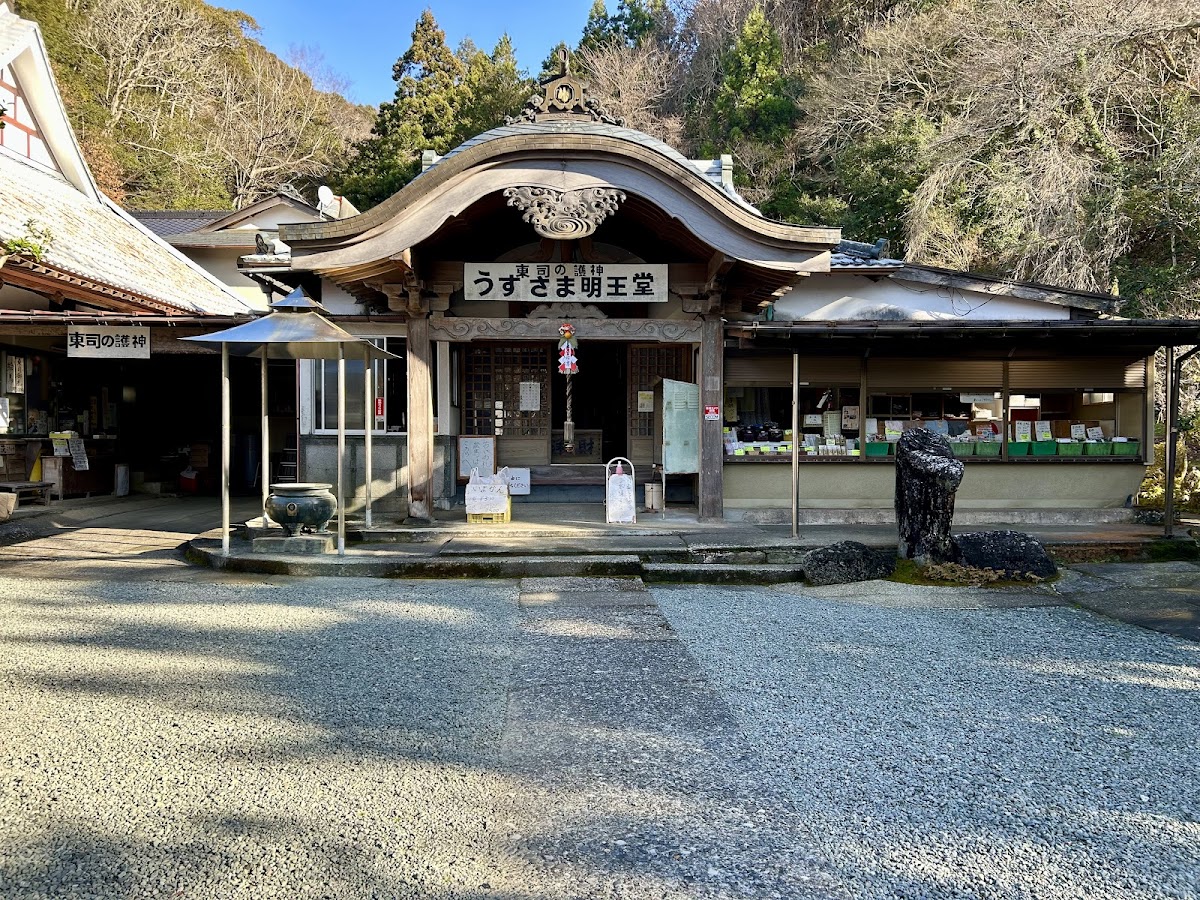
Kodo-ji Temple, as a temple that enshrines Fukurokuju, is counted as one of the Seven Lucky Gods of Izu Amagi pilgrimage sites. Fukurokuju is worshipped as a god who bestows the three virtues of happiness (Fuku), prosperity (Roku), and longevity (Ju), and is depicted with a distinctive long head and beard.
The Izu Amagi Seven Lucky Gods Pilgrimage is a popular pilgrimage route visiting temples in the Amagi region, attracting many worshippers seeking good fortune. Kodo-ji Temple, in particular, holds significant historical value and serves as an important base for the Seven Lucky Gods pilgrimage.
Izu Eighty-Eight Sacred Sites, Temple No. 2
Kodo-ji Temple is also known as the second temple on the Izu Eighty-Eight Sacred Sites pilgrimage. Modeled after the Shikoku Eighty-Eight Sacred Sites pilgrimage, the Izu pilgrimage is deeply rooted in the region’s religious culture, and worshippers visit throughout the year.
As the second temple, it is often visited early in the pilgrimage, and holds significant meaning as a place to renew one’s resolve for the long pilgrimage ahead.
Goshuin (Temple Seal) Information
Goshuin of Kodo-ji Temple
Kodo-ji Temple offers goshuin to visitors. The goshuin features calligraphy such as “Holy Kannon Bodhisattva” and “Izu Eighty-Eight Temples, No. 2,” along with the temple’s seal.
A separate goshuin is available for the Izu Amagi Seven Lucky Gods pilgrimage, featuring Fukurokuju. Bringing a special shikishi (decorative paper) or goshuincho (stamp book) for the Seven Lucky Gods pilgrimage will allow you to create a more complete record of your pilgrimage.
Goshuin Reception Hours
Goshuin are generally available during daytime visiting hours. However, since the head priest may be absent or unable to provide service due to religious services, it is recommended to call ahead to confirm if you wish to receive a goshuin.
Annual Events and Festivals
Amagi Summer Festival
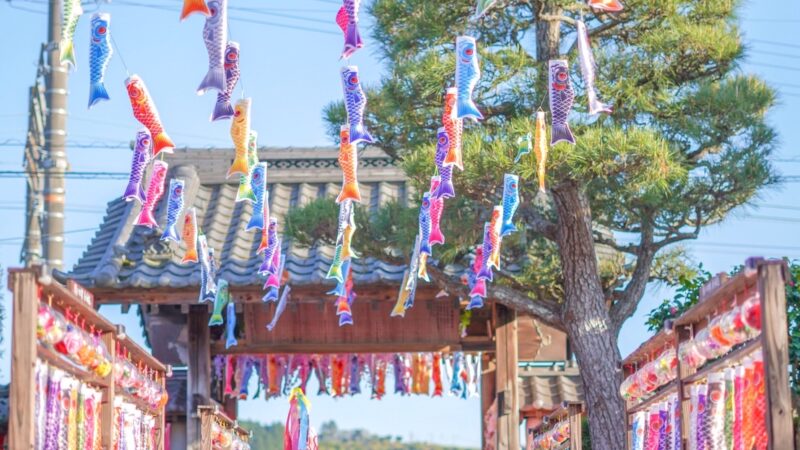
The Amagi Summer Festival is held annually around August 10th at the square in front of Kodoji Temple. This festival is a beloved summer tradition in the region, attracting local residents and tourists alike, with lively Bon Odori dances and food stalls.
Held within the temple grounds surrounded by Amagi’s natural beauty, this summer festival offers a rare opportunity to escape the hustle and bustle of the city and experience the tranquil atmosphere of a mountain village. It’s a great time to visit during a summer trip to Izu.
Seven Lucky Gods Pilgrimage Events
Events related to the Izu Amagi Seven Lucky Gods pilgrimage are sometimes held during the New Year and at specific times. Tours visiting multiple temples are also organized, contributing to the promotion of local tourism.
Basic Information and Access
Location and Contact Information
Address
296 Yugashima, Izu City, Shizuoka Prefecture 410-3206
Sect
Soto Zen
Principal Image
Standing Statue of Kannon Bodhisattva (attributed to Gyoki)
Mountain Name
Amagi-san
Pilgrimage Site
- 2nd Temple of the Izu Eighty-Eight Sacred Sites
- Izu Amagi Seven Lucky Gods (Fukurokuju)
Access by Car
Using the Tomei Expressway
Approximately 50km from Numazu IC on the Tomei Expressway, about 1 hour and 10 minutes by car.
Route Details
Numazu IC → National Route 136 → Izu Chuo Expressway (Shuzenji Road) → National Route 414 (Amagi North Road) → Kodoji Temple
National Route 414 is a scenic route along the Kano River, passing over the Amagi Pass. Kodoji Temple is located slightly off the national highway when passing through the Yugashima Onsen hot spring resort area. There are signs, so using them as a landmark should make it easy to find.
Parking
There is parking space for visitors on the temple grounds. However, spaces are limited, so caution is advised during long holidays and festivals.
Access by Public Transportation
By Train and Bus
From Shuzenji Station on the Izuhakone Railway, take the Tokai Bus bound for Yugashima Onsen (approximately 35 minutes). Get off at the Yugashima Onsen bus stop and walk for approximately 5 minutes.
Bus Frequency
Tokai Bus operates approximately 1-2 buses per hour, so it’s recommended to check the timetable in advance. Knowing the return bus schedule in particular will allow you to enjoy your sightseeing smoothly.
Opening Hours and Admission Fee
Visiting Hours
Generally, visits are possible during the daytime (around 9:00 AM to 5:00 PM), but as it is a temple, there are no clearly defined opening hours. It’s best to avoid visiting early in the morning or after sunset.
Admission Fee
Entry to the temple grounds is free. To view the main hall, you need to speak to the head priest and obtain permission.
Holidays
Generally, it is open year-round, but there may be times when it is closed due to religious services or the head priest’s schedule.
Nearby Tourist Attractions
Yugashima Onsen
Yugashima, where Kodo-ji Temple is located, is a hot spring resort town in the Amagi Onsenkyo area. Inns and guesthouses are scattered along the clear waters of the Kano River, allowing you to enjoy the tranquil atmosphere of a mountain village.
Known as the setting for Yasunari Kawabata’s novel “The Izu Dancer,” it attracts many tourists who enjoy literary walks. After visiting Kodoji Temple, relaxing in the hot springs is highly recommended.
Joren Falls
Located about 10 minutes by car from Kodoji Temple, Joren Falls is a famous waterfall selected as one of Japan’s Top 100 Waterfalls. The waterfall, cascading down from a height of 25 meters, is breathtaking, and you can enjoy the natural beauty while strolling along the surrounding walking paths.
This waterfall, which also appears in “The Izu Dancer,” is a popular and classic tourist spot in Izu.
Amagi Mountain Tunnel (Former Amagi Tunnel)
The Amagi Mountain Tunnel, designated as a National Important Cultural Property, is a stone tunnel completed in 1905 (Meiji 38). At 446 meters long, it is known as the longest existing stone road tunnel in Japan.
This historical building, which appears in many literary works such as “The Izu Dancer” and Seicho Matsumoto’s “Amagi-goe,” is located about 20 minutes by car from Kodoji Temple.
Shuzenji Onsen
Shuzenji Onsen, one of the leading hot spring resorts on the Izu Peninsula, is located about 30 minutes by car from Kodoji Temple. It’s a charming hot spring town centered around Shuzenji Temple, with plenty of attractions including a bamboo grove path and Tokko-no-yu hot spring.
Visiting both Kodoji Temple and Shuzenji Onsen allows you to fully enjoy the history and hot spring culture of Izu.
Points to Note When Visiting Kodoji Temple
Etiquette for Visiting the Temple
Kodoji Temple is an active temple and the residence of the head priest. Please observe the following etiquette when visiting.
- Please behave quietly within the temple grounds.
- Please obtain permission from the head priest before visiting the main hall.
- Please take all your trash with you.
- Please park only in designated areas.
Recommended Time to Visit
Spring (March-May)
This is the season of fresh greenery, and the nature of Amagi is at its most beautiful. The weather is mild, making it ideal for visiting.
Summer (June-August)
Visiting in August to coincide with the Amagi Summer Festival is recommended. It’s also a comfortable summer retreat.
Autumn (September-November)
During the autumn foliage season, the Amagi mountains are ablaze with color, offering spectacular views. The best time to visit is especially from late October to early November.
Winter (December-February)
This is a time when there are fewer tourists, allowing for a peaceful visit. However, since Amagi is at a high altitude, cold weather precautions are necessary.
Estimated Time Required
If you are only visiting Kodoji Temple, it will take about 30 minutes. If you wish to carefully examine the artifacts related to Townsend Harris, allow about an hour. If you are visiting as part of a pilgrimage to the Seven Lucky Gods or the Izu Eighty-Eight Sacred Sites, be sure to factor in travel time to other temples when planning your schedule.
Summary of Kodoji Temple’s Charms
Located in Yugashima, Izu City, Shizuoka Prefecture, Kodoji Temple is a historical temple that played an important role in the history of U.S.-Japan relations during the late Edo period. Artifacts from Townsend Harris’s stay are preserved there, conveying the state of international exchange at that time.
At the same time, it plays an important role as a place of worship, enshrining Fukurokuju, one of the Seven Lucky Gods of Izu Amagi, and as the second temple on the Izu Eighty-Eight Sacred Sites pilgrimage. It is a valuable spot where you can experience history and faith in a quiet environment surrounded by the rich nature of Amagi.
By visiting Kodoji Temple in conjunction with other nearby tourist attractions such as Yugashima Onsen, Joren Falls, and Amagi Mountain Tunnel, you can enjoy the history, culture, and nature of Izu in a comprehensive way. When you travel to Izu, why not make a point of visiting Kodoji Temple?