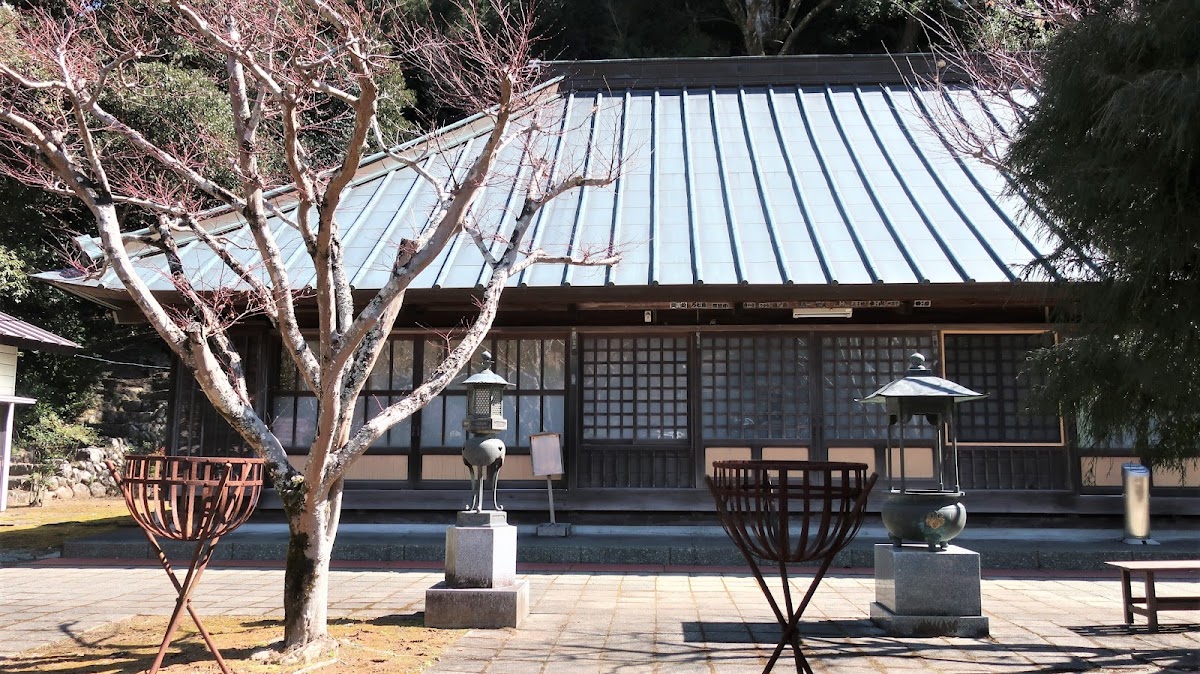
Reishoin Temple (Izu City, Shizuoka Prefecture) Complete Guide: History, Goshuin (Temple Seal), and Access Information for the First Temple of the Izu Eighty-Eight Sacred Sites
Located in Tazawa, Izu City, Shizuoka Prefecture, Reishoin Temple is a Soto Zen Buddhist temple that has long been cherished by many pilgrims as the founding temple and first temple of the Izu Eighty-Eight Sacred Sites. Situated in the tranquil environment of central Izu, this ancient temple, with a history of over 1200 years, is easily accessible from the Shuzenji Onsen area and is attracting attention as a must-visit spot during Izu sightseeing.
This article comprehensively introduces information you should know before visiting Reishoin Temple, including its detailed history, goshuin information, access methods, and surrounding tourist spots.
About Reishoin Temple: History and Origins
Founding and Historical Background
The official name of Reishoin Temple is “Kanpuzan Reishoin,” and it belongs to the Soto Zen sect. Its founding dates back to the Enryaku era (782-806), giving it a long history dating back to the early Heian period. This era coincided with the reign of Emperor Kanmu, a time when Buddhist culture flourished throughout Japan.
The temple’s mountain name, “Kanpuzan,” is believed to have been chosen to symbolize the rich natural beauty and spiritual power of the region. Located in the central part of the Izu Peninsula, in Naka-Izu, Reishoin has long played an important role as a place of ascetic practice and as a center of faith for the local people.
Principal Image and Beliefs
The principal image of Reishoin is the Holy Kannon Bodhisattva. Kannon Bodhisattva is widely worshipped as a symbol of compassion, known as a Buddha who relieves people’s suffering and grants their wishes. The Holy Kannon Bodhisattva is the basic form of Kannon Bodhisattva, embodying a simple yet profound spirit of compassion.
Furthermore, Reishoin Temple also enshrines Benzaiten, one of the Seven Lucky Gods, and attracts worshippers as the goddess of learning, arts, and wealth. Since Benzaiten is also a goddess of water, it is associated with the abundant water resources of Izu.
Importance as the First Temple of the Izu Eighty-Eight Sacred Sites
What are the Izu Eighty-Eight Sacred Sites?
The Izu Eighty-Eight Sacred Sites (Izu Province Eighty-Eight Sacred Sites) is a pilgrimage route modeled after the Shikoku Eighty-Eight Sacred Sites, visiting 88 temples scattered throughout the Izu Peninsula. Reishoin Temple, as the first temple on this route, holds a very important position as the starting point of the pilgrimage.
Its role as a “Hotsuganji” (temple of initial vows) means that pilgrims make their vows for the pilgrimage and pray for its safe completion. Therefore, many pilgrims first visit Reishoin Temple to pray for safety and success on their long pilgrimage before proceeding to the next temple.
Significance and Characteristics of the Pilgrimage
The Izu 88 Temple Pilgrimage is not merely sightseeing, but a spiritual journey of self-reflection and seeking inner peace. Walking through the beautiful nature of the Izu Peninsula and offering prayers at each temple allows for a quiet escape from the hustle and bustle of everyday life.
In recent years, the “Izu 88 Pilgrimage” has attracted not only locals but also pilgrims from all over Japan. Reishoin Temple, easily accessible from Shuzenji Station, is an ideal starting point for a weekend pilgrimage.
Reishoin Temple Grounds and Highlights
Atmosphere of the Main Hall and Grounds
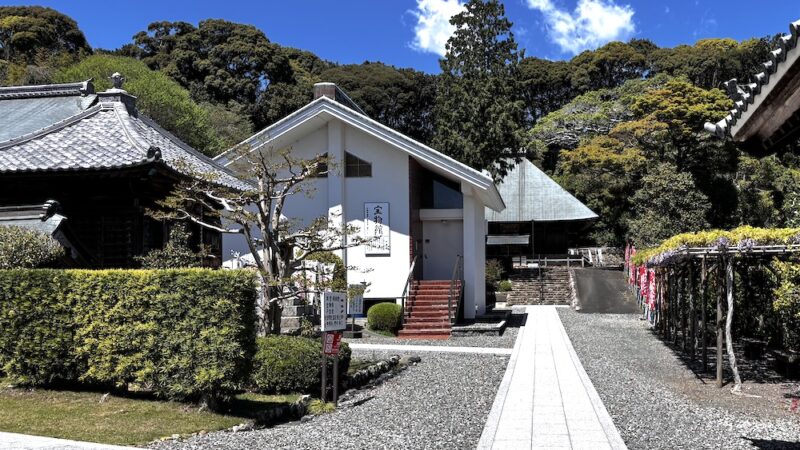
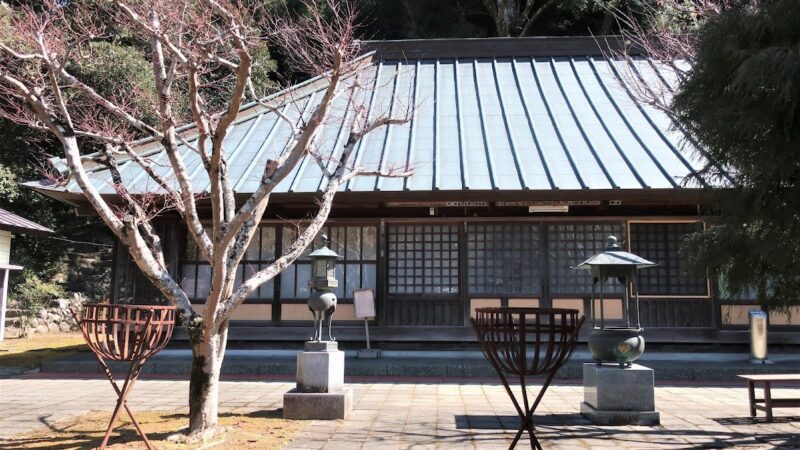
Reishoin Temple grounds are located in a quiet rural area of central Izu, enveloped in a tranquil atmosphere. The main hall, while simple, is majestic in the style of the Soto Zen sect, exuding a sense of long history.
The temple grounds feature plantings that change with the seasons, allowing visitors to enjoy the beauty of nature throughout the year: cherry blossoms in spring, lush greenery in summer, and vibrant autumn leaves. The time spent praying in the tranquil surroundings brings peace of mind to visitors.
Relationship with the Adjacent Shrine
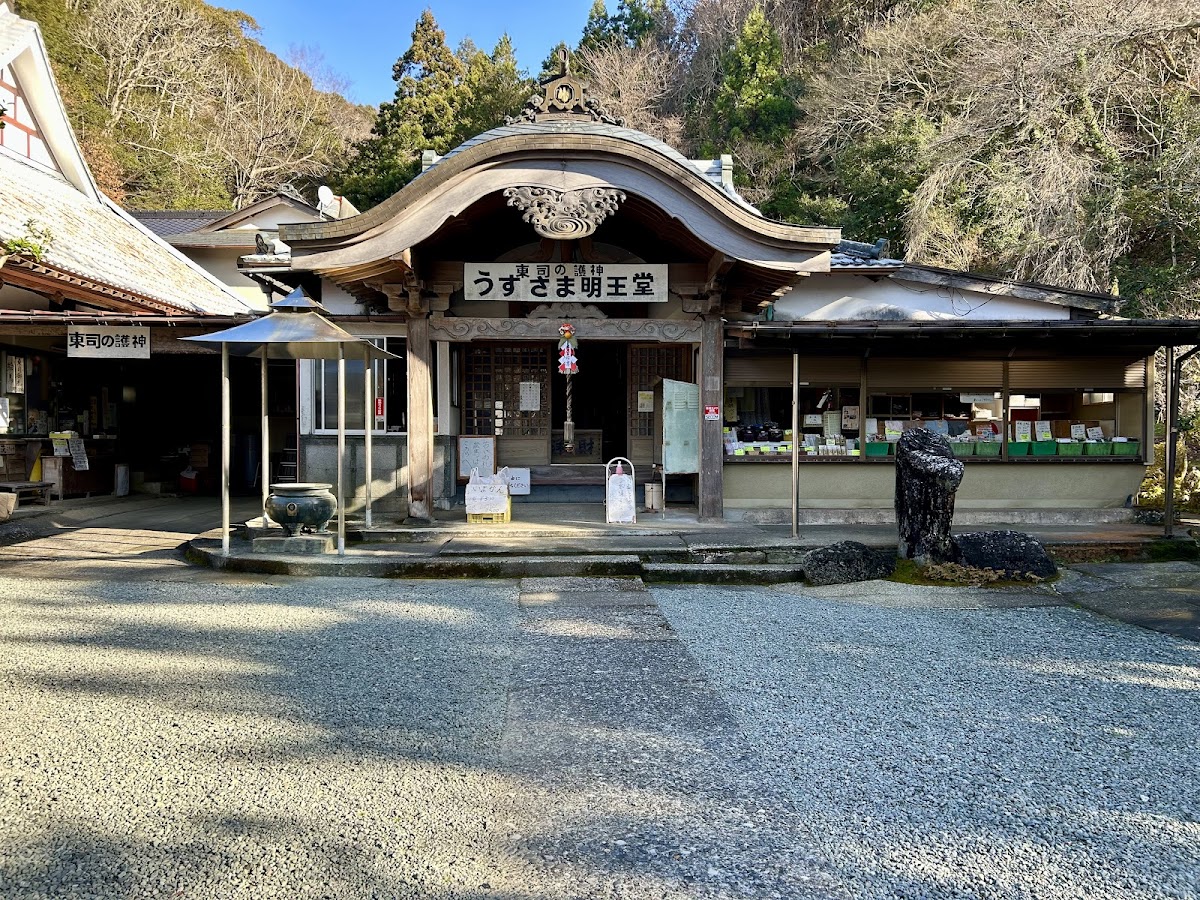
A shrine is located next to Reishoin Temple, a layout that reflects the syncretism of Shinto and Buddhism. Before the Meiji-era separation of Shinto and Buddhism, shrines and temples formed a unified place of worship, a phenomenon evident in this region.
Visiting both will enhance your experience. However, be aware that the surrounding roads have surprisingly heavy traffic, so exercise caution when traveling.
Goshuin (Temple Seal) Information
Reishoin Temple’s Goshuin
At Reishoin Temple, you can receive a Goshuin (temple seal) as the first temple of the Izu Eighty-Eight Sacred Sites Pilgrimage. The Goshuin (temple stamp) features the mountain name “Kanpuzan,” the temple name “Reishoin,” and the name of the principal deity, “Sho Kannon Bosatsu,” written in ink, followed by a red seal.
Due to its special status as the first temple on the pilgrimage, this Goshuin is especially cherished as a record of the pilgrimage. Many pilgrims bring their Goshuincho (stamp books) with them, as it becomes a precious page marking the beginning of their pilgrimage.
Manners for Receiving a Goshuin
A Goshuin is not merely a commemorative stamp, but a sacred item received from the temple as proof of worship. Please observe the following manners when receiving it:
- First, complete your prayers at the main hall before receiving the Goshuin.
- Carefully present your Goshuincho with both hands.
- Prepare your offering (generally around 300-500 yen).
- Wait quietly, and express your gratitude when receiving it.
Especially during pilgrimages, a special Goshuincho called a Nokyocho (pilgrimage stamp book) may be used.
Basic Information about Reishoin Temple
Location and Contact Information
- Location: 129 Tazawa, Izu City, Shizuoka Prefecture 410-3206
- Phone Number: 0558-85-1200
- Sect: Soto Zen
- Mountain Name: Kanpuzan
- Principal Image: Holy Kannon Bodhisattva
- Pilgrimage Site: First of the Izu Eighty-Eight Sacred Sites Pilgrimage
Visiting Hours and Fees
Reishoin Temple is generally open to visitors free of charge. However, if you wish to view the main hall or receive a temple stamp (Goshuin), it is recommended to visit during daytime hours (approximately 9:00 AM to 5:00 PM).
- Admission Fee: Free entry to the temple grounds
- Visiting Hours: Anytime during the day (reasonable hours)
- Goshuin (temple stamp) Reception: Approximately 9:00 AM to 5:00 PM (approximate)
*Please note that the temple may be closed for events or ceremonies. If you wish to be sure to receive a Goshuin, it is recommended to call ahead to confirm.
Access Method
Access by Public Transportation
When visiting Reishoin Temple by public transportation, Shuzenji Station is the nearest train station.
From Shuzenji Station on the Izuhakone Railway:
- Take a Tokai Bus from the Shuzenji Station bus terminal
- Get off at the “Tazawaguchi” bus stop (approximately 20 minutes)
- A few minutes’ walk from the bus stop
Shuzenji Station is the terminal station of the Izuhakone Railway Sunzu Line and is accessible from Mishima Station. From the Tokyo area, it is convenient to take the Tokaido Shinkansen to Mishima Station and transfer to the Izuhakone Railway. Bus schedules vary depending on the time of day, so it’s recommended to check the Tokai Bus timetable in advance. Knowing the return bus schedule in particular will allow for a smoother sightseeing experience.
Access by Car
The temple is accessible by car and is relatively close to the Shuzenji Onsen area.
Travel Time from Major Locations:
- From Shuzenji Onsen Town: Approximately 10-15 minutes
- From Izu City Hall: Approximately 15 minutes
- From Numazu IC: Approximately 40 minutes
- From Shin-Tomei Expressway Nagaizumi-Numazu IC: Approximately 45 minutes
Parking: There is parking space for visitors at the temple, but it is not large, so caution is advised when visiting with multiple vehicles. Also, the surrounding roads are residential streets, so there is surprisingly a lot of traffic. Please be very careful when parking and driving.
Tips for Setting Your Car Navigation System
When searching with your car navigation system, please set the destination to “Reishoin” or the address “129 Tazawa, Izu City, Shizuoka Prefecture”. For phone number searches, enter “0558-85-1200”.
Recommended Tourist Spots Around Reishoin Temple
Shuzenji Temple
If you visit Reishoin Temple, you should definitely extend your trip to Shuzenji Temple. Located in the heart of the Shuzenji Onsen hot spring town, Shuzenji Temple is an ancient temple said to have been founded by Kobo Daishi (Kukai), and is one of the representative temples of Izu.
It’s about a 15-minute drive from Reishoin Temple and about a 10-minute bus ride from Shuzenji Station. Visiting it in conjunction with a stroll through the bamboo grove path and the charming hot spring town along the Katsura River will allow you to fully experience the charm of central Izu.
Shuzenji Onsen Hot Spring Town
Shuzenji Onsen is one of the representative hot spring resorts on the Izu Peninsula, with charming hot spring inns lining the Katsura River. There are also plenty of day-trip bathing facilities, making it a great place to relax in the hot springs after visiting Reishoin Temple. The hot spring town boasts numerous attractions, including the Tokko-no-yu footbath located in the river, a bamboo grove path, and the Shigetsuden hall. If you have ample time, enjoy a leisurely stroll.
Toi Onsen/Suruga Bay Area
The Toi area, located on the western side of Izu City and facing Suruga Bay, is also an attractive tourist destination. It’s about a 30-minute drive from Reishoin Temple, offering beautiful coastlines and hot springs.
At the Toi Gold Mine, you can learn about the history of gold mining, and it’s also known as a scenic spot with stunning views of Mount Fuji across Suruga Bay. The area is also rich in seafood, making it a great place for gourmet food.
Other Izu 88 Sacred Sites
Starting your pilgrimage to the Izu 88 Sacred Sites with Reishoin Temple as the first site is a wonderful experience. The subsequent sites are scattered throughout the Izu Peninsula, each offering unique temple experiences.
While it may be difficult to visit everything in one trip, visiting Izu in several stages will allow you to discover its hidden charms.
Gourmet Information Around Reishoin Temple
Specialty Dishes in the Shuzenji Area
The Shuzenji area of central Izu boasts a wealth of Izu’s unique culinary delights.
Wasabi Dishes: Izu is one of Japan’s leading wasabi-producing regions. Many restaurants around Shuzenji serve dishes using fresh wasabi. You can enjoy unique delicacies such as wasabi rice bowls and pickled wasabi.
Izu Seafood: Dishes using fresh seafood caught in Suruga Bay are also a major draw. You can savor Izu’s unique seafood, such as simmered splendid alfonsino and dried horse mackerel.
Soba Restaurants: Delicious soba noodle restaurants are scattered around Shuzenji. Enjoying freshly ground soba noodles with wasabi grown in pristine streams as a condiment is a truly special experience.
Cafes and Sweet Shops
The Shuzenji Onsen hot spring town also boasts cafes and sweet shops perfect for a break during your stroll. They offer a variety of menu items ideal for a rest, such as hot spring steamed buns and matcha sweets.
Best Season and Attire for Visiting Reishoin Temple
Charms of Each Season
Spring (March-May): During cherry blossom season, the temple grounds and surrounding areas are in full bloom. The cherry blossoms in the Shuzenji Onsen town are also magnificent, making for a comfortable visit in the warm climate.
Summer (June-August): This is the season when the lush nature of central Izu is at its most vibrant. However, don’t forget to bring rain gear during the rainy season.
Autumn (September-November): The autumn foliage season is especially recommended. The autumn leaves in Shuzenji are among the most beautiful on the Izu Peninsula, and a visit to Reishoin Temple along with the autumn leaves will make for a fulfilling experience.
Winter (December to February): While Izu is generally mild, mornings and evenings can be chilly. This is a particularly recommended season for a visit combined with a hot spring experience.
Attire and Belongings
Please note the following points when visiting the temple:
- Attire: Casual attire is acceptable, but please avoid overly revealing clothing.
- Shoes: Comfortable shoes for walking around the temple grounds (sneakers, etc.)
- Belongings: Goshuincho (stamp book) (if desired), offering, camera, rain gear (depending on the season)
- For Pilgrims: Nokyocho (sutra book), prayer beads, white robe, etc.
Notes and Manners When Visiting Reishoin Temple
Manners for Visiting Temples
Please observe the following basic manners when visiting temples:
- Bow at the Temple Gate: Bow before entering the temple grounds.
- Be Quiet: Do not speak loudly on the temple grounds and remain quiet.
- Photography: Be mindful of areas where photography is prohibited, such as inside the main hall.
- Offering: Offer respectfully and clasp your hands together.
- Goshuin (temple stamp): Receive after your visit.
Consideration for the Surrounding Environment
The area around Reishoin Temple is also a residential area, so please be considerate of the following points:
- Parking: Avoid street parking and park in designated areas.
- Noise: Be considerate of surrounding residents, such as the sound of opening and closing car doors.
- Garbage: Please take your trash with you to keep the temple grounds clean.
- Traffic Safety: The surrounding roads have heavy traffic, so please be careful when walking.
Accommodation near Reishoin Temple
Ryokans and Hotels in Shuzenji Onsen
The closest accommodation area to Reishoin Temple is Shuzenji Onsen. A variety of accommodations are available, from long-established ryokans to modern hotels.
Luxury Ryokans: Enjoy kaiseki cuisine using Izu ingredients and natural hot spring baths at historic hot spring inns. Recommended for those who want to spend a special time.
Affordable Accommodations: There are also business hotels and guesthouses, so you can choose according to your budget. They are also convenient as a base for pilgrimage.
Other Accommodation Options in Izu City
Izu City boasts several hot spring resorts, including Toi Onsen and Amagi Yugashima. Each offers a distinct atmosphere, allowing you to choose according to your preferred style of stay.
Izu City Tourist Information and Events
Year-Round Events
Izu City hosts a variety of events throughout the year:
Shuzenji Plum Blossom Festival (February-March): Approximately 1,000 plum trees bloom in the Shuzenji Plum Grove.
Shuzenji Maple Leaf Festival (Mid-November-Early December): The autumn leaves around Shuzenji Temple are illuminated, creating a magical atmosphere.
Izu City Fireworks Festival (Summer): The fireworks display over Suruga Bay is a summer tradition.
Visiting Reishoin Temple during these event periods will enhance your Izu sightseeing experience.
Utilizing Tourist Information Centers
Tourist information centers are located at Shuzenji Station and in the Shuzenji Onsen area, where you can obtain the latest tourist information and brochures. Bus timetables and maps of the surrounding area are also available, which will help you plan your sightseeing efficiently.
Summary: A Peaceful Moment at Reishoin Temple
Reishoin Temple, located in Izu City, Shizuoka Prefecture, is a historic temple with over 1200 years of history, serving as the first temple on the Izu Eighty-Eight Sacred Sites pilgrimage route. Spending time praying to the Holy Kannon Bodhisattva in the tranquil environment of central Izu will be a precious experience that allows you to forget the hustle and bustle of everyday life.
Its convenient access, approximately 20 minutes by bus from Shuzenji Station, is also a major draw. Combining a visit with nearby tourist spots such as Shuzenji Onsen and Shuzenji Temple will allow you to enjoy a fulfilling Izu sightseeing experience. There are many ways to enjoy your visit, including collecting temple stamps, relaxing in the hot springs, and enjoying delicious Izu cuisine.
When visiting Izu, be sure to stop by Reishoin Temple and spend a peaceful time in this historic temple. Amidst the beauty of nature throughout the seasons, it will surely become a memorable experience.
Frequently Asked Questions (FAQ)
How much is the entrance fee for Reishoin Temple?
You can freely visit the grounds of Reishoin Temple, and there is no entrance fee. If you wish to receive a Goshuin (temple stamp), it is recommended to prepare around 300-500 yen as a donation.
Can I get a Goshuin at any time?
Goshuin are generally available during daytime hours, from around 9:00 to 17:00. However, there may be times when this is not possible due to temple events or memorial services, so if you want to be sure to receive a Goshuin, it is recommended to check in advance by phone (0558-85-1200).
How do I get to Reishoin Temple?
By public transport, take the Tokai Bus from Shuzenji Station on the Izuhakone Railway to the “Tazawaguchi” bus stop (approximately 20 minutes), then walk for a few minutes. By car, it’s about 10-15 minutes from the Shuzenji Onsen area, and there is parking available for visitors.
What is the Izu Eighty-Eight Sacred Sites Pilgrimage?
The Izu Eighty-Eight Sacred Sites Pilgrimage is a pilgrimage route visiting 88 temples scattered throughout the Izu Peninsula. It was modeled after the Shikoku Eighty-Eight Sacred Sites Pilgrimage, and Reishoin Temple is the first temple (the starting point) of the pilgrimage.
Are there any recommended tourist spots near Reishoin Temple?
Shuzenji Temple (Shuzenji), the Shuzenji Onsen area, and the Bamboo Grove Path are nearby. Also, the Toi Onsen and Suruga Bay area, about 30 minutes away by car, are attractive. Starting from Shuzenji Station, you can visit various tourist spots in central Izu.
What is the principal image of Reishoin Temple?
The principal image is the Holy Kannon Bodhisattva. Also enshrined is Benzaiten, one of the Seven Lucky Gods, who is worshipped as the goddess of learning, art, and wealth.
What is the best season to visit Reishoin Temple?
Each season has its own charm, but the cherry blossom season in spring (March-April) and the autumn foliage season in fall (November) are especially recommended. Visiting in conjunction with the autumn foliage in the Shuzenji Onsen area will make for an even more fulfilling experience.
Is there parking?
There is parking space for visitors, but it is not large. Also, the surrounding roads have surprisingly heavy traffic, so please be very careful when parking and driving. Avoid street parking and park in the designated area.