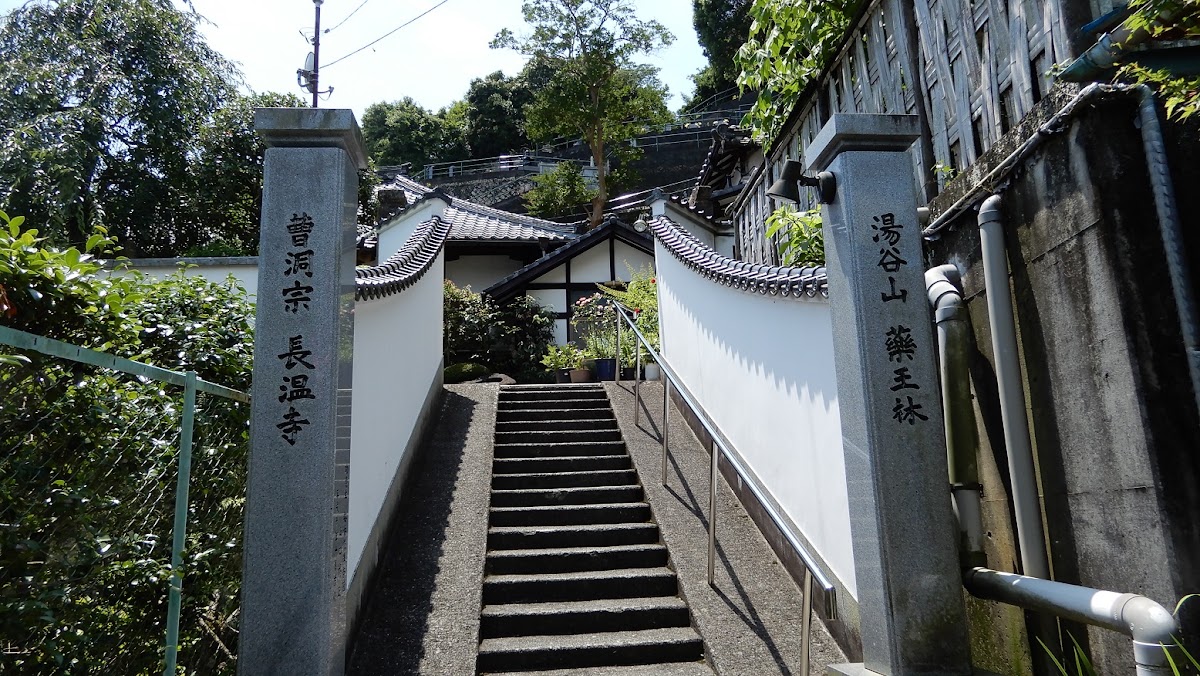
Complete Guide to Chōonji Temple (Izunokuni City, Shizuoka Prefecture) | History, Goshuin (Temple Seal), and Access Information
Located in Kona, Izunokuni City, Shizuoka Prefecture, Chōonji Temple is a Soto Zen Buddhist temple with a long and deep history rooted in the local community. It is the 12th temple on the Izu Eighty-Eight Sacred Sites pilgrimage route and is also known as the temple that enshrines Fukurokuju, one of the Seven Lucky Gods of Genjiyama. This article comprehensively introduces information useful for visiting Chōonji Temple, including its history, highlights, goshuin information, and access methods.
Basic Information on Chōonji Temple
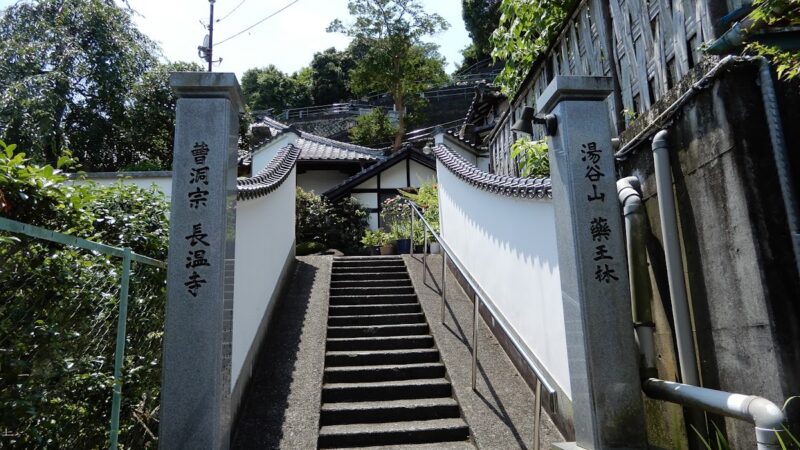
Chōonji Temple is a Soto Zen Buddhist temple located at 13 Kona, Izunokuni City, Shizuoka Prefecture. Its mountain name is Yuyasan, a name given due to its proximity to the Izu Nagaoka Onsen hot spring resort area.
Basic Data
- Official Name: Yuyasan Chōonji Temple
- Sect: Sōtō Zen Buddhism
- Principal Image: Yakushi Nyorai (Medicine Buddha)
- Pilgrimage Site: 12th Temple of the Izu Eighty-Eight Sacred Sites
- Seven Lucky Gods: Genjiyama Seven Lucky Gods, Fukurokuju
- Address: 13 Kona, Izunokuni City, Shizuoka Prefecture 410-2201
- Phone Number: 055-948-1767
- Corporate Number: 6080105001616
The temple with the name Chōonji is rare nationwide, and it is a precious existence as it is the only temple of its kind in the entire country.
History and Origins of Chōonji Temple
Founding History
Chōonji Temple was founded in 1562 (Eiroku 5) by the monk Heizan. Established during the turbulent late Sengoku period, this temple has played a vital role as a spiritual pillar for the region.
Origin of the Principal Image, Yakushi Nyorai
An interesting legend surrounds the principal image of Chōonji Temple, Yakushi Nyorai. It is said to have been a statue cherished as a guardian deity by a powerful local clan who died in battle near this area. Yakushi Nyorai is a deity revered for healing illnesses and promoting health and longevity, and combined with its location near a hot spring resort, it has attracted many worshippers since ancient times.
Deep Connection to Hot Springs
As its mountain name, “Yutani-yama,” suggests, Chōonji Temple has a deep connection to hot springs. Izu Nagaoka Onsen has flourished as a therapeutic hot spring resort since ancient times. The combined efficacy of the hot springs and the miraculous powers of Yakushi Nyorai (the Medicine Buddha) attracted the faith of people seeking healing from illness. During the Edo period, it is believed that the custom of people visiting the hot springs for therapeutic purposes to pray at Chōonji Temple for recovery became established.
History as a Sōtō Zen Temple
Sōtō Zen is a branch of Zen Buddhism that emphasizes “shikantaza,” or simply immersing oneself in seated meditation. Chōonji Temple, based on the teachings of Sōtō Zen, has functioned as a Zen practice center in the region. Throughout the Edo period, it built close ties with the local community under the danka system (parishioner system), and continues to be a spiritual haven for the people of the region to this day.
12th Temple of the Izu Eighty-Eight Sacred Sites
What are the Izu Eighty-Eight Sacred Sites?
The Izu Eighty-Eight Sacred Sites are a pilgrimage route modeled after the Shikoku Eighty-Eight Sacred Sites. It is believed that by visiting the 88 temples scattered throughout the Izu Peninsula, one can extinguish worldly desires and accumulate merit. In recent years, the Izu Pilgrimage has become popular, with pilgrimages taking place not only on foot but also by car and motorcycle.
Role as the 12th Temple
Chōonji Temple, as the 12th temple on the pilgrimage, welcomes many pilgrims. Located in the Izunokuni City area, many visitors combine their visit with sightseeing at the surrounding hot springs. It has a long history as a pilgrimage site, with records of pilgrims dating back to the Edo period.
Pilgrimage Etiquette
When visiting the 88 temples of the Izu Pilgrimage, it is customary to receive a temple stamp (Goshuin) at each temple. Chōonji Temple also issues Goshuin stamps in Goshuin notebooks, which are cherished as proof of pilgrimage.
Genjiyama Seven Lucky Gods – Fukurokuju
Genjiyama Seven Lucky Gods Pilgrimage
Cho-onji Temple enshrines Fukurokuju, one of the seven lucky gods of Genjiyama. The Genjiyama Seven Lucky Gods pilgrimage involves visiting seven temples and shrines scattered around Izunokuni City, and is bustling with many visitors, especially during the New Year.
About Fukurokuju
Fukurokuju is one of the seven lucky gods, bestowing the three virtues of happiness (Fuku), wealth (Roku), and longevity (Ju). He is characterized by his long head and long beard, and is often depicted holding a staff and a scroll. He is a god originating from Chinese Taoism and is considered an incarnation of the South Star.
Fukurokuju at Cho-onji Temple, along with the principal image of Yakushi Nyorai (Medicine Buddha), attracts worshippers praying for health, longevity, and family safety.
How to Enjoy the Seven Lucky Gods Pilgrimage
The Genjiyama Seven Lucky Gods pilgrimage can be done on foot or by car. It is believed that by visiting each temple and shrine, one can receive the blessings of all seven lucky gods. The pilgrimage is especially crowded with visitors during the first three days of the New Year. The Seven Lucky Gods pilgrimage, including Chōonji Temple, is a great opportunity to experience the history and culture of Izunokuni City.
Highlights of Chōonji Temple
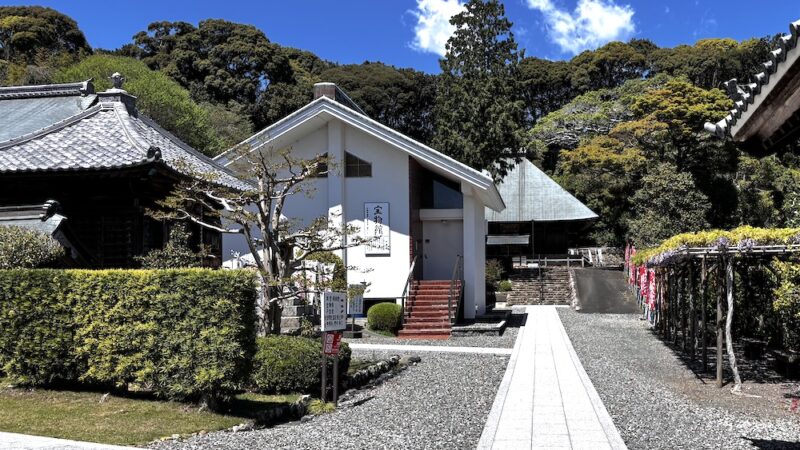
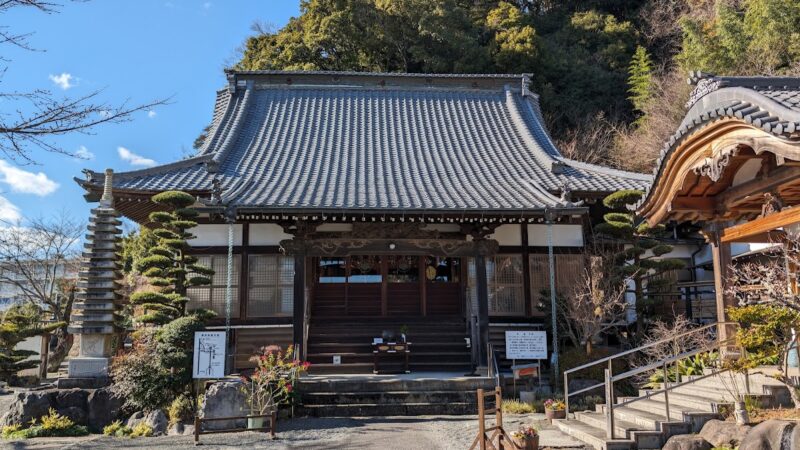
Main Hall and Temple Grounds
The main hall of Chōonji Temple exhibits a tranquil atmosphere typical of a Sōtō Zen temple. The temple grounds are meticulously maintained, allowing visitors to appreciate the beauty of nature throughout the seasons. The scenery is particularly beautiful during the cherry blossom season in spring and the autumn foliage season.
Statue of Yakushi Nyorai
The principal image, Yakushi Nyorai (Medicine Buddha), has attracted the faith of people praying for healing from illness and longevity. Yakushi Nyorai is generally depicted holding a medicine jar in his left hand and forming the Abhaya Mudra (gesture of fearlessness) with his right hand, and is also known for being accompanied by the Twelve Divine Generals.
Statue of Fukurokuju
The statue of Fukurokuju enshrined on the temple grounds is an important point on the Genjiyama Seven Lucky Gods pilgrimage. Visitors can be seen constantly joining their hands in prayer before Fukurokuju, wishing for longevity and happiness.
Serene Atmosphere
One of the greatest charms of Chōonji Temple is its serene atmosphere. Despite being located close to the Izu Nagaoka Onsen hot spring resort area, stepping onto the temple grounds envelops you in a tranquil world. The dignified atmosphere unique to Zen temples calms the hearts of visitors.
Goshuin (Temple Seal) Information
Issuance of Goshuin
Chōonji Temple offers goshuin (temple seals) to visitors. As the 12th temple of the Izu Eighty-Eight Sacred Sites pilgrimage, it is a precious page in the pilgrimage record.
Characteristics of the Goshuin (Temple Seal)
The goshuin of Chōonji Temple features calligraphy of characters such as “Number 12,” “Yutaniyama,” and “Chōonji,” followed by a red seal. As a goshuin of the Izu Eighty-Eight Sacred Sites pilgrimage, it is an important memento of your pilgrimage.
Manners When Receiving a Goshuin
When receiving a goshuin, please observe the following manners:
- First, visit the main hall before receiving the goshuin.
- Prepare a goshuincho (a sutra book is also acceptable).
- Prepare a donation (generally around 300 yen).
- Request the goshuin using polite language.
- Wait quietly while the goshuin is being written.
Remember that the goshuin is not merely a stamp rally, but proof of your pilgrimage.
Access Methods
Access by Public Transportation
Izuhakone Railway Sunzu Line
- Approximately 15 minutes on foot from Izu-Nagaoka Station (approx. 1.2 km)
- Approximately 24 minutes on foot from Nirayama Station (approx. 1.9 km)
Izu-Nagaoka Station is the nearest station. If walking from the station, the route goes through the hot spring town towards the Kona area. Along the way, you’ll find hot spring inns and shops, allowing you to enjoy the atmosphere of Izu-Nagaoka as you walk.
Bus
- Approximately 1 minute on foot from Kona Gongen-mae Bus Stop (approx. 56 m)
If using the bus, the Kona Gongen-mae bus stop is the closest, and the destination is almost directly in front of the bus stop.
Access by Car
Via Tomei Expressway
- Approximately 30 minutes from Numazu IC via National Route 136
- Approximately 30 minutes from Shin-Tomei Expressway, Nagaizumi-Numazu IC
Via Izu Jukan Expressway
- Approximately 10 minutes from Ohito-Chuo IC
The extension of the Izu Jukan Expressway has significantly improved access from the Tokyo metropolitan area.
Parking
While Chōonji Temple has parking spaces for visitors, it is not a large parking lot capable of accommodating large buses or numerous vehicles. When visiting, please consider using nearby paid parking lots. When visiting the Seven Lucky Gods or the Izu Eighty-Eight Temples pilgrimage, it is recommended to check the parking situation at each temple/shrine in advance.
Surrounding Traffic Information
The area around Chōonji Temple is close to the Izu Nagaoka Onsen hot spring resort area, and traffic increases during tourist seasons and weekends. Especially during the first three days of the New Year for the Seven Lucky Gods pilgrimage and the peak season for hot spring tourism, congestion is expected, so it is recommended to visit with plenty of time to spare.
Nearby Attractions and Tourist Spots
Izu Nagaoka Onsen
Izu Nagaoka Onsen, located within walking distance of Choonji Temple, is a hot spring resort that has flourished as a therapeutic bathing spot since ancient times. Hot spring inns line the Kano River, and there are also plenty of day-trip bathing facilities. A sightseeing plan combining a visit to Choonji Temple and a hot spring bath is recommended.
Genjiyama
Genjiyama, the origin of the name of the Genjiyama Seven Lucky Gods, is a small hill approximately 100 meters high. From the summit, you can see the town of Izunokuni and Mount Fuji, and it is a popular hiking course.
Nirayama Reverberatory Furnace
The Nirayama Reverberatory Furnace, one of the constituent assets of the World Cultural Heritage site “Sites of Japan’s Meiji Industrial Revolution,” is located about 10 minutes by car from Choonji Temple. Built during the late Edo period, this reverberatory furnace is a valuable industrial heritage site that tells the history of Japan’s modernization.
Izunokuni Panorama Park
This tourist facility allows you to ascend to the summit of Mt. Katsuragi by ropeway. From the mountaintop, you can enjoy spectacular views of Mt. Fuji and Suruga Bay. It’s about a 15-minute drive from Chōonji Temple.
Ema Strawberry Picking Center
Izunokuni City is one of Shizuoka Prefecture’s leading strawberry producing areas. There are many tourist farms where you can enjoy strawberry picking from winter to spring. Enjoying the seasonal flavors in conjunction with a visit to Chōonji Temple is highly recommended.
Temple Culture of Izunokuni City
Number of Temples in Izunokuni City
Izunokuni City has 67 temples, making it a region with a high temple density relative to its population. This indicates that Izu has long been a land where Shugendō and Buddhist culture flourished.
Characteristics of Sōtō Zen Temples
There are many Sōtō Zen temples in Shizuoka Prefecture, and Chōonji Temple is one of them. Sōtō Zen was introduced to Japan during the Kamakura period by Zen Master Dōgen and is a sect that emphasizes the practice of “shikantaza” (just sitting). This text advocates confronting oneself through Zen meditation and practicing the Buddhist path in daily life.
Izu’s Sacred Site Culture
The Izu Peninsula has several pilgrimage routes, including the Izu Eighty-Eight Sacred Sites and the Izu Seven Lucky Gods. These pilgrimages connect local temples and play an important role in both the transmission of Buddhist culture and the promotion of tourism.
Manners and Etiquette for Visiting Temples
Basic Manners for Visiting Temples
When visiting Chōonji Temple, please observe the following basic manners:
A Bow at the Temple Gate
Bow before passing through the temple gate and entering the grounds. This is a gesture of respect for entering the realm of Buddha.
Procedure for Washing Hands
If there is a water basin, cleanse your hands and mouth. Hold the ladle in your right hand, wash your left hand, switch to your left hand and wash your right hand, then switch back to your right hand, receive water in your left hand, and rinse your mouth.
Worship at the Main Hall
Bow before the main hall and quietly offer your donation. Join your hands in prayer and pray sincerely. Unlike Shinto shrines, clapping is not done at Buddhist temples.
Behavior on the Temple Grounds
Be quiet on the temple grounds and refrain from speaking loudly or running around. Photography is only permitted in designated areas; refrain from taking pictures in prohibited areas such as inside the main hall.
Soto Zen Worship Etiquette
At Soto Zen temples, the basic form of worship is the jointed-hand bow. Join both hands in front of your chest, tilting your fingertips slightly forward. Bow deeply, then offer your prayer sincerely.
Annual Events at Choonji Temple
New Year (First Shrine Visit & Seven Lucky Gods Pilgrimage)
During the first three days of the New Year, many worshippers visit for the first shrine visit of the year and the Genjiyama Seven Lucky Gods pilgrimage. The temple is bustling with people praying to Fukurokuju for happiness and longevity in the new year. ### Spring and Autumn Equinox Services
During the equinox period, centered around the spring and autumn equinoxes, memorial services are held to honor ancestors. Temple parishioners gather to express gratitude and offer prayers for their ancestors.
Yakushi Nyorai Festival
On the 8th of each month, the festival day of Yakushi Nyorai (Medicine Buddha), special services are sometimes held. Visitors come to pray for recovery from illness and longevity.
Chōonji Temple Visit Q&A
Q: Are there set visiting hours for Chōonji Temple?
A: Visiting the temple grounds is generally possible anytime during the day. However, if you wish to receive a temple stamp or view the main hall, it is recommended to call in advance. Generally, the hours are from 9:00 AM to around 4:00 PM.
Q: Is there an entrance fee?
A: There is no entrance fee to visit the temple grounds. A donation (usually around 300 yen) is required to receive a Goshuin (temple stamp).
Q: I would like to make the pilgrimage to the 88 sacred sites of Izu. Where should I start?
A: You can start the 88 sacred sites of Izu from any temple. You don’t need to visit them in order from number 1; you can start from any temple that suits you. Chōonji Temple is the 12th temple, making it a good starting point for those beginning their pilgrimage around Izunokuni City.
Q: Is it possible to visit in a wheelchair?
A: We recommend contacting the temple directly in advance regarding the condition of the temple grounds. Accessibility varies by temple, so we recommend checking by phone.
Q: Is photography allowed?
A: Photography of the temple grounds and the exterior of the buildings is permitted, but permission may be required to photograph the interior of the main hall or the Buddha statues. Please check before taking photos, or refrain from taking photos in areas where photography is prohibited.
Q: Can I bring my pet to the temple?
A: Generally, it is discouraged to bring pets into temple grounds. If you absolutely must bring your pet, we recommend checking with the temple in advance.
Summary: The Charm of Chōonji Temple
Located in Izunokuni City, Shizuoka Prefecture, Chōonji Temple is an ancient Sōtō Zen temple that has attracted the faith of local people since its founding in 1562. As the 12th temple of the Izu Eighty-Eight Sacred Sites and as the temple that enshrines Fukurokuju, one of the Seven Lucky Gods of Genjiyama, it welcomes many visitors and pilgrims.
As its mountain name, “Yutaniyama,” suggests, it has a deep connection to hot springs, and its principal image, Yakushi Nyorai (Medicine Buddha), has been an object of worship for people praying for healing from illness and longevity. Despite its location near the tourist area of Izu Nagaoka Onsen, the temple grounds are enveloped in tranquility, maintaining the dignified atmosphere characteristic of a Zen temple.
Located just a 15-minute walk from Izu-Nagaoka Station and a 1-minute walk from the Kona Gongen-mae bus stop, Choonji Temple boasts excellent accessibility, making it easy to combine a visit with sightseeing in Izu or a hot spring trip. The surrounding area is rich in tourist attractions, including the World Heritage Site Nirayama Reverberatory Furnace and Izu-no-Kuni Panorama Park, making a day trip exploring the history and culture of Izu-no-Kuni City highly recommended.
Choonji Temple is a place that can be visited for a variety of purposes, whether you’re attempting a pilgrimage to the Seven Lucky Gods or the 88 Sacred Sites of Izu, want to enjoy temple visits as part of a hot spring trip, or simply seek peace and tranquility in a quiet place. When you visit Izu-no-Kuni City, why not pay a visit to Choonji Temple?
In the serene atmosphere of this historic temple, you can offer prayers to Yakushi Nyorai and Fukurokuju, and spend a peaceful moment of tranquility. Choonji Temple is a hidden gem in Izu, offering a precious time to escape the hustle and bustle of modern society and reflect on yourself.