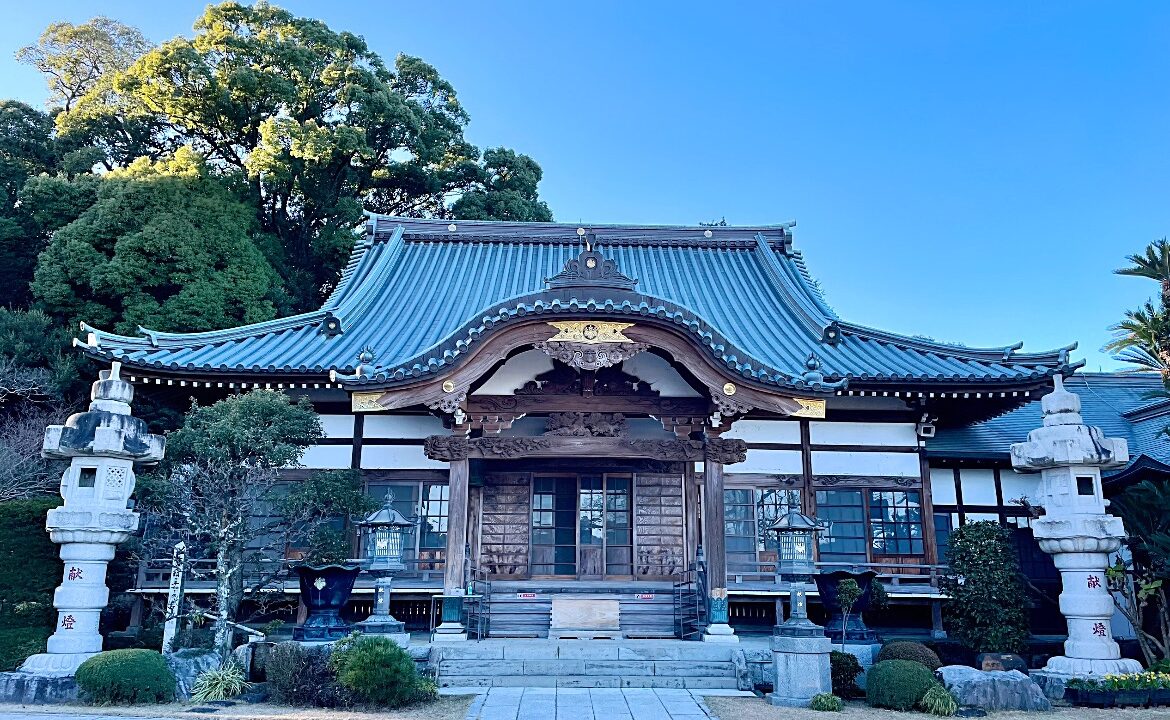
Complete Guide to Shogetsuin Temple (Ito City, Shizuoka Prefecture) | The Charm and History of a Famous Soto Zen Temple Known as the “Cherry Blossom Temple”
Nestled on a hill in Ito City, Shizuoka Prefecture, Shogetsuin Temple is a Soto Zen temple that captivates visitors with its seasonal flowers and magnificent views. Affectionately known locally as the “Temple of Flowers” or “Cherry Blossom Temple,” and counted as one of the 12 Scenic Views of Ito, this temple boasts a history of over 400 years and is also known as a sacred site enshrining Benzaiten, one of the Seven Lucky Gods of Ito Onsen. This article provides detailed information you should know before visiting, including the history, highlights, access methods, and surrounding tourist spots of Shogetsuin Temple.
History and Origins of Shogetsuin Temple
From Founding to the Present
Shogetsuin Temple has a long history, beginning in 1183 (Juei 2) when it was founded as a Shingon Buddhist temple by the monk Ginshu. Initially located in Matsubara Village, it underwent a major transformation in its history.
In 1607 (Keicho 12), the temple was converted to the Soto Zen sect by Abbot Sogin, and began a new chapter as Togenzan Shogetsuin. This conversion forms the foundation of the present-day Shogetsuin.
However, in August 1671 (Kanbun 11), the temple suffered a great disaster when it was swept away and severely damaged by a flood known as the “Boar’s Flood.” Later, in 1706 (Hoei 3), it was relocated and rebuilt on a hill in Yukawa, Ito City, by Abbot Tsurumine Kametan, and remains there to this day.
As a Prestigious Soto Zen Temple
Shogetsuin, as a branch temple of Saishoin of the Soto Zen sect, has played a central role in the local faith. The Soto Zen sect is a branch of Zen Buddhism that emphasizes practice through seated meditation. The tranquil atmosphere of the temple grounds conveys this Zen spirit to this day.
Regular memorial services are held in the main hall, and it also functions as a family temple for local residents. In particular, it is known as the family temple of the Ota family, the birthplace of the renowned literary figure Kinoshita Mokutaro, who hailed from Ito, and is a temple of high cultural value.
Highlights of Shogetsuin Temple
Garden Adorned with Early-Blooming Cherry Blossoms
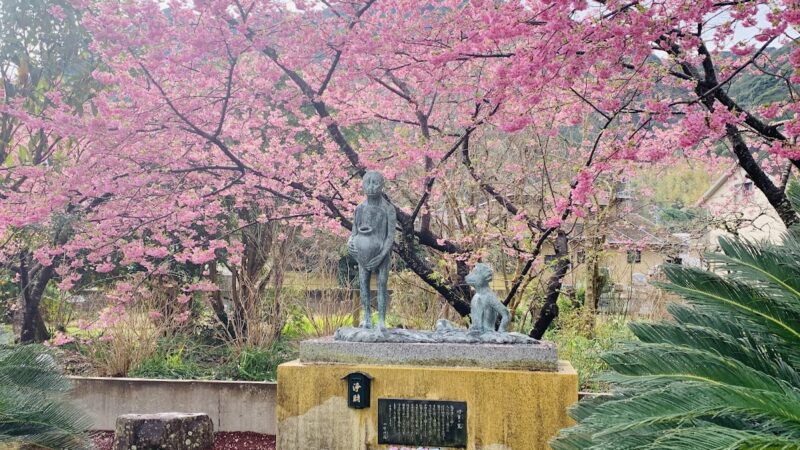
The main reason why Shogetsuin Temple is called the “Temple of Flowers” or “Cherry Blossom Temple” is the wide variety of cherry trees planted on its grounds. Several types of cherry trees are planted, including the particularly rare early-blooming Higan cherry blossoms, and in spring, the temple grounds are filled with cherry blossoms.
The early-blooming cherry blossoms, which begin to bloom earlier than the typical cherry blossom season, give a sense of the early arrival of spring. The garden is meticulously maintained, and even outside of cherry blossom season, the seasonal flowers delight visitors.
Cherry trees are also planted along the path leading from the main gate to the main hall, creating a beautiful tunnel-like landscape when in full bloom.
A Panoramic View of Ito Onsen
Shogetsuin Temple is located on a hillside behind Ito Station, and is famous for its magnificent views from the temple grounds. From in front of the main hall, you can see the city of Ito, the Ito Onsen hot spring resort area, and even the Sagami Bay.
Because of this excellent view, it has long been said that “Shogetsuin is synonymous with its view,” and this is one of the reasons why it was selected as one of the 12 scenic spots of Ito. The view is especially spectacular on a clear day, with the contrast between the cityscape of Ito and the blue sea creating a beautiful landscape.
Benten-do Hall, dedicated to Benzaiten
The Benten-do Hall on the temple grounds houses a golden statue of Benzaiten excavated from Tenjin-batake. This Benzaiten is one of the Seven Lucky Gods of Ito Onsen and is an object of worship for many visitors.
Benzaiten is known as the goddess who presides over arts, learning, and wealth, and is particularly revered by those involved in music and performing arts. The Benzaiten statue at Shogetsuin Temple is a precious gold artifact, and its historical and cultural value is highly regarded.
Many tourists visit this Benzaiten hall as part of the Ito Onsen Seven Lucky Gods pilgrimage, and many can be seen seeking temple stamps (Goshuin).
A Place Associated with Kinoshita Mokutaro
Shogetsuin Temple is also known as the family temple of the Ota family, the birthplace of Kinoshita Mokutaro (real name: Ota Masao), a renowned writer and physician from Ito.
Kinoshita Mokutaro was a poet, playwright, translator, and dermatologist who was active during the Meiji, Taisho, and Showa periods. He was a multi-talented individual who also participated in literary movements such as the Pan no Kai (Bread Society). Ito City conducts activities to honor Kinoshita Mokutaro, and Shogetsuin Temple is a popular spot for literature fans as a place associated with him.
Basic Information and Access to Shogetsuin Temple
Location and Contact Information
Address: Yukawa, Ito City, Shizuoka Prefecture
Sect: Soto Zen
Mountain Name: Togenzan
Access Methods
Access by Train:
- Approximately 5-10 minutes on foot from JR Ito Line “Ito Station”
- Approximately 0.6 km on foot towards the hill behind Ito Station
Access by Car:
- Approximately 90 minutes from Tomei Expressway “Atsugi IC” via Odawara-Atsugi Road and National Route 135
- It is recommended to check in advance regarding parking availability
Visiting Hours and Admission Fee
While the temple grounds are generally open for free visits, there may be time restrictions for viewing the interior of the main hall or during special events. When visiting, please respect the tranquil atmosphere of the temple and observe proper etiquette.
Admission is usually free, but this may differ for special viewings or events.
Recommended Tourist Spots Around Shogetsuin Temple
Ito Onsen Hot Springs
The Ito Onsen hot springs area is within walking distance of Shogetsuin Temple. Ito Onsen is one of Shizuoka Prefecture’s leading hot spring resorts, known for its abundant hot spring water and high-quality spring water. There are many day-trip hot spring facilities, making it a great place to relax and unwind after visiting Shogetsuin Temple.
Ito Orange Beach
Located about a 10-minute walk from Ito Station, Ito Orange Beach is a popular beach close to the city center. It’s bustling with swimmers in the summer, and even in the off-season, you can enjoy a stroll along the coast. The view of the sea from the beach, after overlooking it from the hilltop near Shogetsuin Temple, is also quite charming.
Tokaikan
Tokaikan, a historical building representative of Ito Onsen, is a three-story wooden hot spring inn built in 1928 (Showa 3). Although it is no longer in operation, the building is preserved as a cultural property of Ito City, and you can tour the interior. It’s a valuable spot to experience the atmosphere of a hot spring inn from the early Showa period.
Kinoshita Mokutaro Memorial Museum
The birthplace of Kinoshita Mokutaro, a literary figure associated with Shogetsuin Temple, is open to the public as a memorial museum. This facility allows visitors to learn about Mokutaro’s life, works, and life in Ito, making it a recommended spot for literature fans.
Izu Kogen Area
A 30-minute drive south will take you to the Izu Kogen area. This tourist area is dotted with art museums, theme parks, and nature parks, offering plenty of places to enjoy for a whole day.
Gourmet Spots Around Shogetsuin Temple
Seafood Cuisine
Ito is a port town facing Sagami Bay, offering fresh seafood. Many seafood restaurants are located around Ito Station, where you can enjoy set meals, sushi, and seafood bowls made with locally caught fish and shellfish.
Onsen Manju (Hot Spring Buns)
As a gourmet treat unique to a hot spring town, onsen manju (hot spring buns) are a must-try. The Ito hot spring town is dotted with long-established Japanese confectionery shops, making it a great place to enjoy a food tour.
Cafes and Coffee Shops
In Ito city center, there are an increasing number of retro-style coffee shops and stylish cafes. Enjoying a relaxing coffee break before or after visiting Shogetsuin Temple is highly recommended.
Points to Note When Visiting Shogetsuin Temple
Best Season
To enjoy the cherry blossoms, the greatest attraction of Shogetsuin Temple, the best season is from late March to early April. Since the early-blooming Higan cherry blossoms begin to bloom around mid-March, visiting earlier than the general cherry blossom season allows you to enjoy the beautiful blossoms while avoiding crowds.
Even outside of cherry blossom season, you can enjoy the beauty of the garden in each season, such as the fresh greenery of May and the autumn leaves of November.
Manners for Visiting the Temple
Shogetsuin Temple is a temple that still functions as a place of worship. Please observe the following manners when visiting the temple:
- Be quiet within the temple grounds
- Bow before praying at the main hall and Benten Hall
- Take photographs only in designated areas
- Take all your trash with you
- Do not damage the plants in the garden
About Goshuin (Temple Stamps)
You can receive a Goshuin at Shogetsuin Temple. If you wish to receive a Goshuin, please bring your Goshuincho (stamp book) and request it during reception hours. There is also a special Goshuincho for the Ito Onsen Seven Lucky Gods pilgrimage, where you can collect the Benzaiten stamp.
Ito’s 12 Scenic Views and Shogetsuin Temple
Shogetsuin Temple has been selected as one of the “Ito’s 12 Scenic Views.” The Ito’s 12 Scenic Views are 12 locations in Ito City that are particularly beautiful in terms of scenery, and are part of an initiative to convey the charm of Ito to tourists.
Shogetsuin Temple was selected because of the harmony between its magnificent view from the hilltop, its beautiful garden adorned with cherry blossoms and other flowers, and its historical temple architecture. By visiting this site along with the other 12 scenic spots of Ito, you can discover the diverse charms of Ito.
Shogetsuin Temple and the Ito Onsen Seven Lucky Gods Pilgrimage
Shogetsuin Temple is a sacred site dedicated to Benzaiten, one of the seven lucky gods of Ito Onsen. The Seven Lucky Gods pilgrimage is a popular tourist route in the Ito Onsen area, based on the belief that one can receive the blessings of all seven gods by visiting seven temples and shrines.
The Ito Onsen Seven Lucky Gods are scattered in a relatively compact area, so you can visit them all on foot or by bicycle in a day. This is a recommended sightseeing plan where you can enjoy the townscape and hot spring culture of Ito while collecting temple stamps at each temple and shrine.
Annual Events at Shogetsuin Temple
Shogetsuin Temple holds various Buddhist events throughout the year. The main events include the following:
- Spring Equinox Ceremony (March): A memorial service coinciding with the spring equinox
- Flower Festival (April): A celebration of the Buddha’s birth
- Obon Festival (August): A memorial service for the Obon festival
- Autumn Equinox Ceremony (September): A memorial service coinciding with the autumn equinox
- New Year’s Eve Bell Ringing (December 31st): The ringing of the temple bell on New Year’s Eve
During these events, you can experience a different atmosphere at the temple than usual. The Spring Equinox Ceremony, in particular, which coincides with the cherry blossom season, is especially lively with many visitors.
Accommodation near Shogetsuin Temple
There are many inns and hotels in the Ito Onsen area near Shogetsuin Temple. Staying at a hot spring inn allows you to visit Shogetsuin Temple in the quiet morning hours, enjoying a more peaceful atmosphere.
Ito Onsen offers a variety of accommodations, from long-established hot spring inns to affordable business hotels and stylish resort hotels. You can choose according to your budget and travel style.
Access and Parking Information for Shogetsuin Temple
By Public Transportation
The nearest station is JR Ito Line’s “Ito Station,” and it’s easily accessible, about a 5-10 minute walk from the station. Ito Station is also a stop for the Limited Express Odoriko train from Tokyo, making it convenient to access from the city center.
From the station, head towards the hill behind Ito Station and follow the signs to reach your destination. The path is a gentle uphill slope, but the distance is short (about 0.6 km), so you can enjoy a pleasant walk.
By Private Car
It’s about a 90-minute drive from the Tomei Expressway’s “Atsugi IC” via the Odawara-Atsugi Road and National Route 135. It’s also recommended to stop by during a sightseeing drive towards the Izu area.
Regarding parking, due to the size and location of the temple, it may be limited, so it is recommended to check in advance or consider using public transportation. There are also paid parking lots around Ito Station.
Cultural Properties and Buildings of Shogetsuin Temple
Main Hall
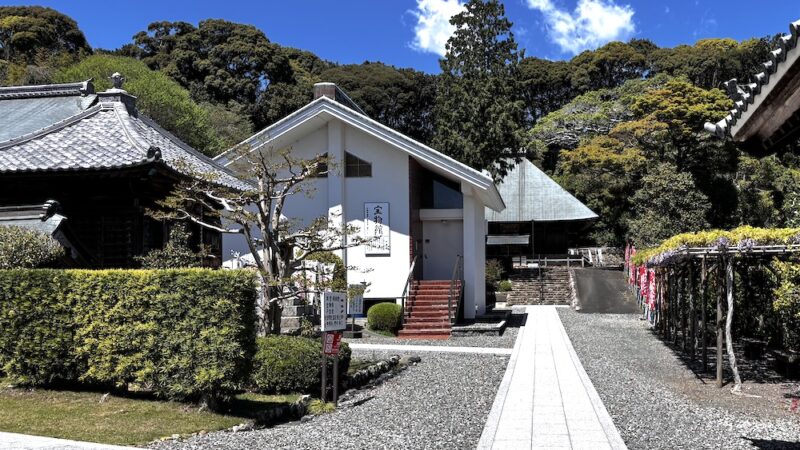
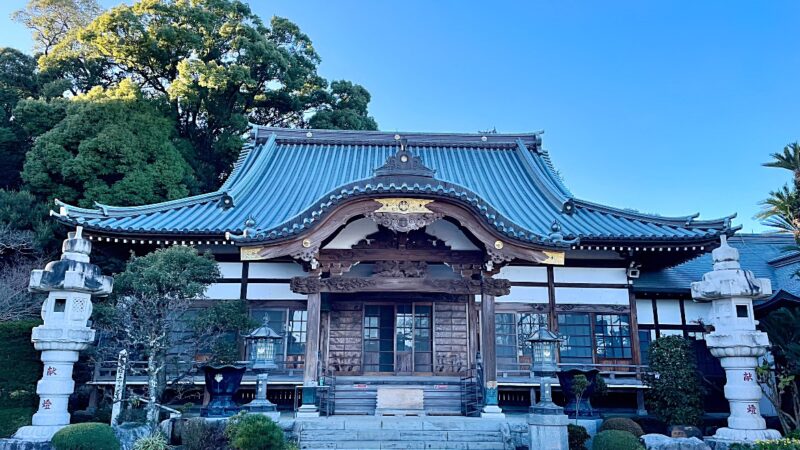
The main hall of Shogetsuin Temple is based on a building constructed in 1706 (Hoei 3) when the temple was relocated and rebuilt. It is a simple and sturdy structure typical of Soto Zen temples, showcasing the characteristics of Zen architecture.
The main hall houses the principal image of worship, and is used for religious services and Zen meditation sessions. While the building itself has undergone several repairs, it still conveys the beauty of traditional temple architecture.
Temple Gate
The temple gate, which serves as the entrance to the temple grounds, is an important structure marking the beginning of the approach to the temple. Passing through the gate encourages a shift in consciousness from the secular world to a sacred space, preparing one for worship.
Garden
The garden of Shogetsuin Temple is a strolling garden with a variety of plants, including cherry blossoms. The temple grounds include a pond, allowing visitors to enjoy the scenery of each season. The gardens are meticulously maintained, creating a peaceful and relaxing space for all who visit.
The History of Ito City and the Role of Shogetsuin Temple
Ito City has a long history as a thriving hot spring resort, attracting many visitors during the Edo period. Shogetsuin Temple has played a crucial role as a spiritual pillar for the local residents throughout Ito’s history.
In particular, its history of being relocated and rebuilt at its current location after being washed away by a flood is an important episode in the history of Ito. The history of the temple, which overcame natural disasters and achieved reconstruction, speaks to the strength and deep faith of the people of Ito.
The Relationship Between Shogetsuin Temple and Kinoshita Mokutaro
Kinoshita Mokutaro (1885-1945) was a poet, playwright, translator, and medical scientist from Ito City, and a member of the Ota family. Shogetsuin Temple is the Ota family’s ancestral temple, and it is believed that Mokutaro was familiar with this temple from his childhood. After graduating from the Faculty of Medicine at Tokyo Imperial University, Mokutaro Kinoshita worked as a dermatologist while also participating in literary movements such as the Pan no Kai (Pan Society), publishing works such as the poetry collection “Songs After Meals.” He was a multi-talented individual who excelled in both medicine and literature, and is a cultural figure that Ito City is proud of.
When visiting Shogetsuin Temple, visiting the Kinoshita Mokutaro Memorial Museum in conjunction will deepen your understanding of his life and works.
The Four Seasons of Shogetsuin Temple
Spring (March-May)
This is the most vibrant season at Shogetsuin Temple. Early-blooming Higan cherry blossoms begin to bloom in mid-March, and various types of cherry blossoms bloom one after another throughout April. Because of the abundance of cherry blossom varieties, visitors can enjoy the blossoms for an extended period. The temple grounds are dyed pink with cherry blossoms, creating a landscape befitting its name, “Cherry Blossom Temple.”
Summer (June-August)
This is a beautiful season of fresh greenery. The trees in the garden are lush and green, presenting a landscape full of vitality. Located on a hill, the temple enjoys a pleasant sea breeze, offering a refreshing coolness. Events such as the Obon festival are also held here.
Autumn (September-November)
During the autumn foliage season, the garden trees begin to change color. The cherry trees also change color, displaying a different kind of beauty than in spring. In the crisp autumn air, the view from the hilltop is even more beautiful, offering a clear panorama of Ito town and the sea.
Winter (December-February)
In winter, Shogetsuin Temple is enveloped in silence. The view through the leafless trees offers a sense of openness, allowing for a wider view of Ito town. On New Year’s Eve, the temple bells ring out, creating a solemn atmosphere for welcoming the new year.
Model Itinerary for Visiting Shogetsuin Temple
Half-Day Course (Morning)
- Arrive at JR Ito Station (9:00)
- Visit Shogetsuin Temple (9:15-10:00): Stroll through the temple grounds, visit Benten-do Hall, and enjoy the view
- Visit Tokaikan (10:15-11:00): Visit a historical building
- Stroll through Ito Onsen Town (11:00-12:00): Enjoy eating hot spring buns and browsing souvenir shops
- Seafood Lunch (12:00-13:00)
Full-Day Course
Enjoy the above half-day course in the morning, and spend the afternoon as follows:
- Kinoshita Mokutaro Memorial Museum (13:30-14:30)
- Stroll through Ito Orange Beach (14:45-15:30)
- Day Trip to a Hot Spring (15:45-17:00)
- Dinner near Ito Station (17:30-19:00)
This course allows you to efficiently visit Ito’s main tourist spots, centering around Shogetsuin Temple.
Summary
Shogetsuin Temple, located in Ito City, Shizuoka Prefecture, is a renowned Soto Zen temple with over 400 years of history. Affectionately known as the “Temple of Flowers” and “Cherry Blossom Temple,” its grounds are adorned with a wide variety of cherry blossoms, including early-blooming varieties. Situated on a hill, it offers panoramic views of the Ito Onsen hot spring town and Sagami Bay, and its scenic beauty has earned it a place among the 12 scenic views of Ito.
The temple’s Benten-do hall houses a golden statue of Benzaiten, and it is a popular pilgrimage site for those visiting the Ito Onsen Seven Lucky Gods pilgrimage. It is also known as the family temple of Kinoshita Mokutaro, a literary figure from Ito, making it a temple of high cultural value.
Located just a 5-10 minute walk from JR Ito Station, Matsugetsuin Temple boasts excellent accessibility and is a must-visit spot for anyone sightseeing in Ito Onsen. Why not spend a peaceful moment at Matsugetsuin Temple, where the beauty of nature in every season, historical buildings, and magnificent views harmonize beautifully?
Matsugetsuin Temple offers a different charm each time you visit—from the cherry blossoms of spring, to the lush greenery of summer, the vibrant autumn foliage, and the tranquil winter. When you travel to Ito Onsen, be sure to visit this historic and renowned temple.