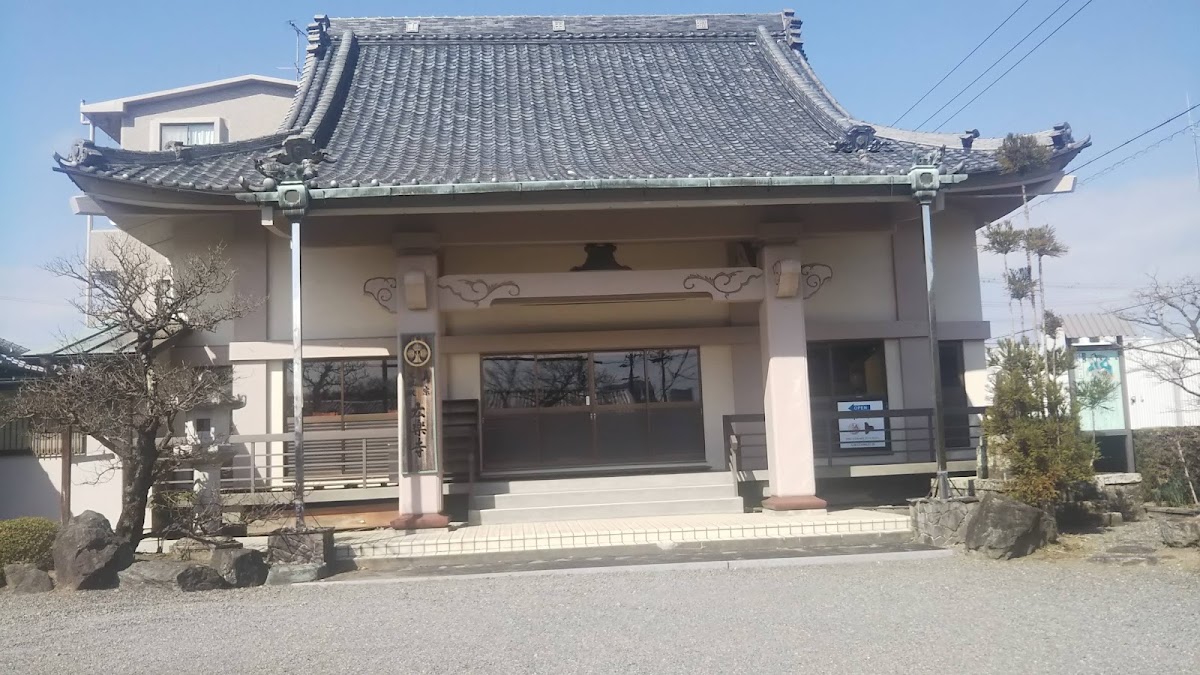
Complete Guide to Kōraku-ji Temple (Kakegawa City, Shizuoka Prefecture) | The Burial Place of Onoe Kikugorō and a Historic Temple of the Shinshu Otani School
Located in Kakegawa City, Shizuoka Prefecture, Kōraku-ji Temple is a historically significant temple belonging to the Shinshu Otani School. Known as the burial place of the renowned Kabuki actor, the third generation Onoe Kikugorō, and possessing deep ties to Shinran Shonin and Rennyo Shonin, this temple remains a center of local faith, welcoming many visitors today.
This article provides a detailed overview of Kōraku-ji Temple, including its history, highlights, access methods, and its connection to Onoe Kikugorō.
Basic Information about Kōraku-ji Temple
Temple Name: Fukudenzan Kōraku-ji Temple
Sect: Shinshu Ōtani School (Jōdo Shinshū)
Location: Kakegawa City, Shizuoka Prefecture
Mountain Name: Fukudenzan
Principal Image: Amida Buddha
Kōraku-ji Temple stands in Kakegawa City, a region known as one of Japan’s leading tea-producing areas, and has long been a center of faith for local residents. As a temple of the Shinshu Ōtani School, it serves as an important center for transmitting the teachings of Shinran Shōnin.
History and Origins of Kōraku-ji Temple
History from Ancient Times
The origins of Kōraku-ji Temple are ancient, and it is said to have been established in ancient times in the Higashi-Fukuda area of the former Haibara Town. This region was one of the earliest places in Enshū (present-day western Shizuoka Prefecture) where Buddhist culture took root, and Kōraku-ji Temple played a central role in this.
Connection to Shinran Shonin
Kōraku-ji Temple has a deep historical connection to Shinran Shonin. Shinran Shonin (1173-1263) is known as the founder of Jodo Shinshu Buddhism and spread the teaching that everyone can be saved by chanting “Namu Amida Butsu.” Kōraku-ji Temple has inherited this teaching and developed as a center of Shinshu Buddhism in the region.
Connection to Rennyo Shonin and Jitsunyo Shonin
Kōraku-ji Temple also has historical ties to Rennyo Shonin (1415-1499) and Jitsunyo Shonin. Rennyo Shonin was the 8th head of Hongan-ji Temple and is known as the restorer who spread the teachings of Jodo Shinshu Buddhism throughout Japan. Jitsunyo Shonin was Rennyo Shonin’s fifth son and succeeded to the 9th head of Hongan-ji Temple. These connections to high-ranking priests indicate that Kōraku-ji Temple held an important position within the Shinshu Otani sect.
To the Present
Kōraku-ji Temple flourished as a center of local faith throughout the Edo period and has remained a beloved temple for local residents even after the Meiji Restoration. Currently, it continues to be an important temple in Kakegawa City, conducting memorial services and various events.
The Third Generation Onoe Kikugorō and Kōraku-ji Temple
Who was the Third Generation Onoe Kikugorō?
One of the reasons Kōraku-ji Temple became widely known is the grave of the Third Generation Onoe Kikugorō, which lies within its grounds. The Third Generation Onoe Kikugorō (1784-1849) was a leading Kabuki actor of the late Edo period, enjoying immense popularity as a leading male role actor.
Born as the grandson of the First Generation Onoe Kikugorō, he performed on stage from a young age, captivating audiences with his exceptional acting skills. He is particularly known for roles such as “Sukeroku” and “Benkei,” and is one of the great actors who built the golden age of Edo Kabuki.
His Final Moments in Kakegawa
On April 24, 1849 (Kaei 2), the third Onoe Kikugoro passed away suddenly in Kakegawa-juku, where he was visiting for a performance. At the time, he was staying at the home of Nejikaneya Jiemon in Nakamachi, Kakegawa-juku. His sudden death while traveling sent shockwaves through the Kabuki world.
The local people mourned the death of this renowned actor and respectfully buried him at Korakuji Temple. Since then, Korakuji Temple has had deep ties with the Onoe Kikugoro family and has been cherished as their family temple by successive generations of the Onoe Kikugoro family.
Connections with the Fifth and Sixth Onoe Kikugoro
Korakuji Temple houses not only items related to the third Onoe Kikugoro, but also items related to the fifth Onoe Kikugoro (1844-1903) and the sixth Onoe Kikugoro (1885-1949). These artifacts are valuable historical documents demonstrating the long-standing relationship between the Onoe Kikugoro family and Kōraku-ji Temple.
The fifth generation was a leading actor in the Kabuki world during the Meiji era, and the sixth generation was a renowned actor who spearheaded the Kabuki world in the early Showa period. Records show that successive generations of Onoe Kikugoro visited Kōraku-ji Temple to pay their respects at their ancestors’ graves.
Highlights and Facilities of Kōraku-ji Temple
Main Hall
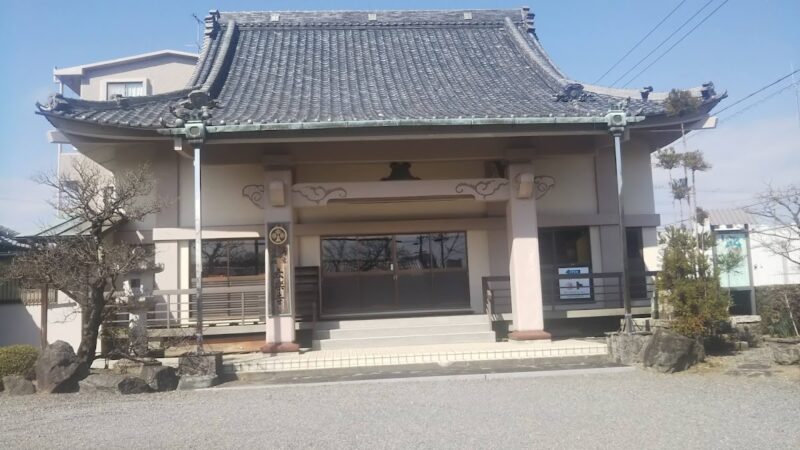
The main hall of Kōraku-ji Temple is a magnificent building that follows the traditional architectural style of the Shinshu Otani sect. The principal image, a statue of Amida Buddha, is enshrined in the inner sanctuary, warmly welcoming visitors. Regular memorial services are held here, making it a gathering place for local believers.
Grave of the Third Onoe Kikugoro
The grave of the third Onoe Kikugoro, located within the temple grounds, is a place of worship for many visitors to Kōraku-ji Temple. Kabuki fans and theater professionals from all over Japan visit to pay their respects to this renowned actor. The tombstone retains the style of the Edo period and possesses high historical value.
Items Associated with Onoe Kikugoro
The items associated with the third, fifth, and sixth Onoe Kikugoro, housed at Kōraku-ji Temple, are invaluable resources for understanding the history of Kabuki. These items are sometimes displayed on special occasions. Please contact Kōraku-ji Temple directly for details.
Atmosphere of the Temple Grounds
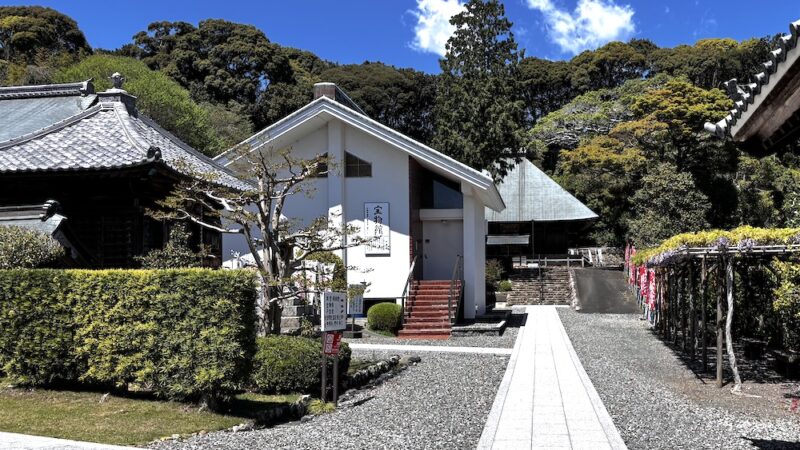
The grounds of Kōraku-ji Temple are enveloped in a tranquil atmosphere, offering a peaceful space away from the hustle and bustle of Kakegawa City. Ancient trees surround the grounds, allowing visitors to appreciate the beauty of nature throughout the seasons.
Cemeteries and Memorial Parks of Kōraku-ji Temple
Kōraku-ji Temple manages several cemeteries and memorial parks.
- Kōrakuji Cemetery within Kakegawa City Fujimidai Cemetery
- Ōtani-dai Jōen
- Komagata Jōen
- Kōrakuji Cemetery within Kikugawa Memorial Park
These cemeteries have management systems in place to meet modern needs, and perpetual memorial services are also available upon consultation. For detailed information regarding the cemeteries, please contact Kōrakuji Temple directly.
Relationship between Kakegawa City and Kōrakuji Temple
About Kakegawa City
Kakegawa City is located in western Shizuoka Prefecture and has a history of flourishing as a post town on the Tōkaidō Fifty-three Stations route. Currently, it is known as one of the leading tea-producing areas in Japan, with a particularly thriving production of deep-steamed tea. While retaining the atmosphere of a castle town centered around Kakegawa Castle, it is also a transportation hub with a Shinkansen (bullet train) station.
Role of Kōrakuji Temple in the Region
Kōrakuji Temple is an important cultural asset in Kakegawa City and a place that conveys the history of the region. The presence of the grave of the third generation Onoe Kikugoro makes Kourakuji Temple a valuable site demonstrating the connection between Kakegawa City and Kabuki culture, and it is attracting attention from a cultural tourism perspective.
How to Access Kourakuji Temple
Access by Public Transportation
From JR Kakegawa Station:
- Get off at Kakegawa Station on the JR Tokaido Main Line or Tokaido Shinkansen
- Take a bus or taxi from the station
- Walking is a distance, so it is recommended to check the detailed route in advance.
Access by Car
Tomei Expressway:
- Approximately 10-15 minutes from Kakegawa IC (may vary depending on distance)
- Please inquire with Kourakuji Temple in advance regarding parking availability.
Notes on Access
For the exact address and detailed access information of Kourakuji Temple, please check the official website (http://kourakuji.or.jp/) or contact the temple directly. If using a car navigation system, it is recommended to search for “Kourakuji Kakegawa City”.
Manners and Precautions When Visiting the Temple
Temple Visiting Manners
Korakuji Temple is a Shinshu Otani sect temple. Please observe the following basic manners when visiting.
- Attire: Modest, understated clothing is preferred.
- Photography: Photography is generally permitted on the temple grounds, but please obtain permission in advance before taking photos inside the main hall or in the cemetery.
- Quietness: Please be quiet on the temple grounds and be considerate of other visitors.
- Visiting Graves: When visiting the grave of the third generation Onoe Kikugoro, please show respect.
Visiting Hours
Visiting hours vary depending on the temple. General visits may be restricted during memorial services and events, so it is recommended to check in advance.
Inquiries
For inquiries regarding memorial services, cemeteries, and the public display of collections, please contact Korakuji Temple directly via its official website or telephone.
Tourist Attractions Around Kōraku-ji Temple
Kakegawa Castle
Kakegawa Castle, a symbol of Kakegawa City, is located relatively close to Kōraku-ji Temple. Known for its reconstructed wooden keep, it is one of the famous castles of the Tōkai region. From within the castle grounds, you can enjoy a panoramic view of Kakegawa city, making it a must-see spot for history buffs.
Kakegawa Flower and Bird Park
A popular spot where you can observe colorful flowers and various birds up close. A facility enjoyable for families, it’s a classic part of Kakegawa sightseeing.
Shiseido Art House & Shiseido Corporate Museum
Kakegawa City is home to a Shiseido factory, and related facilities such as an art museum and corporate museum are open to the public. You can appreciate works of art and learn about the company’s history.
Kakegawa Tea Experience
Kakegawa City is famous as a tea-producing region. Tea plantations spread throughout the city, and there are facilities where you can experience tea picking and tour tea factories. Why not combine your visit to Kōraku-ji Temple with an experience of Kakegawa tea?
About the Shinshu Otani School
What is the Shinshu Otani School?
The Shinshu Otani School is one of the sects of Jodo Shinshu Buddhism, with its head temple being Higashi Honganji (officially known as Shinshu Honbyo) in Kyoto. It considers Shinran Shonin as its founder and centers its teachings on “reliance on the power of others.”
Characteristics of its Doctrine
The teachings of the Shinshu Otani School state that all who recite the Nembutsu (invocation of Amida Buddha) are equally saved through the power of Amida Buddha’s vow. It does not require special training or strict precepts, emphasizing the importance of reciting the Nembutsu in daily life.
Nationwide Temple Network
The Shinshu Otani School has over 8,000 temples nationwide, and Kōrakuji Temple is one of them. Many Shinshu Otani School temples also exist in Shizuoka Prefecture, supporting the religious life of the local community.
Main Events Held at Kōraku-ji Temple
Regular Memorial Services
Kōraku-ji Temple holds regular memorial services in accordance with the traditions of the Shinshu Otani sect. Consultations regarding various memorial services, such as monthly memorial services and annual memorial services, are also accepted.
Annual Events
- Spring and Autumn Equinox Services
- Obon Festival
- Hōonkō (Memorial Service for Shinran Shōnin)
These events may be open to the general public as well as temple members. Please contact Kōraku-ji Temple for details.
Significance of Visiting Kōraku-ji Temple
Dialogue with History
Visiting Kōraku-ji Temple is not merely sightseeing; it is an opportunity to engage in dialogue with multiple historical elements: the Buddhist culture that has continued since ancient times, the teachings of Shinran Shōnin, and the Kabuki culture of the Edo period.
Peace of Mind
The time spent calming the mind in the quiet temple grounds, away from the hustle and bustle of modern society, will be a valuable experience for many. Engaging with the teachings of Shin Buddhism can provide an opportunity to re-examine one’s state of mind in daily life.
Rediscovering Cultural Value
By tracing the footsteps of the Edo-period cultural figure, Onoe Kikugoro III, one can reflect on the history of Kabuki, a traditional Japanese performing art, and the lives of people at that time.
Summary
Korakuji Temple in Kakegawa City, Shizuoka Prefecture, is a Shinshu Otani sect temple with a long history dating back to ancient times, boasting deep ties to Shinran Shonin and Rennyo Shonin. Known as the burial place of Onoe Kikugoro III, it is a rare place where Kabuki culture and Buddhist culture intersect.
When visiting Kakegawa City, be sure to visit Korakuji Temple and experience its history and culture. The time spent in its tranquil grounds will surely be a memorable experience.
Combining the charm of Kakegawa, a tea-producing region, with the multifaceted cultural value of Korakuji Temple, you can create even deeper travel memories. When visiting, please observe proper etiquette, appreciate the atmosphere of this historic temple, and take your time to enjoy your visit.