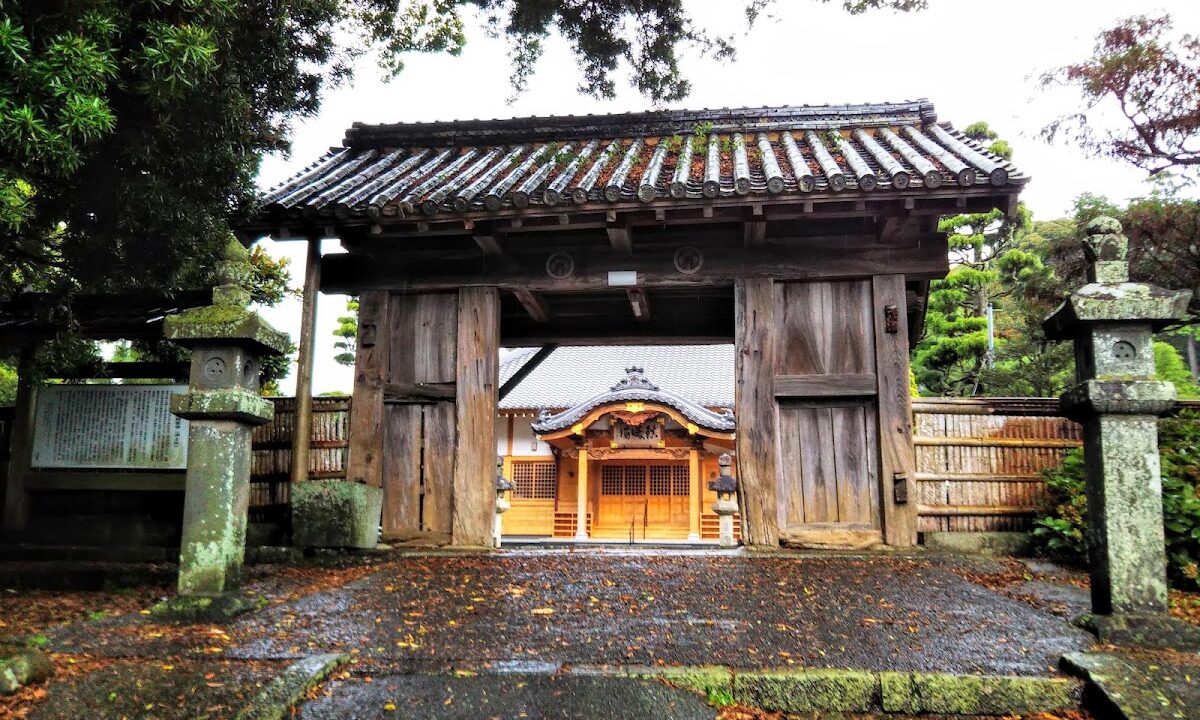
Senyoji Temple (Kakegawa City, Shizuoka Prefecture) Complete Guide | History and Highlights of the Osuga Clan’s Family Temple, Known as the “Koyasan of Enshu”
Senyoji Temple, located in Yamazaki, Kakegawa City, Shizuoka Prefecture, is an important temple that preserves the history of the region, serving as the family temple of the lords of Yokosuka Castle from the Sengoku period to the Edo period. This temple, also known as the “Koyasan of Enshu,” boasts a magnificent group of tombstones reaching up to 4 meters in height, overwhelming visitors. This article provides a detailed introduction to Senyoji Temple, from its historical background to its highlights and access methods.
History and Origins of Senyoji Temple
Founding Circumstances and Osuga Yasutaka
Senyoji Temple was founded in 1581 (Tensho 9) by Osuga Yasutaka, the first lord of Yokosuka Castle. Osuga Yasutaka was a samurai who served under Tokugawa Ieyasu and played a key role in the development of the region, including the construction of Yokosuka Castle.
Yasuga invited Kyuya Shun’a Shonin (17th head priest of Oseikyoin) to be the founding abbot, establishing Sen’yōji Temple as a Jōdo sect temple. At the time, the area was a scenic location overlooking an inlet to the west, hence the temple’s mountain name, “Keikōzan.” The temple’s name, “Sen’yōji,” is derived from one character each from the important Jōdo sect scriptures, *Senkaku Honganshū* and *Ōjō Yōshū*.
Role as the Family Temple of Yokosuka Castle Lords
Since its founding, Sen’yōji Temple has served as the family temple for successive lords of Yokosuka Castle. Not only the Osuga clan, but also subsequent lords such as the Ogasawara and Honda clans, and their retainers, are buried here.
In particular, the tombs of Osuga Yasutaka and his son, Tadamasa, are enormous, reaching approximately 4 meters in height, testifying to the power and wealth of the Osuga family at the time. These tombs are not merely burial sites, but valuable historical relics that convey the samurai culture from the Sengoku period to the Edo period.
The Reason for Being Called “Enshu’s Koyasan”
The reason why Senyoji Temple is called “Enshu’s Koyasan” lies in the presence of its magnificent group of tombs. Within the temple grounds stand a total of 45 tombs, including those of the Osuga family, four five-tiered stupas of the Ogasawara family, and the tomb of the Honda Toshinaga family.
These tombs are all large and imposing, creating a solemn atmosphere reminiscent of the Okunoin of Koyasan. The inclusion of tombs of wealthy Edo-period merchants indicates that not only samurai but also members of the merchant class were buried at this temple. This diversity is another element that enhances the historical value of Senyoji Temple.
Highlights of Senyoji Temple
Prefectural Designated Historic Site: Senyoji Temple Burial Pagoda Group
The greatest highlight of Senyoji Temple is the burial pagoda group, designated as a Shizuoka Prefecture Historic Site in 1983. The sight of 45 burial pagodas neatly lined up is breathtaking, captivating not only history enthusiasts but also general tourists.
Major Tombstones:
- Tombstone of Osuga Yasutaka: The tomb of the first lord of Yokosuka Castle, a massive five-tiered pagoda approximately 4 meters tall.
- Tombstone of Osuga Tadamasa: The tomb of Yasutaka’s son and the second lord of the castle, comparable in size to his father’s.
- Five-tiered Pagodas of the Ogasawara Family: Four five-tiered pagodas lined up.
- Tombstones of the Honda Toshinaga Family: The burial site of Honda Toshinaga, the 12th lord of Yokosuka Castle, and his family.
- Tombstones of Vassals and Wealthy Merchants: Numerous tombstones of vassals and influential local merchants, in addition to those of the castle lord.
These tombstones represent the pinnacle of Edo period stonemasonry techniques, and their carvings and decorations are noteworthy. The tombstone styles are diverse, including five-tiered pagodas and Hōkyōintō pagodas, allowing for observation of changes over time.
City-Designated Cultural Property: Temple Gate (Unopened Gate)
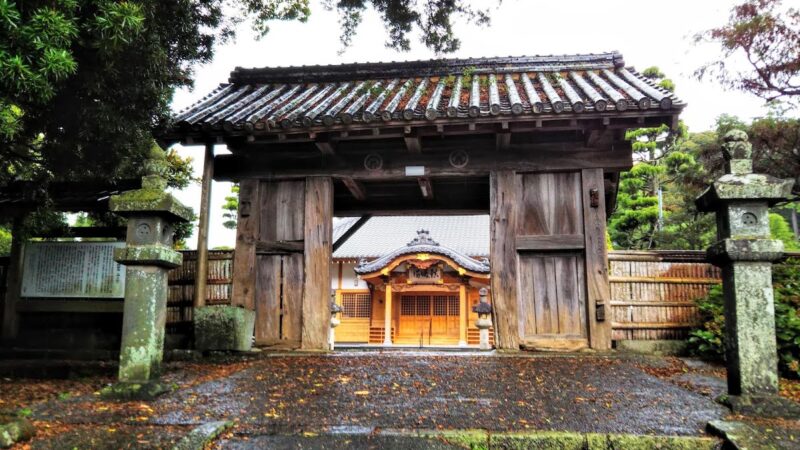
The temple gate of Senyoji Temple was originally the “Unopened Gate” (Akazu-no-mon) located in the second bailey of Yokosuka Castle, and was relocated there in the early Meiji period when the castle was abandoned. This gate is designated as a cultural property of Kakegawa City and is a valuable relic of castle architecture.
There are several theories about the origin of the name “Unopened Gate,” but it is believed to have been named because it was usually kept closed and another gate was used instead. Even in its relocated state, its imposing appearance evokes the grandeur of Yokosuka Castle in its heyday.
The gate’s structure is in the Yakui-mon style, retaining many characteristics of Edo period castle architecture. You can observe the architectural techniques of the time in detail, such as the wooden framework of the pillars and beams, and the curvature of the roof.
Atmosphere of the Main Hall and Temple Grounds
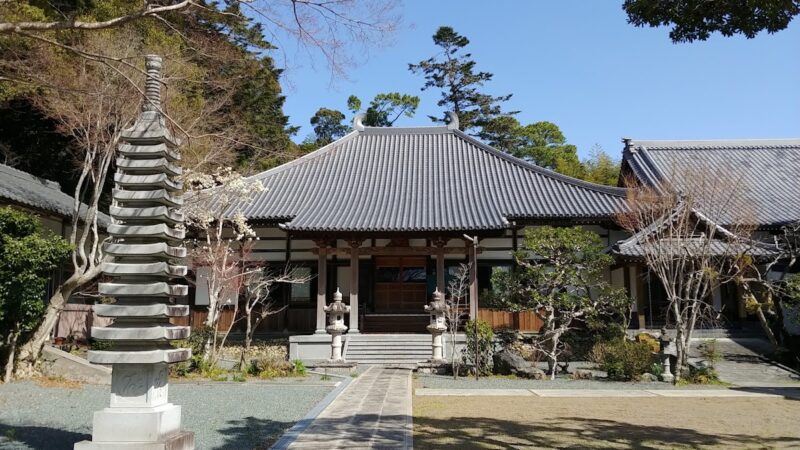
The main hall of Senyoji Temple exhibits a tranquil atmosphere typical of a Jodo sect temple. The principal image is Amida Buddha, and the hall houses Buddhist implements and calligraphy donated by successive chief priests and parishioners.
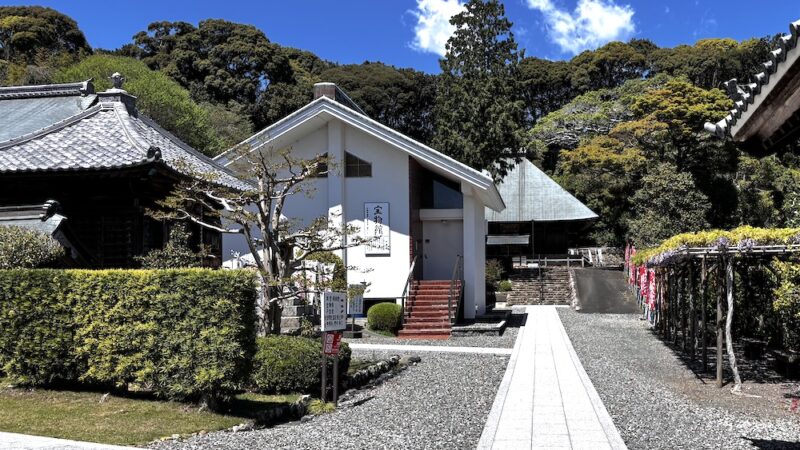
The temple grounds are enveloped in a tranquil atmosphere, and the path leading to the cemetery with its cluster of tombstones is surrounded by ancient trees, creating a solemn ambiance. Cherry blossoms in spring and autumn leaves adorn the grounds, allowing visitors to enjoy the beauty of each season.
As its mountain name, Keizan, suggests, it was once a scenic spot overlooking an inlet to the west. Although the inlet is no longer visible due to changes in the topography, the historical space is preserved amidst a quiet residential area.
Historical Connection to Yokosuka Castle
When visiting Senyoji Temple, understanding its connection to the Yokosuka Castle ruins will deepen your understanding of its history. Yokosuka Castle was a flatland castle built in 1578 by Osuga Yasutaka, located in a strategically important location facing the Enshu Sea.
Castles and temples have a close relationship, and Senyoji Temple, as the lord’s family temple, served as the spiritual pillar of the castle. The relocated Fukai-mon gate, used as the temple gate, is physical evidence of the direct connection between the castle and the temple, symbolizing their historical unity.
The Yokosuka Castle ruins are now maintained as Osuka Shrine and Yokosuka Castle Ruins Park. Visiting both Senyoji Temple and the park allows for a comprehensive understanding of the region’s history from the Sengoku period to the Edo period.
Cultural Property Designation of Senyoji Temple
Shizuoka Prefecture Designated Historic Site: Tomb Group
The Senyoji Temple Tomb Group was designated a Shizuoka Prefecture Designated Historic Site in 1983. This designation signifies recognition of the historical value and academic importance of the tomb group.
The reasons for its designation are as follows:
- Historical Value: As the burial ground of successive lords of Yokosuka Castle, it concretely conveys the history of the region.
- Scale and Condition: A large number of 45 tombstones are preserved in good condition.
- Artistic Value: Excellent stonework demonstrating the high level of stonemasonry skills of the Edo period.
- Academic Value: Important material for the study of burial customs in samurai society.
As a prefectural designated historical site, the group of tombstones is appropriately protected and managed, and regular surveys and restorations are carried out.
Kakegawa City Designated Cultural Property: Temple Gate
The temple gate (Fukai-mon), relocated from Yokosuka Castle, is designated as a Kakegawa City designated cultural property. The example of castle architecture remains being relocated to a temple and still existing is rare, and it is an indispensable part of telling the history of the region.
As a city cultural property, the temple gate undergoes regular maintenance and management, and efforts continue to preserve it for future generations. Visitors who pass through this gate can experience a time slip back to the samurai society of the Edo period.
How to Access Sen’yōji Temple
Basic Information
Address: 1305 Yamazaki, Kakegawa City, Shizuoka Prefecture
Sect: Jōdo-shū (Pure Land Buddhism)
Mountain Name: Keikōzan
Founded: Tenshō 9 (1581)
Founder: Kyōya Shun’a Shōnin
Founder: Ōsuga Yasutaka
Access by Public Transportation
By Train:
- Approximately 20 minutes by car from JR Tōkaidō Main Line “Kakegawa Station”
- Buses are also available from Kakegawa Station (buses bound for Ōsuga)
- Get off at the “Yamazaki” bus stop and walk for approximately 5 minutes
Since public transportation is limited, it is recommended to check the timetable in advance. Taking a taxi is also an option.
Access by Car
Using Expressways:
- Approximately 15 minutes from the Tomei Expressway “Kakegawa IC”
- Approximately 20 minutes from the Shin-Tomei Expressway “Mori-Kakegawa IC”
Using General Roads:
- Accessible via National Route 150
- Via Prefectural Road from Yokosuka
There is some parking space on the temple grounds, but for large vehicles or multiple vehicles, it is recommended to contact the temple in advance.
Nearby Tourist Attractions
When visiting Senyoji Temple, you can have a more fulfilling sightseeing experience by also visiting nearby historical sites.
Yokosuka Castle Ruins: Approximately 5 minutes by car. The site has been developed into Oosuga Shrine and a castle ruins park.
Oosuga Coast: Approximately 10 minutes by car. A beautiful coastline facing the Enshu Sea.
Kakegawa Castle: Approximately 20 minutes by car. Famous for its existing wooden reconstructed castle tower.
Kakegawa Flower and Bird Park: Approximately 25 minutes by car. A popular spot where you can interact with various birds.
Hōtasan Son’eiji Temple: Approximately 30 minutes by car. An ancient Shingon Buddhist temple famous for warding off evil.
Annual Events at Senyōji Temple
Senyōji Temple, as a Jōdo sect temple, holds various memorial services and events throughout the year.
Main Annual Events:
- Spring Equinox Service (March): Memorial service for ancestors
- Flower Festival (April 8th): Memorial service celebrating the birth of Buddha
- Segaki Service (August): Memorial service for beings in the realm of hungry ghosts
- Autumn Equinox Service (September): Memorial service for ancestors
- Ten Nights Service (November): An important Jōdo sect memorial service
During these events, general visitors may be able to participate in addition to temple parishioners. Please contact the temple directly for details.
Points to Note When Visiting Senyoji Temple
Visitor Etiquette
Senyoji Temple is a temple that still functions as a place of worship. Please observe the following points when visiting:
- Be Quiet: Please be quiet within the temple grounds and refrain from entering during religious services.
- Photography: Photography of the tombs is permitted, but permission is required for photography inside the main hall or during religious services.
- Entry into the Cemetery: The tombs are cultural properties, but they are also a cemetery, so please view them with respect.
- Take Your Trash Home: To maintain the beauty of the temple grounds, please be sure to take your trash home with you.
Visiting Hours and Admission Fee
Senyoji Temple is generally open to visitors, but if you wish to tour the inside of the main hall or receive a detailed explanation, it is recommended to contact the temple in advance.
- Visiting Hours: Daytime (bright hours)
- Admission Fee: Generally free (donations welcome)
- Group Visits: Advance reservations required
Best Time to Visit
Sen’yoji Temple can be visited throughout the year, but each season has its own unique charm.
Spring (March-May): Cherry blossoms bloom, creating a vibrant atmosphere on the temple grounds. It can get crowded during the autumn equinox period.
Summer (June-August): Lush greenery and a tranquil atmosphere. It’s a hot time of year, so don’t forget to take precautions against heatstroke.
Autumn (September-November): Beautiful autumn foliage, creating a magnificent contrast with the tombs. It gets crowded during the autumn equinox period.
Winter (December-February): Fewer visitors, allowing for quiet reflection on history. Warm clothing is necessary.
Historical Significance and Future Preservation of Senyoji Temple
Importance in Local History
Senyoji Temple is not merely a temple, but an indispensable presence in the history of the Enshu region. Along with Yokosuka Castle, it testifies to the region’s importance as a key base from the Sengoku period to the Edo period.
The tombs of successive castle lords, such as the Osuga, Ogasawara, and Honda clans, are valuable historical materials that concretely illustrate the changes in samurai society. Furthermore, the inclusion of tombs of wealthy merchants indicates the development of commerce in the castle town, providing clues to understanding the social structure of the time.
Preservation Activities as a Cultural Property
Shizuoka Prefecture and Kakegawa City recognize the cultural value of Senyoji Temple and are striving for appropriate preservation and management. Various initiatives are undertaken, including regular inspections of the tombs, restoration of the temple gate, and improvement of the temple grounds.
Local history enthusiasts and cultural property protection groups also cooperate in the preservation activities of Senyoji Temple, regularly holding tours and cleaning activities. These community-wide efforts are empowering the preservation of this valuable historical heritage for future generations.
Utilization as a Tourism Resource
In recent years, with the growing interest in historical tourism, Senyoji Temple has gained attention as an important tourist resource in Kakegawa City. Many tourists now visit it as part of historical tours that include Kakegawa Castle and the Yokosuka Castle ruins.
The city and the tourism association are developing systems to accommodate tourists, including installing signboards for historical spots such as Senyoji Temple, creating brochures, and conducting guided tours. However, balancing its use as a tourist resource with its protection as a place of worship and cultural property remains a challenge for the future.
Summary: Experience the Charm of Senyoji Temple
Senyoji Temple in Kakegawa City, Shizuoka Prefecture, is a historical temple boasting a magnificent group of tombs and stupas, befitting its nickname, “Enshu’s Koyasan.” Since its founding in 1581 by Osuga Yasutaka, it has served as the family temple of successive lords of Yokosuka Castle, watching over the history of this region.
The temple boasts numerous attractions, including the 4-meter-tall tomb tower of the Osuga family, the Fukaemon Gate relocated from Yokosuka Castle, and a group of 45 tomb towers. These cultural assets, protected as a Shizuoka Prefecture designated historical site and a Kakegawa City designated cultural property, are invaluable relics that convey the samurai society from the Sengoku period to the Edo period.
Its convenient location, approximately 20 minutes by car from Kakegawa Station, is another attractive feature. Visiting it along with the nearby Yokosuka Castle ruins and Kakegawa Castle will allow you to gain a deeper understanding of the history of the Enshu region.
This spot is recommended not only for history buffs but also for those seeking tranquility in a peaceful temple and those who want to experience traditional Japanese culture. Please visit Senyoji Temple at least once to experience its solemn atmosphere and profound history.
Frequently Asked Questions (FAQ)
Q1: How much is the entrance fee for Senyoji Temple?
A1: Visiting the grounds and tomb towers of Senyoji Temple is generally free. However, you can make a donation (a voluntary contribution). If you wish to see the interior of the main hall in detail or receive an explanation, it is recommended that you contact the temple in advance.
Q2: How can I access Senyoji Temple by public transport?
A2: It is about a 20-minute drive from Kakegawa Station on the JR Tokaido Main Line. If you use the bus, take a bus bound for Osuga and get off at the “Yamazaki” bus stop, then it is about a 5-minute walk. However, since the number of buses is limited, it is recommended that you check the timetable in advance.
Q3: Why are the tombs at Senyoji Temple called “Enshu’s Koyasan”?
A3: Senyoji Temple has 45 large tombs, including the Osuga family tomb, which is about 4 meters tall. Its magnificent and solemn appearance is reminiscent of Okunoin at Koyasan, hence the name “Enshu’s Koyasan.” The sight of the densely packed tombs of samurai and wealthy merchants is truly impressive.
Q4: Is it true that the main gate of Senyoji Temple was originally a gate of Yokosuka Castle?
A4: Yes, it is. The current main gate of Senyoji Temple was originally the “Akazu-no-mon” (unopened gate) located in the second bailey of Yokosuka Castle, and was relocated there in the early Meiji period when the castle was abandoned. This gate is designated as a cultural property by Kakegawa City and is a valuable relic of castle architecture.
Q5: What is the best season to visit Senyoji Temple?
A5: Senyoji Temple can be visited throughout the year, but the cherry blossoms are beautiful in spring, and the autumn leaves harmonize beautifully with the tombs, creating a magnificent landscape. Also, there are fewer visitors in winter, allowing for quiet reflection on history. However, it can get crowded with local worshippers during the equinox periods (spring and autumn).
Q6: Are there any other tourist spots near Senyoji Temple? A6: Yes, there are. Yokosuka Castle Ruins (Osuga Shrine and Castle Ruins Park) are about a 5-minute drive away, and visiting them along with Senyoji Temple will give you a deeper understanding of the Osuga clan’s history. Other popular tourist spots include Kakegawa Castle (about a 20-minute drive), Osuga Beach (about a 10-minute drive), and Kakegawa Flower and Bird Park (about a 25-minute drive).
Q7: Is photography allowed at Senyoji Temple?
A7: Photography of the temple grounds and the tombs is generally permitted. However, permission is required to photograph inside the main hall or during religious ceremonies. Also, as it is a cemetery, please photograph with respect and be considerate of other visitors. Permission from the temple is required in advance for commercial photography.
Q8: When was Senyoji Temple founded?
A8: Senyoji Temple was founded in 1581 (Tensho 9) by Osuga Yasutaka, the first lord of Yokosuka Castle. Yasutaka invited the Venerable Shun’a Gyokuya to be the founding abbot, and established the temple as a Jodo sect temple. The temple’s name was derived from taking one character each from the “Senshaku Honganshu” and the “Ojo Yoshu.”