Teiei-ji Temple (Kakegawa City, Shizuoka Prefecture) Complete Guide | History, Access, and Highlights Explained in Detail
Teiei-ji Temple, located in Osaka, Kakegawa City, Shizuoka Prefecture, is a Zen temple of the Myoshin-ji branch of the Rinzai school, founded in 1233 during the early Kamakura period. Nestled in the quiet mountains of the Tokai region, this ancient temple boasts a history of approximately 800 years and continues to welcome many visitors as a center of local faith. This article comprehensively introduces information you should know before visiting, from the historical background of Teiei-ji Temple to its highlights, access methods, and surrounding tourist information.
History and Origin of Teiei-ji Temple
Founding Date and Founder
Teiei-ji Temple was founded in 1233 (Teiei 2). This year is also the origin of the temple’s name, and it was built during the turbulent mid-Kamakura period. At that time, Japan was under the establishment of a samurai government, and Zen Buddhism was spreading, mainly among the samurai class.
Rinzai Zen Buddhism is a branch of Zen Buddhism that originated in China and emphasizes attaining enlightenment through seated meditation (zazen). Teiei-ji Temple currently belongs to the Myoshin-ji branch of the Rinzai school, with Myoshin-ji Temple in Kyoto as its head temple. The Myoshin-ji branch is the largest branch of the Rinzai school, encompassing approximately 3,400 temples nationwide.
Role in the Region
The Osaka district of Kakegawa City is located near Kakegawa, which once flourished as a post town on the Tokaido road. Teiei-ji Temple has served as a spiritual pillar for this region, attracting the faith of local residents. Despite numerous wars in the surrounding area during the Sengoku period, the temple continued to exist as a spiritual center for the people of the region.
During the Edo period, it was placed under the management of the Tokugawa Shogunate’s Commissioner of Temples and Shrines and played a central role in the local danka (parishioner) system. It survived the storm of anti-Buddhist movement after the Meiji Restoration and continues to uphold its Buddhist traditions to this day.
The Grounds and Highlights of Teiei-ji Temple
Main Hall and Buddhist Statues
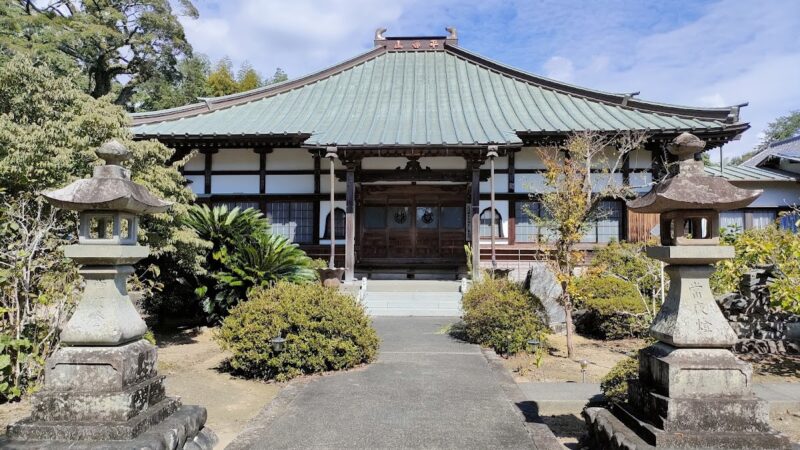
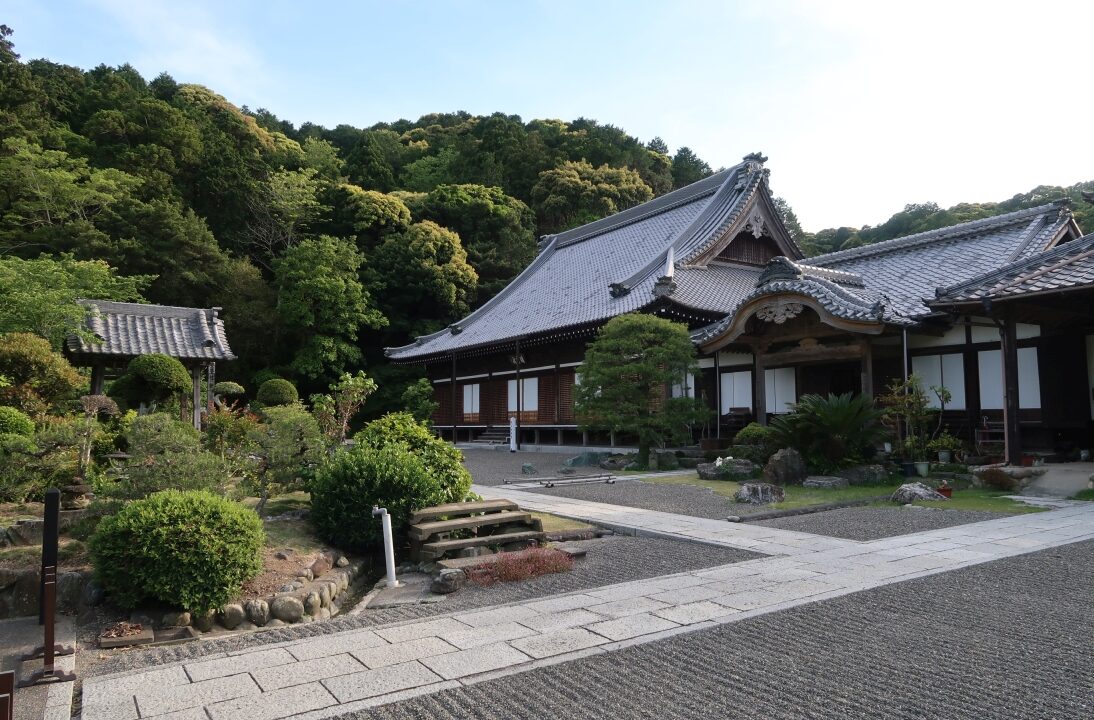
The main hall of Teiei-ji Temple is a wooden building standing quietly amidst a tranquil atmosphere. Typical of a Rinzai Zen temple, it exudes a simple yet solemn space. The principal image is enshrined within the main hall, allowing visitors to quietly offer their prayers.
The dignified atmosphere unique to Zen temples soothes the hearts of visitors, providing spiritual peace away from the hustle and bustle of everyday life. The temple grounds, especially in the early morning, are enveloped in silence, making it the perfect time to experience the spirit of Zen.
Garden and Natural Environment
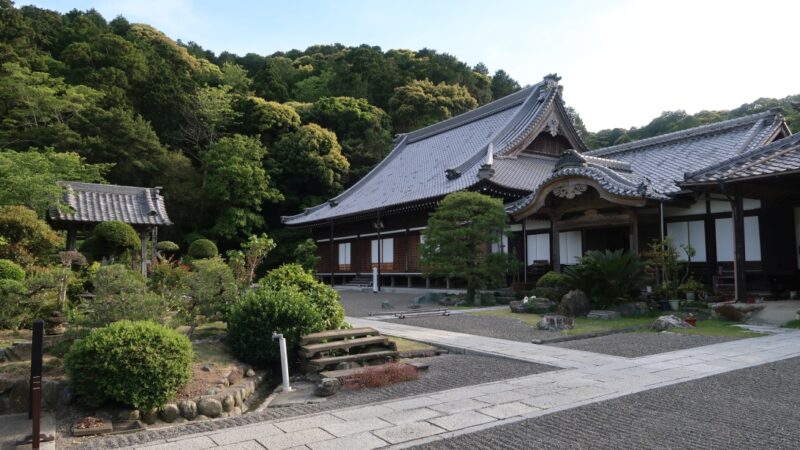
The grounds of Teiei-ji Temple feature a garden where one can enjoy the beauty of nature throughout the seasons. Cherry blossoms bloom in spring, the fresh greenery is vibrant in summer, the autumn leaves color the grounds, and a serene snowscape unfolds in winter.
While many Zen temple gardens are known as “karesansui” (dry landscape gardens), the garden at Jōei-ji Temple utilizes the natural terrain, offering different views depending on the season. Strolling through the grounds, you can experience the Zen worldview integrated with nature.
Temple Gate and Grounds Architecture
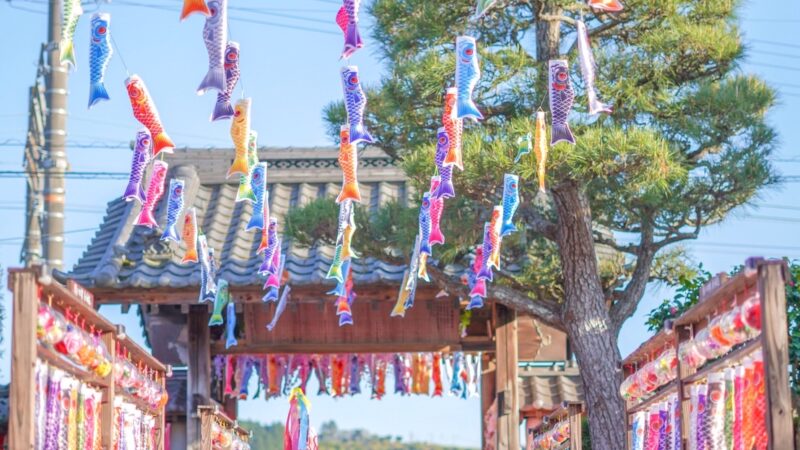
The temple gate, the entrance to the temple, quietly welcomes visitors. Passing through the gate evokes a sense of transition from the secular world to a sacred space. This is an important spatial design element in Zen temples, serving to prepare the worshipper’s mind.
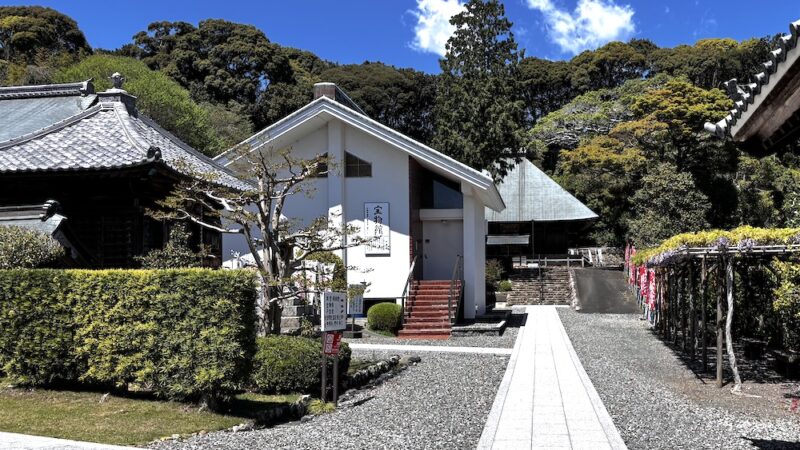
Within the temple grounds, in addition to the main hall, buildings such as the kuri (monk’s quarters) and bell tower are arranged, showcasing the traditional layout of temple architecture.
Basic Information about Teiei-ji Temple
Location and Access
Address: Osaka, Kakegawa City, Shizuoka Prefecture
Sect: Rinzai Zen Myoshin-ji School
Founded: 1233 (Teiei 2)
Transportation Access
Access by Train and Bus
- From JR Kakegawa Station: Approximately 30 minutes by bus from the north exit of Kakegawa Station
- Kakegawa Station is a major station where the Tokaido Shinkansen and Tokaido Main Line stop.
- Bus service is limited, so it is recommended to check the timetable in advance.
Access by Car
- Tomei Expressway: Approximately 15-20 minutes from Kakegawa IC
- Shin-Tomei Expressway: Approximately 20-25 minutes from Mori-Kakegawa IC
- It is recommended to check the availability of parking in advance.
Visiting Information
- Visiting Hours: Daytime (Please contact the temple directly for details)
- Admission Fee: Generally free (additional fees may apply during special viewings)
- Closed Days: None in particular (viewing may be unavailable due to memorial services, etc.)
About the Myoshinji School of Rinzai Zen
Characteristics of the School
The Rinzai school is a branch of Zen Buddhism founded by the Chinese Zen monk Linji Yixuan. It is characterized by its training method using question-and-answer sessions called “koans,” aiming for enlightenment through direct dialogue between master and disciple.
The Myoshinji school, with Myoshinji Temple in Kyoto as its head temple, is known as the largest Zen religious organization in Japan. It emphasizes fundamental Zen principles such as “no dependence on words” and “separate transmission outside the scriptures,” and preaches a practical Buddhist path centered on seated meditation.
Teachings of Zen
The core of Zen Buddhism lies in “shikan taza,” that is, simply sitting in meditation. Through direct experience that transcends thought and concepts, we aim to awaken to one’s true self.
At Teiei-ji Temple, this Zen spirit is continuously passed down, offering visitors time for tranquility and introspection.
History and Culture of Kakegawa City
Historical Background of Kakegawa
Kakegawa City is located in western Shizuoka Prefecture, in the heart of the Tokai region. During the Sengoku period, it developed as a castle town centered around Kakegawa Castle, and during the Edo period, it flourished as a post town on the Tokaido road.
Kakegawa Castle is known as a “famous castle of the Tokai region,” and its restored keep is now a symbol of the city. Kakegawa is also famous as a producer of high-quality tea, and “Kakegawa Tea” is a nationally recognized brand.
Culture of Kakegawa
Kakegawa City is also committed to preserving traditional culture, and traditional events such as the Kakegawa Grand Festival are still passed down today. Many historical buildings remain, including the Ninomaru Tea House and the Kakegawa Castle Palace.
Recommended Tourist Spots Around Teiei-ji Temple
Kakegawa Castle
Kakegawa Castle, a representative tourist spot in Kakegawa City, is about a 20-minute drive from Teiei-ji Temple. Restored in 1994 as Japan’s first “authentic wooden castle tower,” this castle is also known for being the residence of Yamauchi Kazutoyo during the Sengoku period.
From the castle tower, you can enjoy a panoramic view of Kakegawa city, and on clear days, you can even see Mount Fuji. Furthermore, the existing Ninomaru Palace is designated as a National Important Cultural Property, allowing you to see Edo-period samurai architecture up close.
Kakegawa Flower and Bird Park
Kakegawa Flower and Bird Park is an all-weather theme park where you can enjoy flowers in full bloom throughout the year and interact with various birds. Located about a 25-minute drive from Teiei-ji Temple, it’s a popular spot for families.
Within the park, you can directly interact with a wide variety of birds, including colorful parakeets, owls, and penguins. Furthermore, the greenhouse offers a tranquil space with begonias, water lilies, and other flowers in full bloom year-round.
Shiseido Art House & Shiseido Corporate Museum
Kakegawa City is home to the Shiseido cosmetics factory, and the Shiseido Art House and Corporate Museum are located on its grounds. The Art House offers free admission to a collection of modern and contemporary art, while the Corporate Museum provides insights into Shiseido’s history and cosmetic culture.
Hōtasan Son’eiji Temple
Hōtasan Son’eiji Temple, famous for its “yakuyoke dango” (amulet dumplings), is an ancient Shingon Buddhist temple with a long history, similar to Jōeiji Temple. Located in Fukuroi City, next to Kakegawa City, it’s about a 30-minute drive from Jōeiji Temple.
Many worshippers visit during the New Year’s pilgrimage, believing it offers protection against misfortune. The view from the temple grounds is magnificent, and enjoying the famous dumplings after your visit is highly recommended.
Hōtasan Son’eiji Temple, famous for its “yakuyoke dango” (amulet dumplings), is an ancient Shingon Buddhist temple with a long history, similar to Jōeiji Temple. It’s located in Fukuroi City, next to Kakegawa City, about a 30-minute drive from Jōeiji Temple.
Many worshippers visit during the New Year’s pilgrimage, believing it offers protection against evil. The view from the temple grounds is also wonderful, and enjoying the famous dumplings after your visit is highly recommended. ## Gourmet Information Around Teiei-ji Temple
Kakegawa Tea and Tea Cafes
Kakegawa City is one of Japan’s leading tea-producing regions, and there are many tea cafes and tea shops within the city. After visiting Teiei-ji Temple, why not try some local Kakegawa tea?
Kakegawa tea, known as a deep-steamed tea, is characterized by its mellow and rich flavor. At tea cafes, you can enjoy a variety of tea-based dishes, such as matcha sweets and tea soba noodles.
Local Japanese Restaurants
Kakegawa City has many Japanese restaurants that utilize local ingredients. Shizuoka Prefecture is also blessed with seafood, and you can enjoy dishes made with fresh seafood caught in Suruga Bay.
In particular, set meals using locally produced vegetables and fish, and seasonal tempura are popular menu items among visitors.
Eel Dishes
The western region of Shizuoka Prefecture is famous for its eels from Lake Hamana. There are several long-established restaurants in and around Kakegawa City that serve eel dishes prepared using traditional methods. Enjoying authentic eel cuisine after visiting Jōei-ji Temple is highly recommended.
Accommodation Information in Kakegawa City
Hotels near Kakegawa Station
The area around Kakegawa Station offers a variety of accommodations, from business hotels to city hotels. As it’s a Shinkansen (bullet train) stop, access is excellent.
Major hotels include those directly connected to the station and business hotel chains within walking distance, making it a convenient base for sightseeing.
Hot Spring Inns
There are also day-trip hot spring facilities and hot spring inns in and around Kakegawa City. A plan to relax and unwind in a hot spring after enjoying sightseeing at places like Jōei-ji Temple and Kakegawa Castle is highly recommended.
In particular, the mountainous northern area of Kakegawa City boasts quiet hot spring inns surrounded by nature, offering a relaxing escape from the hustle and bustle of the city.
Annual Events in Kakegawa City
Kakegawa Grand Festival
The Kakegawa Grand Festival is Kakegawa City’s largest festival, held once every three years. Magnificent floats parade through the city, attracting large crowds. A traditional event dating back to the Edo period, it offers a valuable opportunity to experience Kakegawa’s culture.
Kakegawa Fireworks Festival
The Kakegawa Fireworks Festival, a summer tradition, attracts many spectators every year. The fireworks launched along the Sakagawa River illuminate the night sky, making it a perfect event for creating summer memories.
Kakegawa Tea Biennale
Events themed around tea, a specialty product of Kakegawa City, are held regularly. These events offer a multifaceted way to enjoy the charm of Kakegawa tea, including tea picking experiences, tea brewing classes, and tea ceremony experiences.
Manners for Visiting Zen Temples
Basic Etiquette for Visiting Zen Temples
When visiting a Zen temple, it is important to observe several basic manners.
- Bow at the Temple Gate: Bow before passing through the temple gate and enter the grounds.
- Maintain Silence: Zen temples are places of training, so please visit quietly.
- Photography: Photography is prohibited in some areas, so please check beforehand.
- Attire: Avoid revealing clothing and visit in clean attire.
About Zen Meditation Experiences
Many Zen temples offer Zen meditation experiences for the general public. It’s possible that Jōei-ji Temple also holds Zen meditation sessions, so if you’re interested, we recommend contacting the temple beforehand.
Zen meditation is a meditation technique where you sit quietly with correct posture and focus on your breath. Many sessions are suitable for beginners, offering a valuable opportunity to regain peace of mind in today’s stressful society.
Other Zen Temples in Shizuoka Prefecture
Shūzen-ji Temple (Izu City)
Besides Jōei-ji Temple, there are many other historical Zen temples in Shizuoka Prefecture. Shuzenji Temple in Izu City is an ancient temple founded in 807 by Kobo Daishi Kukai, and is now known as a Soto Zen Buddhist temple.
Located in the heart of Shuzenji Onsen, it’s a popular spot to visit in conjunction with a stroll through the hot spring town. Within the temple grounds is the source of the Tokko-no-Yu hot spring, said to have been created by Kukai himself.
Rinzai-ji Temple (Shizuoka City)
Rinzai-ji Temple, located in Aoi Ward, Shizuoka City, is a Rinzai Zen Myoshinji sect temple known as the family temple of Imagawa Yoshimoto. It is also famous for having had Taigen Sessai, a military strategist of the Sengoku period, as its head priest, and is known as the temple where Tokugawa Ieyasu studied in his childhood.
While usually closed to the public, it is open to the public a few times a year for special viewings, allowing visitors to see its valuable cultural assets and beautiful gardens.
Access to Kakegawa City
From Tokyo
- Shinkansen: Approximately 1 hour 30 minutes by Tokaido Shinkansen “Hikari” or approximately 2 hours by “Kodama” from Tokyo Station
- Car: Approximately 2 hours 30 minutes to 3 hours via the Tomei Expressway
From Nagoya
- Shinkansen: Approximately 50 minutes by Tokaido Shinkansen “Hikari” or approximately 1 hour 10 minutes by “Kodama” from Nagoya Station
- Car: Approximately 1 hour 30 minutes via the Tomei Expressway
From Osaka
- Shinkansen: Approximately 2 hours by Tokaido Shinkansen “Hikari” or approximately 2 hours 30 minutes by “Kodama” from Shin-Osaka Station
- Car: Approximately 4 hours via the Meishin Expressway and Tomei Expressway
Recommended Plan for Visiting Teieiji Temple
Day Trip Plan
Morning:
- 9:00 Arrive at Kakegawa Station
- 9:30 Visit Teiei-ji Temple (approx. 1 hour)
- 11:00 Visit Kakegawa Castle
Afternoon:
- 12:30 Lunch in Kakegawa City (Kakegawa tea and local cuisine)
- 14:00 Visit Kakegawa Flower and Bird Park or Shiseido Art House
- 16:30 Purchase souvenirs around Kakegawa Station
- 17:00 Depart from Kakegawa Station
2-Day/1-Night Plan
Day 1:
- Morning: Arrive in Kakegawa, visit Teiei-ji Temple
- Afternoon: Visit Kakegawa Castle and Ninomaru Tea House
- Evening: Stay overnight in Kakegawa City or a nearby hot spring resort
Day 2:
- Morning: Visit Hatta-san Son’ei-ji Temple
- Afternoon: Visit Kakegawa Flower and Bird Park or a tea plantation
- Evening: Depart from Kakegawa Station
Summary
Sadae-ji Temple, a historic temple of the Myoshin-ji branch of the Rinzai school of Zen Buddhism, founded in 1233, stands quietly in the mountains of Kakegawa City, Shizuoka Prefecture. Having attracted the faith of the local community for approximately 800 years, this temple remains an important place for conveying the spirit of Zen even today.
Kakegawa City boasts a variety of attractions, including tourist spots such as Kakegawa Castle and Kakegawa Flower and Bird Park, local cuisine including Kakegawa tea, and hot springs. Why not plan a trip centered around a visit to Sadae-ji Temple, allowing you to fully enjoy Kakegawa City’s history, culture, and nature?
Accessible from Kakegawa Station, a stop on the Tokaido Shinkansen, it’s easily accessible from major cities such as Tokyo, Nagoya, and Osaka. Enjoy a day trip or an overnight stay in Kakegawa City, and find peace of mind amidst the tranquil atmosphere of Sadae-ji Temple.
The dignified atmosphere unique to Zen temples and the beautiful scenery woven by the changing seasons will leave a deep impression on visitors. Teiei-ji Temple, where you can escape the hustle and bustle of modern society and have time to reflect on yourself, is the perfect place to refresh your mind.