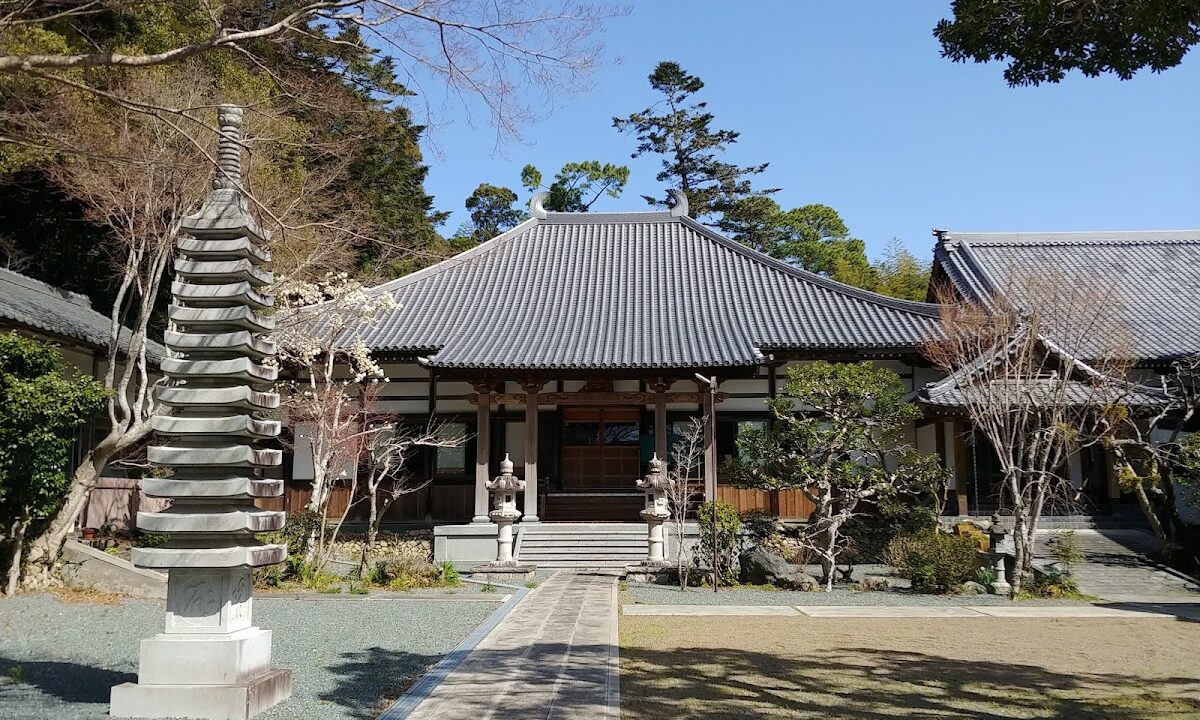
Complete Guide to Sosenji Temple (Kakegawa City, Shizuoka Prefecture) | History, Highlights, Access, and Goshuin Information
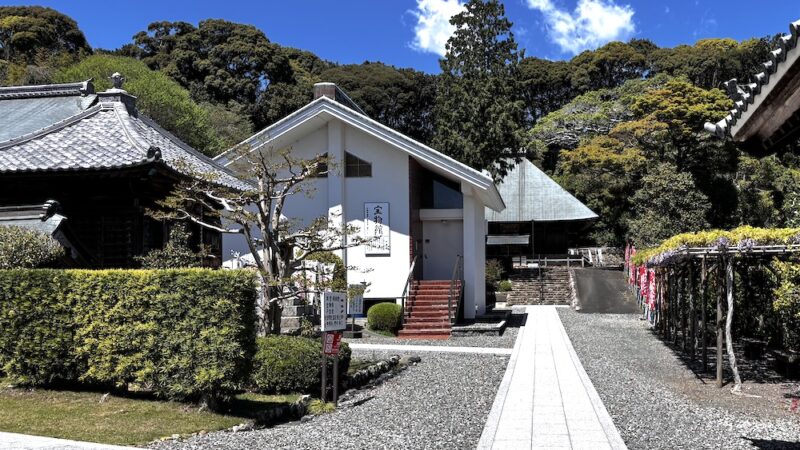
Sosenji Temple, located in Nishi-Obuchi, Kakegawa City, Shizuoka Prefecture, is a Soto Zen Buddhist temple established at the end of the Sengoku period. Founded by Osuga Yasutaka, the first lord of Yokosuka Castle, out of deep love for his deceased wife, the temple is known for its vermilion-lacquered gate (a prefectural designated cultural property) and the beautiful bamboo grove surrounding it. This article provides a detailed overview of Sosenji Temple, from its history and highlights to information for visitors.
History and Origin of Sosenji Temple
Background of its Founding and Osuga Yasutaka
Sosenji Temple was founded in 1579 (Tensho 7) by Osuga Yasutaka, the first lord of Yokosuka Castle. Osuga Yasutaka was a samurai who served under Tokugawa Ieyasu and played a key role in the construction of Yokosuka Castle in Totomi Province and the development of its surrounding town.
Yasutaka built Sosenji Temple to pray for the repose of his beloved wife’s soul. His deceased wife’s posthumous Buddhist name was “Kōkeiin-dono Seishin Sosen Daishi,” and he chose “Sosen,” part of that name, as the temple’s name. This name embodies his deep affection for his late wife.
Relationship with the Founder, Abbot Shigetake
The founder of Sosenji Temple was Abbot Shigetake. In fact, Abbot Shigetake was Yasutaka Ōsuga’s uncle. It is believed that Yasutaka asked his blood relative, his uncle, to be the founder, hoping for a more meaningful memorial service. This blood relationship indicates that Sosenji Temple held a special significance for the Ōsuga family, more than just a family temple.
Mountain Name and Sect
The mountain name of Sosenji Temple is “Daienzan,” and it belongs to the Sōtō Zen sect. The Soto Zen sect is a branch of Zen Buddhism introduced to Japan during the Kamakura period by Zen Master Dogen. It is known for its emphasis on seated meditation (shikantaza), a practice emphasizing zazen. With numerous temples throughout Japan, it remains one of the major Buddhist sects, attracting many followers.
The principal image is Shakyamuni Buddha, the founder of Buddhism.
Highlights and Cultural Properties of Sosenji Temple
Vermilion-lacquered Gate (Prefectural Designated Cultural Property)
The greatest highlight of Sosenji Temple is its vermilion-lacquered gate (sanmon), a Shizuoka Prefecture designated cultural property. This gate was donated in 1711 by the wealthy merchant Mikawaya, and was built approximately 130 years after the temple’s founding.
Architectural Style of the Tower Gate
The tower gate is a valuable architectural structure with the following characteristics:
- Form: A single-bay, single-entrance tower gate style
- Roof: Hip-and-gable roof, tiled roof
- Structure: The upper story has three bays in length and two bays in width
- Exterior: The walls are finished with white plaster, and the wooden parts are painted vermilion
- Features: There are no outer walls; it is open-air, and a railing surrounds it.
The contrast between the vermilion-painted pillars and beams and the white plaster walls is beautiful, and the harmony with the surrounding bamboo grove creates a magnificent landscape. As a surviving tower gate structure built in the mid-Edo period, it is a rare and valuable cultural asset in this region.
Architectural Style of the Main Hall
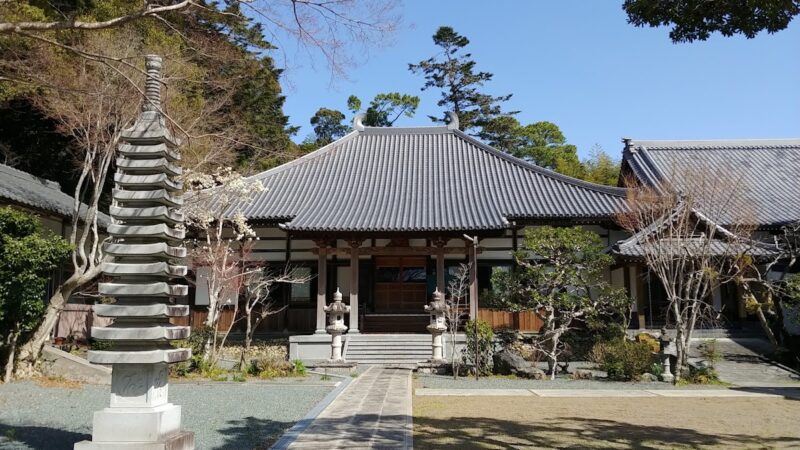
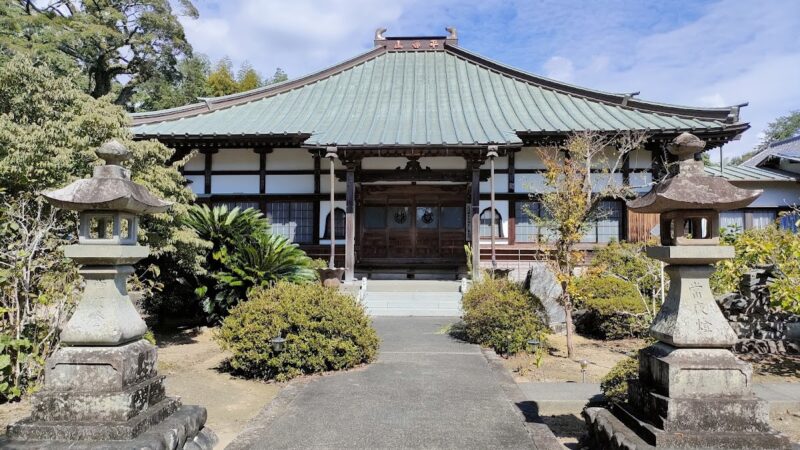
The main hall is a single-story wooden building with a hipped roof and tiled roof. It has a length of seven bays, and the exterior walls are of the true-wall construction with a white plaster finish. With its simple yet dignified appearance, it maintains the prestige of a Soto Zen temple.
Bamboo Grove and Temple Grounds
The bamboo grove leading to the main gate is one of the charms of Sosenji Temple. The vermilion gate and the lush green of the bamboo grove harmonize beautifully, delighting the eyes of visitors. Entering the temple grounds after passing through the bamboo grove, one can find peace of mind in a tranquil atmosphere.
The changing seasons are also beautiful, with the fresh green of spring, the deep green of summer, the vibrant autumn leaves, and the tranquility of winter each display a different face.
Visiting Information and Access
Basic Information
- Temple Name: Daienzan Sosenji Temple
- Sect: Soto Zen Buddhism
- Principal Image: Shakyamuni Buddha
- Address: 5532 Nishi-Obuchi, Kakegawa City, Shizuoka Prefecture 437-1304
- Phone Number: 0537-48-3230
Access Methods
Access by Public Transportation
- JR Tokaido Main Line: Approximately 1 hour 26 minutes on foot from Aino Station (approx. 6.9 km)
- JR Tokaido Main Line: Approximately 2 hours 37 minutes on foot from Fukuroi Station (approx. 7.7 km)
- By Bus: Approximately 7 minutes on foot from Shin-Yokosuka bus stop (approx. 494 m)
- By Bus: Approximately 12 minutes on foot from the Yokosuka High School Entrance bus stop.
Public transportation access is somewhat inconvenient, so we recommend using a taxi or combining it with walking from the bus stop.
Access by Private Car
Approximately 20 minutes by car from Kakegawa city center. Accessible in approximately 15 minutes from the Tomei Expressway Kakegawa Interchange. There is parking space for visitors on the temple grounds, but please inquire with the temple in advance for details.
Visiting Hours and Precautions
Madoizumi-ji Temple is a temple that still functions as a place of worship. Please note the following points when visiting:
- Please be quiet on the temple grounds and avoid disturbing other visitors or practitioners.
- Photography is permitted, but there are areas where photography is restricted, such as inside the main hall.
- Please do not touch the gate, which is a cultural property.
- Please take all your trash with you.
About Goshuin (Temple Seals)
Goshuin (temple seals) are available at Madoizumi-ji Temple. Goshuin serve as proof of your visit and are important for establishing a connection with the temple. ### Manners for Receiving a Goshuin (Temple Stamp)
- Always complete your prayers before requesting a Goshuin.
- Bringing your Goshuincho (stamp book) is recommended.
- Prepare the Goshuin fee (offering) in advance.
- As the head priest or temple staff may be absent, it is recommended to call ahead to confirm.
About Perpetual Memorial Services and Cemeteries
Madoizumi-ji Temple accepts both perpetual memorial graves and general cemeteries. As a Soto Zen temple, we perform memorial services for the deceased through daily chanting and memorial services.
Characteristics of Soto Zen Memorial Services
Soto Zen temples perform seven types of daily chanting, and are characterized by their meticulous memorial services. For detailed information on perpetual memorial services and cemeteries, including costs, please contact the temple directly.
Nearby Tourist Attractions
Yokosuka Castle Ruins
The ruins of Yokosuka Castle, built by Osuga Yasutaka, the founder of Madoizumi-ji Temple, are nearby. The site is now a castle ruins park, with some of the stone walls and moats remaining. Visiting it in conjunction with Madozumi-ji Temple allows you to experience the history of the Sengoku period more deeply.
Kakegawa Castle
Kakegawa Castle, a representative tourist spot in Kakegawa City, is about a 20-minute drive from Madozumi-ji Temple. Known as a “famous castle of the Tokai region,” the castle tower offers a panoramic view of Kakegawa city.
Kotonomama Hachimangu Shrine
Kotonomama Hachimangu Shrine, which has long been revered as a “shrine where wishes come true,” is also located in Kakegawa City. Many people visit this historic shrine in conjunction with Madozumi-ji Temple.
History and Culture of Kakegawa City
Kakegawa City, where Madozumi-ji Temple is located, was a castle town that flourished as a key point on the Tokaido road from the Sengoku period to the Edo period. Many historical buildings and cultural properties remain today, making it an attractive area for history enthusiasts.
Characteristics of the Osuga District
The Osuga district (formerly Osuga Town), where Madozumi-ji Temple is located, was an independent town until its merger with Kakegawa City in 2005. It has a history of developing as a castle town of Yokosuka Castle, and even today, you can see streetscapes that retain the atmosphere of that time.
Recommended Points When Visiting Madozumi-ji Temple
Enjoy the Tranquil Atmosphere
The greatest charm of Madozumi-ji Temple is its tranquil atmosphere. Passing through the vermilion gate and through the bamboo grove into the temple grounds, you can enjoy a peaceful time away from the hustle and bustle of everyday life. Please inquire with the temple in advance regarding the availability of experiences such as Zen meditation and sutra copying.
Best Photo Spot
The contrast between the vermilion gate and the bamboo grove makes for an excellent photo spot. The following times and seasons are especially recommended:
- Early morning: The gate tower illuminated by the morning sun is beautiful.
- Spring: The contrast between the fresh green bamboo grove and the vermilion gate is vivid.
- Autumn: The harmony between the surrounding autumn leaves and the gate tower is magnificent.
- Winter: The temple grounds covered in snow (during snowfall).
As a historical exploration course
For those interested in the history of Osuga Yasutaka and Yokosuka Castle, a historical exploration course combining the Yokosuka Castle ruins and Sosenji Temple is recommended. You can experience firsthand the love of the Sengoku warlord for his wife and the history of the castle town’s development.
Cultural value of Sosenji Temple
Importance to the region
Sosenji Temple is not merely a tourist spot; it continues to play an important role as a center of faith in the region. As the family temple of the local people and a training ground for the teachings of the Soto Zen sect, it has been deeply connected to the local community throughout its long history.
Architectural Historical Value
The gatehouse, designated a prefectural cultural property, retains many characteristics of mid-Edo period gatehouse architecture, making it a valuable historical structure. It is a rare style of gatehouse in this region and an important cultural asset that conveys the architectural techniques and aesthetic sensibilities of the time.
Summary
Madoizumi-ji Temple, located in Kakegawa City, Shizuoka Prefecture, is a historic Soto Zen temple built by the Sengoku period warlord Osuga Yasutaka to mourn his deceased wife. The landscape created by the vermilion-painted gatehouse (a prefectural cultural property) and the beautiful bamboo grove leaves a deep impression on visitors.
With its historical value, architectural value, and tranquil atmosphere, Madoizumi-ji Temple is a must-visit spot when visiting Kakegawa City. Combining a visit with nearby tourist attractions such as Yokosuka Castle Ruins and Kakegawa Castle will make for a more fulfilling historical exploration.
When you visit, why not spend some time in the tranquil grounds, reflecting on the history of this temple, founded by Osuga Yasutaka out of his deep love for his wife?
Before your visit, we recommend calling to confirm opening hours and the hours for receiving temple stamps. Also, please cooperate in preserving the cultural assets of the temple gate and grounds, and be sure to observe proper etiquette during your visit.