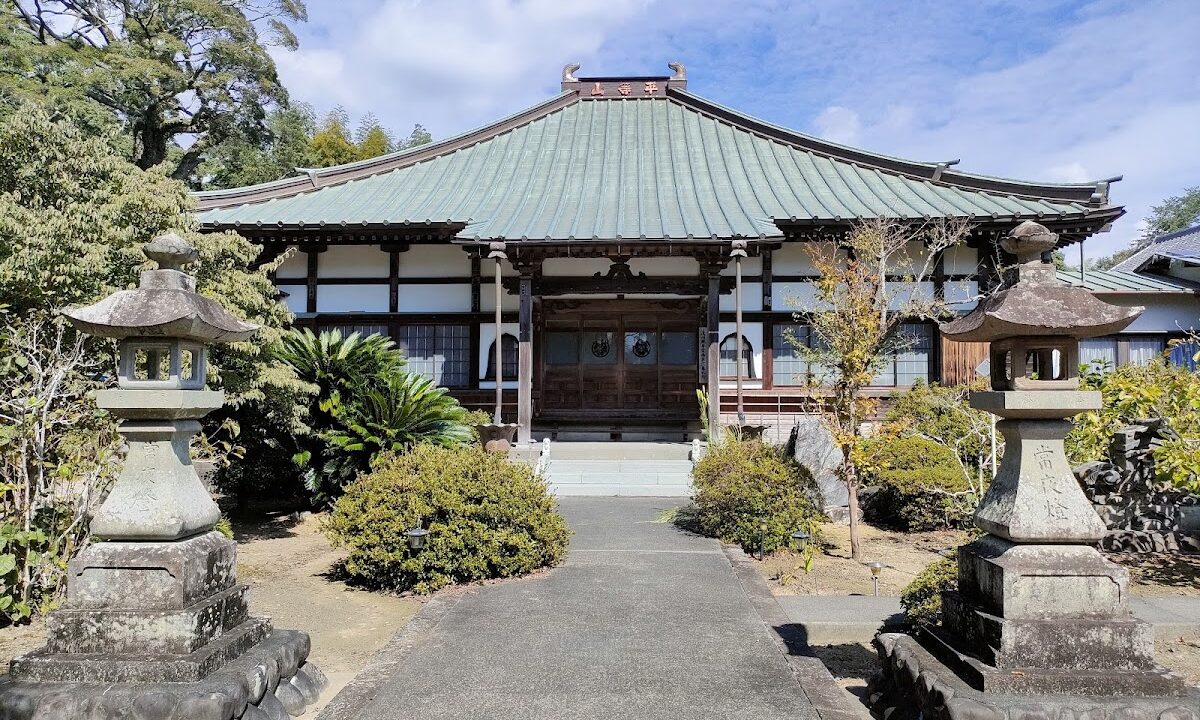
Complete Guide to Ryuminji Temple (Kakegawa City, Shizuoka Prefecture) | Family Temple of the Nishio Family, Lords of Yokosuka Castle, and one of the 33 Kannon Pilgrimage Sites of Enshu
Located in Nishi-Obuchi, Kakegawa City, Shizuoka Prefecture, Ryuminji Temple is an ancient Soto Zen temple boasting a history of over 500 years. Known as the family temple of the Nishio family, lords of Yokosuka Castle, it is also the 11th stop on the 33 Kannon Pilgrimage Sites of Enshu, attracting many visitors. This article comprehensively introduces information you should know before visiting Ryuminji Temple, including its history, highlights, goshuin (temple stamp) information, and access methods.
History and Origin of Ryuminji Temple
Founding and Origin of the Temple Name
Ryuminji Temple is a Soto Zen temple founded in 1496 (Meio 5). Its mountain name is “Byodozan,” and it is also known as “Annonzan.” As a branch temple of the Soto Zen Buddhist temple Rinsouin on Takakusa Mountain in Sakamoto, Yaizu City, it has supported the Buddhist culture of the Enshu region since the late Muromachi period.
The temple’s name, “Ryumin,” is thought to have been chosen as a word symbolizing the state of enlightenment and deep meditation in Buddhism. The mountain name, “Byodozan,” expresses the Buddhist principle of equality, “Issai Shujo Shitsu You Butsu-sho” (all sentient beings possess Buddha-nature).
Deep Connection with the Nishio Family, Lords of Yokosuka Castle
The most distinctive feature of Ryuminji Temple is that it is the family temple of the Nishio family, lords of Yokosuka Castle. The tombs of successive generations of the Nishio family, starting with the thirteenth lord of Yokosuka Castle, Nishio Tadanari, are enshrined on the temple grounds.
Yokosuka Castle, as an important base in Totomi Province (present-day western Shizuoka Prefecture), played a central role in the politics and military of the Enshu region from the Sengoku period to the Edo period. The Nishio family was a prestigious family that served the Tokugawa shogunate as hereditary daimyo. Their family temple, Ryūmin-ji, is not merely a religious facility, but a valuable historical site that conveys the history and culture of the region to the present day.
Within the temple grounds, the tombstones of successive generations of the Nishio family are neatly arranged, making them important resources for studying Edo period stone art and burial customs. The burial site is remarkably well-preserved within Shizuoka Prefecture, and is a valuable cultural asset that provides insight into the burial customs of daimyo families of that era.
Enshu Thirty-Three Kannon Pilgrimage Site No. 11
What is the Enshu Thirty-Three Kannon Pilgrimage?
Ryūmin-ji is designated as the 11th temple of the Enshu Thirty-Three Kannon Pilgrimage. The Enshu Thirty-Three Kannon Pilgrimage is a pilgrimage route visiting 33 Kannon temples scattered throughout western Shizuoka Prefecture (formerly Tōtōmi Province).
This pilgrimage has been popular among common people since the Edo period, and even today, many pilgrims visit the sites to pray for peace of mind and the fulfillment of their wishes. The number 33 originates from the teachings of the Kannon Sutra, which states that Kannon Bodhisattva transforms into 33 different forms to save sentient beings.
Principal Image: Holy Kannon Bodhisattva
The principal image of Ryumin-ji Temple is the Holy Kannon Bodhisattva. Holy Kannon is the basic form of Kannon Bodhisattva, depicted with one face and two arms. It has been worshipped since ancient times as a Buddha who relieves the suffering of sentient beings with compassion and grants their wishes.
The Holy Kannon statue at Ryumin-ji Temple is known for its graceful form that brings quiet peace to the hearts of worshippers. In the Kannon Hall, pilgrims can quietly clasp their hands together and spend time tranquilizing their minds away from the hustle and bustle of daily life.
Highlights of Ryuminji Temple
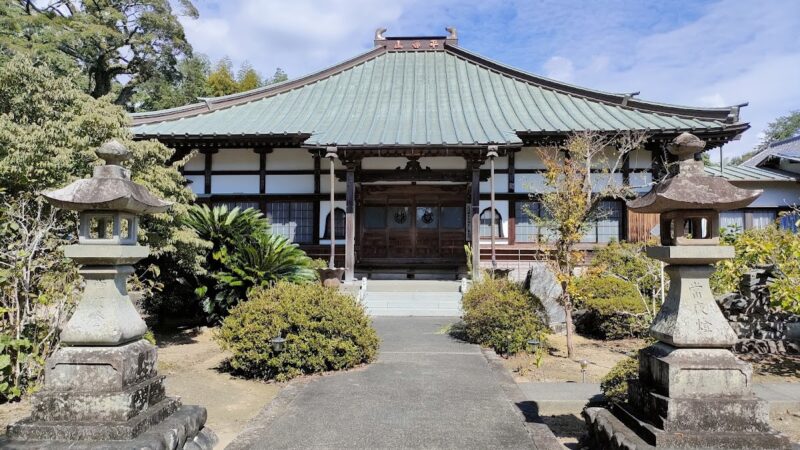
Atmosphere of the Main Hall and Temple Grounds
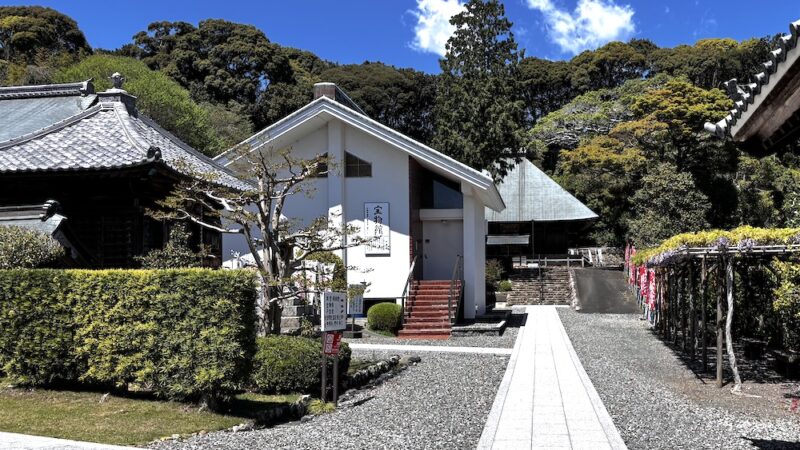
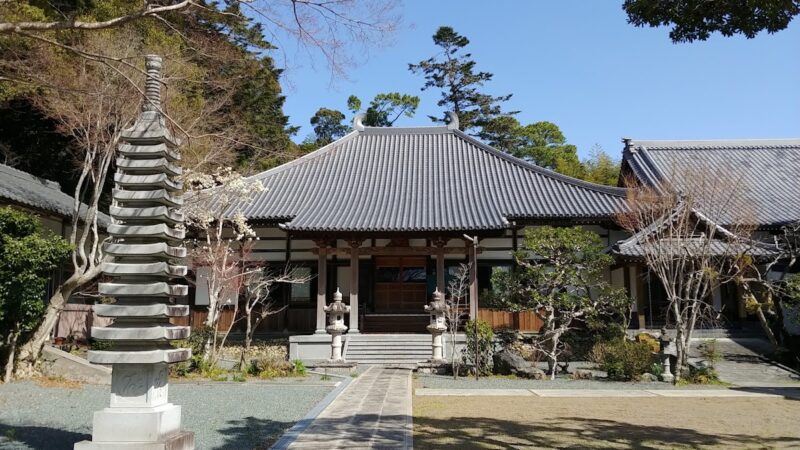
Ryuminji Temple’s grounds are characterized by their tranquil atmosphere, nestled amidst a peaceful rural landscape. With a history spanning over 500 years since its founding, the grounds are surrounded by ancient trees, allowing visitors to enjoy the beauty of nature throughout the seasons.
The main hall, simple yet dignified in the style of a Soto Zen temple, embodies the spirit of Zen architecture. The well-maintained gardens within the grounds offer peace of mind to visitors.
Burial Grounds of the Nishio Family
The greatest highlight of the temple grounds is the burial grounds of the Nishio family, lords of Yokosuka Castle. As a valuable historical site that preserves the Edo period daimyo burial system, it attracts attention from history enthusiasts and researchers.
The tombstones showcase the pinnacle of stonemasonry techniques of the time, and the inscriptions, including posthumous names and dates of death, allow visitors to trace the history of the Nishio family. The cemetery is open to the public, making it a valuable place to experience the region’s history firsthand.
Atmosphere of the Kannon Hall and Pilgrimage Site
The Kannon Hall, as the 11th temple of the Enshu Thirty-Three Kannon Pilgrimage, is an important pilgrimage spot for pilgrims. Inside, the principal image, the Holy Kannon Bodhisattva, is enshrined, and a serene atmosphere permeates the space.
During the pilgrimage season, pilgrims in white robes can be seen, preserving the ancient form of faith. The scent of incense fills the air in front of the Kannon Hall, and the prayers of worshippers never cease.
Goshuin (Temple Seal) Information
Goshuin of Ryuminji Temple
Ryuminji Temple offers Goshuin (temple seals) to visitors. The Goshuin, as the 11th temple of the Enshu Thirty-Three Kannon Pilgrimage, is a precious memento for pilgrims.
The Goshuin (temple stamp) features the calligraphy of “Holy Kannon Bodhisattva” and the temple’s seal. Each beautifully written calligraphy is carefully crafted and cherished as proof of pilgrimage.
Goshuin Reception Hours and Location
Goshuin are available at the temple office. However, since there may not always be a resident monk, it is recommended to call ahead to confirm.
Contact Information: 0537-48-2504
If you bring your Goshuincho (stamp book), they will write it directly for you. However, if no monk is present, pre-written Goshuin may be available. A special Goshuincho for the Enshu Thirty-Three Kannon Pilgrimage is also sold, and is recommended for those beginning their pilgrimage.
Pilgrimage Guidelines
Goshuin are not part of a stamp rally; they are given as proof of pilgrimage. It is important to first pay your respects at the main hall and the Kannon Hall, and offer your prayers with sincerity.
When visiting the temple, please observe the following basic etiquette:
- Bow at the temple gate before entering the grounds.
- Cleanse your hands and mouth at the water basin.
- Pay your respects at the main hall and the Kannon hall.
- Receive a temple stamp (Goshuin).
- Bow at the temple gate when leaving the grounds.
Access Information
Location
Address: 5654 (or 5659) Nishi-Obuchi, Kakegawa City, Shizuoka Prefecture 437-1421
Ryuminji Temple is located in the quiet rural area of Nishi-Obuchi district in the western part of Kakegawa City. Surrounded by a rural landscape, it stands in a peaceful atmosphere.
Access by Public Transportation
By Bus from JR Fukuroi Station
- Travel Time: Approximately 25 minutes
- Take a local bus from JR Fukuroi Station
- A few minutes’ walk from the bus stop
By Bus from JR Kakegawa Station
- Travel Time: Approximately 50 minutes
- Take a local bus from JR Kakegawa Station
- Since the number of buses is limited, it is necessary to check the timetable in advance.
Access by public transportation is somewhat inconvenient, so we recommend planning with plenty of time to spare.
Access by Car
From the Tomei Expressway
- Approximately 25 minutes from Tomei Kakegawa IC
- Approximately 25 minutes from Tomei Fukuroi IC
The travel time is approximately the same from both interchanges. For car navigation, entering “Ryuminji Temple, Kakegawa City” or the address is recommended.
Parking Information
Ryuminji Temple has a free parking lot for visitors.
- Parking Capacity: Approximately 40 cars
- Fee: Free
- Operating Hours: Same as the temple grounds’ opening hours
The spacious parking lot makes visiting by car convenient. Group visits by large buses are also possible.
Visiting Information
Visiting Hours and Admission Fee
- Visiting Hours: Free access to the temple grounds (daytime visits recommended)
- Admission Fee: Free
- Holidays: Open every day
While you can generally visit the temple grounds freely, please refrain from visiting early in the morning or late at night. If you wish to receive a Goshuin (temple stamp) or detailed explanations, daytime visits are recommended.
Contact Information
Phone Number: 0537-48-2504
Please call us if you have any questions regarding Goshuin issuance times, special event dates, etc., that you would like to confirm in advance.
Nearby Tourist Attractions
Other Temples of the Enshu Thirty-Three Kannon Pilgrimage
If you visit Ryuminji Temple, why not also visit the other temples of the nearby Enshu Thirty-Three Kannon Pilgrimage? Each temple has its own unique history and charm, and through the pilgrimage, you can gain a deeper understanding of the history and culture of the Enshu region.
Kakegawa Castle
Located in the heart of Kakegawa City, Kakegawa Castle is a beautiful castle known as one of the “famous castles of the Tokai region.” From the castle tower, you can enjoy a panoramic view of Kakegawa city, making it a recommended spot for history buffs. It is about a 30-minute drive from Ryuminji Temple.
Yokosuka Castle Ruins
You can also visit the ruins of Yokosuka Castle, which has a deep connection to Ryuminji Temple. By seeing the remains of the castle ruled by the Nishio family, you can gain a deeper understanding of the historical background of Ryuminji Temple.
Points to Note When Visiting Ryuminji Temple
Scenery of the Four Seasons
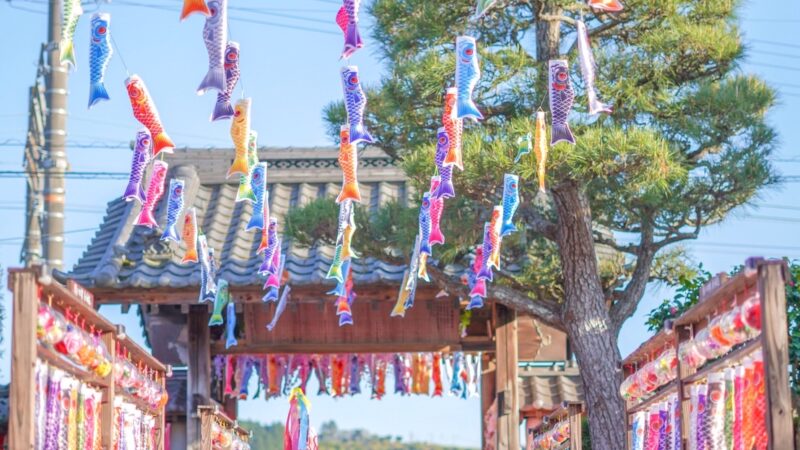
Ryuminji Temple shows different expressions throughout the four seasons. In spring, you can enjoy cherry blossoms and fresh greenery; in summer, deep green; in autumn, vibrant autumn leaves; and in winter, serene snowscapes. Each season offers its own unique charm.
The autumn foliage season, in particular, is beautiful, attracting many visitors. Visiting the temple grounds while appreciating the changing seasons in its tranquil setting will surely be a refreshing experience for the soul.
Photography
Photography is generally permitted on the temple grounds, but there are areas where photography is restricted, such as inside the main hall and in the cemetery. Please check before taking photos and be considerate of other visitors.
Clothing and Belongings
Please dress appropriately for visiting a temple. While there are no strict rules, it is considered good manners to avoid revealing clothing.
The following items are helpful to bring:
- Goshuincho (stamp book) (if you wish to receive a stamp)
- Prayer beads (if you have one)
- Camera
- Drinks (especially in summer)
Annual Events at Ryuminji Temple
As a Soto Zen temple, Ryuminji Temple holds various Buddhist events throughout the year. The main events include:
Spring and Autumn Equinox Services
During the spring and autumn equinoxes, memorial services are held for ancestors. Memorial services are also held at the Nishio family grave site, and local people visit to pay their respects.
Kannon Festival
On the 18th of each month, which is the festival day of Kannon Bodhisattva, special memorial services are sometimes held. As a pilgrimage site of the Enshu Thirty-Three Kannon Pilgrimage, the temple continues to uphold the tradition of Kannon worship.
Ryūminji Temple’s Connection to the Community
As a Center of Local Culture
For over 500 years, Ryūminji Temple has been deeply rooted in the community as a spiritual pillar of the Nishi-Ōbuchi district. It functions not only as a venue for funerals and memorial services, but also as a place for local cultural activities and exchanges.
A Place for Historical Education
Ryūminji Temple, which houses the Nishio family’s burial grounds, is also a valuable resource for learning about local history. It is sometimes visited by local elementary and junior high school students for local history lessons, playing a role in conveying local history and culture to children.
Summary: The Charm of Visiting Ryūminji Temple
Ryūminji Temple in Kakegawa City, Shizuoka Prefecture, is a Sōtō Zen Buddhist temple with a long history, founded in 1496 (Meiō 5). It holds historical and religious significance as the family temple of the Nishio family, lords of Yokosuka Castle, and as the 11th temple of the Enshū Thirty-Three Kannon Pilgrimage.
The tombs of successive generations of the Nishio family, remaining on the temple grounds, are a valuable historical site that conveys the Edo period daimyo culture, and a must-see spot for history buffs. Nestled amidst a tranquil rural landscape, the temple grounds offer a perfect place to escape the hustle and bustle of everyday life and find peace of mind.
Why not visit Ryuminji Temple as part of your pilgrimage to the 33 Kannon temples of Enshu, or as part of your historical exploration of Kakegawa City? You’re sure to spend a peaceful time in the temple grounds, where over 500 years of history quietly breathes.
Access is most convenient by car, and free parking is available. If you wish to receive a Goshuin (temple stamp), it is recommended to call ahead to confirm availability. Enjoy a leisurely visit while appreciating the beautiful nature and historical atmosphere that change with the seasons.