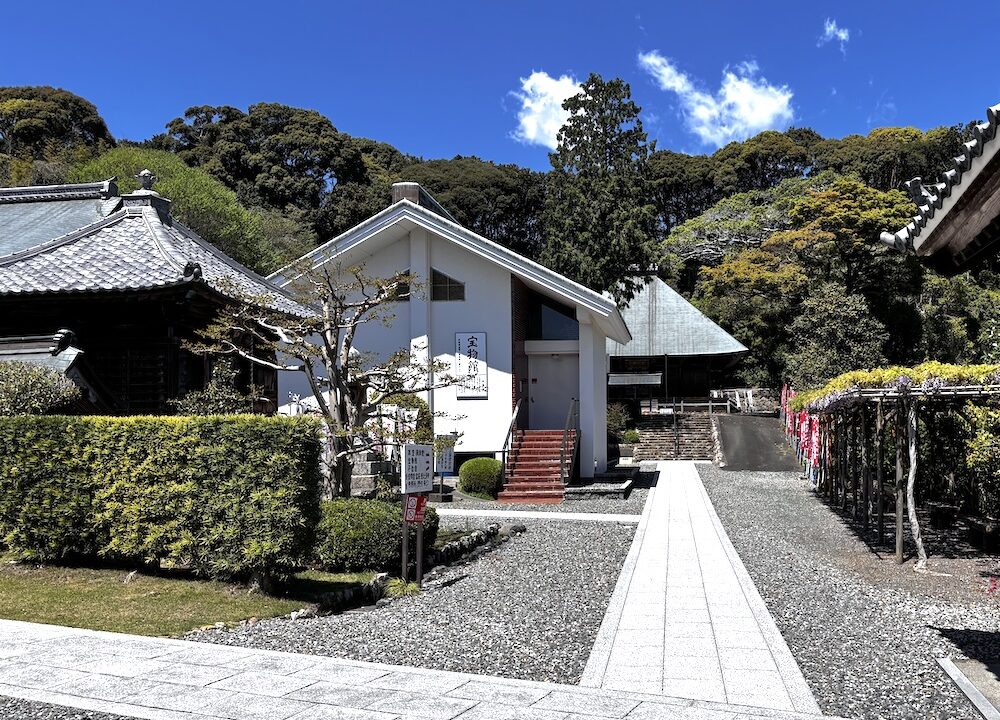
Oga-ji Temple (Shizuoka Prefecture) Complete Guide: History, Highlights, and Access Information
Oga-ji Temple is a historic temple located in Shizuoka Prefecture. This article provides detailed information you should know before visiting, from the temple’s origins and highlights within its grounds to visiting information and nearby tourist attractions.
Basic Information about Oga-ji Temple
Oga-ji Temple is a Buddhist temple located in Shizuoka Prefecture, with a long history as a center of local faith. Its tranquil grounds offer a peaceful space for visitors.
Location and Access
Oga-ji Temple can be accessed by public transport or private car. It is recommended to check the distance from the nearest station, travel time, and parking availability in advance. Access from major cities in Shizuoka Prefecture is relatively good, making it suitable for day trips.
Sect and Principal Image
The sect and principal image of Oga-ji Temple are deeply intertwined with the temple’s history. The main image of worship is carefully preserved as an object of faith for visitors, and special memorial services are sometimes held on specific festival days.
History and Origin of Oga-ji Temple
Circumstances of Founding
Regarding the founding of Oga-ji Temple, records remain based on local historical documents and temple traditions. Like many ancient temples, there are various theories about the details of its founding, but it is said to have been established through the efforts of influential local figures and monks.
The name “Oga” of the temple is thought to embody the meaning of receiving joy in response to the compassion of Buddha. This name reflects the temple’s function as a spiritual center for the local residents.
Successive Chief Priests and Changes in the Temple
Throughout its long history, Oga-ji Temple has been preserved by numerous chief priests. Throughout the Sengoku period and the Edo period, it continued to fulfill its role as a place of worship while adapting to changes in the local social conditions.
Even during the anti-Buddhist movement of the Meiji era and the social changes after the war, the temple was maintained with the support of local residents and continues to this day. This history demonstrates that Oga-ji Temple has functioned not merely as a religious institution, but as a core of the local community.
Connections with the Community
Since its founding, Oga-ji Temple has maintained deep ties with local residents. Beyond the temple-parishioner relationship through the danka system (parishioner system), it has participated in local festivals and events, playing a cultural and social role.
Especially during the Edo period, it is believed to have provided educational facilities as a terakoya (temple school) and also served as a repository for local records. These multifaceted functions have made Oga-ji Temple an indispensable presence in the community.
Highlights of the Temple Grounds
Main Hall
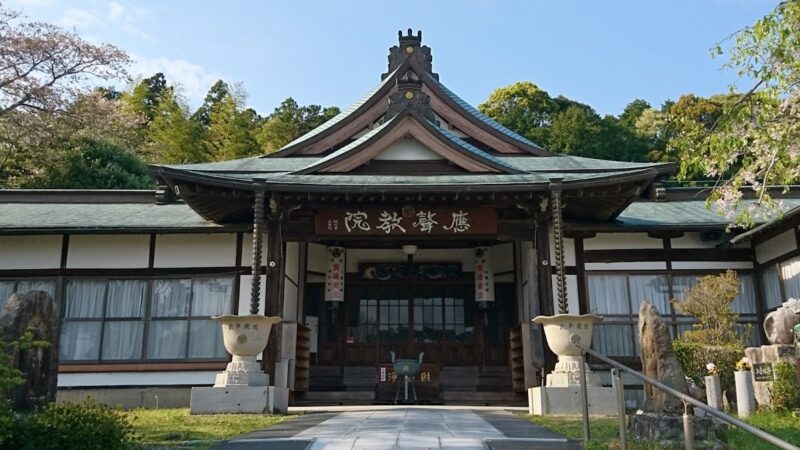
The main hall of Oga-ji Temple is the central building of the temple. Visitors offer prayers and pay their respects to the principal image here. The architectural style and interior grandeur of the main hall, while undergoing restorations over time, retain the characteristics of traditional temple architecture.
Inside the principal image, the main hall houses attendant deities and statues of the temple’s founder, creating a solemn atmosphere. When visiting the temple, it is recommended to quietly clasp your hands together in prayer, calm your mind, and offer your prayers.
Layout of the Temple Gate and Grounds
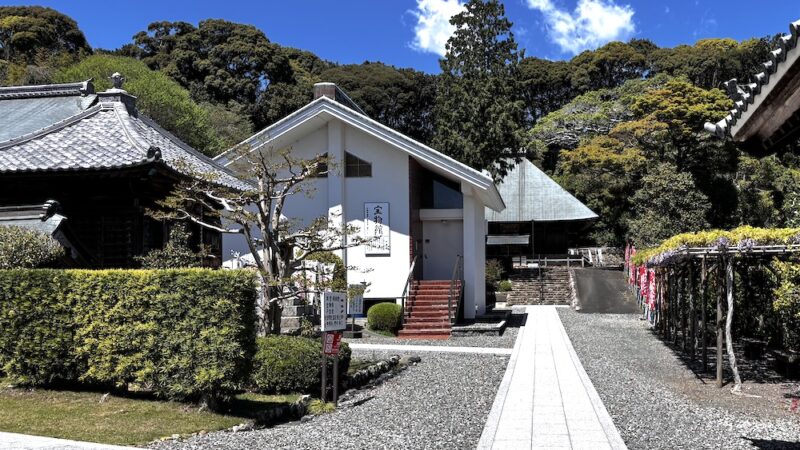
The temple gate, which serves as the entrance to the temple, is a symbolic presence separating the secular world from the sacred realm. Passing through the gate, the path leads to the main hall, with various halls and stone monuments arranged on either side.
The layout of the temple grounds follows the principles of traditional temple architecture, but also possesses unique characteristics adapted to the topography and historical context. By slowly strolling through the grounds, you can feel the depth of the temple’s history and faith.
Stone Monuments and Memorials
The temple grounds are dotted with memorial towers for successive chief priests, cemeteries for the ancestors of parishioners, and stone monuments commemorating historical events. These stone structures are valuable historical materials that tell the story of Oga-ji Temple’s history.
In particular, stone monuments inscribed with old dates are important legacies that convey the culture and beliefs of the time. Deciphering the inscriptions deepens your understanding of the local history.
Gardens and Natural Environment
The grounds of Oga-ji Temple are planted with trees and flowers that change their appearance with each season. Cherry blossoms and plum blossoms in spring, and autumn leaves in fall, adorn the grounds, delighting visitors.
Temple gardens are not merely decorative; they are also symbols of the “Pure Land,” expressing the Buddhist worldview. Quietly gazing at the garden can bring peace of mind.
Annual Events and Memorial Services
Regular Memorial Services
Oga-ji Temple holds various memorial services throughout the year. Monthly services bring together parishioners and local residents to pray for ancestral remembrance and the fulfillment of wishes.
The spring and autumn equinox services and the Obon festival are particularly important events that attract many visitors. These services provide an opportunity to learn Buddhist teachings and renew gratitude to ancestors.
Special Events
Several special memorial services and events are held throughout the year. Events rooted in the temple’s history and traditions, such as the founding anniversary and the festival of the principal image, play a crucial role in the transmission of faith.
These events attract worshippers from far and wide, making the temple grounds even more lively than usual. Special goshuin (temple stamps) and gifts are sometimes prepared, making them memorable mementos of the visit.
Collaborative Events with the Community
Oga-ji Temple actively participates in local festivals and cultural events. Passing on local history and culture to future generations is one of the temple’s social missions.
Through collaboration with local residents, cleaning activities and cultural property preservation efforts are also carried out. These activities further strengthen the bond between the temple and the community.
Etiquette and Manners for Visiting a Temple
Basic Method of Visiting a Temple
When visiting Oga-ji Temple, first bow at the main gate before entering the grounds. If there is a water basin, purify your hands and mouth before proceeding to the main hall.
In the main hall, you place your offering in the offering box and quietly clasp your hands together in prayer. Unlike Shinto shrines, you do not clap your hands in Buddhist temples. Simply join your hands with sincerity and silently express your gratitude and wishes.
Attire and Belongings
There are no specific dress code requirements for visiting a temple, but clean and understated attire is preferred. Excessively revealing or flashy clothing should be avoided.
Bringing prayer beads is recommended. If you wish to receive a temple stamp (Goshuin), remember to bring your stamp book.
Photography
Regarding photography on the temple grounds, rules vary from temple to temple. Photography inside the main hall and of Buddha statues is often prohibited, so please check beforehand or follow the signs.
Photography of the temple grounds and building exteriors is generally permitted, but consideration should be given to avoiding disturbing other visitors. Photography during religious ceremonies should be avoided in particular.
Goshuin (Temple Seals) and Gifts
About Goshuin
At Oga-ji Temple, goshuin are given as proof of worship. Goshuin are not merely stamps, but are treated as important symbols of connection with the temple.
When receiving a goshuin, please bring your goshuincho (stamp book) and request it respectfully. The goshuin fee is used for the maintenance and upkeep of the temple, so please pay the specified amount.
Amulets and Lucky Charms
The temple offers various amulets and lucky charms. You can choose an amulet according to your purpose, such as traffic safety, academic success, or family safety.
These gifts are not merely products, but symbolize the protection of Buddha. Please handle them with care, and when your wish is granted, return them to the temple or dispose of them with gratitude.
Tourist Information Around Oga-ji Temple
Nearby Temples and Shrines
There are many other historical temples and shrines scattered around Oga-ji Temple. When planning a temple and shrine tour, visiting these temples together will deepen your understanding of the local religious culture.
Each temple has its own unique history and characteristics, and comparing them will allow you to appreciate the diversity of Buddhism and Shintoism.
Local Tourist Attractions
Shizuoka Prefecture is blessed with abundant nature and historical heritage. Visiting the surrounding tourist attractions in conjunction with a visit to Oga-ji Temple will make your trip even more fulfilling.
Enjoying local specialties and regional cuisine is also a highlight of the trip. Dishes made with local ingredients offer a valuable opportunity to experience the local culture.
Accommodation and Restaurants
There are various types of accommodations around Oga-ji Temple. You can choose from inns, hotels, and guesthouses according to your budget and preferences.
Local restaurants offer dishes using Shizuoka’s unique seafood and mountain produce. A meal after your visit will also become a memorable part of your trip.
Cultural Properties and Treasures of Oga-ji Temple
Designated Cultural Properties
Oga-ji Temple may possess cultural properties of high historical and artistic value. Various forms of cultural properties, such as Buddhist statues, Buddhist paintings, and ancient documents, tell the story of the temple’s history.
These cultural properties are usually not open to the public, but may be displayed on special occasions. For information on public access, please inquire with the temple or check local cultural property information.
Preservation and Transmission of Temple Treasures
The treasures passed down through the temple are not merely works of art, but evidence of faith and history. Passing these on to future generations is one of the temple’s important missions.
In recent years, the use of digital technology for record preservation has also progressed. Through these efforts, it is expected that valuable cultural properties will be preserved for a long time and utilized for research and education.
Training and Experiences at Oga-ji Temple
Zen Meditation and Sutra Copying Sessions
Some temples hold Zen meditation and sutra copying sessions for the general public. These experiences offer a valuable opportunity to engage with Buddhist teachings and cultivate inner peace.
Zazen (seated meditation) is a practice of achieving inner tranquility by sitting with correct posture and focusing on one’s breath. Many sessions are open to beginners, and thorough instruction is provided.
Sutra copying is the act of carefully transcribing Buddhist scriptures character by character. It is believed to enhance concentration and calm the mind, and is popular among many people.
Dharma Talks and Study Sessions
Temples often hold regular Dharma talks. These talks, given by the head priest or invited lecturers, are full of wisdom applicable to daily life.
A wide range of topics are covered, from basic Buddhist knowledge to the significance of Buddhism in modern society. Participation is often open to anyone, regardless of religious beliefs.
Support for Oga-ji Temple and the Danka System
About the Danka System
The Danka system is a traditional system that supports Buddhist temples in Japan. Temple parishioners financially support the maintenance and operation of the temple, and the temple performs ancestral memorial services and funerals for the parishioners.
While the nature of the parishioner system is changing in modern times, the mutual support relationship between temples and parishioners plays a role in maintaining the bonds of the local community.
Temple Maintenance and Challenges
Many temples face challenges such as aging buildings and a lack of successors. Oga-ji Temple is no exception, and efforts are needed for sustainable temple management.
With the cooperation of parishioners and local residents, as well as support from the general public, it is possible to pass on the temple, a valuable cultural heritage, to future generations.
Donations and Support Methods
Methods of supporting Oga-ji Temple include donations during visits, special donations, and cooperation in cultural property preservation. Continuous support is necessary for the maintenance of the temple.
Donations may be eligible for tax benefits. For details, it is recommended to contact the temple directly.
The Four Seasons of Oga-ji Temple
Spring at Oga-ji Temple
In spring, Oga-ji Temple is adorned with cherry blossoms and plum blossoms. The season of fresh greenery is the best time to feel the breath of life.
Many worshippers visit during the spring equinox memorial service, filling the temple grounds with energy. Visiting in the warm climate will be a refreshing experience for both mind and body.
Summer at Oga-ji Temple
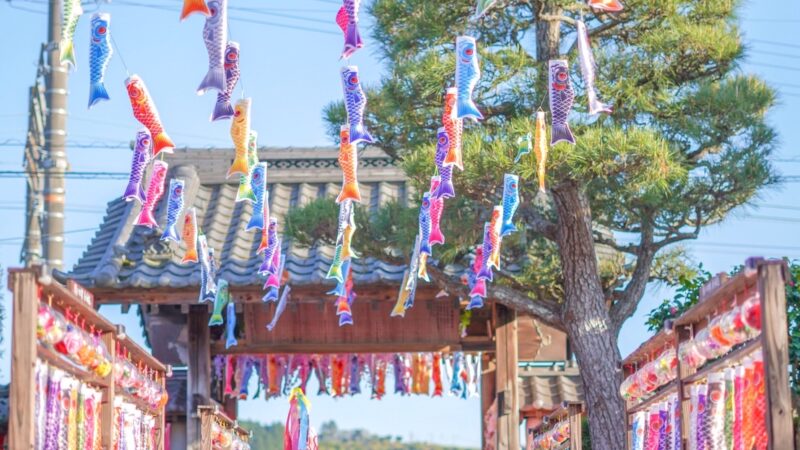
In summer, Oga-ji Temple is enveloped in deep green. During the Obon festival, lanterns and paper lanterns welcoming ancestors illuminate the grounds, creating a magical atmosphere.
Even in the summer heat, the shade of the trees within the temple grounds remains cool, allowing for a peaceful time. Visiting while listening to the cicadas is a unique experience of Japanese summer.
Autumn at Oga-ji Temple
Autumn at Oga-ji Temple is a beautiful season for autumn leaves. The trees within the temple grounds turn red and yellow, captivating visitors.
Along with the autumn equinox memorial service, events expressing gratitude for the harvest are sometimes held. It’s a time to visit with a rich and fulfilling spirit, befitting the bountiful autumn season.
Winter at Oga-ji Temple
In winter, Oga-ji Temple is enveloped in silence. When it snows, the temple grounds become a world of white, offering a solemn atmosphere unlike the usual.
During the New Year period, special events such as the ringing of the temple bell on New Year’s Eve and the first shrine visit of the year are held. Welcoming the new year at the temple is a wonderful opportunity to start the year anew.
Detailed Access Information to Oga-ji Temple
Access by Public Transportation
The most common way to access Oga-ji Temple by public transportation is to take a bus or taxi from the nearest station. It is recommended to check the timetable in advance and plan your trip with plenty of time to spare.
For access information from major stations in Shizuoka Prefecture, please obtain the latest information from the temple’s website or tourist information center.
Access by Private Car
If visiting by private car, enter the temple name or address into your car’s navigation system. It’s a good idea to check access routes from major highways in advance.
Regarding parking availability and capacity, especially during peak seasons, it’s essential to check beforehand. Consider using nearby paid parking lots.
Accessibility Information
For elderly visitors and those with disabilities, it’s important to check the condition of steps and slopes within the temple grounds beforehand. We recommend contacting the temple directly to inquire about wheelchair accessibility.
While many temples are making progress towards barrier-free access in recent years, complete accessibility may be difficult due to the need to preserve historical buildings.
Frequently Asked Questions about Oga-ji Temple
Visiting Hours
Oga-ji Temple is generally open during daylight hours. Specific opening and closing times may vary depending on the season and the temple’s circumstances, so we recommend checking in advance.
Admission Fees
While there is usually no admission fee for regular visits, there may be charges for special exhibitions or visits to the treasure hall. Please inquire with the temple for details.
About Group Visits
If you wish to visit as a group, it is customary to contact the temple in advance and inform them of the date, time, and number of people. Coordination is necessary to avoid conflicts with memorial services or other events.
Group visits may include a Dharma talk by the head priest and a guided tour of the temple grounds. It may also be possible to use the temple for school events or corporate training.
Summary: The Significance of Visiting Oga-ji Temple
Oga-ji Temple is an important temple embodying the history and culture of Shizuoka Prefecture. Visiting a temple that has walked hand in hand with the community throughout its long history is a valuable opportunity to experience traditional Japanese culture.
Through a visit, you can escape the hustle and bustle of everyday life and have time to quiet your mind. By encountering Buddhist teachings and learning from the wisdom of our ancestors, we can gain meaningful insights that are relevant to us living in modern society.
We hope that your visit to Oga-ji Temple will bring peace and new discoveries to your heart. When visiting, please walk around the temple grounds quietly with respect and gratitude.
Temples are not merely tourist destinations; they are still living places of faith. Please observe proper etiquette and be considerate of other worshippers so that you can enjoy a meaningful pilgrimage experience.