Complete Guide to Otogichi Inari Shrine (Niigata Prefecture)
Otogichi Inari Shrine, located in Shibata City, Niigata Prefecture, is a historical shrine that has been revered by the local people for centuries. This article provides detailed information you should know before visiting, including the history of Otogichi Inari Shrine, its blessings, how to worship, and access information.
What is Otogichi Inari Shrine?
Otogichi Inari Shrine is an Inari shrine located in the Otogichi district of Shibata City, Niigata Prefecture. There are said to be approximately 30,000 Inari shrines throughout Japan, and they are widely worshipped as gods of abundant harvests and business prosperity. Otogichi Inari Shrine has also served as a guardian deity of the region, closely intertwined with the lives of local people for many years.
Shibata City is located in the northern part of Niigata Prefecture and is a historical region that flourished as a castle town of the Shibata Domain during the Edo period. The Otogichi district is a region within Shibata City where agriculture is thriving, and the worship of Inari shrines is deeply intertwined with the local agricultural culture.
History of Otogichi Inari Shrine
Founding and History
While there are no clear records regarding the exact founding date of Otogichi Inari Shrine, local oral traditions and documents suggest that it has been a deeply rooted community deity since before the Edo period. Inari worship spread throughout Japan during the Heian period, with Fushimi Inari Taisha in Kyoto as its head shrine, and numerous Inari shrines were also established throughout Niigata Prefecture.
During the time of the Shibata Domain, it played an important role as a place of worship for the lord and his people, and a place to pray for a bountiful harvest. In a region where agriculture was the main industry, Inari was especially revered as a god who brought good harvests.
Changes Since the Meiji Era
Due to the Meiji era’s separation of Shinto and Buddhism and the policy of consolidating shrines, many small shrines throughout Japan were merged or abolished. However, Otogichi Inari Shrine survived thanks to the strong faith of the local residents. Even as times changed through the Showa, Heisei, and Reiwa eras, it continues to be carefully preserved as the guardian deity of the community.
Changes Since the Meiji Era
Due to the Meiji era’s separation of Shinto and Buddhism and the policy of consolidating shrines, many small shrines throughout the country were merged or abolished. However, Otogichi Inari Shrine survived thanks to the strong faith of the local residents. Even as times changed through the Showa, Heisei, and Reiwa eras, it continues to be cherished and protected as the local guardian deity. ## Deities and Blessings
Deities
The deity enshrined at Otogichi Inari Shrine is Ukanomitama-no-kami, the principal deity of Inari shrines. Ukanomitama-no-kami is a god of grain and food appearing in Japanese mythology, and is a venerable deity mentioned in the Kojiki and Nihon Shoki.
Inari-no-kami is said to have been named after the phrase “rice ripening,” and while strongly associated with agriculture, over time, it has also come to be worshipped as a god of business prosperity and industrial development.
Main Blessings
The main blessings that can be received at Otogichi Inari Shrine are as follows:
Prayer for Abundant Harvest
As is the original blessing of Inari-no-kami, one can pray for a bountiful harvest of crops. In the Otogichi area, where agriculture is thriving, many people visit the shrine specifically seeking this blessing.
Business Prosperity and Success
Since the Edo period, with the rise of the merchant class, Inari has become widely worshipped as a god of business prosperity. Suitable for those wishing for business success and prosperity.
Family Safety
As the local guardian deity, it is believed to offer protection for the health and safety of the family.
Good Fortune and Prosperity
Through the power of Inari, believed to open up good fortune and invite blessings, you can pray for good fortune in all aspects of your life.
Highlights of the Shrine Grounds
Main Hall
The main hall of Otogichi Inari Shrine is built in the traditional shrine architectural style. Although not large in scale, it is carefully maintained by local people, exuding a clean and sacred atmosphere.
Torii Gate and Approach
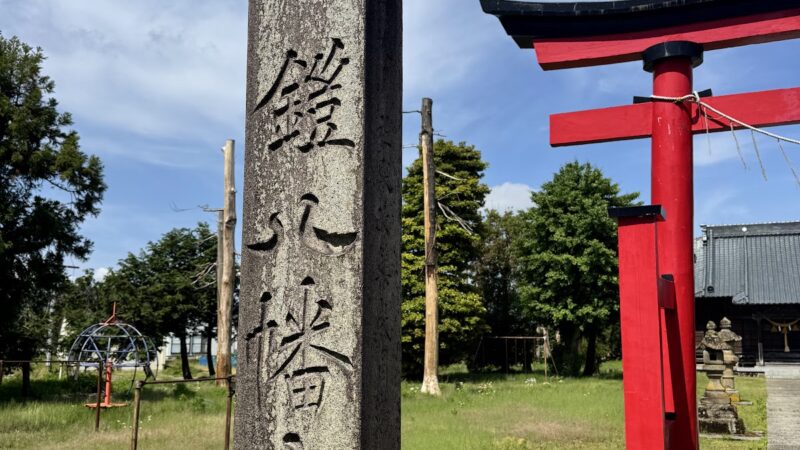
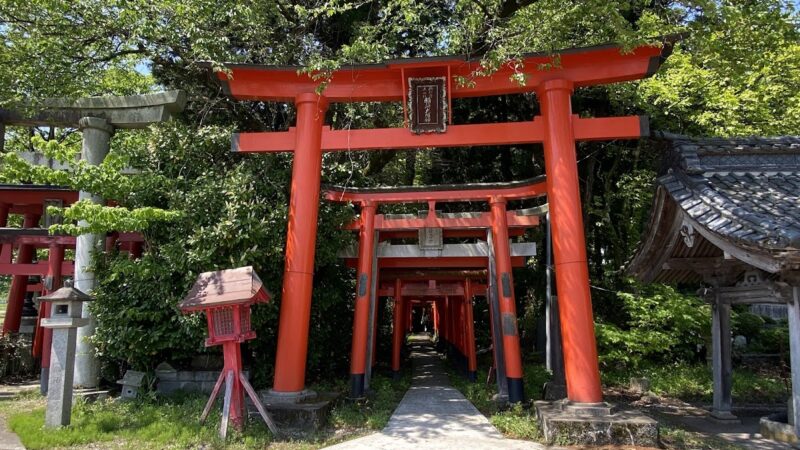
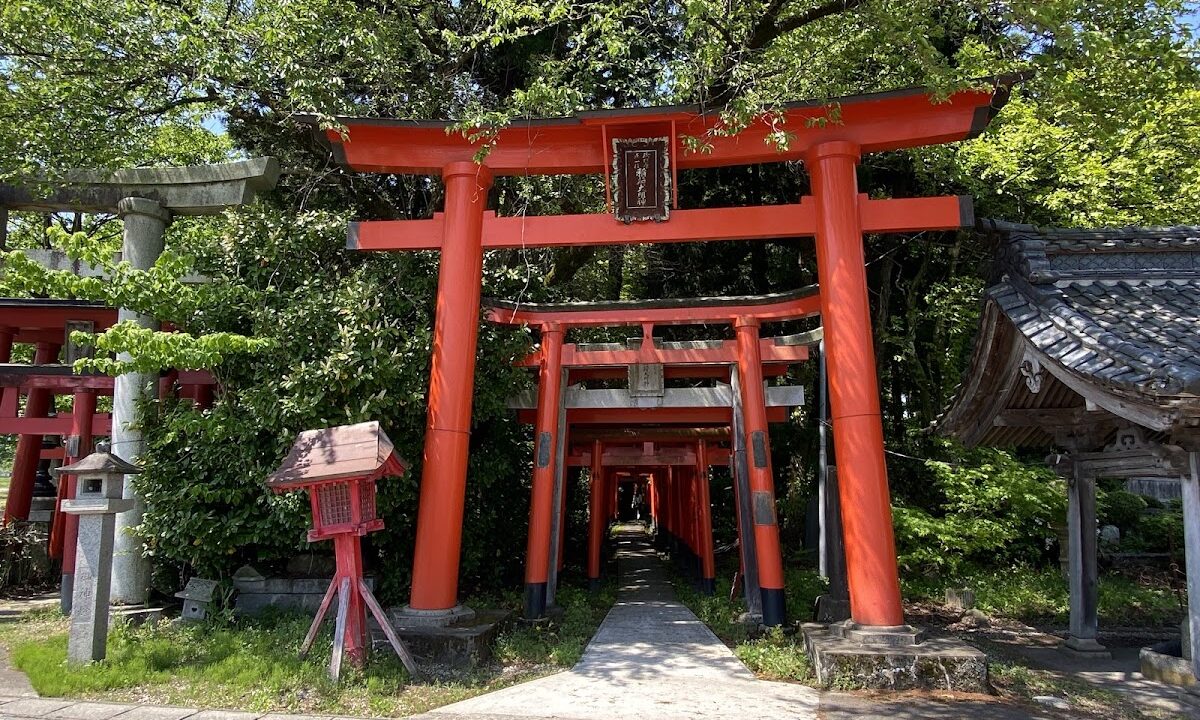
The vermilion torii gate, a symbol of Inari shrines, welcomes visitors. Passing through the torii gate and proceeding along the approach, a tranquil space unfolds, far removed from the hustle and bustle of everyday life.
Fox Statues Instead of Guardian Dogs
At Inari shrines, instead of the typical guardian dogs (komainu) found at most shrines, statues of foxes, considered messengers of the Inari deity, are placed. At Otogichi Inari Shrine, a pair of fox statues sit in front of the main hall, guarding the shrine. Foxes are considered divine messengers of the Inari deity, acting as intermediaries between gods and humans.
Nature on the Shrine Grounds
The shrine grounds are planted with trees that display different appearances with each season. You can enjoy the beautiful nature of each season: fresh greenery in spring, deep green in summer, autumn leaves in fall, and snowscapes in winter.
How to Worship and Manners
Basic Worship Etiquette
Knowing the correct way to worship at a shrine allows for a more heartfelt visit.
1. Bowing at the Torii Gate
Bow before passing through the torii gate. The torii gate is the entrance to the sacred area, and this shows respect.
2. How to Walk Along the Shrine Path
The center of the shrine path is called the “seichu” and is considered the path of the gods. It is considered polite for worshippers to walk to either the left or right side.
3. Purification at the Water Basin
If there is a water basin, purify your body and mind following these steps:
- Take the ladle with your right hand and purify your left hand.
- Switch the ladle to your left hand and purify your right hand.
- Switch the ladle back to your right hand, receive water in your left hand, and rinse your mouth.
- Purify your left hand once more.
- Hold the ladle upright, let water flow over the handle, and return it to its original place.
4. Worship at the Main Hall
- Place your offering in the offering box (there are no set amounts).
- Ring the bell if there is one.
- Two bows, two claps, one bow: Bow deeply twice, clap twice, put your hands together in prayer, and finally bow deeply once.
5. Bowing Upon Exit
When you have finished your worship and are leaving through the torii gate, turn around and bow once more.
Attire for Worship
There are no specific dress code requirements, but clean clothing that reflects the sacred nature of the place is desirable. Avoid excessive exposure and strive for respectful attire.
Annual Events and Festivals
Hatsuumasai (First Horse Day Festival)
The most important festival at Inari shrines is the Hatsuumasai. Hatsuuma refers to the first Day of the Horse in February, and it originates from the legend that the Inari deity descended to Fushimi Inari Taisha in Kyoto on this day. Inari shrines throughout Japan hold festivals on this day to pray for a bountiful harvest and business prosperity.
At Otogichi Inari Shrine, the Hatsuumasai is held according to local tradition, and local residents come to worship.
Annual Grand Festival
The annual Grand Festival is the most important Shinto ritual of the year at the shrine. Prayers for peace and prosperity in the region and a bountiful harvest are offered, and parishioners and local residents gather to enliven the shrine.
New Year’s Visits
In the New Year, visitors come for their first shrine visit of the year. Prayers are offered for safety and prosperity in the new year, and the start of the year is reported to the gods.
Access Information
Location
Address: Otogishi area, Shibata City, Niigata Prefecture
*For the exact address, please inquire at Shibata City Hall or a local tourist information center.
Transportation Access
Access by Train
The nearest station is Shibata Station on the JR Uetsu Main Line. Access by car or taxi from the station is convenient.
Access by Car
- Approximately 15-20 minutes from the Shibata Interchange on the Nihonkai Tohoku Expressway
- Approximately 40 minutes from central Niigata City via National Route 7
Parking
Parking space may be limited due to the size of the shrine. On days when congestion is expected, such as during festivals, please consider using public transportation or nearby parking lots.
Visiting Hours
The shrine grounds are generally open all day, but the hours of operation for the shrine office may be limited. If you wish to receive a Goshuin (temple/shrine stamp) or amulet, we recommend checking in advance.
Nearby Tourist Attractions
Shibata Castle
Shibata Castle, a representative tourist attraction of Shibata City, was the residence of the Shibata Domain during the Edo period. It is known for its unusual structure with three shachi (mythical fish-like creatures) on the roof of its three-story turret. It is an ideal spot to visit after visiting Otogichi Inari Shrine.
Tsukioka Onsen
Tsukioka Onsen, located near the border with Kita Ward, Niigata City (formerly Toyosaka City), is a hot spring resort characterized by its emerald green water with a high sulfur content. It is said to have excellent skin-beautifying effects and attracts many tourists.
Shibata City Historical Library
This facility allows you to learn about the history and culture of Shibata. It is recommended for those interested in local history.
Ijimino Park
This park is famous for its “Iris Garden,” where approximately 600,000 irises of about 300 varieties bloom. In June, the “Iris Festival” is held, attracting many tourists.
Shibata City and Inari Faith
Shibata City, as the central city of northern Niigata Prefecture, is a region where agriculture and commerce have flourished since ancient times. Occupying part of the Niigata Plain, a rich granary, and with its thriving rice-growing traditions, the faith in Inari, the god of abundant harvests, remains strong.
The Otogichi district is also a region where agriculture is the main industry, and Inari shrines have played an important role as places of worship at key points in agricultural work, where people pray for a bountiful harvest. Even today, Otogichi Inari Shrine is cherished as a symbol of preserving the region’s traditions and culture.
Inari Shrine Trivia
Why are Foxes Messengers of the Gods?
There are several theories as to why foxes are considered messengers of the Inari gods, but the most plausible is that because foxes prey on mice that damage crops, they were revered as guardians of agriculture. Furthermore, the resemblance of the fox’s color to the color of rice stalks is also considered relevant.
Why are Inari Shrine Torii Gates Vermilion?
The reason why Inari shrine torii gates are vermilion (red) is because vermilion has been considered a symbol of protection against evil and vitality. Also, mercury (cinnabar), the raw material for vermilion, has preservative properties and was useful in protecting wooden buildings.
Inari Shrines Nationwide
There are said to be approximately 30,000 Inari shrines throughout Japan, making them the most numerous type of shrine. The head shrine is Fushimi Inari Taisha in Kyoto, famous for its thousands of torii gates.
Precautions When Visiting
Please observe proper etiquette when visiting
- The shrine grounds are a sacred place. Please refrain from making loud noises or running around.
- Please take all your trash with you.
- Please only take photographs in designated areas and be considerate of other visitors.
- Please do not enter restricted areas, such as inside the main hall.
- If you are bringing a pet, please follow the rules of the shrine grounds.
Considerations for Weather and Season
Niigata Prefecture is one of Japan’s leading heavy snowfall areas. When visiting in winter, please be sure to take sufficient precautions against snow and ice, and prepare appropriate clothing and shoes. Also, in summer, it can be hot and humid, so don’t forget to take precautions against heatstroke.
Information on Goshuin (Shrine Seals) and Amulets
About Goshuin (Shrine Seals)
Some shrines offer Goshuin. Goshuin are given by the shrine as proof of your visit and will be inscribed in your Goshuincho (seal book). We recommend checking in advance regarding the issuance of Goshuin at Otogichi Inari Shrine.
Manners for Receiving a Goshuin (Shrine/Temple Stamp):
- Always complete your prayers before receiving a Goshuin.
- Prepare a Goshuincho (stamp book) (this is a sacred item, not a stamp rally).
- Request using polite language.
- Prepare a donation (typically 300-500 yen).
About Amulets
At Inari shrines, amulets for business prosperity, abundant harvests, and family safety are commonly given out. Amulets are considered lucky charms imbued with the power of the gods, and it is believed that wearing them at all times brings blessings.
Connection with the Community
Otogichi Inari Shrine serves not only as a religious facility but also as a central hub for the local community. During festivals, local residents gather, creating a place for intergenerational exchange.
In modern society, where community ties are becoming weaker, the existence of such shrines holds significant meaning in the transmission of traditional culture and the maintenance of local communities.
Mindset for Visiting a Shrine
Visiting a shrine is not simply a place to make wishes; it’s also an opportunity to express gratitude to the gods and reflect on oneself. It’s important to view shrine visits as a place to express gratitude for daily safety and to renew one’s resolve to live a better life in the future.
When visiting Otogichi Inari Shrine, why not take some time to reflect on the history and culture of the region while offering your prayers in quiet contemplation?
Summary
Otogichi Inari Shrine is a community-based Inari shrine located in the Otogichi district of Shibata City, Niigata Prefecture. It is believed to grant blessings for abundant harvests, business prosperity, and family safety, and has been revered by the local people for centuries.
Although not large in scale, it is carefully preserved as a valuable presence that conveys the history and culture of the region. When visiting Shibata City, be sure to visit Otogichi Inari Shrine and spend some time finding peace in its tranquil grounds.
By visiting nearby tourist attractions such as Shibata Castle and Tsukioka Onsen, you can experience the charm of Shibata more deeply. Enjoy a precious experience of traditional Japanese culture at Otogichi Inari Shrine, surrounded by the beautiful nature of the four seasons and the warm atmosphere of the region.