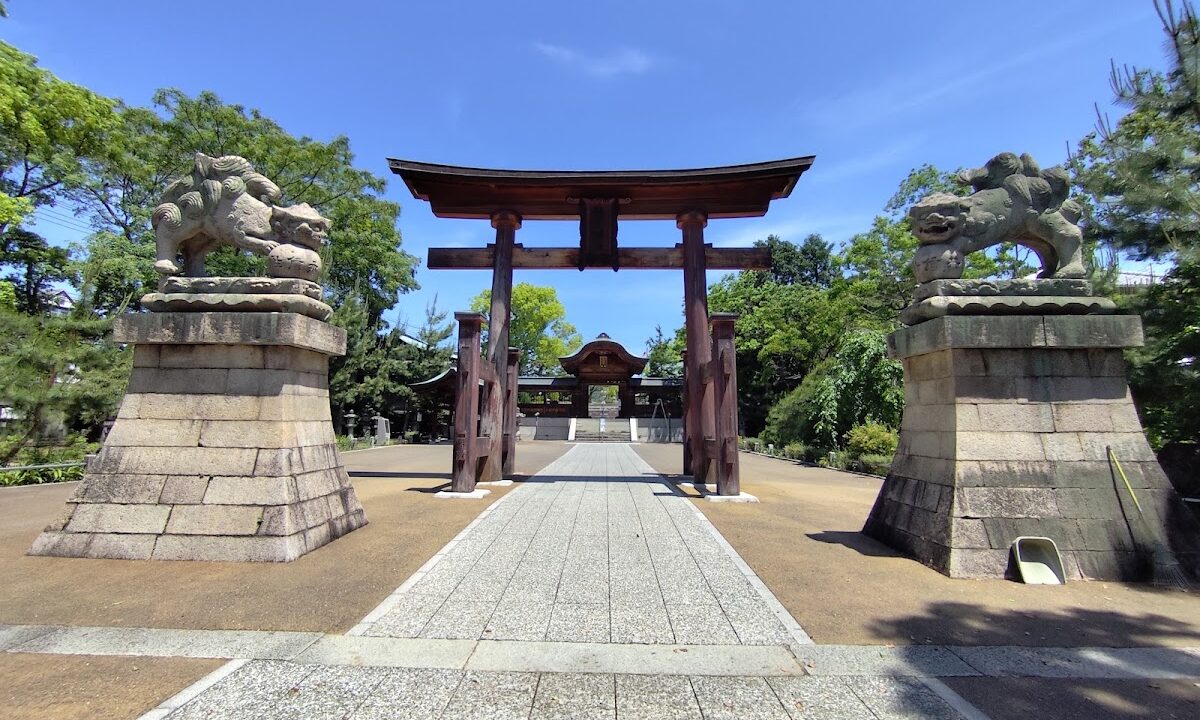
Nigitsu Shrine (Hiroshima Prefecture) Complete Guide | From Goshuin (Shrine Seals) and History to Access and the Seven Lucky Gods Pilgrimage: A Thorough Explanation
Nigitsu Shrine, located in Futaba-no-Sato, Higashi-ku, Hiroshima City, Hiroshima Prefecture, is a historically significant shrine with ties to the Asano family, the lords of the Hiroshima domain. Despite its convenient location, just a 15-minute walk from the Shinkansen exit of Hiroshima Station, it’s a tranquil place where you can feel history and culture, making it popular with both locals and tourists. This article provides a thorough explanation of everything you need to know before visiting, from the history of Nigitsu Shrine and information on its goshuin (shrine seals) to its highlights and access methods.
History of Nigitsu Shrine | The Asano Family and the Guardian Deity of the Hiroshima Domain
Circumstances of its Founding and its Deep Connection to the Asano Family
The history of Nigitsu Shrine dates back to 1706 (Hoei 3). The shrine’s origins lie in the construction of a memorial hall for Asano Nagamasa, an ancestor of the Asano family, at the current location, which is considered the unlucky direction (northeast) from Hiroshima Castle, by Asano Tsunaga, the lord of the Hiroshima domain at the time.
The main deities enshrined here are the following three:
- Asano Nagamasa: A Sengoku period warlord who served as one of Toyotomi Hideyoshi’s Five Commissioners
- Asano Yukinaga: Nagamasa’s eldest son and lord of the Kii Wakayama domain
- Asano Nagaakira: The first lord of the Hiroshima domain
These deities are revered as “guardians of Geishu (Hiroshima Province) and gods of both literary and martial arts,” making this an important place to pray for the protection and prosperity of the Hiroshima domain.
Formal Establishment as a Shrine
In 1835 (Tenpo 6), the memorial hall was formally established as a shrine by the 10th lord, Asano Nariaki. At this time, a shrine was built to enshrine Lord Asano Nagamasa as the principal deity, and the name Niotsu Shrine was established. The name “Niotsu” itself embodies the meaning of a prosperous and thriving port, reflecting the hope for the development of Hiroshima.
Destruction by the Atomic Bomb and Post-War Reconstruction
On August 6, 1945 (Showa 20), the Niotsu Shrine was destroyed by the atomic bombing of Hiroshima. More than a dozen trees on the shrine grounds were also damaged and many were lost. However, the shrine was rebuilt along with the post-war reconstruction, and the current shrine building was constructed during the Heisei era.
Niotsu Shrine, rebuilt after overcoming the tragedy of the atomic bomb, holds significance as one of Hiroshima’s symbols of reconstruction and is cherished as a place of prayer for peace.
Deities and Benefits of Niotsu Shrine
Divine Virtues of the Main Deity
Asano Nagamasa, Yukinaga, and Nagaakira, enshrined at Niotsu Shrine, are all known as warriors excelling in both literary and martial arts. Therefore, the following benefits are believed to be offered:
- Academic Achievement and Passing Exams: Prayers for academic improvement as deities of both literary and martial arts.
- Career Advancement and Improved Work Luck: Protection from gods who were active as warriors.
- Family Safety and Protection from Evil: The protective power of the guardian deity of the Hiroshima Domain.
- Business Prosperity: Benefits of business prosperity due to the enshrinement of Ebisu.
Ebisu in the Hiroshima Futabayama Foothills Seven Lucky Gods Pilgrimage
Niotsu Shrine enshrines Ebisu as part of the “Hiroshima Futabayama Foothills Seven Lucky Gods Pilgrimage.” Ebisu is known as the god of business prosperity, abundant harvests, and protection of fisheries, and is affectionately depicted holding a fishing rod in his right hand and a sea bream in his left.
The Seven Lucky Gods pilgrimage is a popular pilgrimage route that visits seven temples and shrines scattered around Futabayama in Higashi Ward, Hiroshima City. The following temples and shrines are included, including Niotsu Shrine:
- Niotsu Shrine (Ebisu)
- Tsuruhane Shrine (Benzaiten)
- Myojoin Temple (Bishamonten)
- Kokutaiji Temple (Hotei)
- Onaga Tenmangu Shrine (Fukurokuju)
- Hiroshima Toshogu Shrine (Daikokuten)
- Seikoji Temple (Jurojin)
The Seven Lucky Gods pilgrimage can be completed on foot in about 2-3 hours and is also a popular historical walking tour around Hiroshima Station.
Guide to the Grounds of Niotsu Shrine | Highlights and Points of Interest
Distinctive Layout of the Approach
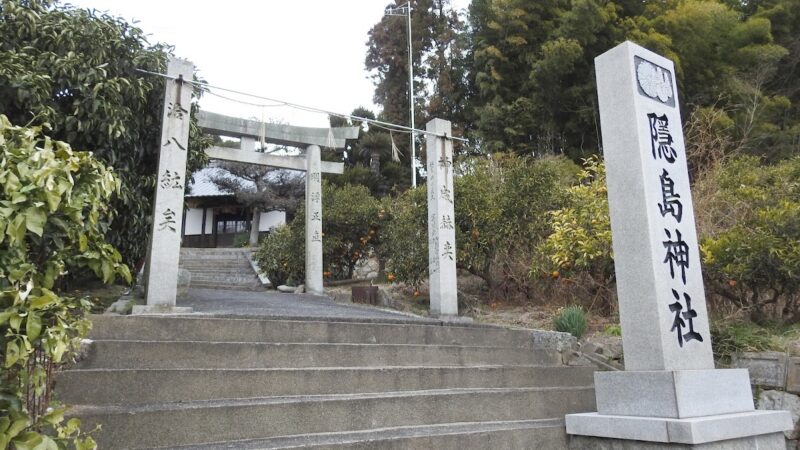
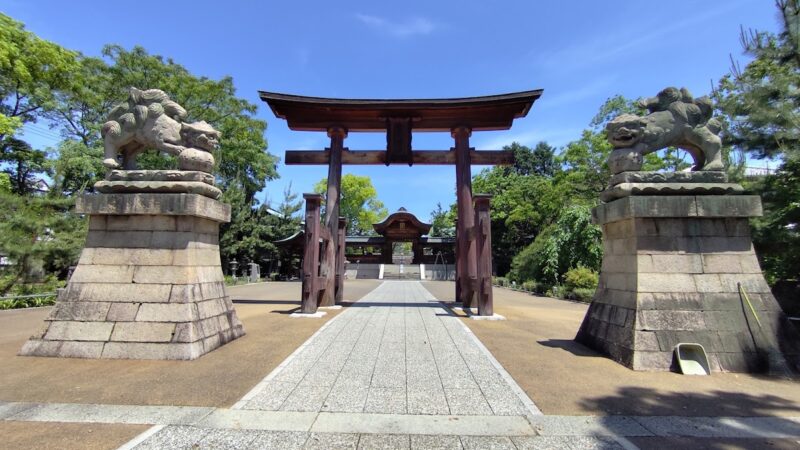
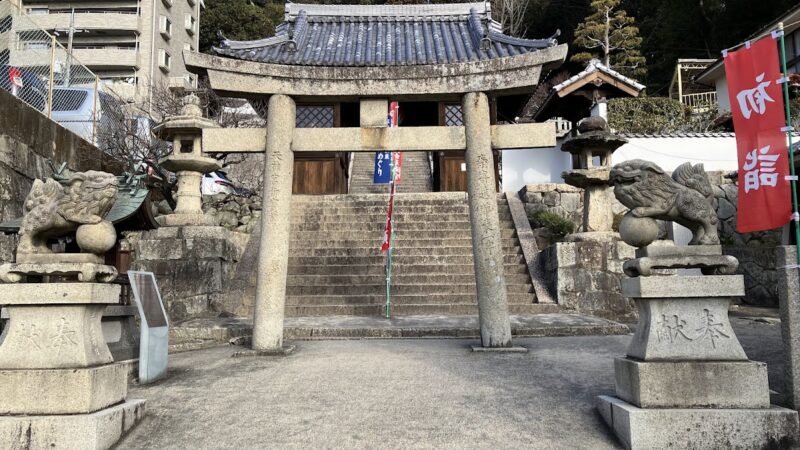
The most distinctive feature of Niotsu Shrine’s grounds is the layout from the approach to the main hall. While many shrines have a straight line from the approach to the main hall, Niotsu Shrine has a rare diagonal layout.
This layout is thought to have originated from its role in warding off evil spirits from Hiroshima Castle and the topographical constraints along the Kyobashi River. As you proceed along the approach, the view changes, offering a unique worship experience.
Shrine Building and Worship Hall
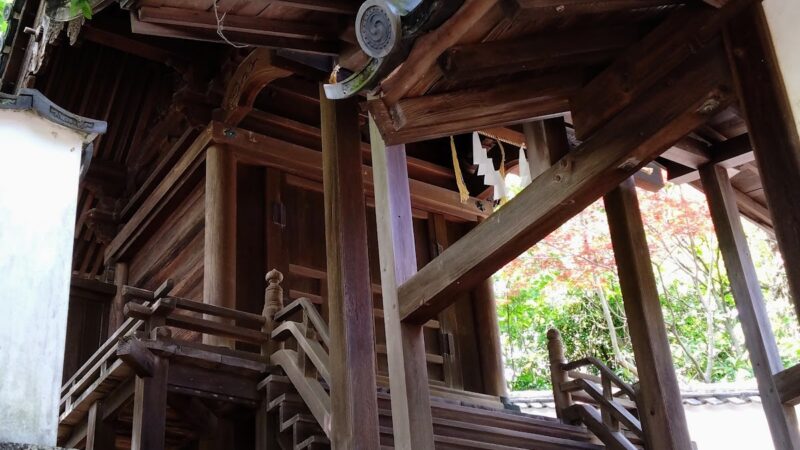
The current shrine building was rebuilt during the Heisei era and boasts a beautiful wooden architectural style. You can quietly pray in the worship hall, reflecting on Hiroshima’s history and the achievements of the Asano family.
View from the Grounds
Niotsu Shrine is located on the banks of the Kyobashi River, and from the side of the shrine, you can enjoy a view of the Hiroshima cityscape. The river flows gently, and despite being in the heart of the city where the sounds of cars on Futaba Street can be heard, it maintains a tranquil atmosphere.
The shrine grounds are open 24 hours a day and are a popular spot for early morning and evening strolls. Especially during cherry blossom season and autumn foliage season, the scenery along the Kyobashi River is breathtaking.
Atomic Bomb Survivor Trees and Memories of Peace
Within the shrine grounds remain trees that survived the atomic bombing. These trees are carefully protected as living witnesses that quietly tell the history of Hiroshima.
Information on Goshuin (Shrine Seals) at Niotsu Shrine
How to Obtain a Goshuin
Goshuin can be obtained at Niotsu Shrine. They are given out at the shrine office located on the left side of the approach to the shrine.
Goshuin (temple/shrine stamp) Reception Hours:
- Generally 9:00 AM to 5:00 PM (may vary depending on the season and events)
- We recommend calling ahead to confirm (082-261-4616)
Offering Fee:
- Usually around 300-500 yen
The goshuin features the calligraphy of “Niotsu Shrine” and the shrine’s seal, characterized by a simple yet powerful calligraphy style. A special goshuin notebook for the Seven Lucky Gods pilgrimage is also available, featuring the stamp of Ebisu (god of fortune).
Goshuin for the Seven Lucky Gods Pilgrimage
When undertaking the Seven Lucky Gods pilgrimage at the foot of Mount Futaba in Hiroshima, preparing a special shikishi (decorative paper board) or goshuin notebook will enhance your pilgrimage experience. Collecting the different goshuin of the Seven Lucky Gods at each temple/shrine is believed to bring good fortune and prosperity.
How to Access Niotsu Shrine
Basic Information
Address: 2-6-34 Futaba-no-Sato, Higashi-ku, Hiroshima City, Hiroshima Prefecture 732-0057
Phone: 082-261-4616
Visiting Hours: 24 hours (Shrine office open only during the day)
Admission Fee: Free
Access by Train
From JR Hiroshima Station:
- Approximately 15 minutes on foot west from the Shinkansen Exit (North Exit)
- Approximately 20 minutes on foot from the conventional line ticket gate
Hiroshima Electric Railway (Streetcar):
- Approximately 9 minutes on foot from Hakushima Station
- Approximately 12 minutes on foot from Jogakuin-mae Station
Access by Car and Parking
The shrine is approximately 5 minutes by car from Hiroshima Station. There is ample parking for visitors on the shrine grounds, and parking is generally available except during festivals and other events.
Parking Information:
- Number of spaces: Approximately 10
- Fee: Free
- Note: May be crowded during events such as New Year’s visits and annual festivals.
Access from the surrounding area
Niotsu Shrine is located along Futaba Street, at the corner of the intersection where it crosses the JR railway overpass. Exit Hiroshima Station’s Shinkansen exit and head west along Futaba Street to reach it. Road signs and information boards are installed, making it a relatively easy place to find.
Recommended sightseeing spots near Niotsu Shrine
Tsuruhane Shrine
Located about a 5-minute walk from Niotsu Shrine, this shrine enshrines Benzaiten, one of the Seven Lucky Gods of the foot of Mount Futaba in Hiroshima. It is said to bring good fortune in matchmaking and artistic skills, and is particularly popular with women.
Hiroshima Toshogu Shrine
Located about a 10-minute walk away, this Toshogu Shrine enshrines Tokugawa Ieyasu. Situated on the slopes of Mount Futaba, the shrine grounds offer a panoramic view of Hiroshima city. This shrine enshrines Daikokuten, one of the Seven Lucky Gods, and is believed to bring good fortune and success.
Myojoin Temple
Located at the foot of Mount Futaba, this Shingon Buddhist temple enshrines Bishamonten, another of the Seven Lucky Gods. The tranquil grounds are ideal for meditation and strolling, and it’s a place where you can feel the history of Hiroshima.
Hiroshima Station Area
Within walking distance of Niotsu Shrine lies the commercial area centered around Hiroshima Station. After visiting the shrine, you can enjoy shopping and dining, and there are many restaurants where you can savor Hiroshima’s famous okonomiyaki and oyster dishes.
Kyobashi River Promenade
A well-maintained promenade runs along the Kyobashi River, which flows in front of Niotsu Shrine. You can enjoy a leisurely stroll while admiring the river’s flow, and the scenery changes with the seasons, with cherry blossoms in spring and autumn leaves in fall.
Annual Events and Festivals at Niozu Shrine
Grand Festival
The Grand Festival, held every autumn, is the most important festival at Niozu Shrine. It features a procession of portable shrines and the dedication of sacred dances, attracting people from the local community.
New Year’s Visit
Many worshippers visit the shrine in the new year to pray for safety and prosperity throughout the year. Its convenient location near Hiroshima Station makes it a popular spot for New Year’s visits.
Seven Lucky Gods Pilgrimage Event
At the beginning of the year and during certain periods, special events are sometimes held, including a pilgrimage to the Seven Lucky Gods at the foot of Mount Futaba in Hiroshima. These events include participatory activities such as stamp rallies visiting each temple and shrine, and the distribution of special Goshuin (temple/shrine stamps).
Manners and Points for Visiting Niotsu Shrine
Basic Worship Manners
- Bow before passing through the torii gate: This is a sign of respect when entering the sacred area.
- Purify yourself at the water basin: Purify your left hand, then your right hand, then your mouth.
- Avoid the center of the path: The center is considered the path of the gods.
- Two bows, two claps, one bow: This is the basic worship etiquette at the main hall.
Photography
Photography is generally permitted on the shrine grounds, but consideration for the interior of the shrine and other worshippers is necessary. Especially during festivals or crowded times, refrain from taking photos or be considerate of those around you.
Best Time to Visit
Niotsu Shrine is open 24 hours a day, but if you wish to receive a goshuin (shrine stamp) or require assistance at the shrine office, the best time to visit is between 9:00 AM and 5:00 PM. Early mornings and evenings are less crowded, allowing for a quieter visit.
Attire and Belongings
While there are no particularly strict dress code regulations, clean and modest attire is desirable as a sign of respect for the shrine. In summer, the sun is strong, so a hat or parasol is useful. Also, if you wish to receive a Goshuin (shrine stamp), please prepare your Goshuincho (stamp book) and offering.
The Charm of Niotsu Shrine | Visitor Feedback
Evaluation from History Enthusiasts
For those interested in the history of the Asano family of the Hiroshima domain, Niotsu Shrine is a valuable historical site. It is highly valued for its historical significance as a place where one can experience two eras: the history continuing from the Edo period and the reconstruction after the atomic bombing.
Feedback from Seven Lucky Gods Pilgrimage Participants
Visitors who come as part of the Seven Lucky Gods pilgrimage at the foot of Mount Futaba in Hiroshima often comment on its convenient location near Hiroshima Station and the feeling of receiving the blessings of Ebisu (the god of fortune). It is a popular starting point for the Seven Lucky Gods pilgrimage.
A Place of Relaxation for Local Residents
For local residents, Niotsu Shrine is a regular part of their daily walks and a place of relaxation. Its quiet environment along the Kyobashi River and lush green grounds amidst the city make it a beloved place for peace and tranquility.
Tips for Enhancing Your Visit to Niotsu Shrine
Combine with the Seven Lucky Gods Pilgrimage
Visiting multiple temples and shrines as part of the Hiroshima Futabayama Foothills Seven Lucky Gods Pilgrimage, in addition to Niotsu Shrine, will provide a more fulfilling pilgrimage experience. This course takes about 2-3 hours on foot, making it ideal for a half-day sightseeing plan.
As Part of Hiroshima Sightseeing
Located within walking distance of Hiroshima Station, it can be easily visited before or after visiting major tourist attractions such as Miyajima, the Atomic Bomb Dome, and Peace Memorial Park. We recommend incorporating it into your sightseeing route to gain a deeper understanding of Hiroshima’s history.
Enjoying the Shrine in Each Season
Enjoy the changing scenery of the four seasons: cherry blossoms along the Kyobashi River in spring, lush greenery in summer, vibrant autumn leaves, and a tranquil atmosphere in winter. Especially during cherry blossom season, a visit combined with a stroll along the river offers a truly beautiful experience.
Summary | Experiencing Hiroshima’s History and Culture at Niotsu Shrine
Niotsu Shrine is a special place where the history of the Asano family, the lords of Hiroshima, the recovery from the atomic bombing, and modern faith intersect. Despite its convenient location, approximately a 15-minute walk from Hiroshima Station, the shrine offers a peaceful and calming atmosphere.
As a deity of both academic and martial arts, it offers blessings for academic success and career advancement. As Ebisu, one of the Seven Lucky Gods, it also offers blessings for business prosperity. The shrine offers various ways to enjoy yourself, including collecting Goshuin (shrine stamps), historical walks, and strolls along the Kyobashi River.
When you visit Hiroshima, be sure to visit Niotsu Shrine and experience Hiroshima’s history, culture, and prayers for peace. The achievements of the Asano family and the history of Hiroshima’s reconstruction will surely speak to you in quiet contemplation.