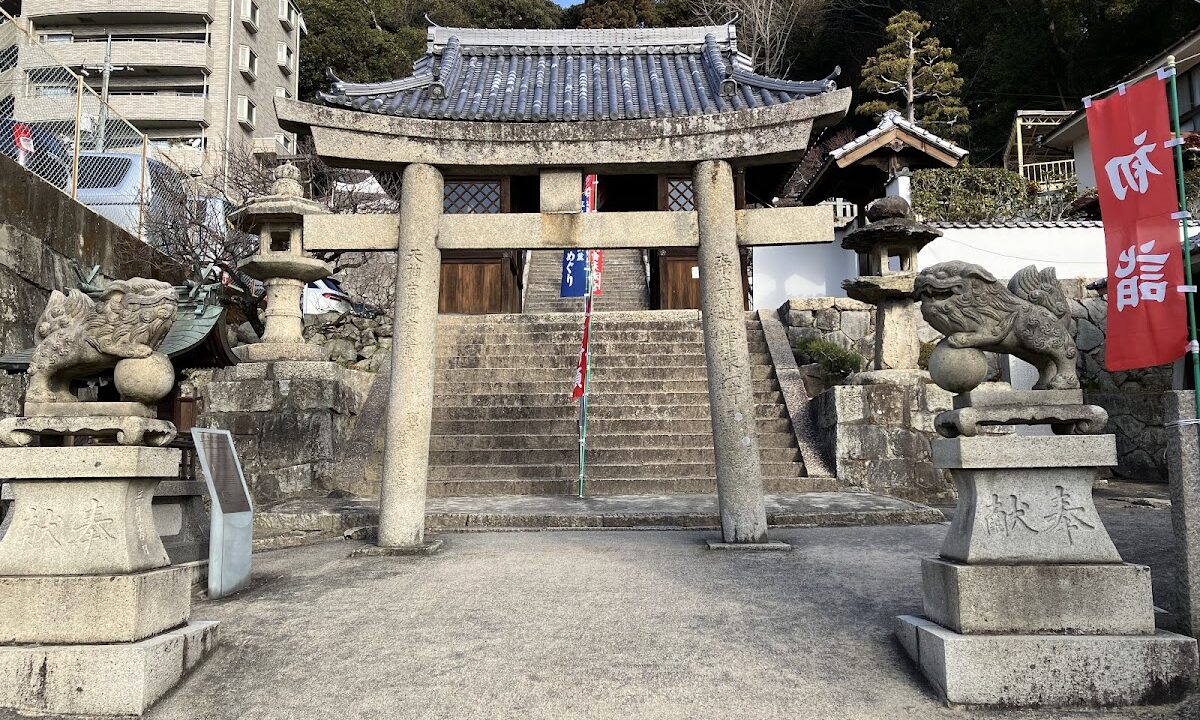
Complete Guide to Onaga Tenmangu Shrine (Hiroshima Prefecture) | History, Goshuin (Shrine Seal), Access, and Value as an Atomic Bomb Survivor
Onaga Tenmangu Shrine, located in Yamane-cho, Higashi-ku, Hiroshima City, Hiroshima Prefecture, is a historic shrine dedicated to Sugawara no Michizane, known as the god of learning. As one of Hiroshima’s representative Tenmangu shrines, it attracts local devotion and also holds significant historical value as a surviving building that survived the atomic bombing. This article comprehensively introduces information you should know before visiting Onaga Tenmangu Shrine, including its history, blessings, goshuin (shrine seal), and access methods.
Overview of Onaga Tenmangu Shrine
Onaga Tenmangu Shrine is located on Mount Onaga in Higashi-ku, Hiroshima City, and enshrines Ōnamuchi-no-Mikoto, Sukunahikona-no-Mikoto, and Sugawara no Michizane. While the current shrine building was rebuilt after the atomic bombing, the shrine itself has a long history, said to date back to the Heian period. Located within easy walking distance of Hiroshima Station’s Shinkansen exit, this shrine, nestled on a quiet mountainside, offers a tranquil atmosphere far removed from the hustle and bustle of the city. Affectionately known as “Onaga no Tenjin-san” by locals, it attracts a constant stream of worshippers seeking academic success and passing exams. ### Basic Information
- Address: 33-16 Yamane-cho, Higashi-ku, Hiroshima City, Hiroshima Prefecture 732-0048
- Phone: 082-262-2679
- Deities Enshrined: Ōanamuchi-no-Mikoto, Sukunahikona-no-Mikoto, Sugawara no Michizane
- Main Benefits: Academic success, passing exams, job hunting success, protection from evil
- Parking: Available (for visitors)
History and Origins of Onaga Tenmangu Shrine
Legend of Sugawara no Michizane and Mount Onaga
There are several legends regarding the founding of Onaga Tenmangu Shrine. The most widely known is the legend that in 901 AD, Sugawara no Michizane rested on Mount Onaga on his way to exile in Dazaifu.
Sugawara no Michizane, due to political intrigue at the time, was exiled from Kyoto to Dazaifu and traveled by ship across the Seto Inland Sea. It is said that during his journey, he stopped at what is now Hiroshima Bay, specifically at Onagayama. A small shrine was later erected to commemorate Michizane’s rest there, which is considered the origin of Onaga Tenmangu Shrine.
The Theory of Taira no Kiyomori’s Invitation
On the other hand, according to documents such as the “Hiroshima Prefecture Shrine Records,” there is a theory that Taira no Kiyomori, a devout follower of Itsukushima Shrine in the late Heian period, invited the Tenmangu deity to Onagayama while developing the Hiroshima Bay area. Taira no Kiyomori had deep ties to Aki Province (present-day western Hiroshima Prefecture) and greatly contributed to the development of the region, including the construction of Itsukushima Shrine’s buildings.
The theory that Kiyomori invited the Tenmangu deity aligns with the historical context of Hiroshima at the time, indicating that the Tenmangu shrine was established as a center of local faith.
History as Posted on the Shrine Grounds
According to the historical record posted on the shrine grounds, Onaga Tenmangu Shrine has long been revered by local residents as the guardian deity of Mount Onaga. During the Edo period, it received patronage from the Asano family, the lords of the Hiroshima domain, and is said to have had close ties with the domain’s educational institutions.
In the Meiji era, it was positioned as a village shrine within the modern shrine system, and rituals continued as the local tutelary deity. In the early Showa period, the shrine buildings were renovated, and a magnificent main hall and worship hall were constructed.
History of the Atomic Bombing and Reconstruction
An essential part of the history of Onaga Tenmangu Shrine is the damage caused by the atomic bombing on August 6, 1945. Located approximately 2.2 kilometers from the hypocenter, Onaga Tenmangu Shrine suffered immense damage from the blast and heat rays.
Part of the shrine buildings were damaged, and the trees on the grounds were charred, but the shrine did not completely collapse. Due to this fact, Onaga Tenmangu Shrine remains an important historical heritage site, designated by Hiroshima City as one of the “atomic bomb-damaged buildings.”
Even during the chaotic post-war period, reconstruction progressed thanks to the enthusiasm of local residents, and full-scale reconstruction work was carried out in the 1950s. The current shrine building is a reconstruction from that time, conveying the memory of the atomic bombing while functioning as a place of worship for a new era.
Deities and Benefits
Sugawara no Michizane (God of Learning)
Sugawara no Michizane, the principal deity of Onaga Tenmangu Shrine, is known as a scholar and politician of the Heian period and possessed exceptional talent in Chinese poetry and prose. After his death, he was deified as Tenman Daijizai Tenjin and is enshrined as the god of learning at Tenmangu shrines throughout Japan.
Main Benefits:
- Academic Success and Passing Exams
- Passing Exams (Entrance Exams, Qualification Exams, etc.)
- Success in Employment
- Improved Academic Ability
- Improved Writing Skills
Ōnamuchi-no-Mikoto and Sukunahikona-no-Mikoto
Ōnamuchi-no-Mikoto (another name for Ōkuninushi-no-Mikoto) and Sukunahikona-no-Mikoto are known in Japanese mythology as gods who created the country. Because these two deities are also enshrined here, Onaga Tenmangu Shrine is believed to offer benefits beyond academics, including the following:
- Good Fortune and Prosperity
- Business Prosperity
- Matchmaking
- Healing from Illness
- Abundant Harvest
Highlights of the Shrine Grounds
Main Hall and Worship Hall
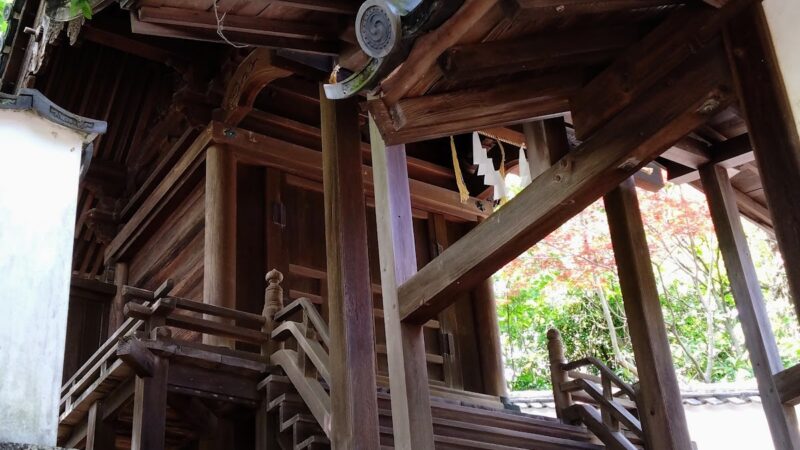
The current main hall and worship hall were rebuilt after the war, but they are beautifully constructed following traditional shrine architectural styles. The main hall is built in the Nagare-zukuri style, and the worship hall exudes a solemn atmosphere with the green of Mount Onaga as a backdrop. ### The Source of the Tenjin River
The area around Onaga Tenmangu Shrine is the source of a small stream once known as the Tenjin River. Although parts of it are now underground, this pure water source is said to symbolize the sacredness of the shrine grounds.
Stone Steps and Torii Gate
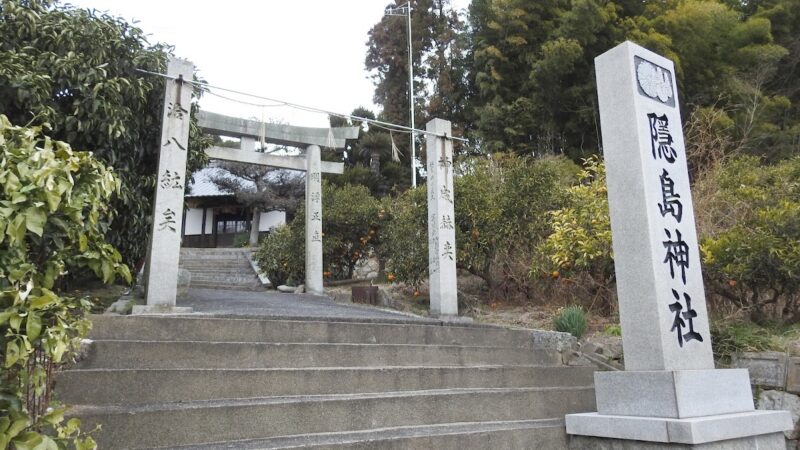
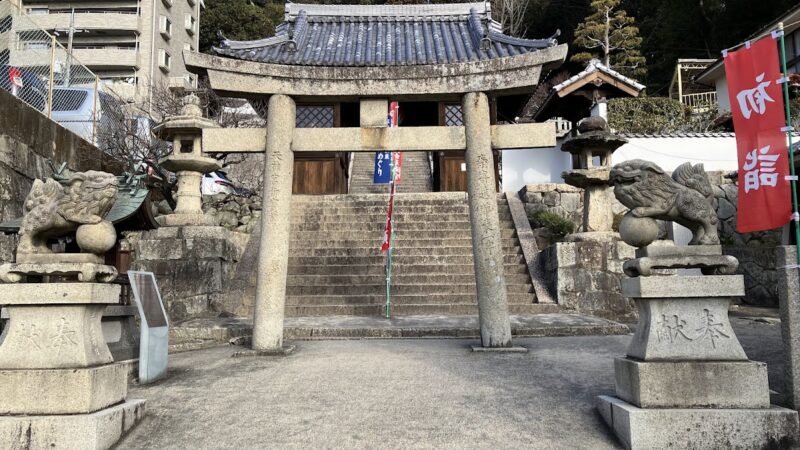
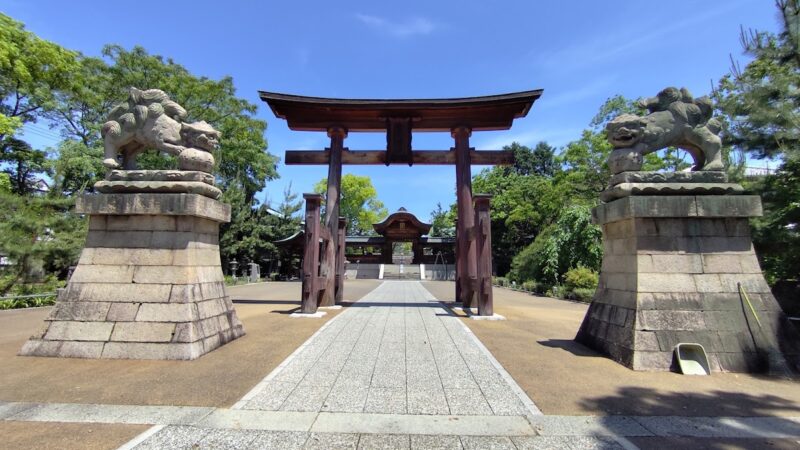
The approach to the shrine features steep stone steps, leading to the shrine grounds. Climbing these steps evokes a sense of leaving the secular world behind and entering a sacred realm. Passing through the torii gate and stepping into the quiet grounds, one is enveloped in a tranquility that makes one forget the hustle and bustle of the city.
Traces of the Atomic Bombing
Information boards indicating traces of the atomic bombing are installed within the shrine grounds, allowing visitors to learn about the historical value of the building as a survivor of the bombing. Visiting with a prayer for peace will make the experience even more meaningful.
Hiroshima Futabayama Foothills Seven Lucky Gods Pilgrimage
Onaga Tenmangu Shrine is one of the locations on the “Hiroshima Futabayama Foothills Seven Lucky Gods Pilgrimage,” and enshrines Jurojin. This pilgrimage, visiting seven temples and shrines around Futabayama, is gaining popularity as a new sightseeing and religious course in Hiroshima.
Benefits of Jurojin
Jurojin is known as the god who brings longevity and happiness. By visiting Jurojin at Onaga Tenmangu Shrine, the following benefits are believed to be received:
- Longevity
- Prayer for good health
- Family safety
- Perfect fortune
Completing the Seven Lucky Gods pilgrimage is said to bestow seven blessings, and it can be completed at a leisurely pace over the course of a day.
About Goshuin (Shrine Seals)
At Onaga Tenmangu Shrine, you can receive a Goshuin as proof of your visit.
Goshuin (Shrine Seal) Reception
- Reception Location: Shrine Office
- Reception Hours: 9:00 AM – 5:00 PM (approx.)
- Donation Fee: Approximately 300-500 yen
- Notes: Since the chief priest may be absent, it is recommended to call ahead to confirm if you wish to receive a goshuin.
Features of the Goshuin
The goshuin of Onaga Tenmangu Shrine features the calligraphy of “Onaga Tenmangu” and the shrine’s seal. It is characterized by its simple yet powerful brushstrokes, and many people cherish it as a memento of their visit.
There is also a special goshuin notebook for the Futabayama Foothills Seven Lucky Gods pilgrimage, which is especially recommended for those undertaking the pilgrimage.
Access Methods
Access by Public Transportation
Access from Hiroshima Station:
- Approximately 11-15 minutes on foot from the Shinkansen Exit (North Exit) of Hiroshima Station
- After exiting the Shinkansen Exit, cross the traffic light and proceed straight towards the mountain on the street where Hiroshima Bank is located.
- From the park near the traffic light called “Hikari-ga-oka Entrance,” climb the steep uphill slope.
- At the top of the slope, you will see the torii gate of Onaga Tenmangu Shrine.
Access by Bus:
Take a Hiroshima Bus from Hiroshima Station and get off at the “Onaga” bus stop, then walk for approximately 5 minutes.
Access by Car
- Approximately 15 minutes from the Sanyo Expressway “Hiroshima East IC”
- Approximately 5 minutes from the Hiroshima Expressway Route 1 “Onaga Exit”
- Parking available for visitors (spaces are limited; if full, please use nearby coin parking).
Notes on Access
The slope leading to Onaga Tenmangu Shrine is steep, so we recommend wearing comfortable shoes. Particular caution is needed during rainy weather, as the ground can become slippery. Elderly people and those with mobility issues should climb slowly and carefully.
Annual Events and Festivals
New Year’s Visit (January 1st-3rd)
Many worshippers visit the shrine in the new year to pray for success in exams and academic achievement. Students and their parents, especially those facing exam season, are prominent.
Tenjin Festival (January 25th)
The Tenjin Festival is held on January 25th, the anniversary of the death of Sugawara no Michizane. It is an important event to express gratitude to the god of learning and to offer prayers for new learning.
Annual Grand Festival (Autumn)
In autumn, the annual grand festival is held, featuring Kagura (sacred dance) performances and festival events by local residents. It is an important festival that strengthens the bonds of the local community.
Prayer Ceremony for Passing Exams (Exam Season)
During exam season, a special prayer ceremony for passing exams is held, attracting many students and their families. The sight of people offering votive tablets (ema) for success is a unique and characteristic scene at Tenmangu shrines.
Manners and Points for Visiting the Shrine
Basic Worship Etiquette
- Bow before passing through the torii gate.
- Purify yourself at the water basin.
- Bow twice, clap twice, and bow once in front of the main hall.
- Quietly recite your wish silently.
- Bow again when leaving the torii gate after praying.
Offering Votive Tablets
You can offer votive tablets for academic success and passing exams. Write your goals and wishes specifically and offer them as a vow to the gods.
Amulets and Souvenirs
Various amulets, such as those for academic success and passing exams, are available at the shrine office. They make great souvenirs for students taking exams.
Nearby Tourist Attractions
Around Hiroshima Station
Onaga Tenmangu Shrine is close to Hiroshima Station, making it easy to combine with sightseeing around the station. Enjoy shopping at the ASSE station building and dining at the gourmet spots near the station.
Futabayama and Futaba-no-Sato Historical Walking Trail
Historical temples and shrines are scattered at the foot of Futabayama Mountain, forming the “Futaba-no-Sato Historical Walking Trail.” In addition to visiting the Seven Lucky Gods, including Onaga Tenmangu Shrine, you can also visit Niotsu Shrine, Tsuruhane Shrine, and Kokuzenji Temple.
Hiroshima Castle
Hiroshima Castle, located about 15 minutes by car from Onaga Tenmangu Shrine, is one of Hiroshima’s most representative tourist attractions. The view from the castle tower and the historical museum within the castle are highlights.
Peace Memorial Park
Peace Memorial Park, a must-visit when visiting Hiroshima, is also about 20 minutes from Onaga Tenmangu Shrine. After visiting Onaga Tenmangu Shrine, a building that survived the atomic bombing, you can further deepen your prayers for peace. ## Summary of the Charms of Onaga Tenmangu Shrine
Onaga Tenmangu Shrine is not merely a shrine dedicated to the god of learning; it also possesses aspects of an important cultural asset that tells the story of Hiroshima’s history. The legend of Sugawara no Michizane, its connection to Taira no Kiyomori, and its multifaceted history of recovery from the atomic bombing are all condensed within this small shrine.
Its convenient location, within walking distance of Hiroshima Station, is another attractive feature. You can easily stop by during sightseeing and find peace in its tranquil grounds. It’s a shrine worth visiting for a variety of purposes, from students praying for success in exams, to those who want to learn about Hiroshima’s history, those who want to enjoy a pilgrimage to the Seven Lucky Gods, and those who wish to offer prayers for peace.
Why not entrust your wishes to the god of learning and reflect on Hiroshima’s history in the serene grounds that unfold after climbing the steep stone steps? Onaga Tenmangu Shrine is an irreplaceable place that quietly speaks to us, living in the modern age, about the importance of learning and the preciousness of peace.