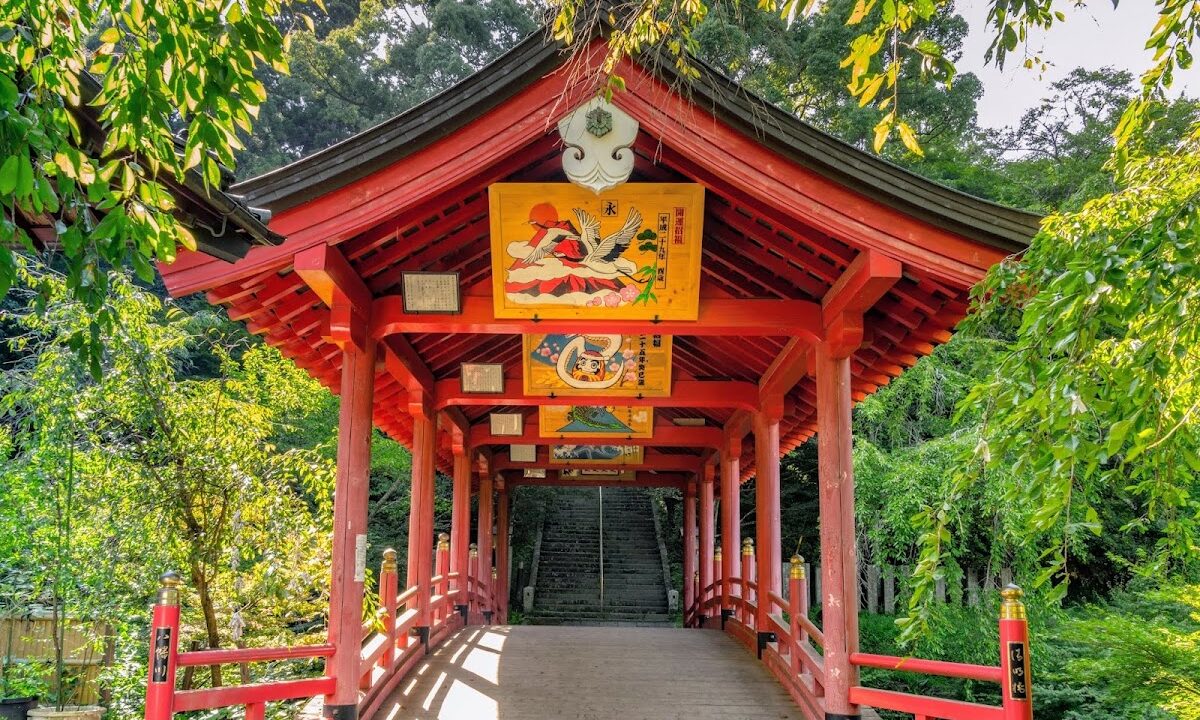
Mitsuki Hachimangu Shrine (Mihara City, Hiroshima Prefecture) Complete Guide | History, Goshuin (Shrine Seals), Access, and Highlights Explained in Detail
Mitsuki Hachimangu Shrine, nestled amidst the rich natural beauty of Mihara City, Hiroshima Prefecture, is a venerable shrine with a history spanning over 1200 years. This guide provides a detailed explanation of the shrine’s diverse attractions, from its founding story involving Wake no Kiyomaro and his sister, Hiromushihime (Hokin-ni), to its valuable cultural assets designated as important national cultural properties and its beautiful natural scenery throughout the seasons. From its history to information for visitors, this guide will explain everything you need to know about this shrine.
History and Origins of Mitsuki Hachimangu Shrine
Founding Story: Wake no Kiyomaro and his sister, Hiromushihime
The founding of Mitsuki Hachimangu Shrine dates back to the 3rd year of the Jingo-Keiun era (769 AD). In this year, Wake no Kiyomaro, a loyal retainer known during the Nara period, was exiled to Osumi Province (present-day Kagoshima Prefecture) for the crime of directly admonishing the emperor regarding the succession dispute of Dokyo.
At this time, Kiyomaro’s sister, Wake no Hiromushihime (Hokinni), was exiled to Bingo Province (present-day eastern Hiroshima Prefecture), and her exile ended up in this Mitsugi area. To pray for her brother’s innocence and vindication, Hiromushihime invited the deity of Usa Hachiman Okami from Buzen Province (present-day Oita Prefecture) and enshrined it here, which is considered the origin of Mitsugi Hachimangu Shrine.
Development as the General Guardian Shrine of Bingo Province
In 777 (Hoki 8), the shrine buildings were constructed by Councilor Fujiwara no Momokawa, giving the shrine its formal appearance. From then on, Mitsugi Hachimangu Shrine flourished greatly, receiving widespread reverence as the guardian deity of Hachiman-sho and as the general protector of Bingo Province.
From the medieval to the early modern period, it received fervent devotion from those in power. A legend remains that during the Tensho era (1573-1593), Toyotomi Hideyoshi visited the shrine while staying at Mihara Castle and planted a cherry tree on the grounds. This story is a valuable anecdote demonstrating the importance Mitsugi Hachimangu Shrine held even by Sengoku period warlords.
Cultural Assets from the Muromachi Period
During the Muromachi period, it is said that wooden guardian lion-dogs were donated by Ashikaga Yoshimasa, the 8th shogun of the Muromachi shogunate. These lion-dogs are now designated as important national cultural properties and are a valuable cultural heritage that conveys the high level of craftsmanship of the time.
Highlights of Mitsugi Hachimangu Shrine
Nationally Designated Important Cultural Properties
Mitsugi Hachimangu Shrine houses several valuable cultural properties designated as Nationally Important Cultural Properties.
Wooden Komainu (Guardian Lion-Dogs): These wooden komainu, believed to be from the Muromachi period, are known for their exquisite carving techniques and excellent state of preservation. They are important historical materials for understanding the style of komainu of that time.
Ancient Printing Blocks: Ancient printing blocks used to print Buddhist scriptures and other texts are also preserved, making them valuable historical materials for understanding medieval publishing culture.
Amida Sutra: An ancient manuscript of the Amida Sutra, which tells the story of the era of syncretism of Shinto and Buddhism, is also housed here, serving as an important historical document illustrating the historical changes of the shrine.
These cultural properties are not usually open to the public, but they may be available for viewing on special occasions.
Gongen-zukuri Style Shrine Building
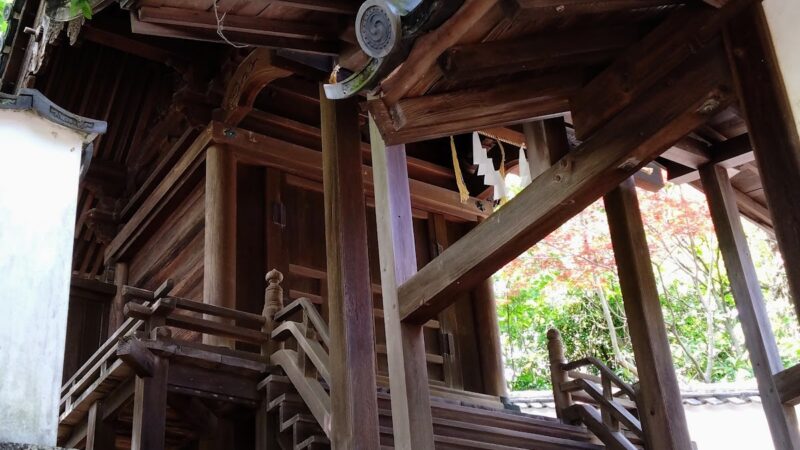
The shrine building of Mitsugi Hachimangu Shrine is constructed in the Gongen-zukuri architectural style. Gongen-zukuri is a complex shrine architecture style that connects the main hall and the worship hall with a stone corridor. It is a highly formal architectural style also used at Nikko Toshogu Shrine, which enshrines Tokugawa Ieyasu.
The shrine is surrounded by a natural oak forest, creating a solemn and tranquil atmosphere. The shrine’s presence, enveloped in deep green, brings peace to visitors.
Prefectural Designated Natural Monument: Oak Forest
The shrine forest of Mitsugi Hachimangu Shrine is designated as a natural monument of Hiroshima Prefecture. The natural oak forest, in particular, is magnificent; the sight of the towering trees growing densely evokes the solemnity of a primeval forest.
Because this forest has been protected as a sacred area for many years, its natural ecosystem is well-preserved, providing a habitat for diverse flora and fauna. Walking through the grounds, you can hear the chirping of wild birds and the rustling of the trees, creating a healing space that makes you forget the hustle and bustle of the city.
Famous Autumn Foliage Spot
Mitsugi Hachimangu Shrine is known as one of the most famous autumn foliage spots in Hiroshima Prefecture. In autumn, the maple and other trees surrounding the shrine grounds turn a riot of colors, creating a magnificent contrast with the deep green of the evergreen oak trees.
The best time to see the autumn leaves is usually from mid- to late November, and many tourists from within and outside the prefecture visit during this period. The autumn leaves around the shrine buildings and along the approach to the shrine are particularly beautiful and are popular as photography spots.
Spring Cherry Blossoms
Besides the autumn leaves, the spring cherry blossoms are also not to be missed. There are several cherry trees on the shrine grounds, including one said to have been planted by Toyotomi Hideyoshi, allowing visitors to enjoy a vibrant landscape in spring.
The best time to see the cherry blossoms is from late March to early April, creating a beautiful scene that heralds the beginning of the season of fresh greenery.
Integration with Yahata River Nature Park
Mitsugi Hachimangu Shrine is located within the Yahata River Nature Park, allowing visitors to enjoy nature walks in conjunction with their shrine visit. A clear stream flows through the park, and walking trails are maintained, allowing visitors to observe the changing seasons.
The nature park, which displays different expressions in each season—fresh greenery and cherry blossoms in spring, deep green and the clear stream in summer, autumn leaves in fall, and a serene snowscape in winter—further enhances the appeal of visiting Mitsugi Hachimangu Shrine.
Goshuin (Shrine Seal) Information
Goshuin are available at Mitsugi Hachimangu Shrine. Goshuin are popular as proof of worship and as souvenirs of travel, and many visitors bring their goshuin notebooks.
Goshuin are given at the shrine office, but since priests may not always be present, it is recommended to call ahead to confirm if you wish to receive one. The offering fee is generally around 300 to 500 yen.
The Goshuin (temple/shrine stamp) bears the words “Guardian of Bingo Province” and the crest of the Hachiman Shrine, conveying a sense of the weight and significance of a shrine with over 1200 years of history.
Basic Information and Access
Location and Contact Information
Address: Miyauchi, Yahata-cho, Mihara City, Hiroshima Prefecture
Phone: 0848-65-2339 (Can be confirmed with the Mihara City Tourism Division, etc.)
Visiting Hours and Fees
Visiting Hours: Grounds are freely accessible (Please check the hours of the shrine office)
Admission Fee: Free
Parking: Available (Free)
Access by Car
From Sanyo Expressway Mihara-Kui IC: Approximately 4km east, about 5 minutes by car
From Sanyo Expressway Onomichi IC: Approximately 15km west, about 20 minutes by car
From Mihara City Center: Approximately 20 minutes via National Route 184
When using a car navigation system, it is convenient to search for “Mitsugi Hachimangu Shrine” or “Yahata River Nature Park”.
Access by Public Transportation
From JR Mihara Station:
- Take the Geiyo Bus bound for “Mitsugi Hachimangu-mae” (approximately 40 minutes), get off at “Mitsugi Hachimangu-mae,” and it’s a short walk.
- Since the number of buses is limited, it is recommended to check the timetable in advance.
Notes:
Access by public transportation is somewhat inconvenient, so visiting by car is recommended. A taxi from JR Mihara Station will cost approximately 4,000 yen one way.
Nearby Tourist Attractions
When visiting Mitsugi Hachimangu Shrine, you can enjoy a more fulfilling trip by also visiting other tourist attractions around Mihara City.
Mihara Castle Ruins: Located adjacent to JR Mihara Station, the castle ruins still retain stone walls and a castle tower base. You can feel the history of this naval castle, known as the “Floating Castle.”
Buttsuji Temple: A famous Rinzai Zen temple, especially famous for its autumn foliage. It’s about a 30-minute drive from Mitsugi Hachimangu Shrine.
Fudekageyama/Ryuozan: A scenic viewpoint offering panoramic views of the Seto Inland Sea’s numerous islands, and a representative scenic spot of Mihara City.
Mihara City Center: In Mihara’s city center, famous for its octopus dishes, you can enjoy local delicacies such as “Takoten” (octopus tempura) and “Takomeshi” (octopus rice).
Nearby Gourmet & Accommodation Information
Gourmet: Mihara City is known as the “City of Octopus,” and dishes using fresh octopus are a specialty. There are many restaurants around Mihara Station, and many serve octopus dishes. There is also a wide variety of dishes using seafood from the Seto Inland Sea.
Accommodation: There are several business hotels and inns in Mihara City. Onomichi City and Fukuyama City are also nearby, making it possible to stay in these areas and visit on a day trip. For those who want to enjoy a more scenic experience, hot spring inns overlooking the Seto Inland Sea are also recommended.
Points and Manners for Visiting a Shrine
Etiquette for Visiting a Shrine
When visiting Mitsugi Hachimangu Shrine, follow the general etiquette for visiting a shrine.
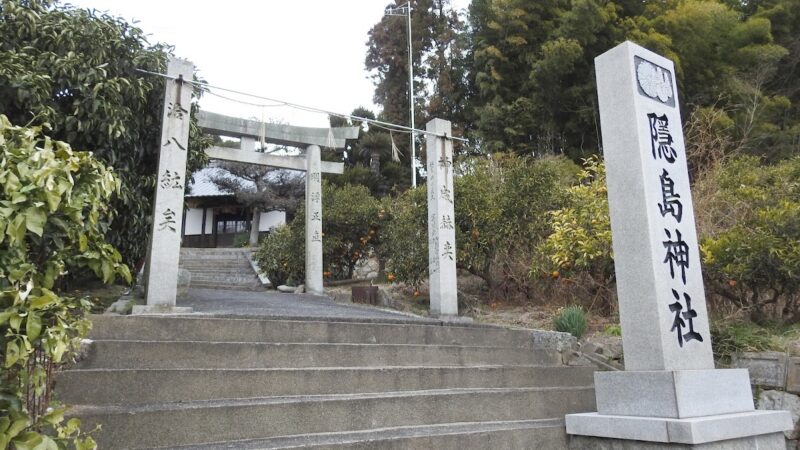
- Bow before passing through the torii gate: Show respect before entering the sacred area.
- Purify yourself at the water basin: Purify your left hand, right hand, and mouth in that order.
- Walk along the edge of the path: The center is considered the path for the gods.
- Worship at the main hall: Worship using the two bows, two claps, and one bow method.
Photography Manners
Photography is generally permitted on the shrine grounds, but please note the following points.
- Photography inside the shrine may require permission.
- Please be considerate of other worshippers.
- Please refrain from using tripods during crowded times.
- Remember that this is a sacred place and photograph with respect.
Recommended Time to Visit
Autumn Foliage Season (Mid-to-Late November): The most popular time to enjoy the beautiful autumn leaves. Weekends can be crowded.
Cherry Blossom Season (Late March-Early April): A vibrant time to feel the arrival of spring.
Fresh Green Season (May-June): The fresh green leaves of the oak forest are beautiful, making for a refreshing visit.
Weekday Mornings: For those who want to visit in peace, weekday mornings are recommended. There are fewer people, allowing you to stroll around the grounds at your leisure.
Annual Events at Mitsugi Hachimangu Shrine
Mitsugi Hachimangu Shrine holds various festivals and events throughout the year.
New Year’s Visit (January 1st-3rd): The shrine is bustling with New Year’s worshippers.
Spring Grand Festival: An important festival held in spring, featuring Shinto rituals and offerings.
Autumn Grand Festival: A festival expressing gratitude for the autumn harvest, with many local people participating.
Specific dates may vary from year to year, so it is recommended to check in advance if you wish to participate.
To fully enjoy the charm of Mitsugi Hachimangu Shrine
Allow ample time for your visit
The charm of Mitsugi Hachimangu Shrine lies not only in its historical shrine buildings and cultural assets, but also in its rich natural environment. To leisurely stroll through the shrine grounds and surrounding nature park, it is recommended to allocate at least one hour for your visit.
Enjoy the seasonal beauty
The cherry blossoms of spring, the deep green of summer, the autumn leaves, and the tranquility of winter—each season offers its own unique beauty. Even those who have visited before will likely discover something new by revisiting in a different season.
Visit After Learning About the History
Learning about the story of Wake no Kiyomaro and Princess Hiromushi, and the shrine’s history as the guardian shrine of Bingo Province, beforehand will make your visit a deeper experience. Knowing the historical background will allow you to appreciate the deeper meaning of each element within the shrine grounds.
Savor the Tranquility
Surrounded by a natural forest of chinquapin trees, the shrine grounds offer a tranquil space far removed from the hustle and bustle of the city. Putting down your smartphone for a while and listening to the birdsong and the sound of the wind will bring you peace of mind.
Summary
Mitsugi Hachimangu Shrine is a historic shrine in Mihara City, Hiroshima Prefecture, with a history spanning over 1200 years. It boasts a variety of attractions, including the story of its founding related to Wake no Kiyomaro and his sister, Princess Hiromushi, valuable cultural properties designated as important national cultural properties, a natural chinquapin forest designated as a prefectural natural monument, and beautiful natural scenery that changes with the seasons.
The autumn foliage season, in particular, is one of the most beautiful in Hiroshima Prefecture, attracting many tourists. However, for those who prefer a quieter visit, weekdays are recommended.
When visiting Mihara City, be sure to visit Mitsugi Hachimangu Shrine and experience its unique atmosphere, a blend of long history and abundant nature. The majestic presence of this shrine, revered as the guardian deity of Bingo Province, is sure to deeply impress visitors.