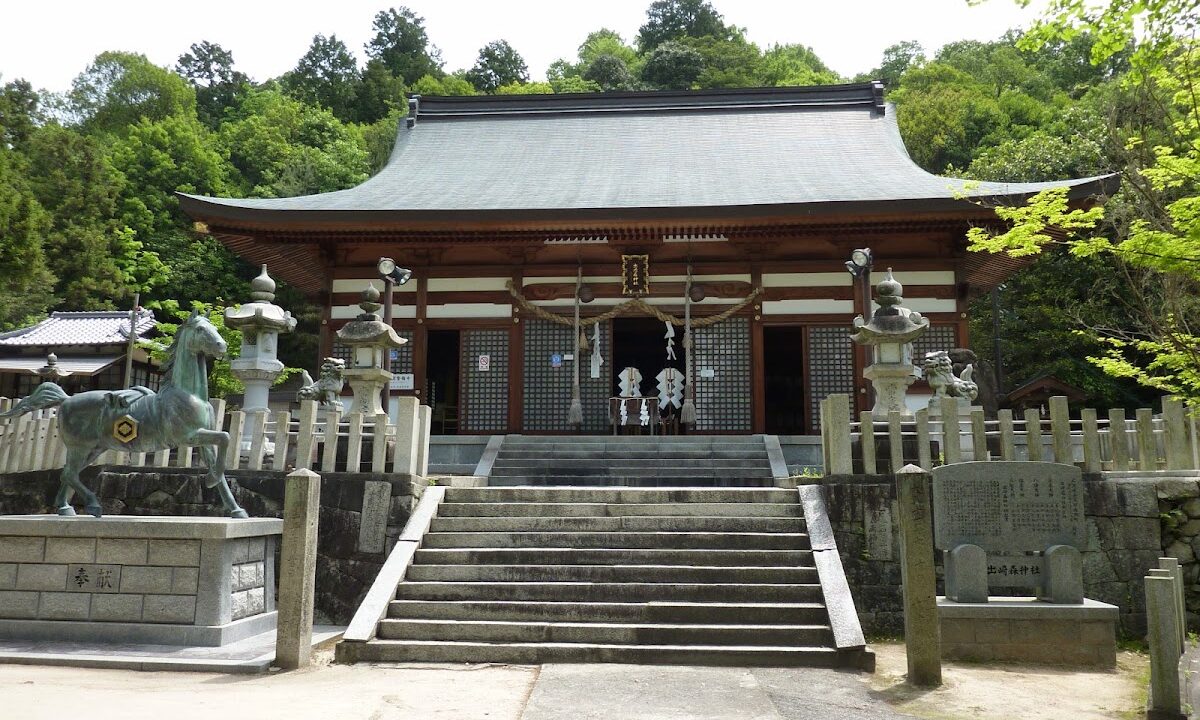
Complete Guide to Idesakimori Shrine (Kaita-cho, Hiroshima Prefecture) | History, Blessings, Fire Festival, and Goshuin Information
Idesakimori Shrine, located in Kaita-cho, Aki-gun, Hiroshima Prefecture, is a historic shrine dedicated to the three Munakata goddesses. Traditional events such as the Fire Festival and the Kumano Shingu Festival Lion Dance are still passed down, attracting the faith of the local people. This article provides a detailed explanation of everything you need to know before visiting Idesakimori Shrine, including its history, blessings, annual events, goshuin information, and access methods.
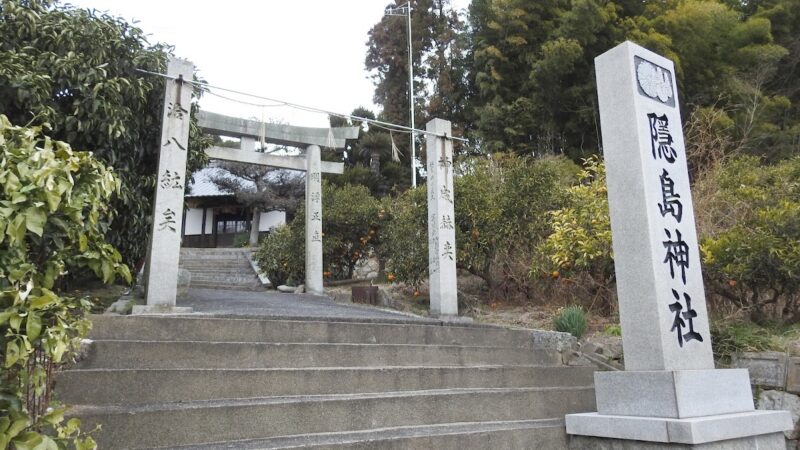
Basic Information about Dezaki Mori Shrine
Location: 2-15-25 Terasako, Kaita-cho, Aki-gun, Hiroshima Prefecture
Main Deities: Ichikishima-hime no Mikoto, Tagori-hime no Mikoto, Tagitsu-hime no Mikoto
Founding: Details unknown (Long ago, the deities were invited from Munakata Shrine in Chikuzen Province)
Shrine Rank: Former Village Shrine
Annual Festival Date: Mid-October (Autumn Grand Festival)
Goshuin (Shrine Seal): Available (Only on the 1st and 15th of each month, and on the mornings of the 1st and 3rd Sundays, offering fee 500 yen)
Dezaki Mori Shrine is located in the Terasako area of Kaita-cho, Hiroshima Prefecture, and is affectionately known as “Mori-san” by the locals. Although situated in a residential area, the shrine grounds are enveloped in a tranquil atmosphere, allowing visitors to enjoy the changing seasons while worshipping.
History and Origins of Dezakimori Shrine
Invitation from Munakata Shrine
While there are no precise records regarding the founding date of Dezakimori Shrine, it is said that the three Munakata goddesses were invited from Munakata Shrine in Chikuzen Province (present-day Fukuoka Prefecture) long ago. The three Munakata goddesses are deities who have been deeply worshipped since ancient times as goddesses of the sea and guardians of navigation.
Kaita Town is located on the Seto Inland Sea, and has historically been a thriving center of maritime transport and fishing. Therefore, it is believed that the gods of Munakata Shrine, who pray for safety at sea, were invited and enshrined as guardian deities of the region.
Origin of the Fire-Lighting Festival
The “Fire-Lighting Festival” is indispensable when discussing Dezakimori Shrine. This festival is said to originate from the time when the villagers lit torches to welcome and guide the gods from Munakata Shrine in Chikuzen when they arrived by boat.
This tradition continues to this day, and during the Autumn Grand Festival, a mystical scene unfolds as parishioners welcome the portable shrine carrying torches. The sight of the torches illuminating the night is mystical, and it is a valuable cultural heritage that conveys an ancient form of faith.
A History of Walking Together with the Community
During the Edo period, it served as a village shrine and the center of local faith. It was also designated a village shrine under the Meiji-era shrine system. As Kaita Town developed, Dezakimori Shrine played an important role as a spiritual anchor for local residents and as a venue for various festivals and events.
Although the surrounding environment has changed significantly due to post-war urbanization, the shrine remains cherished by the people of Kaita Town as a guardian deity of the region and a place for passing on traditional culture.
Deities and Benefits
Main Deities: Munakata Three Goddesses
The main deities of Dezakimori Shrine are the Munakata Three Goddesses.
Ichikishima-hime no Mikoto
Known as the most beautiful of the three goddesses, she is sometimes identified with Benzaiten. She is believed to grant blessings for improvement in performing arts and increased wealth.
Tagori-hime no Mikoto
As the eldest goddess, she is believed to grant blessings for family safety and matchmaking.
Tagitsu-hime no Mikoto
As the second goddess, she is believed to grant blessings for traffic safety and protection from evil.
The three Munakata goddesses are generally known for their blessings of maritime safety, traffic safety, business prosperity, and good fortune. In modern times, they are worshipped as gods who protect not only sea transport but all forms of transportation.
Shrine Precincts and Their Blessings
The grounds of Dezakimori Shrine contain several subsidiary shrines, each offering different blessings.
Izumo Yakumo Shrine
The Izumo Yakumo Shrine, located within the grounds, is said to have been established after the area suffered severe damage from a locust plague (caused by grasshoppers and other insects that damage crops), and was invited from Izumo Taisha Shrine. It enshrines Susanoo-no-Mikoto and is believed to offer protection against misfortune, disease, and agriculture.
Wakamiya Shrine
Known for its blessings of fertility, safe childbirth, and child-rearing, it attracts pregnant women and families with young children from the area.
Tenmangu Shrine
Enshrining Sugawara no Michizane, the god of learning, it offers blessings for academic success and passing exams. Many students and their parents visit during exam season.
In this way, Dezakimori Shrine is cherished by the people of Kaita Town, Hiroshima Prefecture, as a shrine offering comprehensive blessings that can be relied upon in various aspects of life, from maritime safety to academic success.
The Fire-Lighting Festival and the Kumano Shingu Shrine Lion Dance
Details of the Fire-Lighting Festival
The Fire-Lighting Festival is a traditional event held during the autumn grand festival of Dezaki Mori Shrine and is also noteworthy as an intangible folk cultural property of Hiroshima Prefecture.
Festival Flow
- Preparation Stage: Several days before the grand festival, the parishioners begin preparations for the festival. This includes making torches, cleaning the portable shrine, and confirming the festival route.
- Shinto Ritual: On the day of the grand festival, a solemn Shinto ritual is first held at the main shrine building. The chief priest recites prayers, and sacred branches are offered, expressing gratitude and prayers to the gods.
- Fire-Lighting Procession: As dusk falls, the parishioners welcome the portable shrine with torches in hand. The light of the flames illuminates the darkness of the night, creating a fantastical atmosphere. This scene recreates the moment when the gods were welcomed from the sea by boat.
- Mikoshi Procession: Guided by torches, the portable shrine (mikoshi) parades through the parish area. Local residents welcome the mikoshi in front of their homes, praying for family safety and business prosperity.
Kumano Shingu Festival Lion Dance
At the annual festival of Dezaki Mori Shrine, the Kumano Shingu Festival Lion Dance is also performed. This lion dance is a traditional art form passed down through generations, intended to ward off evil spirits and pray for a bountiful harvest and peace in the community.
The lion dance is passed down by young people in the community, and its magnificent performance captivates viewers. The sight of the lion dancing to the sounds of drums and flutes allows you to truly appreciate the beauty of traditional Japanese culture.
Kagura Dedication
In recent years, the autumn festival has included dedications of Kagura (traditional Shinto dance and music) by groups such as the Hongō Kagura Troupe from Akiōta Town. In October 2024, the Hongō Kagura Troupe dedicated Kagura, attracting a large crowd.
Kagura is a traditional performing art that expresses stories based on Japanese mythology through elaborate costumes and powerful dances. Often performed as part of a night festival, the Kagura, performed on a stage illuminated by bonfires, creates a fantastical and solemn atmosphere.
The fact that such traditional events are still carefully preserved in Kaita Town, an urban area, demonstrates the cultural richness of the region.
Goshuin (Shrine Seal) Information
Goshuin Issuance Dates
While Dezakimori Shrine issues Goshuin, the issuance dates are limited as the shrine is usually unattended.
Issuance Dates:
- 1st of every month
- 15th of every month
- 1st Sunday
- 3rd Sunday
Issuance Time: Morning only
Offering Fee: 500 yen
The shrine is generally unattended outside of these dates and times. Therefore, those wishing to receive a Goshuin (shrine stamp) must visit during the above dates and times. Especially if you are traveling from afar, it is recommended to check the schedule in advance.
Goshuin Design
The Goshuin of Dezakimori Shrine features a simple yet dignified design with the shrine name and date of visit written in ink, and stamped with the shrine’s seal. It exudes the dignity befitting a shrine dedicated to the Munakata Three Goddesses.
The Goshuin of the Izumo Yakumo Shrine, a subsidiary shrine within the grounds, may also be available at the same time. Please inquire during your visit if you wish to receive one.
About Goshuin Notebooks
It is recommended to check directly on the day of issuance whether Dezakimori Shrine has its own original Goshuin notebook. It is possible to have your own Goshuin notebook stamped.
New Year’s Visit Information
Characteristics of New Year’s Visit
Dezakimori Shrine is one of the New Year’s visit spots in Kaita Town, Hiroshima Prefecture. Unlike large shrines, it’s not crowded, making it a relatively peaceful and tranquil place to visit, and is popular with locals.
Visiting Period: The shrine is bustling with New Year’s visitors, mainly from New Year’s Day through the third day, and throughout the Matsunouchi period (until January 7th).
Crowd Situation: As it’s a community-oriented shrine, it’s not extremely crowded. It’s only slightly busy on the morning of New Year’s Day.
Visiting Hours: The shrine grounds are generally open 24 hours, but the shrine office has limited hours.
Benefits of New Year’s Visit
Many visitors come for the New Year’s visit to pray for the following benefits:
- Traffic Safety: Pray for traffic safety throughout the year through the protection of the Munakata Three Goddesses.
- Business Prosperity: Pray for business prosperity and development in the new year.
- Family Safety: Pray for the health and peace of all family members.
- Good Fortune and Prosperity: Pray for improved luck in the new year.
- Academic Success: Students pray for success in exams and academic improvement at Tenmangu Shrine.
How to Enjoy Your First Shrine Visit of the Year
Visiting Dezaki Mori Shrine for the first shrine visit of the year offers a quiet and peaceful atmosphere for offering New Year’s greetings. While it lacks the hustle and bustle of large shrines, this allows for a more relaxed visit and heartfelt prayer.
After your visit, we recommend strolling through the streets of Kaita Town or enjoying a New Year’s meal at a nearby restaurant. There’s also a shopping street around JR Kaitaichi Station, where you can experience the local atmosphere.
Weather and Clothing for the New Year Holidays
The weather in Kaita-cho, Hiroshima Prefecture, during the New Year holidays is relatively mild, but it can get chilly in the mornings and evenings. Please note the following points when visiting for your first shrine visit of the year:
- Temperature: Daytime temperatures are around 5-10 degrees Celsius, but can drop to near 0 degrees Celsius in the mornings and evenings.
- Clothing: Wear warm clothing such as a coat or jacket; a scarf and gloves are also recommended.
- Weather: Due to the Seto Inland Sea climate, it is generally sunny, but please check the latest weather forecast.
- Footwear: The shrine grounds are paved, but comfortable walking shoes are recommended.
Annual Events and Festivals
Dezakimori Shrine holds various festivals and events throughout the year.
Main Annual Events
January
- New Year’s Day Festival: A Shinto ritual celebrating the New Year
- First Shrine Visit Period: Many worshippers visit during this period
February
- Setsubun Festival: Prayers for protection from evil and good health
Spring
- Spring Festival: Celebrating the arrival of spring and praying for a bountiful harvest
July
- Summer Purification Ceremony: A Shinto ritual to cleanse away the impurities accumulated over the past six months
October
- Autumn Grand Festival: The most important festival of the year
- Fire Festival: A traditional fire festival
- Kumano Shingu Shrine Lion Dance: A lion dance performance
- Kagura Performance: Kagura performances by Kagura troupes
December
- Year-End Purification Ceremony: A Shinto ritual to cleanse away the impurities accumulated over the past year
Highlights of the Autumn Grand Festival
The Autumn Grand Festival, held in mid-October, is the most important festival in the annual events of Dezakimori Shrine. It’s packed with highlights, including a fire-lighting ceremony, lion dances, and Kagura (sacred dance) performances.
The festival is usually held on a Saturday or Sunday, attracting many local residents and tourists. Stalls often appear on the shrine grounds and surrounding areas in the evenings, allowing visitors to enjoy the lively atmosphere of the festival.
This is a valuable opportunity to witness traditional events up close, so we highly recommend visiting Kaita Town, Hiroshima Prefecture, during the festival period.
Highlights of the Shrine Grounds
Main Hall and Worship Hall
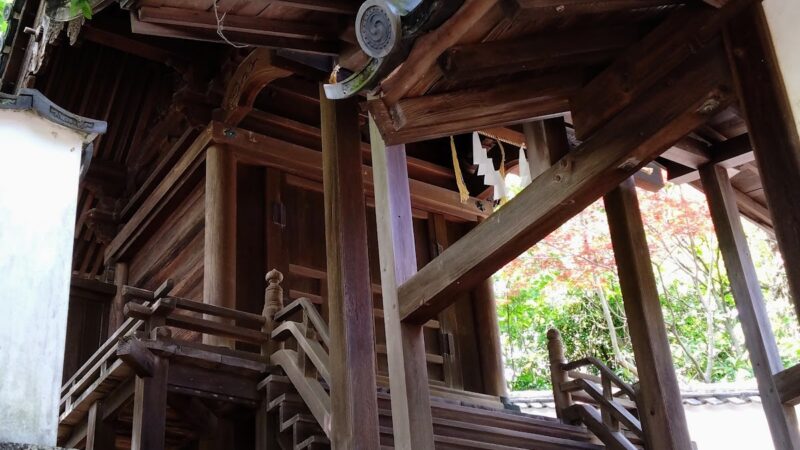
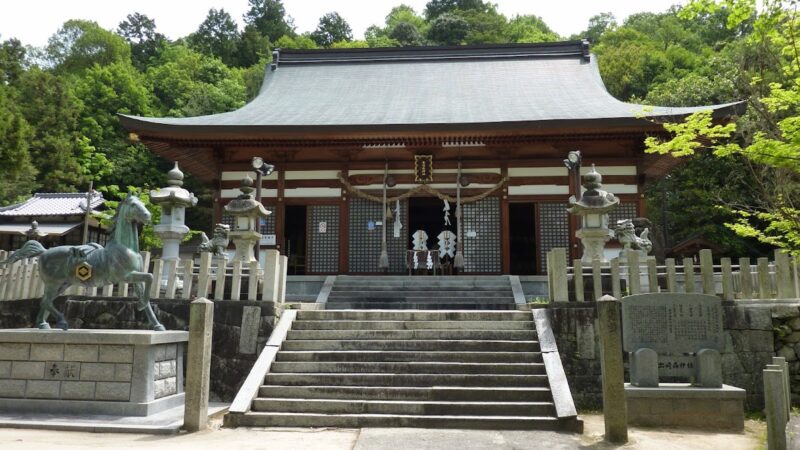
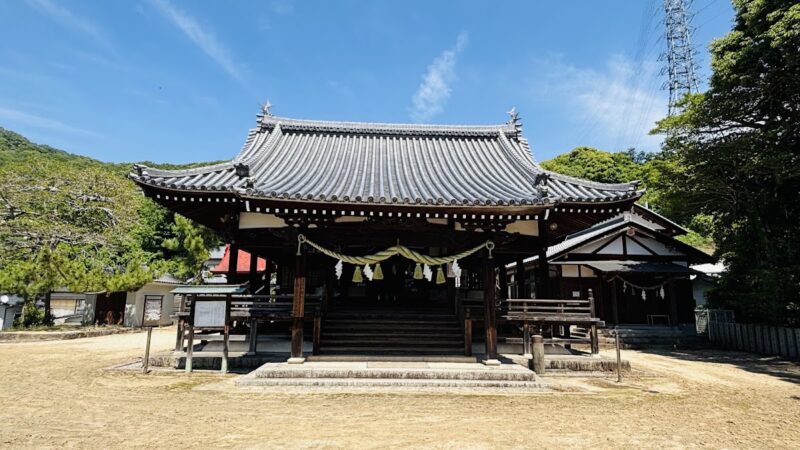
The main hall and worship hall of Dezakimori Shrine are built in the traditional shrine architectural style. While not large in scale, they are meticulously maintained, reflecting the shrine’s prestige and the faith of the local people.
A donation box is located in front of the worship hall, and worshippers perform the ritual of two bows, two claps, and one bow. ### Izumo Yakumo Shrine (Shrine within the Precincts)
The Izumo Yakumo Shrine, located within the precincts, is a historical shrine established by inviting a deity from Izumo Taisha Shrine to pray for relief from locust plagues. It enshrines Susanoo-no-Mikoto and is believed to offer protection against misfortune and disease.
It is believed that visiting this shrine separately from the main shrine will grant even greater blessings.
Other Shrines within the Precincts
Several shrines within the precincts, including Wakamiya Shrine and Tenmangu Shrine, are enshrined. Each offers different blessings, allowing visitors to pray according to their purpose.
Shrine Grove and Natural Environment
Trees are planted throughout the precincts, allowing visitors to experience the changing seasons. Despite being in an urban area, the tranquil space surrounded by greenery provides a sense of peace.
With cherry blossoms in spring, fresh greenery in summer, autumn leaves in fall, and crisp winter air, the precincts display different expressions with each season, offering fresh discoveries with every visit.
Stone Monuments and Memorials
Within the shrine grounds, there are stone monuments and memorials that tell the story of history. These are valuable resources for understanding the history of the shrine and the changes in the surrounding area.
Access Information
Access by Public Transportation
Using the JR Sanyo Main Line
- Nearest Station: JR Sanyo Main Line “Kaitaichi Station”
- Approximately 15 minutes on foot from the station
- Approximately 10 minutes from Hiroshima Station to Kaitaichi Station
Using Hiroshima Electric Railway Bus
- Nearest Bus Stop: “Terasako” Bus Stop
- Approximately 5 minutes on foot from the bus stop
- Buses operate from Hiroshima Station and Kaitaichi Station
The route from Kaitaichi Station to the shrine goes through a residential area. If you have trouble finding your way, ask a local for directions; they will kindly assist you.
Access by Car
Using the Expressway
- Approximately 10 minutes from the Sanyo Expressway “Kaita-Higashi IC”
- Approximately 15 minutes from the Sanyo Expressway “Hiroshima-Higashi IC”
Using General Roads
- Approximately 30 minutes from central Hiroshima City via National Route 2
- Please search for “Dezakimori Shrine” or the address “2-15-25 Terasako, Kaita-cho, Aki-gun, Hiroshima Prefecture” using your car navigation system or smartphone map app.
Parking Information
There is parking space for visitors on the shrine grounds, but the number of spaces is limited. During events such as the annual festival, congestion is expected, so we recommend using public transportation.
Parking is possible during normal visits, but please be considerate of local residents.
Nearby Facilities
Kaita Town Historical and Folk Museum
A facility where you can learn about the history and culture of Kaita Town. There may also be exhibits on the history of Dezakimori Shrine.
Kaitaichi Station Area Shopping Street
A shopping street lined with local shops where you can enjoy dining and shopping.
Oda Mikio Square
A memorial facility for Oda Mikio, the first Japanese Olympic gold medalist. It honors this great figure from Kaita Town.
Manners and Points for Visiting a Shrine
Basic Worship Etiquette
- Bow before passing through the torii gate: As a sign of respect before entering the sacred area, bow before the torii gate.
- Purify yourself at the water basin: If there is a water basin, purify your hands and mouth.
- Walk along the edge of the path: The center of the path is considered the path of the gods, so walk along the edge.
- Two bows, two claps, one bow: Place your offering in front of the main hall and worship using the two bows, two claps, one bow ritual.
- Bow when leaving: When leaving the torii gate, turn around and bow once.
Points to Note When Visiting a Shrine
- Be quiet: Be quiet within the shrine grounds and avoid disturbing other worshippers.
- Photography Manners: Photography is generally permitted, but consideration is needed, such as refraining from taking pictures inside the main hall or during festivals.
- Pet-Friendly Attire: Regulations vary by shrine, so please check in advance if you are bringing a pet.
- Dress Code: No special attire is required, but clean and modest clothing is preferred.
Manners for Receiving a Goshuin (Shrine Stamp)
- Receive After Worship: A goshuin is proof of worship, so always receive it after praying.
- Prepare a Goshuincho (Shrine Stamp Book): It is common to prepare a dedicated goshuincho.
- Prepare the Offering: Having 500 yen ready beforehand will ensure a smooth process.
- Polite Language: Please request politely, such as “May I have a goshuin?”
- Waiting Attitude: When it is crowded, please wait your turn and avoid rushing.
The Charm and Value of Visiting Dezakimori Shrine
Dezakimori Shrine, located in the urban area of Kaita-cho, Hiroshima Prefecture, is a valuable shrine that preserves ancient traditions and beliefs.
Preservation of Traditional Culture
Traditional events such as the Fire Lighting Festival and the Kumano Shingu Shrine Lion Dance, which have been passed down for hundreds of years, are still carefully preserved today. These events represent the identity of the region and are cultural heritage passed down through generations.
Maintaining such traditions in modern society is not easy, but at Dezaki Mori Shrine, these valuable cultural traditions are being preserved thanks to the efforts of the parishioners and local residents.
Center of the Community
Dezaki Mori Shrine is not merely a religious facility, but a central presence in the local community. Through festivals and events, it serves as a place where local residents gather, interact, and deepen their bonds.
As a shrine visited at important life events such as New Year’s visits, the annual festival, and Shichi-Go-San (a traditional rite of passage for children), it is deeply rooted in the lives of the people of Kaita Town.
A Quiet Place of Worship
Unlike large-scale tourist shrines, Dezaki Mori Shrine offers a quiet and peaceful atmosphere for worship. Away from the hustle and bustle, this space where one can calmly connect with the gods will be a precious place of healing for modern people.
Diverse Blessings
Dezakimori Shrine, which enshrines the three Munakata goddesses as its main deities and has several subsidiary shrines within its grounds, offers a variety of blessings, from traffic safety to academic success. As a comprehensive power spot that can be relied upon at various stages of life, it caters to worshippers of all ages.
Summary
Dezakimori Shrine is a historical and traditional shrine located in Kaita-cho, Aki-gun, Hiroshima Prefecture. It enshrines the three Munakata goddesses and is known for its blessings related to maritime safety, traffic safety, and business prosperity.
Traditional events such as the Fire Festival and the Kumano Shingu Festival Lion Dance are still passed down, playing an important role in the preservation of local culture. Goshuin (shrine stamps) are available on the 1st and 15th of each month, and on the first and third Sundays of the month in the morning, with a donation of 500 yen.
It is also a popular spot for New Year’s visits, and is a hidden gem where you can worship peacefully without the crowds. Located approximately 15 minutes on foot from JR Kaitaichi Station, and about 10 minutes by car from the Sanyo Expressway Kaita-Higashi Interchange, Dezakimori Shrine boasts excellent accessibility.
When visiting Kaita-cho in Hiroshima Prefecture, be sure to pay your respects at Dezakimori Shrine and experience the atmosphere of this historic shrine and the traditional culture of the region. The autumn festival, in particular, offers an excellent opportunity to witness valuable traditional events such as the fire-lighting ceremony and Kagura (sacred dance).
Why not cleanse your mind in the quiet and peaceful grounds, receive the blessings of the three Munakata goddesses, and take a new step forward? Dezakimori Shrine is a cultural heritage that Kaita-cho, Hiroshima Prefecture, is proud of, offering peace and strength to its visitors.