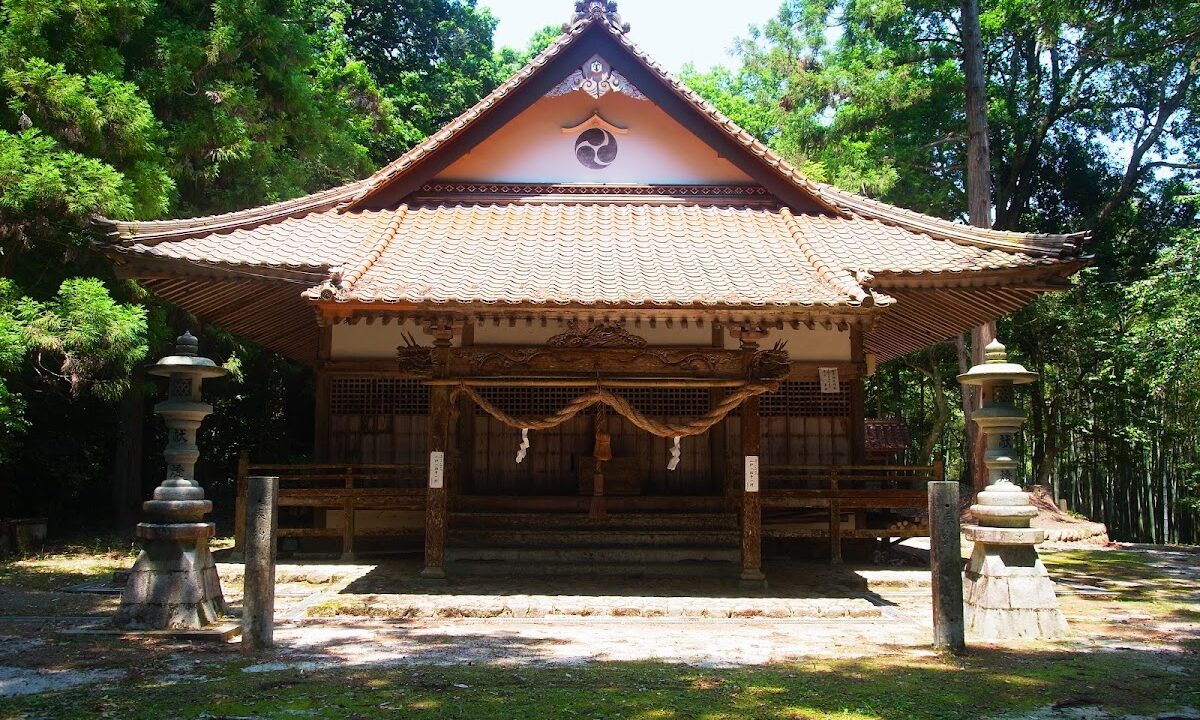
Yozan Hachiman Shrine (Asakita Ward, Hiroshima City, Hiroshima Prefecture) | Complete Guide to History, Deities, and Access
About Yozan Hachiman Shrine
Yozan Hachiman Shrine is a historic shrine located in Ayagaya, Kabe-cho, Asakita Ward, Hiroshima City, Hiroshima Prefecture. It has long been revered by local residents as the guardian deity of the region. Surrounded by abundant nature, the shrine grounds boast a sacred grove designated as a city natural monument, making it noteworthy for both its historical value and natural environment.
Yozan Hachiman Shrine, which has walked hand in hand with the history of the Kabe region, is cherished by local residents as a guardian deity of abundant harvests, family safety, and lasting military fortune. Located in a quiet mountain area, it is a sacred space that offers peace of mind to visitors.
Deities Enshrined
The deities enshrined at Yozan Hachiman Shrine are the central gods of Hachiman worship.
Main Deities
- Emperor Ōjin: The 15th Emperor, widely revered as Hachiman-sama.
- Empress Jingū: Mother of Emperor Ōjin.
- Himegami: One of the three Munakata goddesses.
Hachiman-sama is worshipped nationwide as a god of war and as the guardian deity of agriculture and fishing. At Yōzan Hachiman Shrine, prayers for the prosperity of the region and the safety of its residents have been offered through these divine virtues.
History of Yōzan Hachiman Shrine
Founding and History
The exact founding date of Yōzan Hachiman Shrine is unclear due to the loss of historical records, but it is believed to have been enshrined there since ancient times, alongside the development of the Kabe region. It is said to have already functioned as a center of local faith in the Middle Ages, and received deep reverence from local residents during the Edo period.
History Since the Meiji Era
Following the reforms to the shrine system during the Meiji era, Yozan Hachiman Shrine was officially established as the local tutelary shrine. Even after the war, it continued to serve as a spiritual pillar for the local community, deepening its ties with residents through festivals and annual events.
In recent years, its cultural value has been recognized, with the shrine’s grove designated as a natural monument by Hiroshima City.
The Grove of Yozan Hachiman Shrine (Natural Monument)
Characteristics and Value of the Grove
The grove of Yozan Hachiman Shrine is a valuable natural forest designated as a natural monument by Hiroshima City. Because it has been protected as a sacred area for many years, it maintains vegetation close to that of a primeval forest.
The grove is dominated by evergreen broad-leaved forests, mainly oaks and chestnuts, preserving a rich ecosystem rare in the suburbs of an urban area. Several giant trees, estimated to be several hundred years old, exist, conveying a sense of historical significance.
Ecological Significance
In Hiroshima City, where urbanization is progressing, the sacred grove of Yozan Hachiman Shrine is a valuable green space that contributes to the conservation of biodiversity. It serves as a habitat for diverse organisms, including wild birds and insects, and is also attracting attention as a place for environmental education.
Visiting the shrine grounds allows you to experience the changing seasons, and the scenery is particularly beautiful during the fresh green season and the autumn foliage season.
Annual Festivals and Events
Yozan Hachiman Shrine holds various festivals and events throughout the year. The main events scheduled for 2026 are as follows:
List of Major Annual Festivals
Spring Grand Festival
- Date: Mid-April
- Content: An important festival praying for a bountiful harvest and the prosperity of the region.
Summer Purification Ceremony
- Date: June 30th
- Content: A Shinto ritual to purify oneself of sins and impurities accumulated over the past six months.
Autumn Grand Festival
- Date: Mid-October
- Content: A festival expressing gratitude for the harvest.
Year-End Purification Ceremony
- Date: December 31st
- Content: A Shinto ritual to purify oneself of sins and impurities accumulated over the past year.
New Year’s Visit
- Date: January 1st-3rd
- Content: Prayers for good health and protection from illness in the new year.
*Please note that festival dates may change depending on the year. We recommend checking before your visit.
Highlights of the Shrine Grounds
Main Hall and Worship Hall
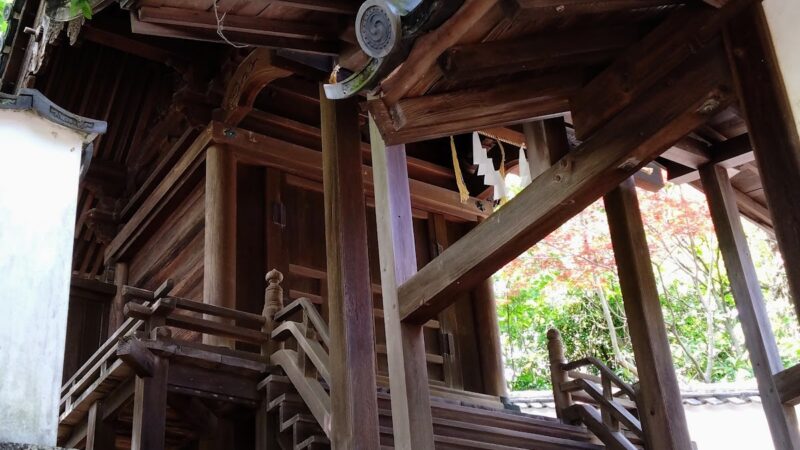
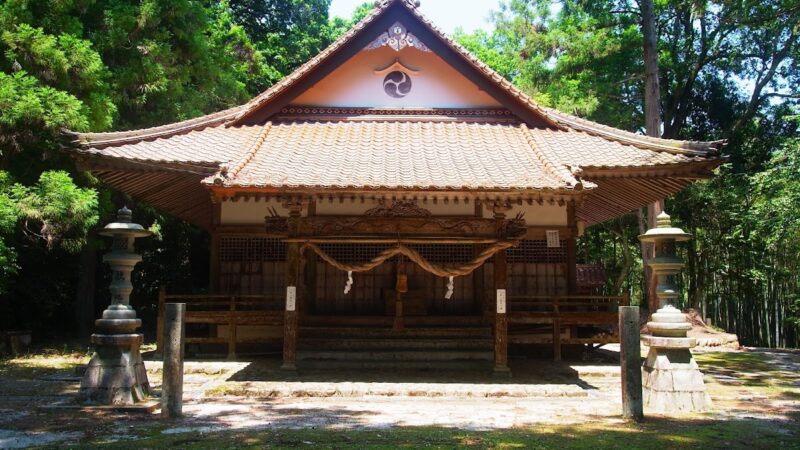
The wooden main hall and worship hall preserve the traditional style of shrine architecture. They exude a simple yet solemn atmosphere, quietly welcoming visitors.
Stone Steps and Approach
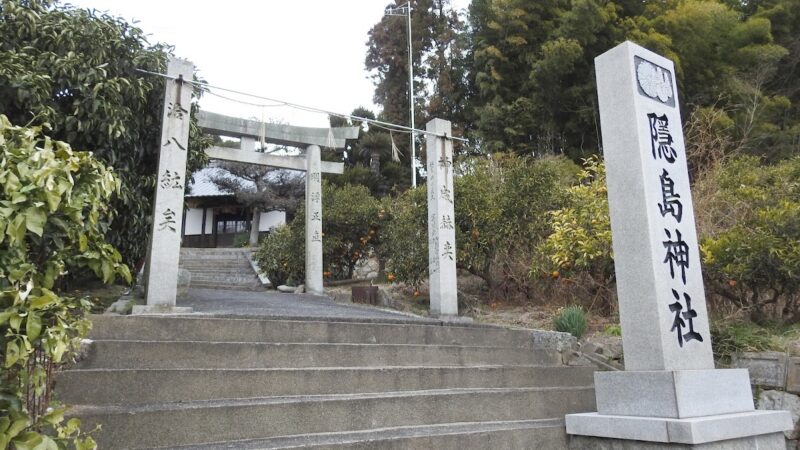
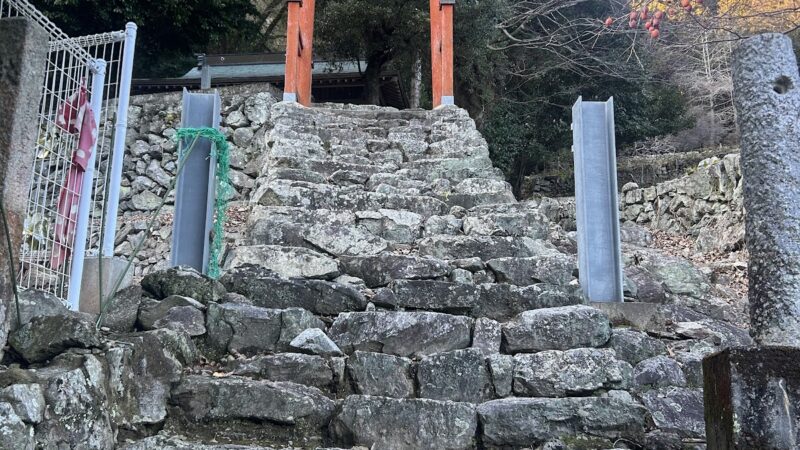
The stone steps leading to the shrine grounds are covered in moss from the passage of time, conveying a sense of history. The approach, surrounded by a lush forest, is a sacred space that allows you to forget the hustle and bustle of everyday life.
Subsidiary Shrines
Several subsidiary shrines are enshrined around the main hall, each attracting the faith of the local community.
Location and Access Information
Location
Official Name: Yozan Hachiman Shrine
Address: Ayagaya, Kabe-cho, Asakita-ku, Hiroshima City, Hiroshima Prefecture
Phone Number: Please contact the Hiroshima Prefectural Shrine Association
Access from the Nearest Station
From JR Kabe Line “Kabe Station”
- Walking: Approximately 50 minutes (approximately 4 km)
- Taxi: Approximately 10 minutes
- Private car recommended
Nearest Bus Stop and Route
Access to Yozan Hachiman Shrine by public transport is somewhat inconvenient, so using a private car is recommended.
Hiroshima Electric Railway Bus
- Take a bus bound for “Ayagaya” from Kabe Station
- A short walk is required from the nearest bus stop
*Since bus service is limited, it is recommended to check the timetable in advance.
Access by Car
From Hiroshima City Center
- Head north on National Route 54
- Travel time: Approximately 40 minutes
- Parking: Limited space available on the shrine grounds
From Sanyo Expressway
- Approximately 20 minutes from Hiroshima Kita Interchange
*Please be careful when driving as there are narrow sections of road.
Notes on Visiting the Shrine
Shrine Etiquette
When visiting Yozan Hachiman Shrine, please observe the following points.
- Attire: As this is a sacred place, please dress appropriately.
- Worship Etiquette: The basic procedure is two bows, two claps, and one bow.
- Photography: Photography is permitted on the shrine grounds, but please be considerate of other worshippers.
- Litter: Please take all your trash with you.
- Noise: Please maintain quiet and refrain from loud conversations.
Seasonal Precautions
Spring/Summer
- Insect repellent is recommended.
- Stay hydrated to prevent heatstroke.
Autumn/Winter
- The ground may be slippery.
- Don’t forget to dress warmly.
Rainy Weather
- The stone steps may be slippery, so please be careful.
- Using an umbrella is recommended.
Nearby Attractions
Tourist Spots in the Kabe Area
Around Yozan Hachiman Shrine, there are many spots where you can experience the history and nature of Kabe.
Kabe Townscape
- A historical townscape with old merchant houses and townhouses remaining.
- Located near Kabe Station.
Ota River
- Known as Hiroshima’s mother river, a clear stream.
- Ideal for nature walks.
Nearby Shrines
Utsunomiya Shrine
- Approximately 50 minutes on foot (4km)
- A representative ancient shrine of the Kabe area.
Cultural Value of Yozan Hachiman Shrine
Significance of Preserving the Shrine Grove
The shrine grove of Yozan Hachiman Shrine is not merely a forest, but a cultural landscape preserved through long-standing faith and conservation efforts. In today’s increasingly urbanized world, maintaining such a natural environment is extremely important.
The designation as a natural monument by the Hiroshima City Board of Education is a public recognition of its value, and it is expected that local residents and the administration will continue to cooperate in its preservation.
Connection with the Local Community
Yozan Hachiman Shrine is not merely a tourist spot, but a place of faith deeply rooted in the lives of local residents. The festivals held throughout the year are important opportunities to strengthen the ties of the local community.
Maintenance activities, led by the parishioners’ representatives, include cleaning the shrine grounds and repairing the facilities, ensuring that it is cherished and protected as a source of local pride.
Benefits of Worship
Divine Virtues of Hachiman
Hachiman, enshrined at Yozan Hachiman Shrine, is believed to bestow the following benefits:
- Long-lasting Military Fortune: Overcoming challenges and difficulties
- Family Safety: Health and peace for the family
- Abundant Harvest: Prosperity in agriculture and business
- Protection from Misfortune and Good Fortune: Protection from disaster and improvement of luck
- Prayer for Safe Childbirth: Based on the story of Empress Jingu
- Academic Success: The aspect of Emperor Ojin as the god of learning
Prayers and Amulets
Yozan Hachiman Shrine offers various prayers and amulets. For details, please contact the Hiroshima Prefectural Shrine Association or your local parishioner’s representative in advance.
Points to Note When Visiting Yozan Hachiman Shrine
Recommended Time to Visit
Spring (April-May)
- Beautiful fresh greenery and mild weather
- Spring Grand Festival
Autumn (October-November)
- Peak autumn foliage
- Autumn Grand Festival is held
New Year’s Visit (January 1st-3rd)
- Many visitors come to pray for the New Year
Estimated Time Required
- Visiting only: Approximately 20 minutes
- Including a stroll around the grounds: Approximately 40 minutes to 1 hour
- Including sightseeing in the surrounding area: Approximately half a day
Comparison with Other Hachiman Shrines in Hiroshima Prefecture
While there are many Hachiman shrines in Hiroshima Prefecture, Yozan Hachiman Shrine is unique in the following respects.
Uniqueness
- Natural Monument Shrine Grove: A valuable natural environment designated by the city.
- Tranquil Mountain Environment: Located away from the hustle and bustle of urban areas.
- Community-Oriented: Strong ties to the community as a local guardian shrine.
Other Major Hachiman Shrines
- Itsukaichi Hachiman Shrine (Saeki Ward, Hiroshima City): Larger in scale and more easily accessible.
- Mihara Hachiman Shrine (Mihara City): Famous for its weeping pine tree associated with Basho.
- Koboriyama Hachiman Shrine: Known as a historical building.
The Role of Yozan Hachiman Shrine in the Community
Center of Faith
In the Ayagaya district of Kabe Town, Yozan Hachiman Shrine plays a vital role as a spiritual pillar. During New Year’s and festivals, the normally quiet shrine grounds become bustling with worshippers, fostering a strong sense of community.
Center for Nature Conservation
Through conservation activities of the shrine’s sacred grove, it plays a role in conveying the importance of environmental protection to local residents. Its significance is also great from the perspective of passing on natural heritage to future generations.
Place for Cultural Transmission
Through traditional rituals and annual events, it functions as a place to pass on traditional Japanese culture to future generations. Children participating in the shrine’s festivals provide an opportunity to learn about local history and culture.
Summary
Yozan Hachiman Shrine, located in Kabe-cho, Asakita-ku, Hiroshima City, is a shrine where history and nature harmonize. The shrine’s sacred grove, designated a natural monument, preserves a valuable natural environment in the suburbs of a city, providing peace of mind to visitors.
With Hachiman-jin as its enshrined deity, many visitors, including local residents, come seeking blessings for military success, family safety, and abundant harvests. The festivals held throughout the year are important opportunities to deepen the bonds of the local community.
Yozan Hachiman Shrine is a shrine where history and nature harmonize. While access is somewhat inconvenient, the tranquil atmosphere preserved there allows you to forget the hustle and bustle of everyday life. For those who want to visit a shrine in Hiroshima City where you can experience nature and history, this is a highly recommended spot.
When visiting, take your time to stroll through the grounds and enjoy the rich natural beauty of the shrine’s surrounding forest. Yozan Hachiman Shrine, which displays different expressions throughout the seasons, is a place where you can discover something new every time you visit.