Complete Guide to Yonaoshi Shrine (Hiroshima Prefecture) | History, Benefits, Access, and Visiting Information
Yonoshi Shrine, located in Hiroshima Prefecture, is known as a unique shrine whose name means “to set the world right” or “to reform the world.” This article provides a detailed explanation of the historical background, enshrined deities, benefits, access methods, and points to note when visiting Yonaoshi Shrine—all the information you should know before visiting.
What is Yonaoshi Shrine?
Yonoshi Shrine is a shrine located in Hiroshima Prefecture, and its name reflects the wish to “guide the world right.” It has long been a beloved shrine for local people, attracting the faith of the community.
Origin of the Shrine’s Name
The term “Yonoshi” (世直し) was used from the late Edo period to the Meiji era to refer to popular movements seeking social reform and the realization of justice. The use of this term in the shrine’s name suggests that a belief in the restoration of social justice and order was deeply rooted there.
History of Yonaoshi Shrine
Founding History
The founding date of Yonaoshi Shrine is detailed in local traditions and records. Like many local shrines, it was established as a spiritual center for the community and a place to pray for abundant harvests and peace in the region.
Historical Changes
Shrines have undergone various changes over time. Amidst changes in Japanese religious policy, such as the Meiji-era separation of Shinto and Buddhism and the post-war changes to the religious corporation system, it has continued to maintain its role as a place of worship in the community.
Deities and Benefits
Main Deity
The deity enshrined at Yonaoshi Shrine is worshipped as a guardian deity of the region and as a god symbolizing specific virtues and wishes. Generally, given the name “Yonoshi” (meaning “world reform”), it is believed that the enshrined deity is associated with justice, fairness, and social order.
Expected Benefits
The benefits you can expect from visiting Yonao Shrine include the following:
- Protection from Evil and Disaster: Protection from injustice and misfortune
- Realization of Justice: Guidance to walk the right path
- Business Prosperity: Success in fair business practices
- Family Safety: Peace and order in the home
- Social Success: Career advancement and success through walking the right path
Highlights of the Shrine Grounds
Main Hall and Worship Hall
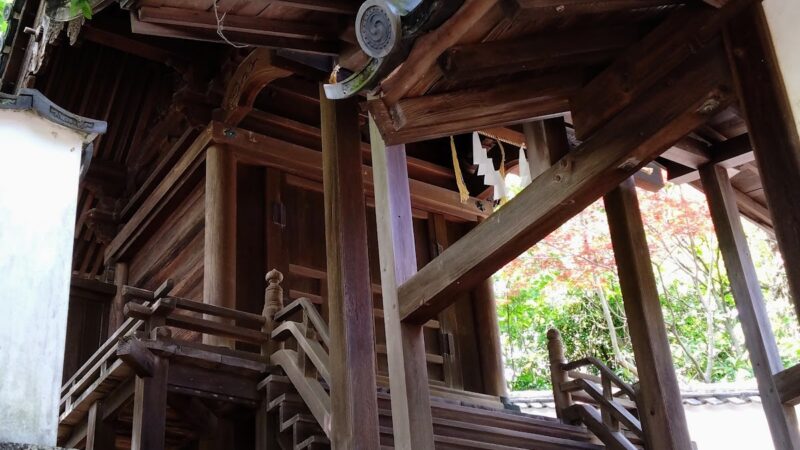
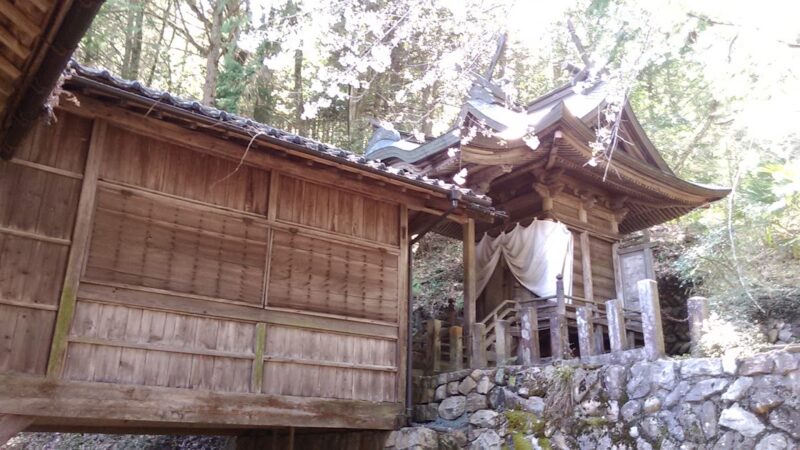
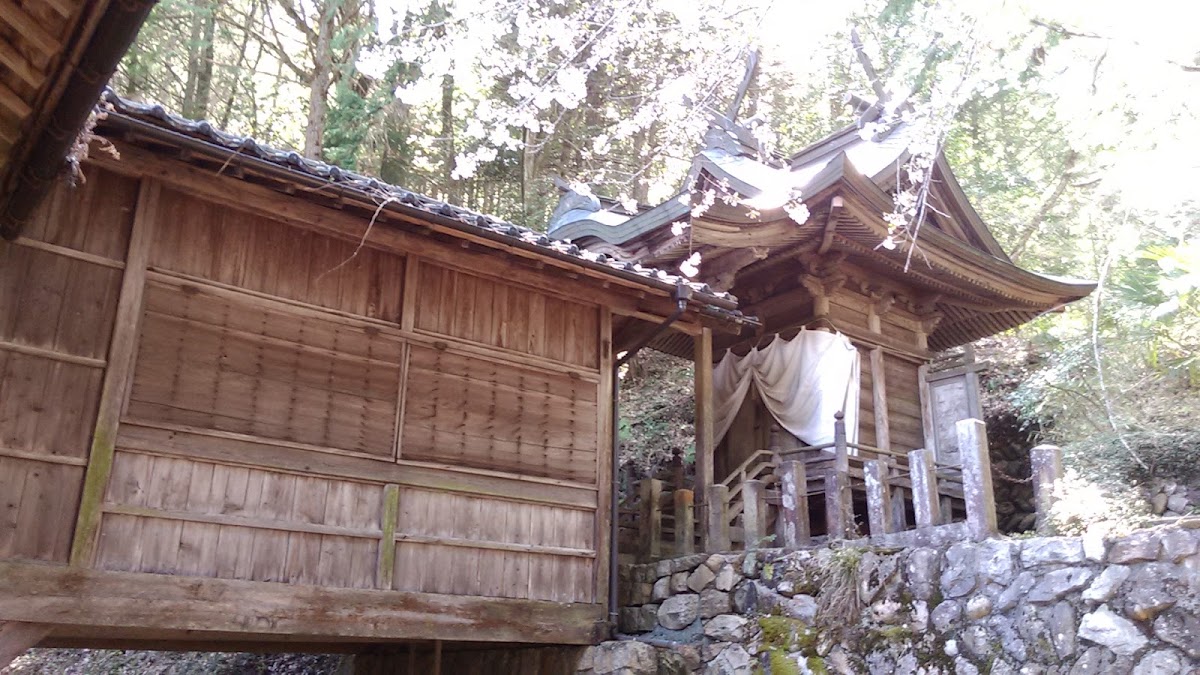
The main hall and worship hall, the heart of the shrine, are the most important places where worshippers offer prayers to the gods. The architectural style and decorations reflect the local traditions and characteristics of the faith.
Subsidiary Shrines
In addition to the main deity, there may be several smaller shrines within the grounds. These are important entities that reflect the local beliefs and history.
Sacred Trees and Nature
Like many shrines, Yonao Shrine maintains sacred trees that have stood for many years and a sacred natural environment. These are important elements that enhance the spiritual energy of the shrine.
How to Worship and Manners
Basic Worship Etiquette
Understanding the correct way to worship at a shrine will allow for a more heartfelt visit.
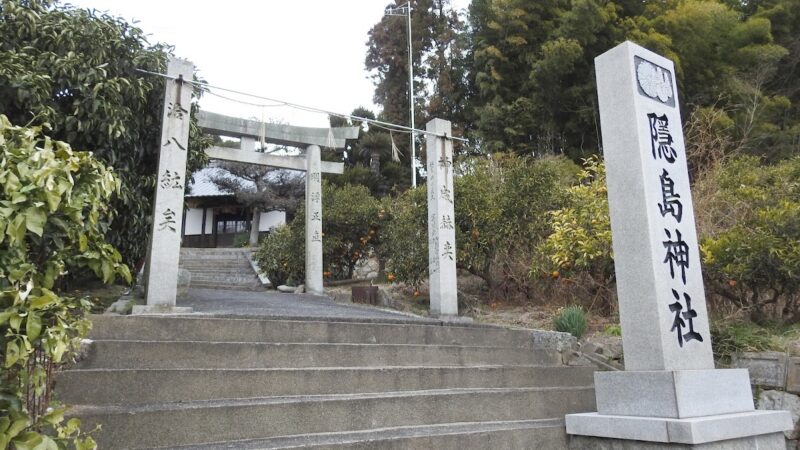
- Bow before passing through the torii gate: This shows respect for entering the sacred area.
- Purify yourself at the water basin: Purify your left hand, then your right hand, then your mouth.
- Walk along the edge of the path: The center is considered the path of the gods.
- Etiquette at the main hall: The basic procedure is two bows, two claps, and one bow.
Attire for Worship
Except for special events, clean and modest attire is acceptable. However, please note the following:
- Avoid overly revealing clothing.
- Remove hats and sunglasses before entering the main hall.
- Take adequate precautions against the cold during winter.
Goshuin (Shrine Seals) and Other Items
About Goshuin
Goshuin are calligraphic inscriptions and red seals given as proof of visiting a shrine. It is possible that Yonao Shrine also offers goshuin.
Points to Note When Receiving a Goshuin (Shrine Stamp):
- It is polite to receive it after your visit.
- Prepare a Goshuincho (stamp book) (notebooks or blank paper are not acceptable).
- Prepare the offering fee (usually 300-500 yen).
- Check the reception hours of the shrine office.
Amulets and Souvenirs
Yonoshi Shrine may offer a variety of amulets and souvenirs:
- Exorcism Amulet: Protects you from misfortune.
- Good Fortune Amulet: Wishes for improved luck.
- Traffic Safety Amulet: Prays for safe travel.
- Academic Success Amulet: Wishes for academic success.
Annual Events and Festivals
Main Annual Events
The shrine holds various festivals throughout the year. The following events may also be held at Yonao Shrine:
Spring Events:
- Spring Grand Festival (April-May)
- Hatsuumasai Festival
Summer Events:
- Summer Purification Ceremony (June 30th)
- Summer Grand Festival
Autumn Events:
- Autumn Grand Festival (September-November)
- Niiname-sai Festival
Winter Events:
- Year-End Purification Ceremony (December 31st)
- Hatsumode (January 1st-3rd)
Special Festivals
Sometimes, unique local traditional festivals are held. These offer valuable opportunities to learn about the local history and culture.
Access and Transportation Information
Location
It is recommended to confirm the exact location of Yonao Shrine in advance. Please find out the specific city/town name and address within Hiroshima Prefecture.
Access by Public Transportation
If using trains and buses:
- Check the distance and travel time from the nearest station.
- If there is a bus route, check the bus stop name and timetable.
- Determine the walking time.
Access by Car
If visiting by car:
- Route from the nearest interchange
- Address or phone number for car navigation settings
- Availability and number of parking spaces
- Parking fee (free/paid)
Parking Information
It is necessary to check in advance whether parking is available for visitors. Especially during busy periods such as festivals and New Year’s, temporary parking lots may be set up.
Visiting Hours and Shrine Office Hours
Visiting Hours
At most shrines, entry to the grounds is possible from sunrise to sunset. However, it is generally discouraged to visit at night.
Shrine Office Hours
If you wish to receive a Goshuin (shrine stamp) or amulet, please check the shrine office hours:
- Weekdays: Approximately 9:00 AM to 4:00 PM (approximate)
- Weekends and Holidays: Approximately 9:00 AM to 5:00 PM (approximate)
- New Year’s Period: Special Hours
*Actual hours may vary depending on the shrine, so it is recommended to check before visiting.
Nearby Tourist Attractions
Major Tourist Attractions in Hiroshima Prefecture
When visiting Yonao Shrine, exploring the surrounding tourist attractions will make your trip even more fulfilling:
Historical and Cultural Facilities:
- Hiroshima Peace Memorial Park
- Atomic Bomb Dome
- Hiroshima Castle
- Shukkei-en Garden
Natural and Scenic Spots:
- Miyajima (Itsukushima Shrine)
- Islands of the Seto Inland Sea
- Taishakukyo Gorge
Gourmet Spots:
- Hiroshima-style Okonomiyaki Restaurants
- Oyster Restaurants
- Local Sake Breweries
Precautions When Visiting
Seasonal Precautions
Spring (March-May):
- Pollen allergy precautions
- Be aware of the temperature difference between morning and evening
Summer (June-August):
- Heatstroke prevention (hydration, hat)
- Insect repellent
- Be aware of thunderstorms
Autumn (September-November):
- Check the weather during typhoon season
- Crowds during the autumn foliage season
Winter (December-February):
- Take precautions against the cold
- Beware of icy roads
- Crowds during the New Year’s visit period
Regarding Photography
There are certain manners to observe when taking photos at a shrine:
- Photography is often prohibited inside the main hall
- Be considerate of other worshippers
- Avoid using flash photography
- Obtain permission before taking photos during religious ceremonies
The Charm of Yonao Shrine
Connection with the Community
Yono Shrine plays an important role as a spiritual pillar of the local community. It is a place of daily worship for local people and a place of prayer at important turning points in their lives.
The Spirit of “Setting the World Right”
Even in modern society, the shrine’s philosophy of “setting the world right” holds significant meaning. It provides an opportunity to re-examine universal values such as justice, fairness, and order.
A Space of Tranquility and Healing
Away from the hustle and bustle of the city, spending time calming one’s mind in the quiet grounds of a shrine is a precious experience for modern people. Visiting a shrine in a natural setting can be a refreshing experience for both mind and body.
Visitor Voices and Reviews
Impressions from Visitors
Visitors to Yonao Shrine have shared various impressions:
- “A quiet and peaceful shrine”
- “A place where you can feel the history of the region”
- “A refreshing feeling that cleanses the soul”
- “I felt the warmth of the local people”
Frequently Asked Questions
For First-Time Visitors
Q: Do I need to prepare anything for my first visit?
A: No special preparations are necessary, but clean attire and a respectful attitude are important. If you would like to receive a Goshuin (shrine stamp), please bring your Goshuincho (stamp book).
Q: How much should I offer as a donation?
A: There is no set amount for donations. An amount that suits your feelings is fine. Generally, 5 yen (good fortune) and 50 yen (abundant good fortune) are preferred.
Q: Can I bring my pet to the shrine? **
A: Many shrines do not allow pets. We recommend checking with the shrine in advance.
Contacting Yonao Shrine
Contact Information
For detailed information regarding visits, festival schedules, and special prayers, we recommend contacting the shrine directly.
How to Contact:
- Telephone inquiries (during shrine office hours)
- Direct confirmation by visiting
- Information gathering through local tourism associations
Summary
Yonao Shrine, a shrine in Hiroshima Prefecture that upholds the philosophy of “correcting the world,” has attracted the faith of local people. Please refer to the information introduced in this article regarding its historical background, blessings, and methods of worship, and consider visiting the shrine.
Visiting a shrine is a valuable opportunity to experience traditional Japanese culture and reflect on oneself. We hope that your visit to Yonao Shrine will be a enriching experience.
Pre-Visit Checklist:
- [ ] Confirm access methods
- [ ] Confirm visiting hours and shrine office hours
- [ ] Prepare appropriate clothing for the weather and season
- [ ] Bring your Goshuincho (stamp book) (if desired)
- [ ] Prepare your offering
- [ ] Plan your sightseeing in the surrounding area
When you visit Hiroshima Prefecture, why not offer a quiet prayer at Yonao Shrine and experience traditional Japanese faith culture?