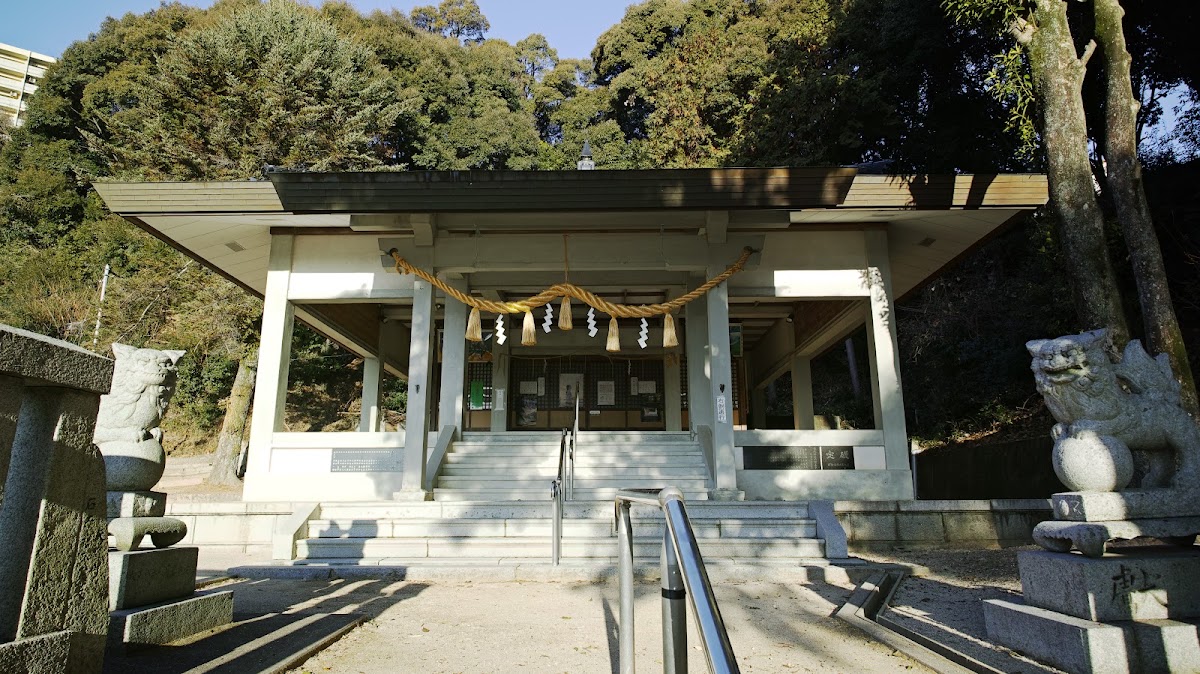
Complete Guide to Ozaki Shrine (Hiroshima Prefecture) | History, Deities, Access, and Highlights Explained in Detail
Ozaki Shrine, located in Higashi-ku, Hiroshima City, is a shrine that has been cherished by the local community for centuries. It is a historically significant shrine said to have received a divided spirit from Iwashimizu Hachimangu Shrine (Otoyama Hachimangu Shrine) in Kyoto, and it stands majestically amidst a quiet residential area. This article comprehensively introduces detailed information useful for visiting Ozaki Shrine, including its history, enshrined deities, highlights within the grounds, and access methods.
Basic Information on Ozaki Shrine
Address
Ozaki Shrine is located at 3-10-1 Yaga, Higashi-ku, Hiroshima City, Hiroshima Prefecture. Some sources list the address as 28-17-5 Yamane-cho, but this may be another spelling of the same shrine or a nearby related location. The official address is Yaga 3-chome.
Higashi Ward in Hiroshima City is located east of Hiroshima Station, and the Yaga district is an area where old residential areas and new developments coexist. Otokozaki Shrine serves as the local guardian shrine and a spiritual center for the community.
Genre/Classification
Otokozaki Shrine belongs to the category of shrines, temples, and Buddhist temples, and more specifically, is classified as a Hachiman-type shrine. It plays an important role not only as a tourist spot but also as a place of worship and cultural asset in the region.
Phone Number/Contact Information
As Otokozaki Shrine is a small local shrine, there may not be a resident priest. While visits are generally free, it is recommended to contact the Hiroshima Prefectural Shrine Association (313-1 Kamihira, Hatsukaichi City, Hiroshima Prefecture 738-0026, TEL: 0829-30-5665) for information regarding festivals and special inquiries.
History and Origins of Otokozaki Shrine
Circumstances of Founding
The exact founding date of Otokozaki Shrine is unknown, as detailed records do not exist. However, according to tradition, it was founded by inviting a divided spirit from Iwashimizu Hachimangu Shrine (also known as Otokoyama Hachimangu Shrine) in Kyoto.
Iwashimizu Hachimangu Shrine is one of Japan’s three major Hachimangu shrines, founded in the first year of the Jogan era (859 AD) during the early Heian period. It is also known as “Otokoyama Hachimangu Shrine” because it is located on a mountain called “Otokoyama.” The similarity between the names “Otokoyama” and “Otokozaki” is thought to be the origin of the name of Otokozaki Shrine.
Connection to the Community
The Yaga district has long developed as the eastern gateway to Hiroshima. Otokozaki Shrine, as the tutelary deity of this region, has been deeply intertwined with the lives of the local residents. It is believed to have played a role in strengthening community bonds through annual events and festivals.
Hiroshima suffered immense damage during World War II, but detailed records of the impact on Otokozaki Shrine are limited. It is presumed that, along with the post-war reconstruction, it was protected by the local people and continues to exist today.
Deities and Divine Virtues
Deities Enshrined
Otokozaki Shrine is believed to enshrine Hachiman, similar to Iwashimizu Hachimangu Shrine. Specifically, the following three deities are enshrined:
Tarashinakatsuhiko-no-Mikoto
This refers to Emperor Chuai, the 14th emperor, and the husband of Empress Jingu.
Honda-wake-no-Mikoto
This refers to Emperor Ojin, the 15th emperor, and the central deity of Hachiman. He is widely worshipped as the god of military fortune and national protection.
Okinagatarashihime-no-Mikoto
This refers to Empress Jingu, the mother of Emperor Ojin. She is also worshipped as the goddess of safe childbirth and child-rearing.
These three deities are collectively called the “Three Gods of Hachiman” or “Great God of Hachiman.”
Divine Virtues and Benefits
Hachiman is believed to possess a wide range of divine virtues:
- Long-lasting Military Fortune and Victory: Due to his nature as a god of war, prayers are offered for success in competitions and contests.
- Protection from Evil and Disaster: He wards off evil spirits and protects against disaster.
- National Peace and Safety and Family Safety: Peace and prosperity for the nation and family.
- Safe Childbirth and Child-rearing: Prayers for safe childbirth based on the divine virtues of Empress Jingu.
- Traffic Safety: Safe travels and protection from traffic accidents.
- Business Prosperity: Development and prosperity of businesses.
He is worshipped as the guardian deity of the region, watching over all aspects of the residents’ daily lives.
Access and Transportation Information
Access by Train
The nearest station to Otokozaki Shrine is Yaga Station on the JR Sanyo Main Line.
Route from Yaga Station:
- Approximately 8 minutes on foot (approx. 605m)
- Exit Yaga Station and head north, passing through the residential area to reach the shrine.
Route from Hiroshima Station:
- Approximately 11 minutes on foot (approx. 870m)
- Head east from Hiroshima Station towards the Yaga area.
- Hiroshima Station is a major station where the Shinkansen also stops, making it convenient to access from distant locations.
Yaga Station is one stop from Hiroshima Station (approx. 2 minutes), making it very easily accessible from central Hiroshima.
Access by Car
Access from Major Roads:
- Approximately 5 minutes from the Shinonome Interchange on Hiroshima Expressway Route 1
- Enter towards Yaga from National Route 2
Parking Information:
Otokozaki Shrine is a small local shrine, so there may not be a large dedicated parking lot. We recommend using public transportation when visiting. If visiting by car, please use nearby coin parking or be careful not to park on the street. ### Landmarks in the Surrounding Area
Located within a residential area of the Yaga district, first-time visitors are advised to check directions using a map app or Google Maps. Entering the address “3-10-1 Yaga, Higashi-ku, Hiroshima City, Hiroshima Prefecture” will display the exact location.
Highlights of the Shrine Grounds
Atmosphere of the Shrine and Grounds
Otokozaki Shrine is a quiet shrine nestled in a residential area. While not large, the cleanliness and maintenance of the grounds convey the care and dedication of the local community.
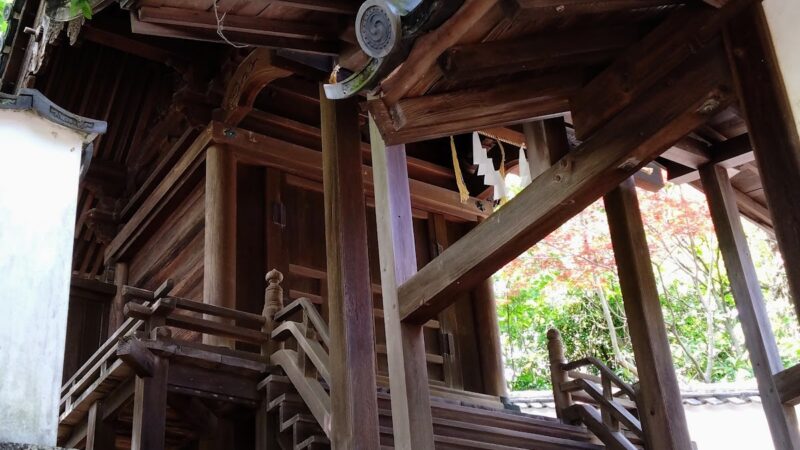
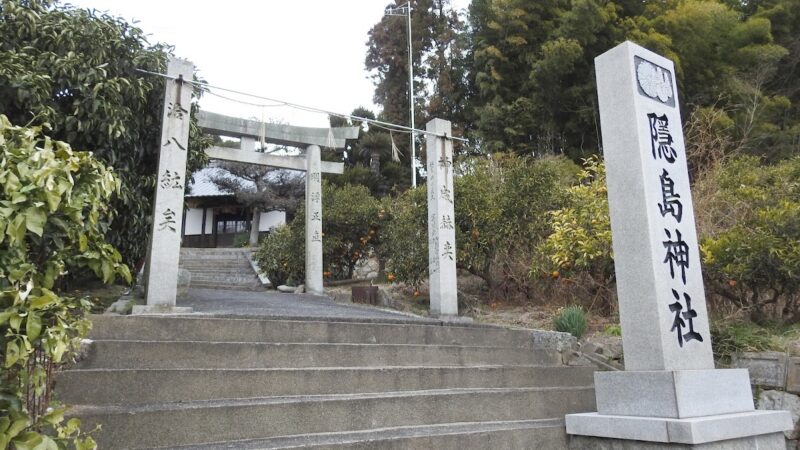
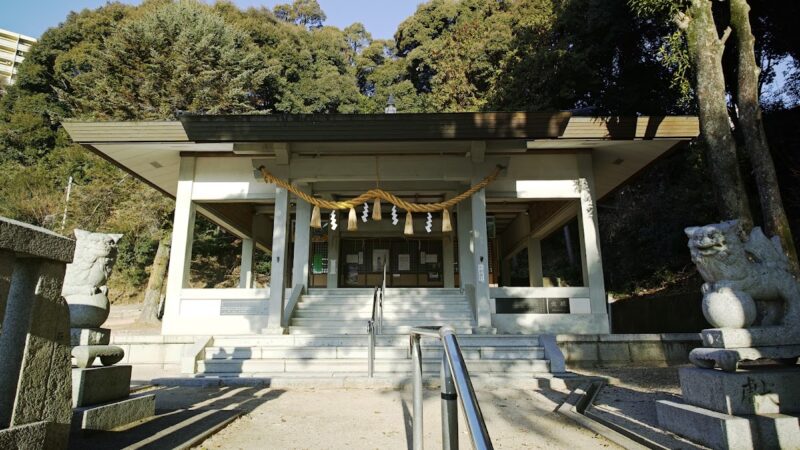
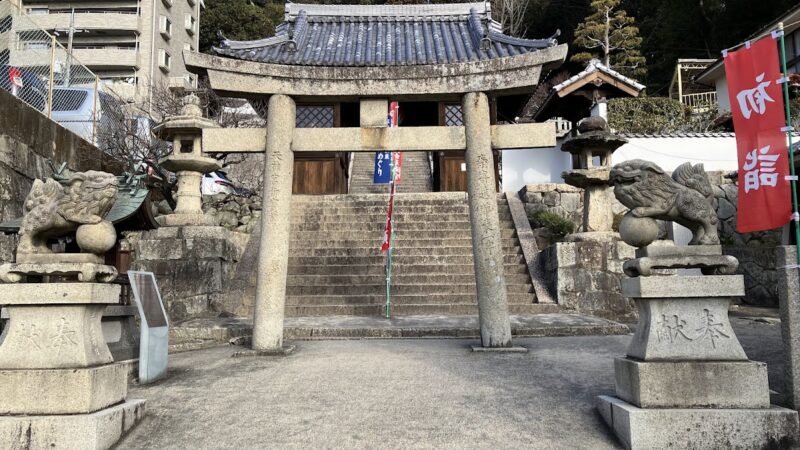
The main hall maintains the traditional style of shrine architecture, exuding a simple yet solemn atmosphere. A torii gate marks the sacred area, and the path leads to the worship hall and main hall.
Photo Spots
The shrine grounds are a place where visitors are free to take photos. The following spots are particularly suitable for photography:
- Torii Gate and Approach: The torii gate, which marks the entrance to the shrine, is an iconic part of the shrine’s scenery.
- Front of the Main Hall: You can observe traditional architectural styles up close.
- Trees in the Shrine Grounds: The nature of the shrine grounds changes its appearance with the seasons.
When taking photographs, please be considerate of worshippers and remember that this is a sacred place, so please photograph with respect.
Seasonal Highlights
Spring (March-May)
The season of fresh greenery; the trees in the shrine grounds bud, and the air is refreshing.
Summer (June-August)
The greenery deepens, and the shade of the trees provides coolness. Local summer festivals may be held.
Autumn (September-November)
The season of beautiful autumn leaves. The trees in the shrine grounds change color, and you can enjoy a tranquil atmosphere.
Winter (December-February)
Many local people visit during the New Year’s pilgrimage period. Visiting the temple in the crisp winter air is a truly special experience.
Etiquette and Manners for Visiting a Shrine
Basic Way to Visit a Shrine
The basic etiquette for visiting a shrine is as follows:
- Bow before passing through the torii gate: This shows respect for entering the sacred area.
- Walk along the edge of the path: The center is considered the path of the gods.
- Purify yourself at the water basin: If there is a water basin, purify your hands and mouth.
- Worship in front of the main hall:
- Quietly place your offering in the offering box.
- Ring the bell if there is one.
- Two bows, two claps, one bow (bowing twice, clapping twice, bowing once).
- Bow again when leaving: Turn around and bow before leaving the torii gate.
Points to Note When Visiting a Shrine
- Be quiet: Do not speak loudly or make noise.
- Be clean: Do not litter the shrine grounds, and take your trash with you.
- Photography Etiquette: Please be considerate and avoid including other worshippers in your photos.
- Attire: Avoid extremely flashy or revealing clothing.
- Pets: It is generally discouraged to bring pets onto the shrine grounds.
About Goshuin (Shrine Seals)
Goshuin Availability
Information indicates that Otokozaki Shrine does not currently offer goshuin. As it is a small local shrine without a resident priest, it is likely that providing goshuin is difficult.
Those seeking goshuin are advised to check with the Hiroshima Prefectural Shrine Association beforehand.
Advice for Goshuin Collectors
There are many shrines in Hiroshima City, and many of them offer goshuin. Shrines near Otozaki Shrine that offer Goshuin (stamped seals) include the following:
- Hiroshima Gokoku Shrine (within Hiroshima Castle)
- Niotsu Shrine (Higashi-ku, Hiroshima City)
- Tsuruhane Shrine (Higashi-ku, Hiroshima City)
It would be a good idea to plan a pilgrimage route that includes these shrines.
Annual Events and Festivals
Main Festivals
While there is limited publicly available information regarding the specific festival dates at Otozaki Shrine, the following events are generally held at Hachiman shrines:
New Year’s Day Festival (January 1st)
A festival to celebrate the New Year and pray for peace throughout the year.
Annual Grand Festival (Autumn)
The most important festival of the shrine, held in September or October at many Hachiman shrines.
Summer Festival
Some regions hold festivals in the summer.
Specific dates and event details can be confirmed on local bulletin boards or by contacting the Hiroshima Prefectural Shrine Association.
First Shrine Visit of the New Year
At the start of the new year, local people visit the shrine for their first shrine visit of the year. While it doesn’t have the crowds of a large shrine, it’s likely to attract many worshippers as it’s the local guardian shrine. For those who want to quietly offer their New Year’s prayers, it’s a good option for a peaceful and tranquil visit.
Attractions around Otokozaki Shrine
Nearby Shrines and Temples
Sanno Shrine
A shrine located in Hiroshima City; some visitors combine their visit with Otokozaki Shrine.
Niotsu Shrine
A historic shrine located in Higashi Ward, Hiroshima City, known as the guardian deity of the Hiroshima Asano clan.
Nearby Tourist Attractions
Around Hiroshima Station
The area around Hiroshima Station, within walking distance, boasts numerous shopping facilities and restaurants.
Hiroshima Castle
A representative tourist spot in Hiroshima, located about 15 minutes by streetcar from Hiroshima Station.
Peace Memorial Park
A world-famous symbol of peace that you should definitely visit when you come to Hiroshima.
Surrounding Lifestyle Services
The Yaga area is a developed residential area, and therefore has the following lifestyle services:
- Convenience stores
- Supermarkets
- Restaurants
- Recycling shops (e.g., Hiroshima Recycling Shop Jidaiya)
- Real estate agencies (e.g., Apaman Shop Hiroshima Station Shinkansen Exit Branch)
Visitor Voices and Reviews
Impressions from People Who Have Actually Visited
Although Otokozaki Shrine is small, it is highly regarded as a warm and community-oriented shrine. The following comments have been received:
“A quiet shrine nestled in a residential area. It’s clear that it’s cherished by the local community.”
“Conveniently located within walking distance of Hiroshima Station, making it easy to visit while taking a stroll. There were few tourists, allowing for a peaceful visit.”
“Although I couldn’t get a Goshuin (shrine stamp), the atmosphere of a shrine carefully preserved as the local guardian deity was wonderful.”
Recommended Points for Visiting
- Easy Access: Easily accessible within walking distance of Hiroshima Station
- Quiet Environment: Experience the authentic atmosphere of a shrine, unspoiled by tourism
- Community-Oriented: Witness its role as a place of worship for the local community
- Historical Value: A distinguished history, having been established through a branch shrine from Iwashimizu Hachimangu Shrine
Q&A about Visiting Otokozaki Shrine
Q: Are there any restrictions on visiting hours?
A: While the grounds are generally open throughout the day, it is recommended to avoid early mornings and late nights and visit during daylight hours.
Q: Is there parking available?
A: We have not been able to confirm information regarding a dedicated parking lot. We recommend using public transportation. If you are coming by car, please use a nearby coin-operated parking lot.
Q: Can I get a Goshuin (temple/shrine stamp)?
A: We have information that Goshuin are not currently being issued. Please contact the Hiroshima Prefectural Shrine Association for details.
Q: Do you accept wedding ceremonies or prayers?
A: Since there may not be a resident Shinto priest, you will need to check with the Hiroshima Prefectural Shrine Association regarding special prayers or rituals.
Q: How long does it take to get there from the nearest station?
A: It is about an 8-minute walk from Yaga Station and about an 11-minute walk from Hiroshima Station.
Summary: The Charm of Otokozaki Shrine
Otokozaki Shrine is a community-oriented Hachiman Shrine located in Yaga, Higashi-ku, Hiroshima City. Otokozaki Shrine has a history of being established through a branch shrine from Iwashimizu Hachimangu Shrine in Kyoto, and enshrines the three Hachiman deities: Okinagatarashihime-no-Mikoto, Okinagatarashihime-no-Mikoto.
Its excellent accessibility, within walking distance of Hiroshima Station and Yaga Station, its tranquil atmosphere nestled quietly in a residential area, and the warmth of being carefully preserved by the local community are major attractions of this shrine.
Unlike large-scale tourist shrines, Otokozaki Shrine continues to fulfill its original role as a local guardian shrine. When visiting Hiroshima, visiting such community-based shrines, in addition to major tourist attractions, will allow you to experience the lifestyle and religious culture of the people of Hiroshima.
Otokozaki Shrine is a place where you can quietly offer your prayers and spend time calming your mind. Why not include it in your walking route around Hiroshima Station and pay a visit?