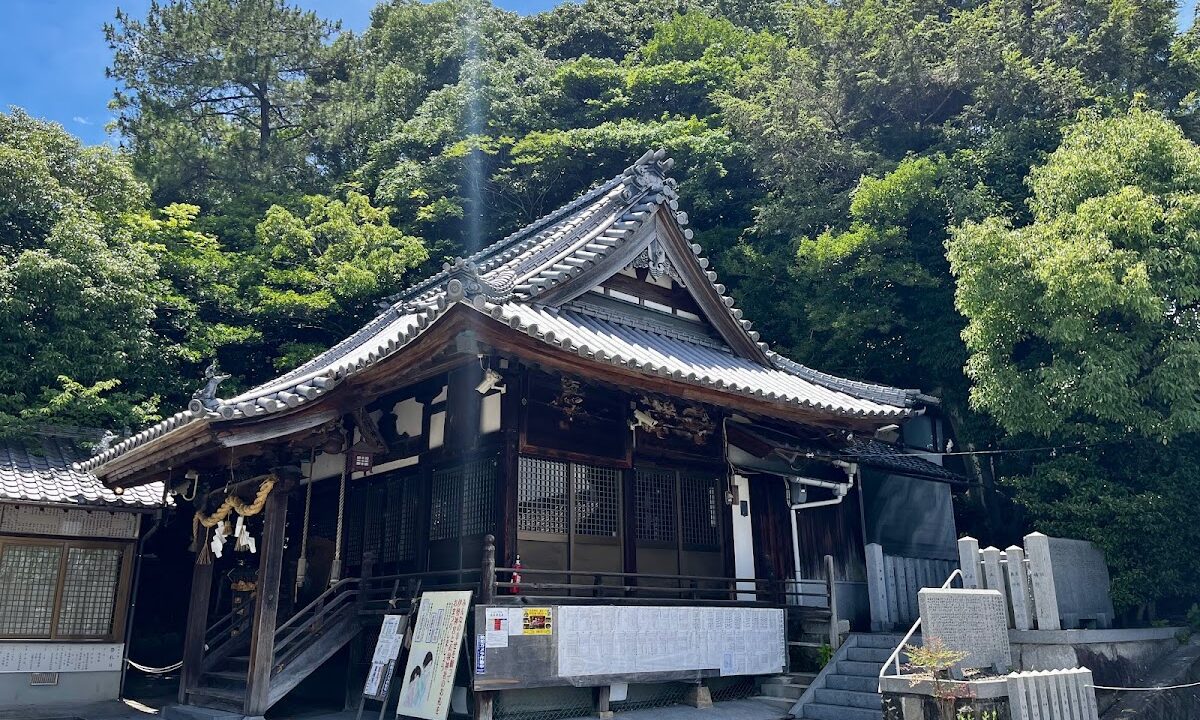
Complete Guide to Iba Shrine (Hiroshima Prefecture): The Charm and Visiting Information of the 1000-Year-Old Shrine in Eba
Iba Shrine, located in Eba-minami, Naka-ku, Hiroshima City, is a venerable shrine with a history dating back to the late Heian period. Situated in a quiet environment on the northern slope of Mount Eba, it is a precious shrine that allows visitors to feel its 1000-year history despite being within Hiroshima City, and is cherished by locals.
This article comprehensively introduces useful information for visiting Iba Shrine, including its history, enshrined deities, highlights of the grounds, access methods, and information on Goshuin (shrine stamps).
History and Origins of Iba Shrine
An Ancient Shrine Dating Back to the Heian Period
The exact founding date of Iba Shrine is unknown, but it is identified as “Sanmi Iba Myojin,” one of the 181 shrines listed in the “Aki no Kuni Jinmyocho” (List of Shrines in Aki Province), compiled at the end of the Heian period. This record confirms that the shrine was already in operation at least by the end of the Heian period, indicating that it is an ancient shrine with a history of nearly 1000 years.
It is listed as one of the “Seven Shrines of Sato District” in the “Aki Province Shrine Register,” suggesting that it was considered one of the important shrines in Sato District at the time.
Guardian Deity of the Eba Area
Eba is a region located in the western part of Naka Ward, Hiroshima City, and has prospered since ancient times through fishing and maritime transport. Iba Shrine, with its geographical location on the slopes of Mount Eba, has long been revered as the guardian deity of this region. It has been carefully preserved to this day as a shrine closely intertwined with the lives of the local residents.
Changes Since the Meiji Era
Even after the Meiji era, it continued to be worshipped as the local tutelary deity, and the current shrine buildings were renovated after post-war reconstruction. The main hall, worship hall, and purification fountain are featured on the official Hiroshima City website, and are recognized as important cultural assets of the region.
Deities and Divine Virtues
Dedicated to the Three Munakata Goddesses
The deities enshrined at Iba Shrine are the following three goddesses:
- Ichikishima-hime no Mikoto
- Tagiri-hime no Mikoto
- Tagitsu-hime no Mikoto
These three goddesses are collectively known as the “Three Munakata Goddesses” and are widely worshipped as guardian deities of maritime traffic.
About the Divine Virtues
The Munakata Three Goddesses are believed to bestow the following divine virtues:
- Maritime Safety and Traffic Safety: As goddesses of the sea, they protect safe voyages and traffic.
- Business Prosperity: As guardians of maritime transport and trade, they grant blessings for business prosperity.
- Improvement in Performing Arts: Since Ichikishimahime-no-Mikoto is identified with Benzaiten, they grant blessings for improvement in performing arts and music.
- Matchmaking: As beautiful goddesses, they grant blessings for successful relationships.
The enshrinement of these deities is deeply connected to the history of the region, as Eba was a prosperous area due to fishing and maritime transport.
Highlights of the Shrine Grounds
Main Hall and Worship Hall
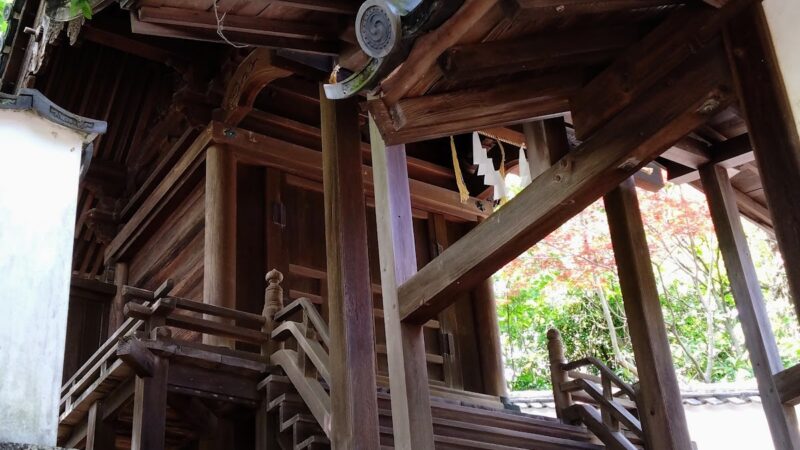
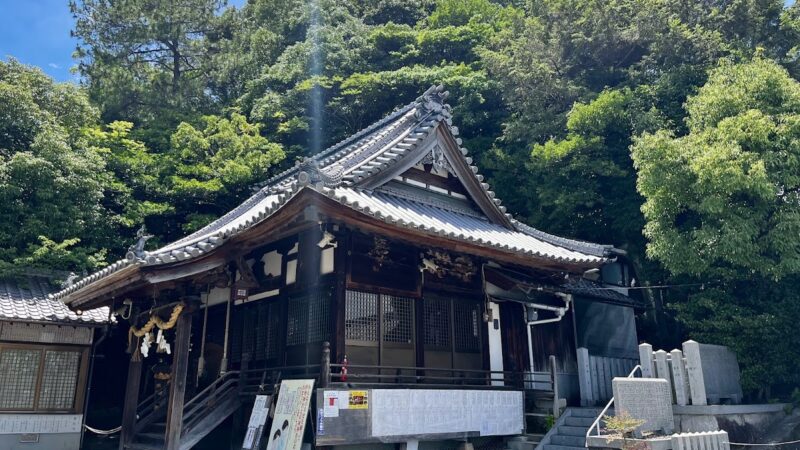
The main hall and worship hall of Iba Shrine are important structures featured on the official Hiroshima City website. Although small in scale, they are meticulously maintained, reflecting the deep faith of the local people.
The worship hall is where worshippers offer their prayers, exuding a simple yet solemn atmosphere. The main sanctuary, the sacred space where the enshrined deity resides, is located behind the worship hall.
Water Basin
A water basin is provided for purifying the body and mind before worship. Please purify your hands and mouth here before proceeding to the worship hall. Following the proper etiquette of water basin worship allows for a more heartfelt visit.
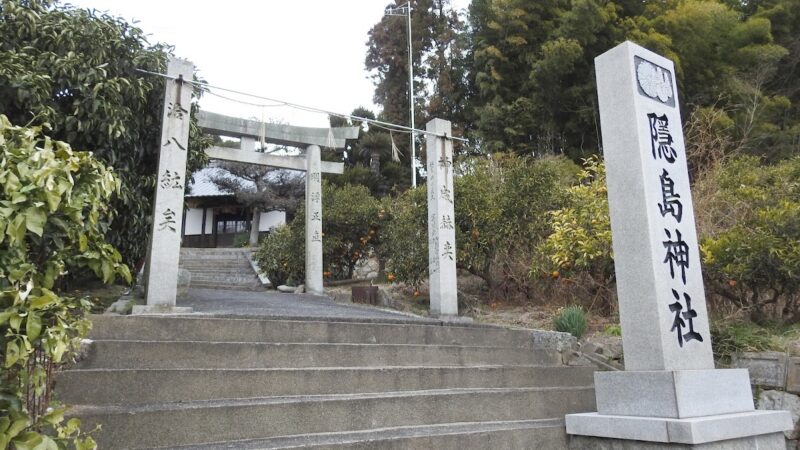
Torii Gate and Approach
A torii gate stands at the entrance to the shrine, and a path leads from there to the grounds. Located on the slopes of Mt. Ebiyama, the shrine offers a quiet and peaceful atmosphere for worship. Cats can sometimes be seen sleeping comfortably near the torii gate, contributing to the tranquil ambiance.
Cats on the Shrine Grounds
According to visitor reviews, cats can sometimes be seen on the shrine grounds. Visitors may have the chance to encounter them if they visit during the time when the shrine staff are feeding the cats. For cat lovers, this may be a relaxing experience alongside their worship. ## Access Information
Basic Information
- Address: 1-26-6 Ebaminami, Naka-ku, Hiroshima City, Hiroshima Prefecture
- Phone: 082-291-8994
- Nearest Station: Eba Station, Hiroden Eba Line
Access by Train
Using the Hiroshima Electric Railway (streetcar) Eba Line is convenient.
- Board the Hiroshima Electric Railway from Hiroshima Station
- Transfer to the Eba Line (or use a direct service)
- Get off at the last stop, Eba Station
- Approximately 11 minutes on foot from Eba Station
Eba Station is the last stop on the Eba Line, so there’s no need to worry about missing your stop. From the station, walk towards Ebayama.
Access by Car
The shrine has a parking lot, so it’s also accessible by car. Although it’s a small shrine, the availability of parking makes it easy to visit.
It’s about a 15-20 minute drive from central Hiroshima. Entering the address “1-26-6 Ebaminami, Naka-ku, Hiroshima City” into your car navigation system will lead you smoothly.
Geography of the Surrounding Area
Iba Shrine is located on the northern slope of Mt. Eba. Mt. Eba is a small mountain with an elevation of approximately 150 meters, and the Eba Mountain Meteorological Museum is located at its summit. Because the shrine is situated on the mountainside, it is surrounded by a quiet and naturally rich environment.
Goshuin (Shrine Seal) Information
Regarding the Issuance of Goshuin
You can receive a goshuin (shrine seal) at Iba Shrine. However, since there are not always priests present, it is recommended to call ahead to confirm if you wish to receive a goshuin.
According to visitor experiences, there have been cases where people received a goshuin by chance when they encountered someone from the shrine (such as during cat feeding time). To ensure you receive a goshuin, it is best to contact them in advance.
Features of the Goshuin (Shrine Seal)
The goshuin at Kinuha Shrine is simple yet carefully written, and many people cherish it as a memento of their visit. If you have a goshuin notebook, why not collect the goshuin from Kinuha Shrine, one of Hiroshima’s historic shrines?
Manners and Etiquette for Visiting Shrines
Basic Etiquette for Visiting Shrines
By observing basic etiquette for visiting shrines, you can offer a more heartfelt prayer.
- Bow at the Torii Gate: Bow before passing through the torii gate.
- Walking the Path: Walk along the edge of the path, as the center is considered the path of the gods.
- Ritual for Washing Hands:
- Hold the ladle in your right hand and wash your left hand.
- Switch the ladle to your left hand and wash your right hand.
- Switch the ladle back to your right hand, receive water in your left hand, and rinse your mouth.
- Finally, stand the ladle upright and wash the handle.
- Worship at the Main Hall: Two bows, two claps, one bow (bowing twice, clapping twice, bowing once).
Attire for Worship
There are no specific dress code requirements, but it is desirable to wear clothing that reflects the sacred nature of the place. Avoid overly revealing or unkempt clothing.
Photography
Photography is generally permitted within the shrine grounds, but please refrain from taking photos in sacred areas such as inside the main hall. Also, please be considerate of other worshippers.
Nearby Tourist Attractions
Ebayama Meteorological Museum
This meteorological museum is located at the summit of Ebayama Mountain. It’s a fun place to learn about weather and meteorological phenomena, and is popular with families. It’s also recommended to visit after visiting Iba Shrine.
Hiroshima Central Wholesale Market
The Ebayama area is home to the Hiroshima Central Wholesale Market, where fresh seafood and vegetables are traded. There are also restaurants around the market where you can enjoy fresh seafood.
Ebayama Sarayama Park
This park is located on a hill in the Ebayama area and offers a scenic view of Hiroshima city and the Seto Inland Sea. It’s bustling with cherry blossom viewers during the cherry blossom season.
Peace Memorial Park
The world-famous Peace Memorial Park, located in the heart of Hiroshima city, is about a 15-minute drive away. It can be visited along with Iba Shrine during your visit to Hiroshima.
Annual Events and Festivals
Iba Shrine, as the local guardian shrine, is believed to hold various festivals throughout the year. Typical annual events at Shinto shrines include the following:
- New Year’s Day Festival (January 1st): A festival celebrating the New Year
- Spring Grand Festival: An important festival held in spring
- Summer Purification Ceremony (around June 30th): A Shinto ritual to purify oneself of the impurities accumulated over the past six months
- Autumn Grand Festival: An important festival held in autumn
- Year-End Purification Ceremony (December 31st): A Shinto ritual to purify oneself of the impurities accumulated over the past year
For specific festival dates, please contact the shrine directly.
Reviews and Reputation of Iba Shrine
Quiet and Peaceful Atmosphere
Many visitors appreciate the shrine’s small size and peaceful atmosphere. Its appeal lies in the fact that, despite being located in Hiroshima City, it offers a tranquil space away from the hustle and bustle.
Easy Access
Many visitors appreciate the convenient access by car due to the ample parking. This is a significant advantage, as many shrines in Hiroshima City lack parking.
A Place to Experience History
As a shrine with a history dating back to the Heian period, it is considered a valuable place in Hiroshima City where you can feel 1000 years of history. It is especially recommended for history buffs and those who want to visit a historically significant shrine.
Encountering Cats
Encountering cats on the shrine grounds is one of the pleasures for visitors. The way the shrine staff cherish the cats creates a warm atmosphere.
Points to Note When Visiting
Priests May Not Be Present
Kinuha Shrine does not always have priests on duty. If you wish to receive a Goshuin (shrine stamp) or request prayers, it is recommended to call in advance to confirm.
Location on the Midside of Ebayama Mountain
The shrine is located on the midside of Ebayama Mountain, so there are some slopes. It is recommended to wear comfortable shoes. However, there is a parking lot, so there is no problem if you come by car.
Opening Hours
The shrine itself is generally open for worship all day, but the hours of the shrine office may be limited. If you wish to receive a Goshuin (temple/shrine stamp) or other amulets, it is recommended to visit during daytime hours.
Summary of the Charms of Iba Shrine
Iba Shrine is a historic shrine located in Eba-minami, Naka-ku, Hiroshima City. It boasts a history of nearly 1000 years, with its origins listed in the “Aki Province Shrine Register” from the late Heian period.
It enshrines the three Munakata goddesses as its deities and is believed to bestow blessings for maritime safety, traffic safety, business prosperity, artistic improvement, and matchmaking. Located in a quiet environment on the slopes of Eba Mountain, it is a rare shrine where you can worship in a peaceful atmosphere despite being within Hiroshima City.
It has ample parking, making it easily accessible by car, and is approximately an 11-minute walk from Eba Station on the Hiroshima Electric Railway Eba Line. Goshuin are available, but since priests are not always present, it is recommended to contact the shrine in advance if you wish to be sure to receive one.
Despite its small size, Kinuha Shrine is charming for its rich history cherished by the local community and its quiet, peaceful atmosphere. It’s definitely worth a visit when exploring shrines in Hiroshima City or sightseeing in the Eba district.
Basic Information List
- Shrine Name: Eba Shrine
- Address: 1-26-6 Eba Minami, Naka-ku, Hiroshima City, Hiroshima Prefecture 730-0835
- Phone: 082-291-8994
- Deities Enshrined: Ichikishimahime-no-Mikoto, Takirihime-no-Mikoto, Takitsuhime-no-Mikoto (Three Munakata Goddesses)
- Founding: Unknown (Recorded in late Heian period documents)
- Nearest Station: Approximately 11 minutes on foot from Eba Station on the Hiroshima Electric Railway Eba Line
- Parking: Available
- Goshuin (Shrine Seal): Available (Prior confirmation required)
- Official Website: None
When visiting Hiroshima, please spend some quiet time at Eba Shrine, which boasts a 1000-year history.