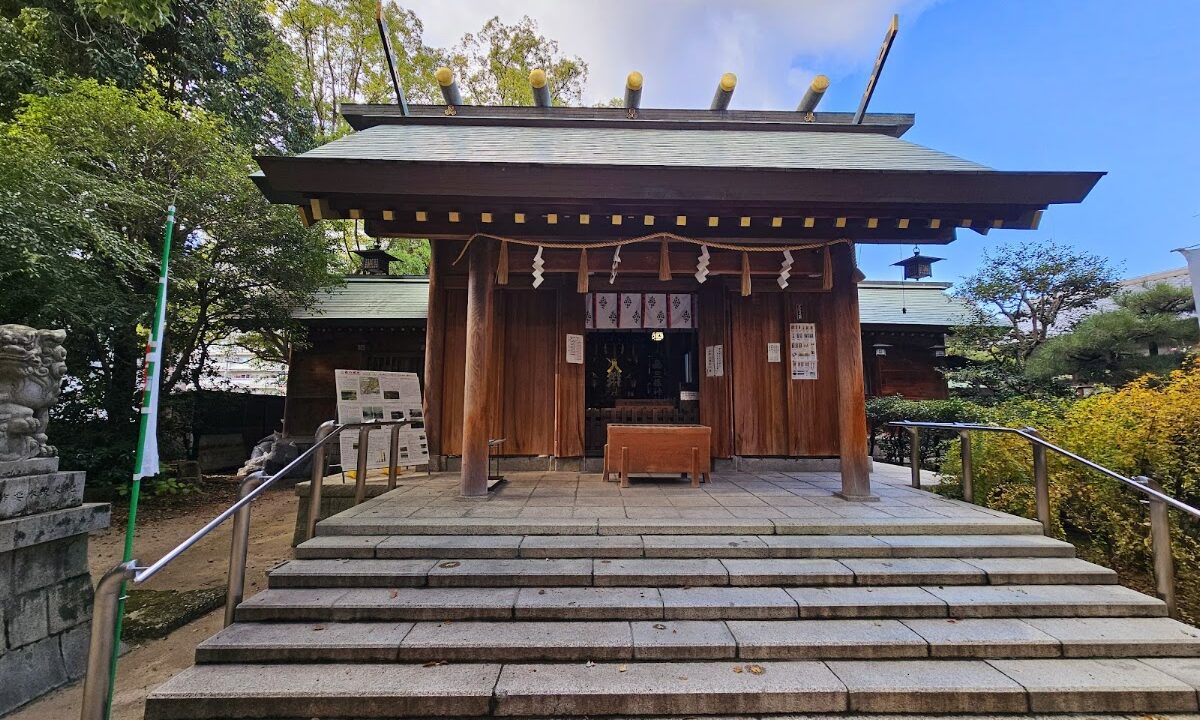
Misasa Shrine (Hiroshima Prefecture) Complete Guide: History, Deities, Access, and Goshuin Information
Misasa Shrine, located in Misasa-cho, Nishi-ku, Hiroshima City, is a historic shrine situated just north of JR Yokogawa Station. Founded during the Eiroku era (1558-1570), this shrine, while bearing the unique history of Hiroshima’s atomic bombing and subsequent reconstruction, remains cherished by the local community. This article comprehensively introduces the detailed history, enshrined deities, highlights within the grounds, access methods, and information on Goshuin (shrine stamps).
Basic Information about Misasa Shrine
Location
1-11-5 Misasa-cho, Nishi-ku, Hiroshima City, Hiroshima Prefecture 733-0003
Phone Number
082-237-0431
Access
- Approximately 1 minute walk (approximately 4 minutes) from the North Exit of Yokogawa Station on the JR Sanyo Main Line
- Approximately 5 minutes walk from Yokogawa Station tram stop on the Hiroshima Electric Railway
- Approximately 10 minutes by car from Hondori Station on the Hiroshima Rapid Transit Astramline
Parking
Parking available for visitors on the shrine grounds (limited number of spaces)
Coordinates
132°27’12.62″E, 34°24’28.58″N
Deities Enshrined at Misasa Shrine
Misasa Shrine enshrines eight deities. Each deity possesses different divine virtues, and the shrine is known for granting diverse wishes.
Main Deities
Izanagi-no-Kami
The male deity who created the land in Japanese mythology. As the god of creation and life, he bestows blessings of good fortune, matchmaking, and family safety.
Izanami-no-Kami
The goddess who created the land together with Izanagi-no-Kami. Known for blessings of safe childbirth, child-rearing, and successful relationships.
Ōtoshi-no-Kami
The god who presides over abundant harvests. He was the first deity enshrined at the founding of Misasa Shrine and has been revered as Ōtoshi Daimyōjin. He bestows blessings of agricultural and commercial prosperity.
Enshrined Deities
Ōkuninushi-no-Kami
Also known as the main deity of Izumo Taisha Shrine, he is a god of matchmaking. He bestows blessings of business prosperity, healing from illness, and good fortune.
Munakata-no-kami
A collective name for the three goddesses (Ichikishima-hime-no-mikoto, Tagori-hime-no-mikoto, and Takitsu-hime-no-mikoto) who protect safe voyages and traffic.
Sarutahiko-no-kami
Known as the god of opening paths, he offers divine blessings for protection against misfortune, traffic safety, and guidance for good fortune. Founded as Kusunoki Daimyojin during the Tensho era (1573-1592).
Hachiman-shin
A deity whose principal deity is Emperor Ojin, revered as the god of military fortune and victory. Offers blessings for protection against misfortune and for praying for victory.
Tenman Tenjin
Sugawara no Michizane, known as the god of learning. Many students visit this shrine for divine blessings for academic success, passing exams, and improvement in literary arts.
The History and Origins of Misasa Shrine
From its Founding to the Edo Period
The history of Misasa Shrine dates back to the Eiroku era (1558-1570). During this period, it is believed that the shrine originated in the nearby Beppu area, where Ōtoshi-no-kami (Ōtoshi-no-kami) was enshrined as Ōtoshi Daimyōjin. A shrine was built as the center of faith for the local residents praying for a bountiful harvest.
Later, during the Tenshō era (1573-1592), a small shrine was built under a large camphor tree on the east side of the Yokogawa Highway, enshrining Sarutahiko-no-kami as Kusunoki Daimyōjin. This camphor tree is thought to have been a beloved local landmark.
Furthermore, in Shōō 3 (1654), a shrine called Kurokō Daimyōjin (Kurokō Shrine) was built in this location. This shrine enshrined Izanagi-no-kami and Izanami-no-kami as its main deities. ### Integration and Development of Shrines
These multiple shrines gradually integrated as the region developed. The separately enshrined deities, Ootoshi Daimyojin, Kusunoki Daimyojin, and Kuroko Daimyojin, were consolidated into a single shrine, forming the foundation of the current Misasa Shrine. This integration allowed it to become a comprehensive shrine deeply rooted in the community, harboring diverse deities.
Throughout the Edo period, Misasa Shrine was revered as the tutelary deity of the Yokogawa area, closely intertwined with the lives of the local residents.
Atomic Bombing and Post-War Reconstruction
The most significant turning point in the history of Misasa Shrine was the atomic bombing of Hiroshima on August 6, 1945. Located approximately 2.5 kilometers from the hypocenter, Misasa Shrine suffered immense damage, with its main buildings being catastrophically destroyed.
After the war, the reconstruction of Misasa Shrine was undertaken through the enthusiasm and efforts of the local residents. In the 1940s, a temporary shrine was built, and subsequently, the main shrine buildings were constructed in stages. The main shrine building and other shrine structures were rebuilt, and the transfer of the sacred object was solemnly performed.
This history of reconstruction coincided with the reconstruction of the entire city of Hiroshima, and Misasa Shrine became one of the symbols of hope and rebirth in postwar Hiroshima.
Modern Misasa Shrine
Although located in the urban area in front of Yokogawa Station, the current Misasa Shrine maintains a lush, tranquil atmosphere. While surrounded by buildings, stepping into the shrine grounds envelops you in silence, and a sacred space unfolds, offering a sense of spiritual cleansing.
As the local guardian shrine, it attracts many worshippers throughout the year for New Year’s visits, Shichi-Go-San (a traditional rite of passage for children), and prayers for success in exams, continuing to function as a spiritual pillar of the local community.
Highlights of the Shrine Grounds
Shrine Buildings
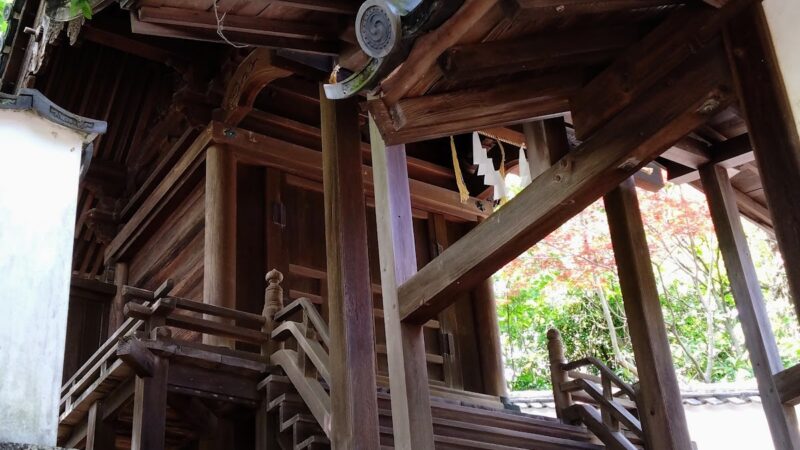
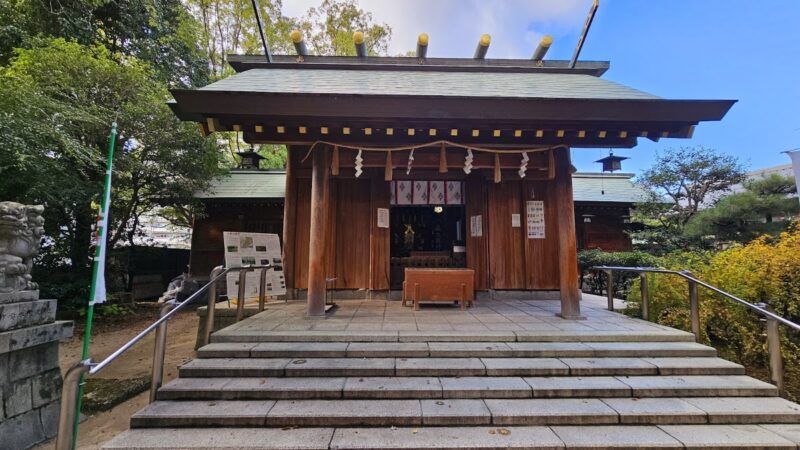
The shrine buildings, rebuilt after the war, follow traditional shrine architectural styles while incorporating modern techniques. Both the main shrine and the worship hall are meticulously maintained, warmly welcoming visitors.
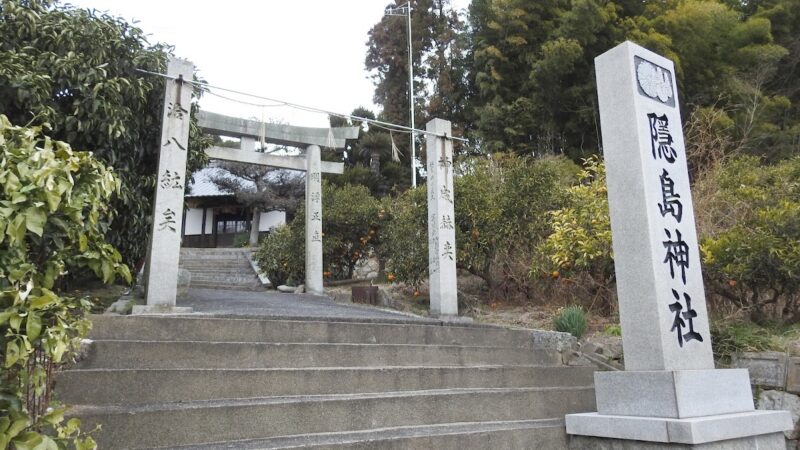
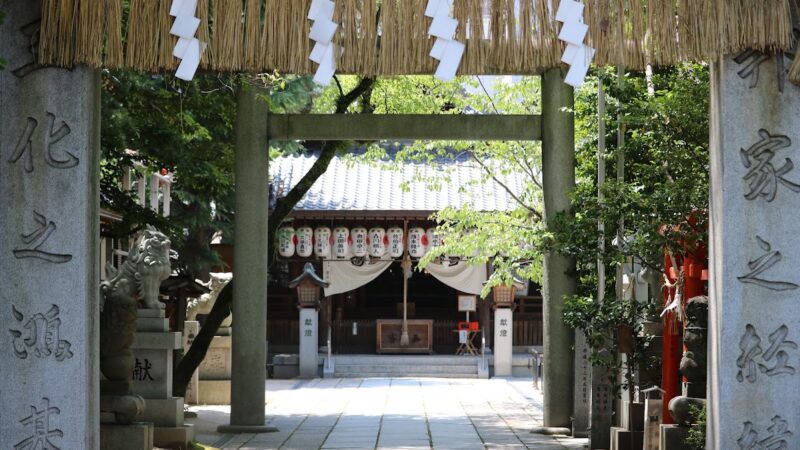
Atmosphere of the Approach and Grounds
Despite its proximity to Yokogawa Station, the shrine becomes remarkably quiet just a short distance from the approach, a stark contrast to the hustle and bustle of the city. Trees are planted throughout the grounds, allowing visitors to experience the beauty of nature throughout the seasons. The scenery is particularly beautiful during the fresh green season and the autumn foliage season.
Komainu (Guardian Dogs)
Charming guardian dogs (komainu) are placed throughout the grounds, watching over visitors. These dogs quietly tell the story of the shrine’s history.
Annual Events at Misasa Shrine
New Year’s Visit
Many visitors come to the shrine in the New Year to pray for good health and safety for their families throughout the year. Its convenient location near Yokogawa Station attracts visitors not only from the local area but also from a wide range of places.
Annual Grand Festival
The annual grand festival, the most important festival of the year, involves Shinto rituals and prayers for the prosperity and peace of the community.
Shichi-Go-San Festival
In autumn, many families visit the shrine for Shichi-Go-San (a traditional rite of passage for children). This traditional event, praying for the healthy growth of children, is well-established in the community.
Prayer for Success in Exams
As the shrine enshrines Tenman Tenjin, many students and their parents visit during exam season to pray for success. There is a constant stream of worshippers seeking the blessings of the god of learning.
Goshuin (Shrine Seal) Information
Goshuin are available at Misasa Shrine. Goshuin are popular among many worshippers as proof of their visit to the shrine and as a tangible memento of their connection with the deity.
Goshuin (Shrine Stamp) Reception
Reception is at the shrine office (we recommend calling ahead to confirm, as staff may be absent).
Offering Fee
Typical offering fee (approximately 300-500 yen)
Bring your goshuincho (stamp book) and respectfully visit the shrine before requesting a goshuin at the office. A goshuin is not merely a commemorative stamp, but a precious symbol of your connection with the deities, so it’s important to treat it with respect.
Access Details
Access by Train
Using the JR Sanyo Main Line
Approximately 1-4 minutes on foot from the north exit of Yokogawa Station. Its convenient location right outside the station makes it easy to find even for first-time visitors.
Using the Hiroshima Electric Railway
Approximately 5 minutes on foot from the Yokogawa Station tram stop. After getting off the tram, head north to reach the shrine.
Using the Astramline
It’s a bit of a distance from the nearest station, but accessible by bus or taxi from the city center.
Access by Car
Approximately 10-15 minutes by car from central Hiroshima. Approximately 20 minutes from the Sanyo Expressway “Hiroshima IC”. However, parking on the shrine grounds is limited, so using public transportation is recommended.
Nearby Parking
There are several coin-operated parking lots around Yokogawa Station. If the shrine’s parking lot is full, you can use these paid parking lots.
Manners and Points for Visiting the Shrine
Basic Visiting Etiquette
- Bow Before Passing Through the Torii Gate
As a sign of respect before entering the sacred area, bow before the torii gate.
- Purify Your Body and Mind at the Water Basin
Purify your left hand, right hand, and mouth in that order, and finally wash the handle of the ladle.
- Walk Along the Edge of the Path
The center of the path is considered the path of the gods, so walk along the edge.
- Etiquette at the Shrine
The basic procedure is two bows, two claps, and one bow. After offering your donation and ringing the bell, bow.
Best Time to Visit
Since Misasa Shrine is located in an urban area, weekday mornings are relatively quiet for worship. Weekends and holidays, especially during the New Year’s period and exam season, can be crowded. Those who wish to worship at a leisurely pace should choose a time to avoid crowds.
Attractions Around Misasa Shrine
Yokogawa Shopping Street
Yokogawa Shopping Street, within walking distance of Misasa Shrine, is a lively shopping street that retains the atmosphere of the Showa era. It is lined with local famous shops and restaurants, making it ideal for a stroll after visiting the shrine.
Hiroshima City Ebiyama Meteorological Museum
A science museum themed on meteorology, located about 10 minutes away by car. A recommended spot for families with children.
Peace Memorial Park
Peace Memorial Park, located in the heart of Hiroshima City, is about 20 minutes away by streetcar. Many tourists visit Misasa Shrine in conjunction with their pilgrimage.
Summary of Misasa Shrine’s Charms
Misasa Shrine, located in the urban area of Nishi Ward, Hiroshima City, is a precious shrine that combines a long history dating back to the Eiroku era with abundant nature. It enshrines eight deities and offers diverse blessings, including matchmaking, academic success, abundant harvests, and business prosperity, attracting worshippers with various wishes.
While possessing a unique Hiroshima history of atomic bombing and subsequent reconstruction, it currently functions as a spiritual haven for local residents and a place of peace for visitors. Its excellent accessibility, just a one-minute walk from Yokogawa Station, is another attractive feature.
When visiting Hiroshima City, be sure to visit Misasa Shrine. In its quiet grounds, away from the hustle and bustle of the city, you can calm your mind and feel a connection with the gods. Receiving a Goshuin (shrine stamp) will be a valuable experience of touching Hiroshima’s history and culture.
Whether you’re visiting for the first shrine visit of the year, praying for success in exams, celebrating Shichi-Go-San (a traditional rite of passage for children), or seeking protection from evil, Misasa Shrine warmly welcomes visitors as a place to stop by and find peace in your daily life. Why not visit this historic shrine located in Misasa-cho, Nishi-ku, Hiroshima City, and find inner peace and renewed energy?