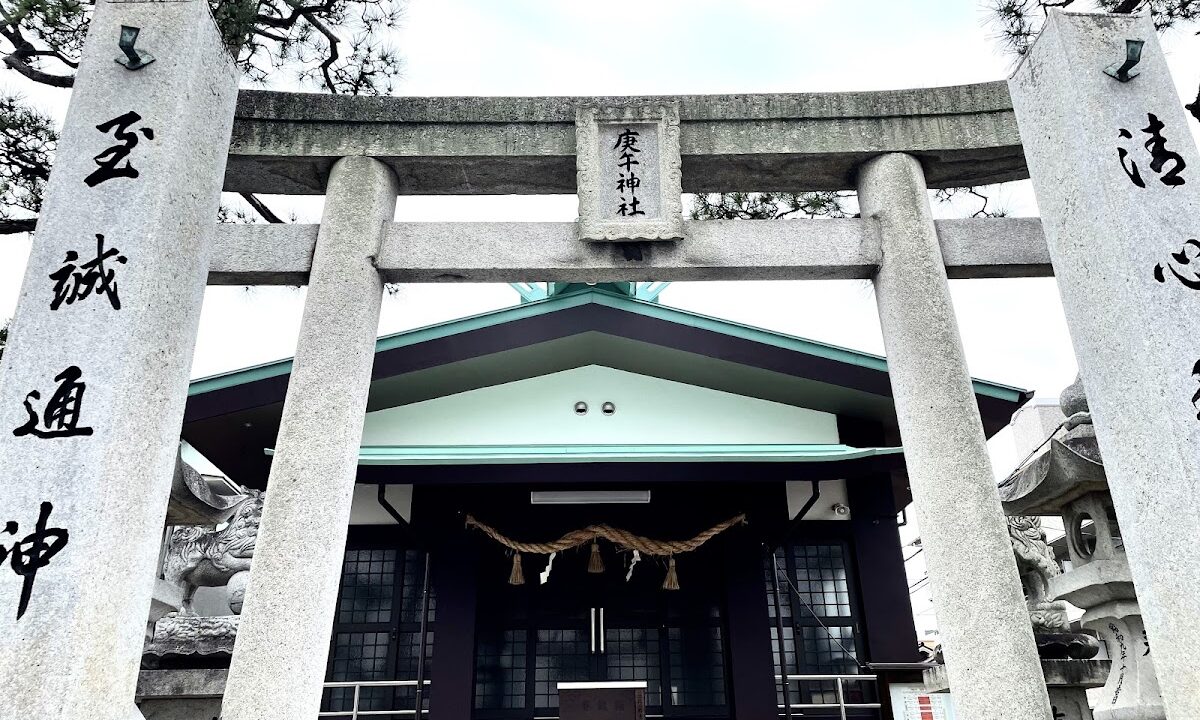
Complete Guide to Kogo Shrine (Hiroshima Prefecture) | History, Goshuin (Shrine Seals), Access, and Annual Events
Kogo Shrine, located in Kogo-naka, Nishi-ku, Hiroshima City, is a shrine deeply cherished by local residents. It was relocated during the Meiji era due to new development, and in 1971, to commemorate the 100th anniversary of the Kogo Shinkai (new development) area, the current reinforced concrete shrine building was constructed. This article provides a detailed explanation of everything you need to know before visiting Kogo Shrine, including its history, goshuin (shrine seals), access methods, annual events, and highlights within the shrine grounds.
Basic Information about Kogo Shrine
Kogo Shrine is located at 1-5-1 Kogo-naka, Nishi-ku, Hiroshima City, Hiroshima Prefecture. Despite being in a residential area, it boasts spacious grounds and serves as a center of local faith.
Location and Access
Address: 1-5-1 Kogo-naka, Nishi-ku, Hiroshima City, Hiroshima Prefecture 733-0822
Nearest Station:
- Approximately 8-minute walk from Takasu Station on the Hiroshima Electric Railway Miyajima Line
- Approximately 2-minute walk from Kogo-naka 1-chome bus stop (Hiroshima Bus, Route 25)
From Takasu Station, head south from the station exit and walk through the residential area for about 8 minutes. If using the bus, the Kogo-naka 1-chome bus stop is the closest and very convenient, about a 2-minute walk.
Visiting Hours and Parking
The grounds of Kogo Shrine are generally open all day, and you can visit freely. However, it is recommended to check the office hours and festival times in advance.
While there is some parking space on the shrine grounds, congestion is expected during events such as New Year’s visits and the autumn festival, so using public transportation is recommended.
History and Origins of Kogo Shrine
Relocation in the Meiji Era
The history of Kogo Shrine dates back to December 9, 1870 (Meiji 3). In that year, it was relocated to the embankment under construction in Kogo Shinkai. At that time, a new development project was underway in the Nishi Ward of Hiroshima City, and Kogo Shrine was positioned as the guardian shrine of this new land.
The role of a shrine in a newly developed area was not merely a place of worship, but also to serve as the center of the new community and a spiritual anchor for the residents. Kogo Shrine fulfilled this role perfectly, and for over 150 years since then, it has attracted the faith of local residents.
Major Renovation and Renaming in the Showa Era
1971 (Showa 46) was a momentous year, marking the 100th anniversary of Kogo Shinkai. To commemorate this milestone, Kogo Shrine underwent a large-scale reconstruction, transforming from a wooden structure into a modern reinforced concrete building.
At this time, the shrine was officially renamed “Kogo Shrine,” and it remains so to this day. The rebuilding with reinforced concrete was a major undertaking, not only for improving earthquake resistance and durability, but also embodying a wish for the development and prosperity of the region.
Role as the Guardian Deity of Shinkai
Kogo Shrine has been revered for many years as the “guardian deity of Shinkai.” It has become an indispensable presence in the community, watching over the development and growth of the Shinkai area and serving as a place to pray for the safety and prosperity of its residents.
Deities and Divine Virtues
Let’s take a closer look at the deities enshrined at Kogo Shrine and their divine virtues.
Deities
While detailed information regarding the deities enshrined at Kogo Shrine is limited, they play a role as the guardian deities of the region as the guardian deity of Shinkai. Generally, the guardian shrines of newly developed areas often enshrine deities who bestow blessings such as successful development, abundant harvests, family safety, and business prosperity. Kogo Shrine is also believed to bestow these blessings.
Divine Blessings and Blessings
The main blessings you can expect from visiting Kogo Shrine are as follows:
- Regional Safety and Family Safety: As the guardian shrine of the newly developed area, it protects the safety of the entire region.
- Good Fortune and Prosperity: From its history of growing alongside the development of the new land.
- Protection from Evil: Protection from daily misfortunes.
- Business Prosperity: As a deity watching over the development of the local economy.
Highlights of the Shrine Grounds
Features of the Shrine Building
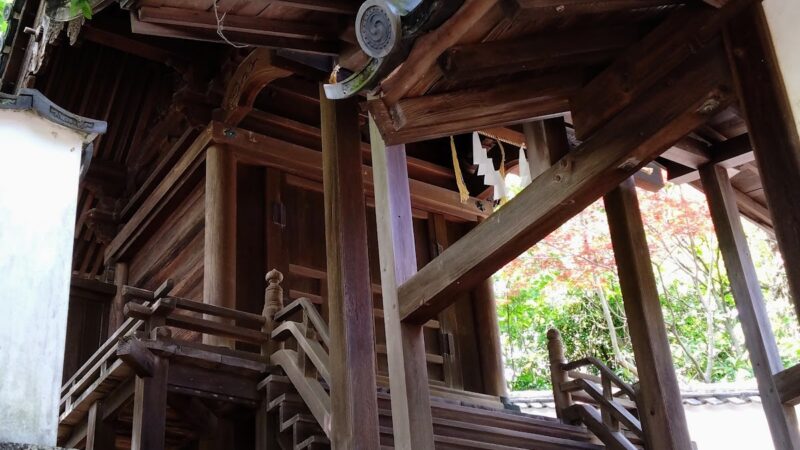
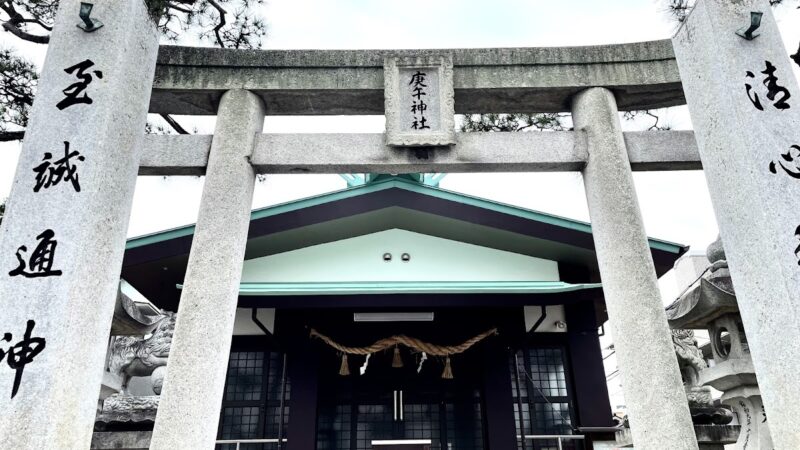
The reinforced concrete shrine building, rebuilt in 1971, combines the beauty of traditional shrine architecture with the functionality of modern architecture. Its simple yet dignified appearance creates a sacred atmosphere even within a residential area.
Trees and Nature on the Shrine Grounds
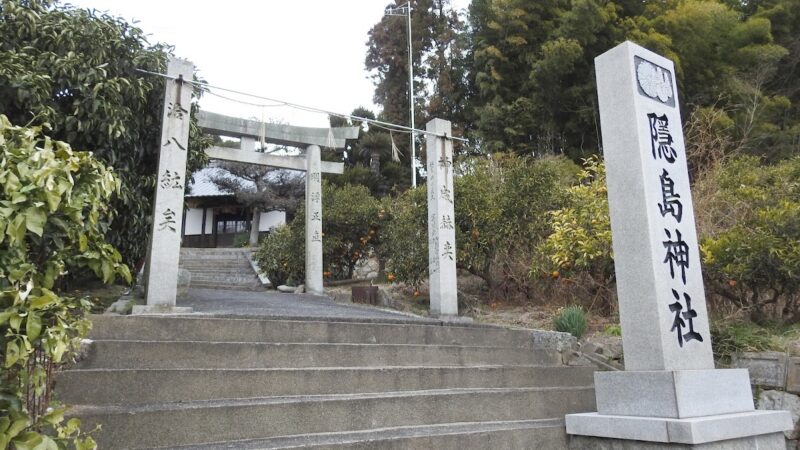
The grounds of Kogo Shrine are planted with many trees, creating a tranquil space surrounded by lush greenery despite its urban location. The changing appearance of the trees with each season provides peace to visitors.
Especially in summer, the shade of the trees is cool, and many locals can be seen stopping by for a stroll. The greenery on the shrine grounds is a precious place of healing in the midst of urban life.
Shrine Facilities
The spacious grounds are equipped with basic shrine facilities such as a path, a purification fountain, and a main hall. Despite its location in a residential area, it has ample space, allowing for a relaxed visit.
About Goshuin (Shrine Seals)
Where to Obtain Goshuin
Goshuin (shrine seals) for Kogo Shrine are not always available at Kogo Shrine itself. Those wishing to obtain a goshuin can do so at the Kusatsu Hachimangu Shrine Office.
Kusatsu Hachimangu Shrine is a subsidiary shrine of Kogo Shrine and manages the goshuin (seal stamps) of multiple shrines. If you wish to request multiple goshuin, including those from Kogo Shrine, it is recommended to check in advance.
Points to Note When Receiving Goshuin
- You must visit during the office hours of Kusatsu Hachimangu Shrine.
- If you wish to receive multiple goshuin, please allow ample time.
- Bring your goshuincho (seal stamp book) or receive a pre-written goshuin.
- It is advisable to prepare a standard amount for the offering.
Annual Events and Festivals
New Year’s Visit
Kogo Shrine is bustling with many visitors from New Year’s Day through the third day of the year. Mainly local residents visit to pray for safety and prosperity in the new year.
Located in a residential area, the shrine has a welcoming atmosphere that makes it easy for families to visit. While not as crowded as large shrines, it offers a warm, community-oriented atmosphere for welcoming the new year.
Autumn Festival
The autumn festival at Kogo Shrine is a beloved and important annual event in the community. During the festival, stalls line the shrine grounds, and local residents gather, creating a lively atmosphere.
It’s an exciting event for children and a valuable opportunity to deepen community bonds. It’s also a place where intergenerational exchanges are fostered through traditional rituals.
Other Festivals
Monthly and seasonal festivals are held throughout the year. Detailed schedules can be found at Kusatsu Hachimangu Shrine or on local bulletin boards.
Nearby Spots and Tourist Information
Shrines and Temples around Takasu Station
When visiting Kogo Shrine, it’s also recommended to visit other nearby shrines and temples. There are several temples and shrines around Takasu Station, making it a great place for a shrine and temple tour.
Historical Walk in the Kogo Area
Exploring the surrounding area while experiencing the history of Kogo Shinkai is a fascinating experience. Walking through the area while imagining the changes in the townscape that have continued since the Meiji era reveals the history of this region’s development.
Nearby Facilities with Convenient Access
- Takasu Station: A station on the Hiroshima Electric Railway Miyajima Line, offering convenient access to central Hiroshima and Miyajima.
- Kogo-Nakacho 1-chome Bus Stop: Hiroshima Bus Route 25 stops here, providing access to various parts of the city.
- Nearby Shopping Street: Local shops are scattered throughout the area, making it enjoyable to stroll around after visiting the shrine.
Manners and Etiquette for Visiting the Shrine
Basic Etiquette for Visiting the Shrine
Here are the basic etiquette rules for visiting Kogo Shrine:
- Bow before passing through the torii gate: As a sign of respect before entering the sacred area.
- Avoid walking in the center of the approach: The center is considered the path of the gods.
- Purify yourself at the water basin: Purify your left hand, right hand, and mouth in that order.
- Worship at the main hall: Two bows, two claps, and one bow is the basic procedure.
Regarding Photography
Photography is generally permitted on the shrine grounds, but please note the following:
- Be considerate of other worshippers.
- Refrain from photography during religious ceremonies or obtain permission beforehand.
- Photography inside the shrine buildings is generally prohibited.
- When posting on social media, be careful not to include other worshippers in your photos.
Connection with the Community
Center of the Local Community
Kogo Shrine is not merely a place of worship, but also plays a central role in the local community. Through festivals and events, it fosters interaction among residents and deepens community bonds.
Children’s Playground
The spacious grounds also function as a safe playground for local children. After school and on holidays, the cheerful voices of children echo throughout the grounds, creating a lively atmosphere.
Role as a Disaster Prevention Base
The shrine grounds are also expected to function as a temporary evacuation site during disasters. The large space and highly earthquake-resistant building are important resources for protecting the safety of the community.
The Charm of Kogo Shrine
A Tranquil Space in a Residential Area
The greatest charm of Kogo Shrine is the sense of tranquility and serenity you feel upon stepping into its grounds, despite its location in a residential area. It’s a place cherished by many as a place to escape the hustle and bustle of daily life and find peace of mind.
A Warm, Community-Oriented Atmosphere
Unlike large-scale tourist shrines, Kogo Shrine is characterized by its warm, community-oriented atmosphere. The interaction with locals and the homey atmosphere of its festivals leave visitors with a pleasant impression.
A Place Where History Thrives
With a history of over 150 years since the Meiji era’s development, Kogo Shrine embodies the history of this region’s development. While the shrine buildings are modern, one can feel its long history and tradition.
Visitor Feedback
Visitors to Kogo Shrine have shared the following comments:
- “The spacious grounds are filled with many trees, making it a peaceful place.”
- “Although it’s a small shrine, it gets lively during New Year’s visits and the autumn festival.”
- “Located in a residential area, it’s a beloved local place.”
- “It’s a shrine that has been cherished by the local community for a long time.”
These comments convey how deeply Kogo Shrine is loved by the local residents and how it is valued in their daily lives.
Attire and Items to Bring When Visiting
Regarding Attire
Kogo Shrine is a community-oriented shrine, and there are no strict dress code regulations. While casual attire is acceptable for visiting the shrine, please keep the following points in mind:
- Aim for clean and presentable clothing.
- If participating in a festival or ceremony, slightly more formal attire is preferable.
- Remember to take precautions against the sun in summer and warm clothing in winter.
Checklist of Items to Bring
- Offering money (small change is convenient)
- Goshuincho (stamp book) (if you wish to receive a Goshuin stamp)
- Camera (if you want to photograph the shrine grounds)
- Drinks (especially in summer to prevent heatstroke)
Kogo Shrine in Every Season
Kogo Shrine in Spring
In spring, the trees on the shrine grounds are enveloped in fresh greenery, creating a vibrant and lively landscape. Visiting the shrine in the warm sunshine is a refreshing experience for both mind and body.
Kogo Shrine in Summer
In summer, the greenery on the shrine grounds becomes denser, and the shade of the trees provides a cool and relaxing place to rest. Visiting the shrine amidst the sound of cicadas evokes a quintessential Japanese summer atmosphere.
Autumn at Kogo Shrine
The shrine grounds are at their most lively during the autumn festival season. It’s also a beautiful time of year with vibrant autumn foliage, making for a delightful visit while experiencing the deepening of autumn.
Winter at Kogo Shrine
Especially during the New Year’s visit period, Kogo Shrine is enveloped in a solemn atmosphere during winter. Visiting in the crisp, clear air is a truly solemn experience.
Summary
Kogo Shrine is a historic shrine located in Kogo-naka, Nishi-ku, Hiroshima City. Since its relocation in 1870 (Meiji 3), it has attracted the faith of the local community for over 150 years. In 1971 (Showa 46), the current reinforced concrete shrine building was constructed, and the name was changed to “Kogo Shrine,” which it remains to this day.
Conveniently located just an 8-minute walk from Takasu Station on the Hiroshima Electric Railway Miyajima Line, or a 2-minute walk from the Kogo-Nakacho 1-chome bus stop on the Hiroshima Bus line, Kogo Shrine offers a tranquil space surrounded by spacious grounds and lush greenery. Goshuin (shrine stamps) can be obtained at the Kusatsu Hachimangu Shrine office, and the shrine is bustling with visitors during New Year’s and the autumn festival.
With its warm, community-oriented atmosphere and peaceful sanctuary in a residential area, Kogo Shrine continues to be deeply cherished by local residents. When you visit Hiroshima, we highly recommend paying a visit. It’s a precious place where you can feel history and tradition while offering a serene and peaceful prayer.