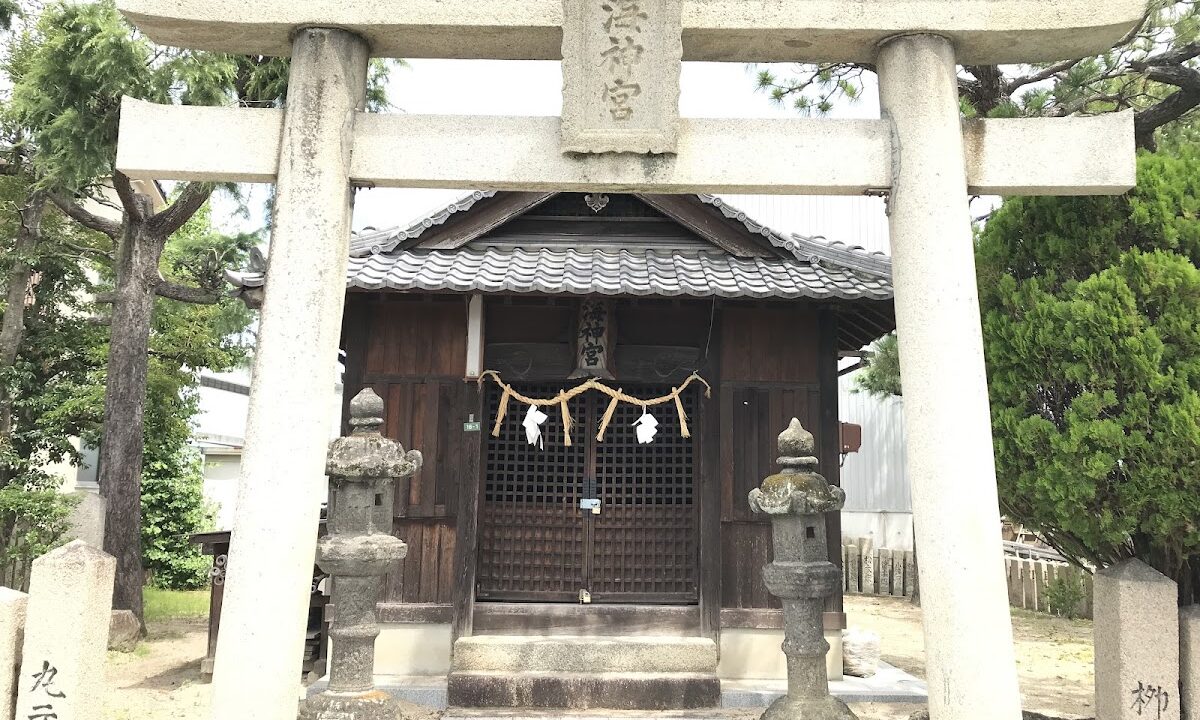
Complete Guide to Kaijingu Shrine (Hiroshima Prefecture): History and Access Information for a Shrine That Survived the Atomic Bombing Since the Edo Period
Kaijingu Shrine, located in Ebahigashi, Naka-ku, Hiroshima City, is a shrine with a history of over 200 years since its founding in the late Edo period. Known as a building that survived the unprecedented disaster of the atomic bombing, it is an indispensable presence when discussing Hiroshima’s history and peace. This article comprehensively introduces information you should know before visiting Kaijingu Shrine, including its history, enshrined deities, highlights, and access methods.
Basic Information about Kaijingu Shrine
Kaijingu Shrine is located at 2-16-1 Ebahigashi, Naka-ku, Hiroshima City, and has been cherished by the local community as a shrine dedicated to the god of the sea. It is conveniently located about a 7-minute walk from Eba Station on the Hiroshima Electric Railway Eba Line, making it easily accessible for worshippers.
Location: 2-16-1 Ebahigashi, Naka-ku, Hiroshima City, Hiroshima Prefecture 730-0832
Nearest Station: Approximately 7 minutes on foot from Eba Station on the Hiroshima Electric Railway Eba Line
Postal Code: 730-0832
Shrines bearing the name “Kaijingu” (海神宮) are extremely rare throughout Japan, and this shrine in Hiroshima City is known as a representative example. It enjoys deep faith from those involved in the local shipping and fishing industries, and many worshippers visit to pray for safe voyages and maritime safety.
History of Kaijingu: 200 Years with Eba Port
Circumstances of Founding and the Opening of Eba Port
Kaijingu is believed to have been founded during the Bunka era (1804-1818). This period coincided with the late Edo period, a time when the Hiroshima domain was developing Eba Port. It is said that the shrine was built to pray for maritime safety and the prosperity of the port upon its opening. The Eba district has long been a thriving center of the shipping industry and has developed as a key transportation hub in the Seto Inland Sea. Kaijingu Shrine has played a vital role since its founding as the center of faith for those involved in shipping and fishing in this region.
Changes in the Meiji Era: Merger with and Restoration of Kaijingu Shrine
In 1871 (Meiji 4), as part of the Meiji government’s policy of consolidating shrines, Kaijingu Shrine was to be merged with Koromoha Shrine. However, due to the strong faith and requests of the local residents, the shrine building was preserved.
Later, the fervent wishes of the local people were fulfilled, and Kaijingu Shrine was restored. Restoration means that a shrine that had been merged with another shrine was once again worshipped independently. This history illustrates how important Kaijingu Shrine was to the community.
The Atomic Bombing and its Value as an Atomic Bomb Survivor
On August 6, 1945 (Showa 20), an atomic bomb was dropped on Hiroshima City. The Kaijingu Shrine, located approximately 2.7 kilometers from the hypocenter, was also affected by the atomic bomb, but miraculously, its main building escaped collapse and has retained its original form to this day.
Many buildings in Hiroshima City survived the bombing, but many were demolished during the post-war reconstruction. The surviving buildings are registered and preserved by Hiroshima City as valuable historical materials. The main hall of the Kaijingu Shrine is one such example, registered on Hiroshima City’s list of atomic bomb-damaged buildings, and serves as an important structure that conveys the preciousness of peace to future generations.
Even nearly 80 years after the bombing, traces of the time remain in the shrine building, conveying both the devastating power of the atomic bomb and the resilience of the building.
About the Deity: Ōwatatsumi-no-kami
The deity enshrined at the Kaijingu Shrine is Ōwatatsumi-no-kami. Ōwatatsumi-no-kami is a sea god appearing in Japanese mythology, known as the highest-ranking sea god who governs all aspects of the ocean.
The Myth and Origin of Ōwatatsumi-no-Kami
In the Kojiki and Nihon Shoki, Ōwatatsumi-no-Kami is said to have been born through the divine creation of Izanagi-no-Mikoto and Izanami-no-Mikoto. The name “Watatsumi” means “god who rules the sea” and is the origin of the word “wadatsumi” (sea).
In mythology, Ōwatatsumi-no-Kami’s daughter, Toyotama-hime-no-Mikoto, married Yamasachi-hiko, and their descendants include Emperor Jimmu, the first emperor of Japan. Therefore, this deity has deep ties to the Imperial family.
Divine Virtues and Faith
The main divine virtues of Owatatsumi-no-Kami are as follows:
- Safe Navigation and Maritime Safety: Protects the safety of sailors and fishermen
- Prosperity in Fisheries: Brings abundant catches and bountiful marine products
- Traffic Safety: Protects safe travels in general
- Business Prosperity: Prospers businesses involved in shipping and trade
- Protection from Misfortune and Disaster: Protects against maritime accidents and water-related disasters
Located in the Eba district, facing the sea, the Kaijin-gu Shrine has been an object of worship deeply intertwined with the lives of local residents. Even today, people involved in shipping, fishing enthusiasts, and those working in sea-related industries visit the shrine to pray.
Highlights and Grounds of Kaijin-gu Shrine
Architectural Style and Features of the Main Hall
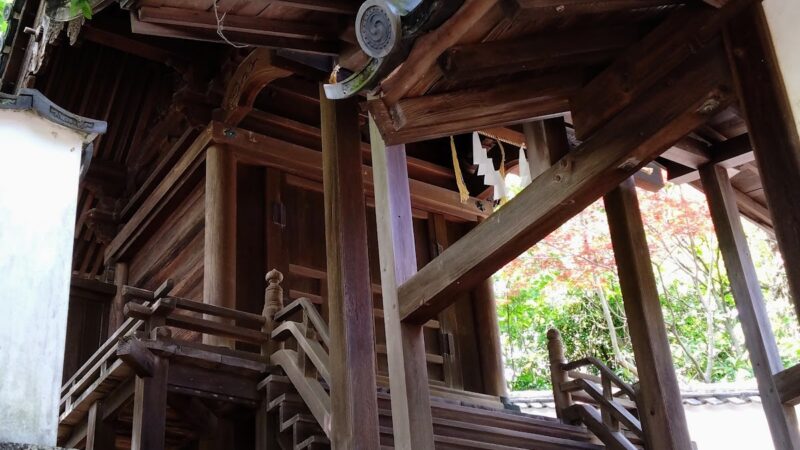
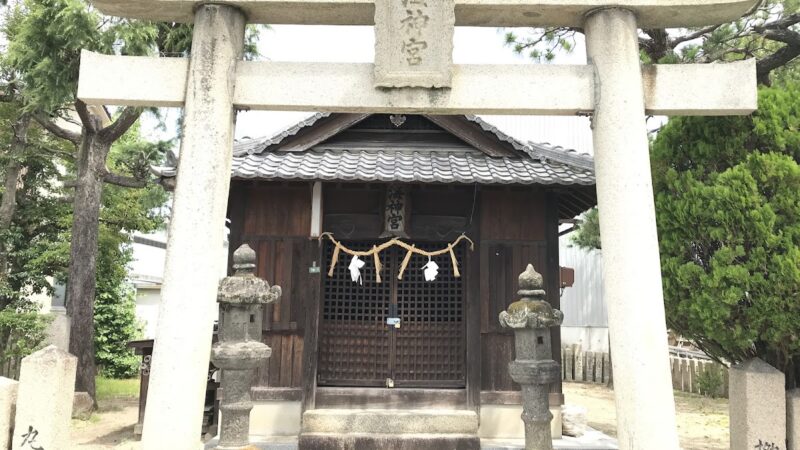
The main hall of Kaijin-gu Shrine is a valuable building that preserves the architectural style of the late Edo period. The wooden shrine building, though simple, is sturdily constructed, conveying a sense of strength that has endured over 200 years and the catastrophe of the atomic bomb.
Although the building is small in scale, the details showcase the craftsmanship of Edo-period artisans, with intricate carvings and decorations, offering a glimpse into the high level of architectural technology of the time. Combined with its historical value as a building that survived the atomic bombing, it is an important structure from the perspective of architectural history and historical research.
Atmosphere of the Shrine Grounds
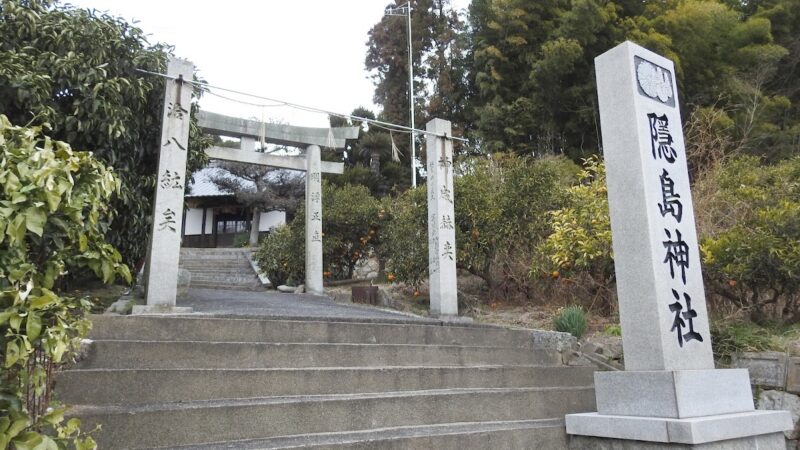
Despite being located in an urban area, the grounds of Kaijingu Shrine are enveloped in a tranquil atmosphere. It is a small shrine nestled in the residential area of Eba, but stepping inside reveals a sacred space far removed from the hustle and bustle.
The grounds are carefully maintained by local residents and are meticulously clean. The trees on the grounds change their appearance with the seasons, and particularly beautiful scenery can be enjoyed during the fresh green season and the autumn foliage season.
Traces of the Atomic Bombing
Upon close observation of the shrine building, traces of the blast and heat rays from the atomic bombing can be seen. These remnants, as living witnesses to the history Hiroshima experienced, quietly convey the preciousness of peace.
While many atomic bomb-damaged buildings have been lost, structures like Kaijingu Shrine, which retain their original appearance, are extremely valuable. Along with the Atomic Bomb Dome and the Peace Memorial Museum, it plays a crucial role in peace education in Hiroshima.
How to Worship and Manners
Basic Worship Etiquette
Worship at Kaijingu Shrine follows the general etiquette for visiting shrines:
- Bow before passing through the torii gate: As a courtesy before entering the sacred area.
- Purify yourself at the water basin (if available): Purify your left hand, right hand, and mouth in that order.
- Worship in front of the main hall: Two bows, two claps, and one bow is the basic form.
- Bow upon leaving: Bow towards the shrine before leaving the torii gate.
Points to Note When Worshiping
Kaijingu Shrine is a small shrine located in a residential area. Please observe the following points when visiting the shrine:
- Maintain silence: Please refrain from loud conversations out of consideration for nearby residents.
- Photography: Photography of the shrine buildings is permitted, but please avoid using flash and do so respectfully.
- Take your trash home: To maintain the beauty of the shrine grounds, please be sure to take your trash with you.
- Parking: Dedicated parking is often unavailable, so we recommend using public transportation.
Regarding Goshuin (Shrine Seals)
Regarding the issuance of Goshuin at Kaijingu Shrine, there may not always be a resident priest. Those wishing to receive a Goshuin are advised to check in advance. Alternatively, it may be possible to obtain one at the managing shrine, Iba Shrine.
For those collecting Goshuin, it is important to bring your Goshuincho (stamp book) as a memento of your visit and make your request respectfully.
Access Methods: How to Get to Kaijingu Shrine
Access by Public Transportation
Using Hiroshima Electric Railway (Most Recommended)
- Take Hiroshima Electric Railway Line 6 (bound for Eba) from Hiroshima Station.
- Get off at the last stop, “Eba Station” (approximately 30 minutes).
- Approximately 7 minutes on foot from Eba Station.
After leaving Eba Station, proceed through the residential area of Eba district to reach Kaijingu Shrine. While there may be signs along the way, using a smartphone map app is convenient.
Using the Bus
Bus routes to Eba operate from various locations within Hiroshima City. While it’s possible to walk from the nearest bus stop, the train is more convenient due to its more frequent service.
Access by Car
From Central Hiroshima City
Take Heiwa-dori Avenue and then National Route 2 towards Eba. Entering “2-16-1 Eba-higashi, Naka-ku, Hiroshima City” into your car navigation system will guide you. The journey time from central Hiroshima city is approximately 15-20 minutes, depending on traffic conditions.
Parking Information
There is likely no dedicated parking lot at Kaijingu Shrine. Therefore, we recommend using nearby coin-operated parking lots or public transportation. Please absolutely avoid street parking, as it inconveniences local residents.
Access by Foot or Bicycle
It is also possible to visit by bicycle from other tourist spots in Hiroshima city. Hiroshima city also has a shared bicycle service called “Peace Cycle,” which is convenient for sightseeing.
It is about a 20-minute bicycle ride from the Atomic Bomb Dome and Peace Memorial Park, making it a good option to visit as part of a tour of peace-related historical sites.
Nearby Tourist Spots
When visiting Kaijingu Shrine, we recommend also visiting nearby tourist spots.
Atomic Bomb Dome
Located approximately 2.5 kilometers northeast of Kaijingu Shrine, it is a representative World Heritage Site of Hiroshima. As another building that survived the atomic bombing, it is a symbol of peace. Visiting it together with Kaijingu Shrine will allow you to gain a deeper understanding of Hiroshima’s history.
Hiroshima Peace Memorial Museum
Located next to the Atomic Bomb Dome, this museum allows visitors to learn about the tragedy of the atomic bombing and the preciousness of peace. Visiting after learning that Kaijingu Shrine is a building that survived the bombing will make the experience even more profound.
Ebayama Meteorological Museum
Located in the Eba district, this science museum boasts extensive exhibits on meteorology. It’s a recommended spot for families with children. It’s within walking distance of Kaijingu Shrine.
Ebayama Sarayama Park
This park, situated on a hill in the Eba district, offers a spectacular view of Hiroshima city and the Seto Inland Sea. It’s a great place to visit for a stroll after visiting Kaijingu Shrine.
Kaijingu Shrine’s Connection to the Community
As a Center of the Community
Since its founding, Kaijingu Shrine has functioned as a central presence in the community of the Eba district. During local festivals and events, it serves as a gathering place for residents, fostering intergenerational exchange.
Although a small shrine, it has a history of being carefully preserved by the local people, and that bond continues to this day. Thanks to the cooperation of local residents, the shrine grounds are cleaned and maintained, and visitors are warmly welcomed.
Connection to Shipping and Fishing
The Eba district has long been a thriving area for shipping and fishing, and the Kaijingu Shrine has attracted the faith of people engaged in these industries. Even today, people visit the shrine for events related to the sea, such as the launching of new ships and prayers for safety at sea.
The Kaijingu Shrine, which enshrines the sea god Owatatsumi-no-kami, is a spiritual support for people who live in harmony with the sea.
Significance of Visiting the Kaijingu Shrine: Learning about History and Peace
Visiting the Kaijingu Shrine has significance beyond mere shrine visitation.
Educational Value as an Atomic Bomb Survivor
The main hall of the Kaijingu Shrine is a building that survived the greatest tragedy in human history: the atomic bombing. While not as well-known as the Atomic Bomb Dome, it possesses equally important historical value. The number of buildings registered on Hiroshima City’s list of atomic bomb-damaged buildings is decreasing year by year, making buildings like Kaijingu Shrine, which retain their original appearance, particularly valuable. From the perspective of peace education, it can be considered an important cultural asset that should be passed on to future generations.
Understanding Local History
By tracing the history of Kaijingu Shrine, you can learn about the history of the development of the Eba district and the changes in Hiroshima’s shipping industry. Kaijingu Shrine, which conveys a form of local faith that has continued since the Edo period, is also a valuable resource for local history research.
Passing on Faith and Culture
Japanese shrine faith is closely intertwined with local culture and traditions. Visiting a small shrine like Kaijingu Shrine allows you to experience the diversity of Japanese religious culture and forms of faith rooted in local communities.
Contact Information for Kaijingu Shrine
For more detailed information about Kaijingu Shrine or questions regarding visits, please contact the following:
Hiroshima City Hall, Citizens’ Affairs Bureau, International Peace Promotion Department, Peace Promotion Division
They handle inquiries regarding atomic bomb-damaged buildings and the preservation status of Kaijingu Shrine.
Iba Shrine
Since it may manage the Kaijingu Shrine, it’s best to contact Iba Shrine directly for inquiries regarding Goshuin (shrine stamps) and festivals.
Summary: A Recommendation to Visit the Kaijingu Shrine
Located in Ebahigashi, Naka-ku, Hiroshima City, the Kaijingu Shrine boasts a history of over 200 years since its founding during the Bunka era (1804-1818). It is a valuable atomic bomb survivor that overcame the unprecedented disaster of the atomic bombing. It enshrines Owatatsumi-no-kami and has continuously watched over maritime safety and the prosperity of the region.
Many tourists visiting Hiroshima visit the Atomic Bomb Dome and Peace Memorial Park, but visiting smaller atomic bomb survivor buildings like the Kaijingu Shrine allows for a more multifaceted understanding of Hiroshima’s history. As a place that conveys a form of faith rooted in the community and the memories of war, the Kaijingu Shrine is a place worth visiting.
Its convenient access, approximately a 7-minute walk from Eba Station, is another attractive feature. When sightseeing in Hiroshima City, be sure to stop by the Kaijingu Shrine and reflect on history in its tranquil grounds. This small shrine, cherished and protected by the local community, is sure to bring you new discoveries and inspiration.
Kaishin-gu Shrine, as an important place connecting Hiroshima’s past, present, and future, will continue to be loved by many people for years to come.