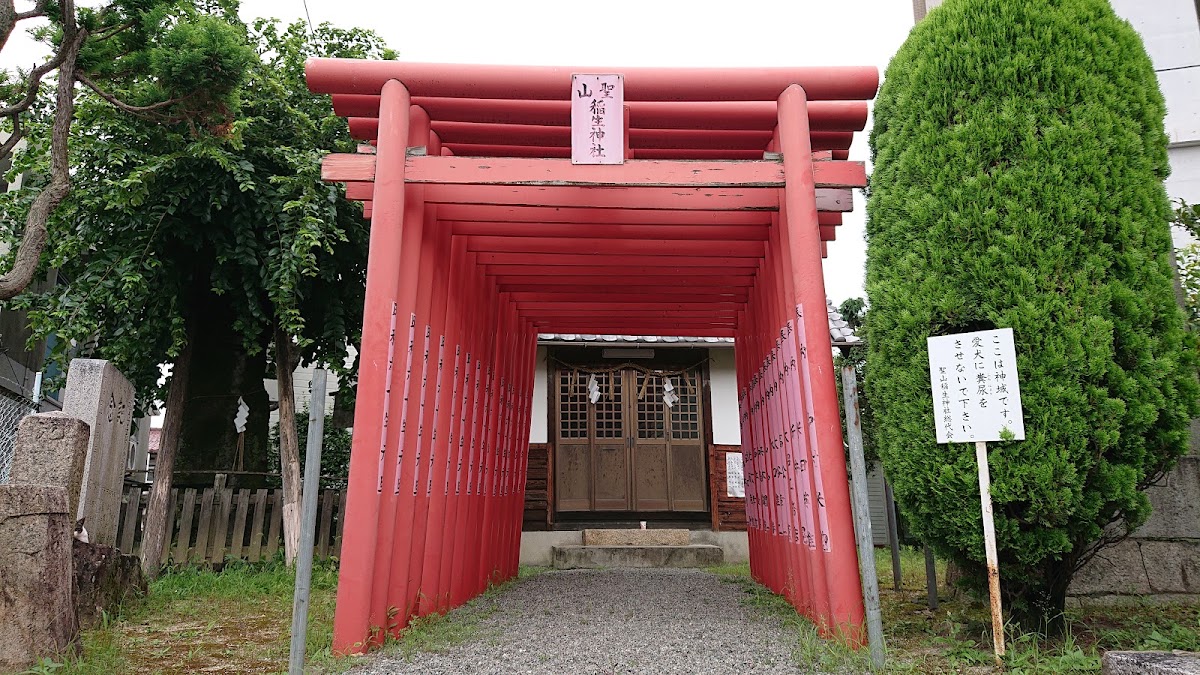
Complete Guide to Hijiriyama Inou Shrine (Hiroshima Prefecture) | Thorough Explanation of Deities, Blessings, Access, and Highlights
Hijiriyama Inou Shrine, located in Mihara City, Hiroshima Prefecture, is a historical shrine deeply rooted in the local community. This article provides detailed information useful for visitors, including the historical background of Hijiriyama Inou Shrine, its enshrined deities and their blessings, highlights within the shrine grounds, access methods, and manners and precautions for worship.
What is Hijiriyama Inou Shrine?
Hijiriyama Inou Shrine is a shrine located in Mihara City, Hiroshima Prefecture, and has been revered by local people for many years. As the name “Inou” suggests, it has a history of being worshipped as a god of abundant harvests and agriculture.
The sacred mountain on which the shrine stands is a local landmark and has been recognized as a sacred place since ancient times. Even today, it is cherished as a spiritual center for local residents and a place of worship for seasonal festivals and important life events.
History of Seizan Inari Shrine
Origin of Founding
While there are various theories regarding the exact founding date of Seizan Inari Shrine, it is said to have been worshipped as the local tutelary deity since ancient times. The name “Inari” is deeply connected to the agricultural culture centered on rice cultivation, and it played an important role in the Mihara region, where agriculture flourished.
Historical Changes
During the Edo period, it was located within the territory of the Mihara Domain and developed as a shrine that attracted the faith of local residents. Despite being affected by the Meiji-era separation of Shinto and Buddhism and the shrine consolidation policy, it continued to exist as a central presence in the local community.
From the Showa and Heisei eras to the present Reiwa era, it has been carefully preserved by local parishioners and devotees, with the maintenance of the shrine grounds and the continuation of festivals.
Deities and Blessings
Deities
The deities enshrined at Seizan Inari Shrine are primarily the following:
Ukanomitama-no-kami
A god of grain and food, widely known as Inari-sama. Revered as the god of abundant harvests, business prosperity, and industrial development.
Oyamatsumi-no-kami
Known as the god of mountains, this deity protects all industries, including agriculture, fishing, and mining.
Sarutahiko-no-kami
As the god of opening paths, this deity guides people on their life’s journey and protects them for safe travels and business success.
Divine Blessings
The following blessings are believed to be offered at Seizan Inari Shrine:
- Abundant Harvest and Agricultural Prosperity: Prayers for success in agriculture, including rice cultivation.
- Business Prosperity: Development of businesses and prosperity of trade.
- Family Safety: Health of family and peace at home.
- Protection from Misfortune and Good Fortune: Warding off misfortune and improving luck.
- Traffic Safety: Prayers for safe travels and accident-free days.
- Academic Success: Improvement of academics and passing examinations.
Highlights of the Shrine Grounds
Main Hall and Worship Hall
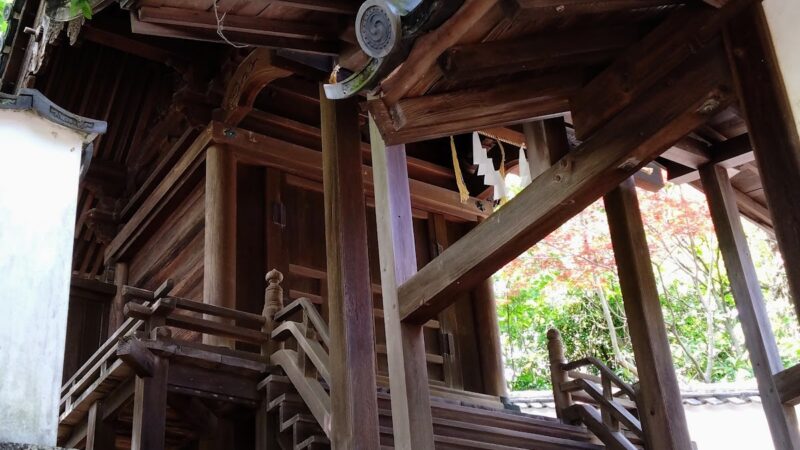
The main hall of Seizan Inari Shrine follows traditional shrine architecture, characterized by its beautiful wooden structure. Daily worship takes place in the worship hall, where one can offer prayers in a solemn atmosphere.
Subsidiary Shrines
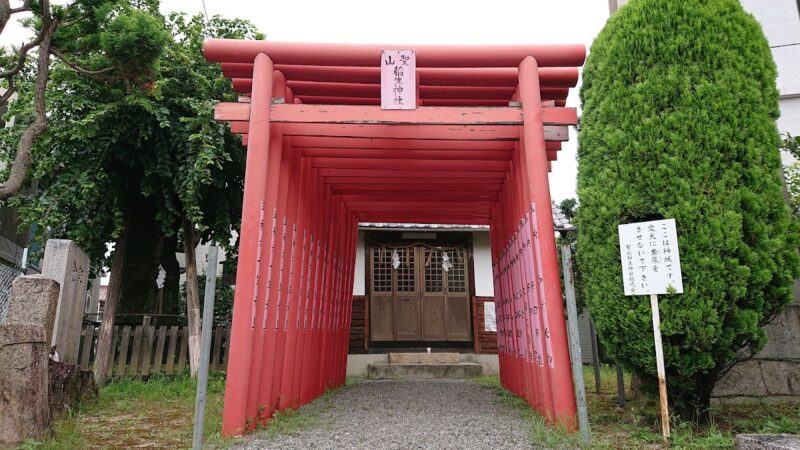
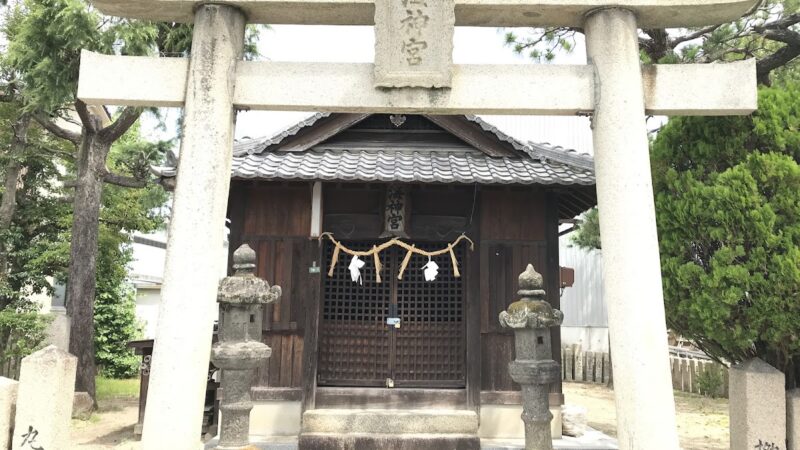
Several subsidiary shrines are enshrined around the main hall. Each enshrines a different deity, attracting worshippers seeking various blessings.
Sacred Tree
Within the shrine grounds stands a sacred tree estimated to be several hundred years old, carefully protected as a testament to the shrine’s history. By offering prayers before the sacred tree, one can feel the power of nature and the protection of the gods.
Stone Monuments and Memorials
Throughout the shrine grounds are stone monuments and memorials commemorating the shrine’s history and local events. Visiting these allows one to learn about the history of the shrine and the surrounding area.
Annual Events and Festivals
At Seizan Inari Shrine, various festivals and events are held throughout the year.
Spring Festival
The Spring Grand Festival is an important festival praying for a bountiful harvest and peace throughout the year. Traditional Shinto rituals praying for a good harvest are performed before the rice planting season.
Summer Festival
In summer, the Summer Purification Ceremony is held, a Shinto ritual to cleanse away the sins and impurities accumulated over the past six months. Traditional events such as passing through a ring of reeds are sometimes held.
Autumn Festival
The Autumn Grand Festival is a festival to express gratitude for the harvest. Many local residents participate, and portable shrines and offerings are sometimes carried out.
Winter Festival
Many worshippers visit for Hatsumode (first shrine visit of the New Year). Also, at the end of the year, the Year-End Great Purification Ceremony is held to cleanse away the sins and impurities of the past year.
Access Information
Location
The shrine is located in Mihara City, Hiroshima Prefecture. For the detailed address, it is recommended to check the latest information before visiting.
Access by Public Transportation
If using JR
- The nearest station is JR Sanyo Main Line “Mihara Station”
- Take a bus or taxi from the station
- Travel time varies depending on traffic conditions
If using the bus
- Route buses operate from in front of Mihara Station
- Access is possible on foot from the nearest bus stop
Access by Car
Using the Sanyo Expressway
- Take local roads from Mihara-Kui IC or Hongō IC
- Enter the shrine name into your car navigation system and search
Parking
- There is parking space on or around the shrine grounds
- Due to expected congestion during festivals, early arrival is recommended
How to Worship and Manners
Basic Worship Etiquette
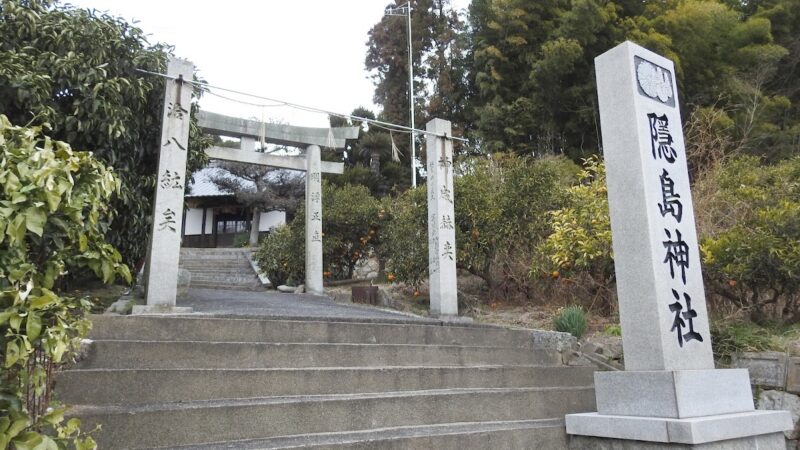
- Bow before passing through the torii gate: As a courtesy before entering the sacred area, bow before the torii gate.
- Purify yourself at the water basin: Purify your hands and mouth before worshiping.
- How to walk along the approach to the shrine: The center of the approach is considered the path of the gods, so please walk along the sides.
- Etiquette at the main hall: Please worship using the two bows, two claps, and one bow ritual.
How to perform the purification ritual
- Take the ladle with your right hand and purify your left hand.
- Switch the ladle to your left hand and purify your right hand.
- Switch the ladle back to your right hand, receive water in your left hand, and rinse your mouth.
- Purify your left hand once more.
- Hold the ladle upright, purify the handle, and return it to its original place.
About offerings
There are no set amounts, but it is important to offer with sincerity. When throwing coins, please do so gently and without rudeness.
Goshuin (shrine stamp) and other items
Goshuin (shrine stamp)
At Seizan Inari Shrine, you can receive a goshuin as proof of your worship. Goshuin are available at the shrine office after your visit. You can bring your own goshuincho (stamp book) or purchase one on-site.
When receiving a goshuin (stamp), please note the following:
- Always complete your prayers before receiving the goshuin.
- Check the shrine office’s opening hours.
- Prepare the offering (be mindful of having the exact amount).
- Use polite language.
Items Offered
The shrine offers a variety of items:
Amulets
- Traffic safety amulet
- Academic success amulet
- Family safety amulet
- Business prosperity amulet
- Protection from evil amulet
Other Items Offered
- Ofuda (amulets)
- Ema (votive tablets)
- Omikuji (fortune slips)
- Hamaya (demon-repelling arrows) (during the New Year period)
Nearby Tourist Attractions
When visiting Seizan Inari Shrine, you can also visit nearby tourist attractions.
Mihara Castle Ruins
Located in the center of Mihara City, Mihara Castle Ruins is a castle built by Kobayakawa Takakage, a warlord of the Sengoku period. Currently, parts of the castle tower base and stone walls remain, allowing visitors to experience history.
Buttsuji Temple
An ancient temple of the Rinzai sect, also known as a famous spot for autumn foliage. The tranquil grounds offer a peaceful retreat.
Fudekageyama and Ryuozan Mountains
A viewpoint offering panoramic views of the Seto Inland Sea’s numerous islands. Hiking trails are also available, allowing visitors to fully enjoy nature.
Mihara Yassa Festival
Held annually in August, this is Mihara City’s largest festival, where spirited dances fill the streets. Combined with a visit to the shrine, it provides an opportunity to experience local culture.
Points to Note When Visiting
Regarding Attire
While there are no specific dress code requirements, please be mindful of the sacred nature of the place and dress cleanly and respectfully. Formal attire is especially desirable for formal worship or prayers.
Photography
Photography is generally permitted on the shrine grounds, but please note the following:
- Do not take photos in areas where photography is prohibited, such as inside the main hall.
- Be considerate of other worshippers.
- Avoid using flash photography.
- Obtain permission before taking photos during Shinto rituals or festivals.
Visiting Hours
Entry to the shrine grounds is generally permitted during the day, but the shrine office has limited hours. If you wish to obtain a Goshuin (shrine stamp) or other items, it is recommended to check the reception hours in advance.
Bringing Pets
Some shrines restrict the presence of pets. Please check in advance or follow the signs on the grounds. Even if pets are allowed, it is important to keep them on a short leash and be considerate of other worshippers.
Connection with the Community
Seizan Inari Shrine has functioned not only as a religious facility but also as a central presence in the local community.
Parishioner Organization
The parishioners’ association, organized by local parishioners, supports the maintenance and management of the shrine and the operation of festivals. Traditions are passed down through intergenerational cooperation.
Collaboration with Local Events
The shrine collaborates with various local events, building cooperative relationships during school events and community gatherings. It also plays a role in life’s milestones, such as children’s Shichi-Go-San (a traditional rite of passage for children) and coming-of-age ceremonies.
Environmental Conservation Activities
Local residents actively participate in cleaning the shrine grounds and preserving the green spaces. This helps maintain a beautiful environment.
The Charm of Seizan Inari Shrine
Tranquil Atmosphere
Away from the hustle and bustle of the city, you can find peace of mind in a quiet environment. It’s a precious place to escape the busyness of daily life and have time to reflect on yourself.
Scenery of the Four Seasons
You can experience the beauty of each season: cherry blossoms and fresh greenery in spring, lush trees in summer, autumn leaves in fall, and the crisp air of winter.
Experiencing Local History
Walking through the shrine grounds allows you to feel firsthand the history, culture, and faith of the local people. Each stone monument and structure within the grounds bears the memory of an era.
Finding Peace of Mind
You can find solace and peace of mind, freed from the stress and anxiety of modern society. The power of the sacred space of the shrine provides healing to many visitors.
Summary
Seizan Inari Shrine is a historic shrine located in Mihara City, Hiroshima Prefecture, and is believed to offer various blessings, including abundant harvests, business prosperity, and family safety. As a shrine deeply rooted in the community, it is carefully preserved by parishioners and devotees, and continues to attract many visitors.
With its tranquil grounds, seasonal beauty, and traditional festivals, Seizan Inari Shrine has many attractions. When visiting Mihara City, be sure to stop by. Through heartfelt worship, you will feel the blessings of the gods and find inner peace.
When visiting the shrine, please observe basic manners and be considerate of other visitors. If you wish to receive a Goshuin (shrine stamp) or other items, we recommend checking the shrine office’s opening hours in advance.
We hope that Seizan Inari Shrine will become a spiritual haven for you, a place that empowers you in various aspects of your life.