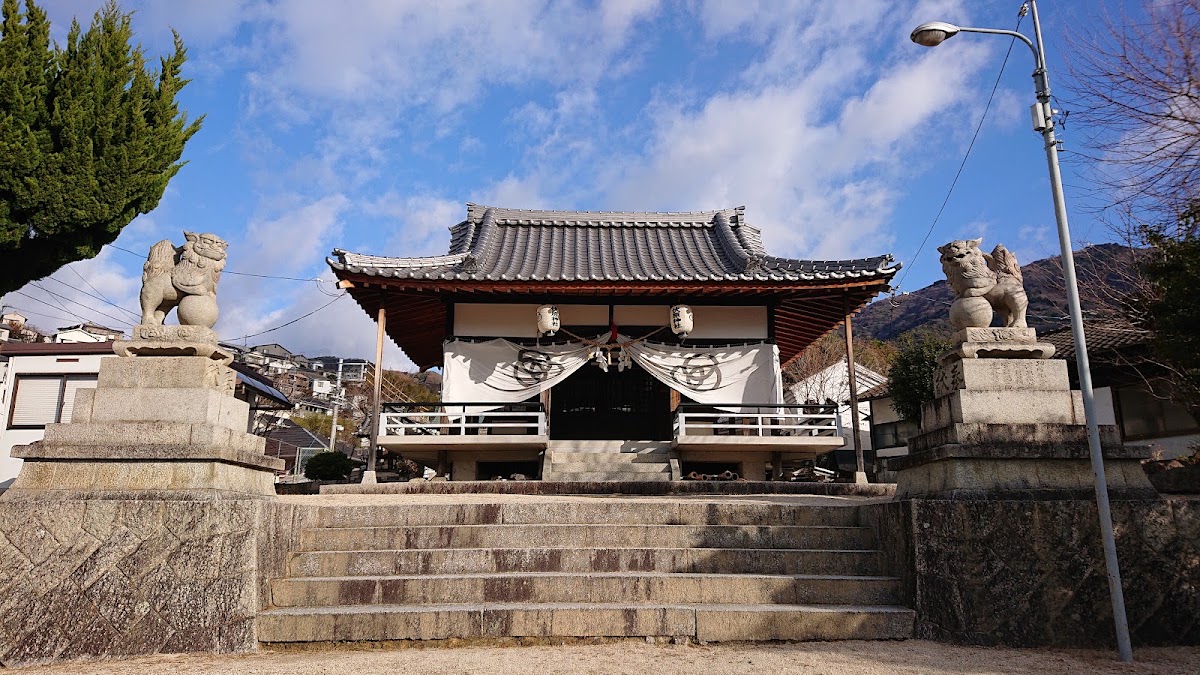
Complete Guide to Fushihara Shrine (Kure City, Hiroshima Prefecture) | History, Deities, Access, and New Year’s Visit Information
Fushihara Shrine, located in Fushihara, Kure City, Hiroshima Prefecture, is a historic shrine that has been cherished by the local community for centuries. Quietly nestled in a residential area of Kure City, this shrine enshrines Susanoo-no-Mikoto as its principal deity and is revered as the guardian deity of the region. This article provides detailed information you should know before visiting, including the history of Fushihara Shrine, its enshrined deities, highlights of the grounds, access methods, and New Year’s visit information.
Basic Information on Fushihara Shrine
Fushihara Shrine is located at 3-5-26 Fushihara, Kure City, Hiroshima Prefecture. It is revered by local residents as the guardian deity of the Fushihara district, located slightly east of the center of Kure City.
Location: 3-5-26 Fushihara, Kure City, Hiroshima Prefecture 737-0077
Main Deity: Susanoo-no-Mikoto
Enshrined Deities: Ōtoshi-no-Kami, Izanagi-no-Mikoto, Izanami-no-Mikoto, Kotoshironushi-no-Kami, Yamato Takeru-no-Mikoto, Sukunabikona-no-Kami, Okutsuhiko-no-Kami, Okutsuhime-no-Kami, Ōyamatsumi-no-Kami (9 deities)
History and Origins of Fushihara Shrine
Unfortunately, the date of Fushihara Shrine’s founding is unknown, and the exact founding date is unclear. However, as a shrine deeply intertwined with the local history, it has watched over the lives of the people of the Fushihara area for many years.
Kure City rapidly developed as a naval port city of the Imperial Japanese Navy after the Meiji era, but it is highly likely that Fushihara Shrine was rooted in the community even before that, and it is thought to have existed as a spiritual anchor for the local residents along with the development of Kure.
While historical records of the shrine are limited, the presence of multiple enshrined deities suggests that it may be a fusion of several local beliefs, or that deities were added over time. This is a common form in Japanese shrines and reflects the changing landscape of the local community.
Enshrined Deities and Benefits
Main Deity: Susanoo-no-Mikoto
The main deity of Fushihara Shrine is Susanoo-no-Mikoto. Susanoo-no-Mikoto holds a significant position in Japanese mythology and is known as the younger brother of Amaterasu-Omikami. He possesses both a fierce and unruly side, as well as a heroic figure who slayed the Yamata no Orochi (eight-headed serpent), and is widely worshipped as a god of protection against misfortune, disaster, and disease.
Main Benefits of Susanoo-no-Mikoto:
- Protection from misfortune and disaster
- Extermination of disease and healing from illness
- Matchmaking
- Abundant harvest
- Business prosperity
Enshrined Deities and Their Benefits
In addition to the main deity, Susanoo-no-Mikoto, nine other deities are enshrined at Fushihara Shrine.
Ōtoshi-no-kami: God of grain, abundant harvests
Izanagi-no-mikoto and Izanami-no-mikoto: Gods of creation, marital harmony, matchmaking, safe childbirth
Kotoshironushi-no-kami: God of oracles, business prosperity, protection of fisheries
Yamato Takeru-no-mikoto: God of martial prowess, good fortune, luck in competitions
Sukunabikona-no-kami: God of medicine and hot springs, healing from illness
Okitsuhiko-no-kami and Okitsuhime-no-kami: Gods of the hearth, safety of the home
Ōyamatsumi-no-kami: Mountain God, Industrial Development
Because these deities are enshrined here, Fushihara Shrine is revered as a shrine that bestows a wide range of blessings, from protection against misfortune and family safety to business prosperity and matchmaking.
Highlights of the Shrine Grounds
Ryobu Torii Gate
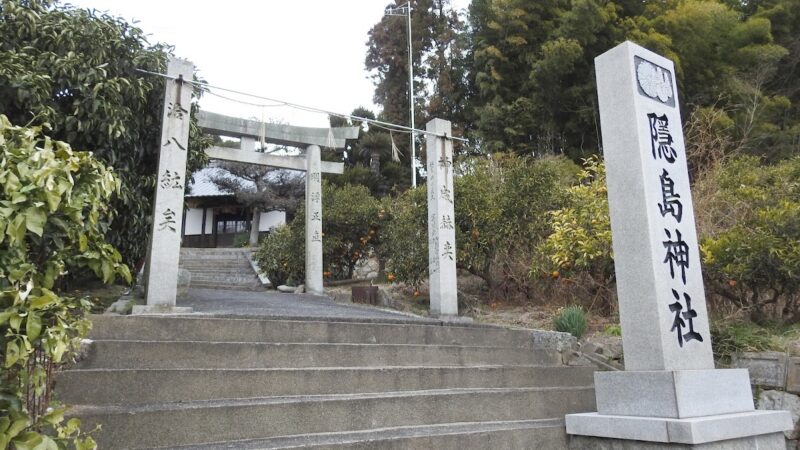
The most noteworthy feature of Fushihara Shrine’s grounds is the Ryobu Torii gate standing at the entrance. The Ryobu Torii is a unique type of torii gate with smaller pillars (supporting pillars) in front of and behind the main pillars, connected by a crossbeam. It is known as a form influenced by the syncretism of Shinto and Buddhism.
Also known as a four-legged torii, the Ryobu Torii gives a more imposing impression than the more common Myojin Torii or Shinmei Torii. This type of torii gate is found only at a limited number of shrines nationwide, making it an important structure that demonstrates the historical value of Fushihara Shrine.
Atmosphere of the Shrine and Grounds
Although Fushihara Shrine is located in a residential area of Kure City, the grounds are enveloped in a tranquil atmosphere. Despite being located in a rapidly urbanizing area, this shrine offers a peaceful space for visitors.
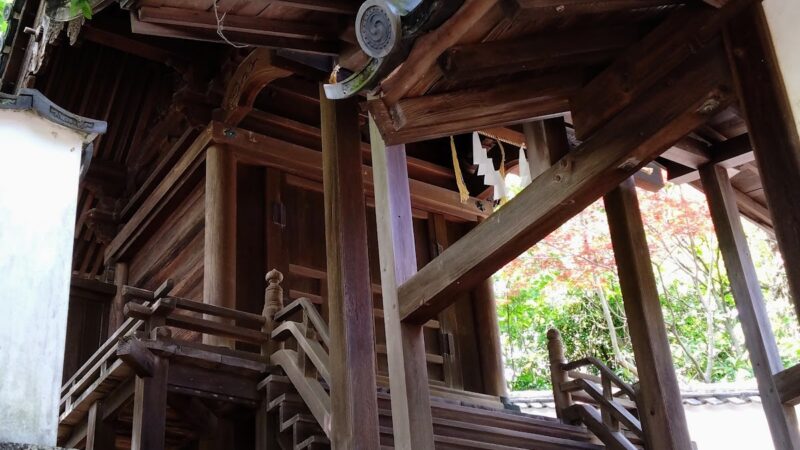
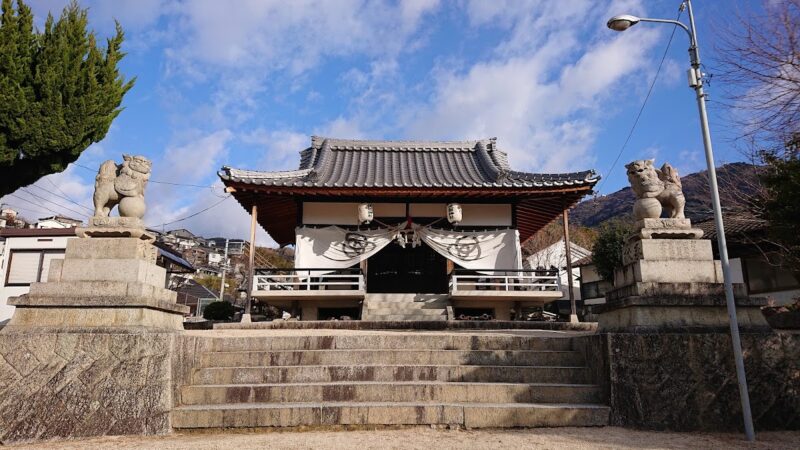
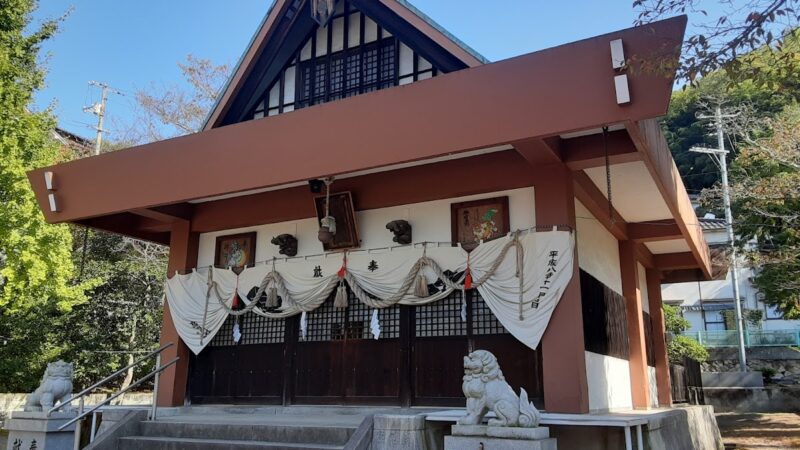
The shrine buildings are of a size typical of a local shrine, meticulously maintained, reflecting the respect and affection the local residents have for the shrine. The grounds are kept clean, ensuring a pleasant environment for worshippers.
Access Information
Here’s how to access Fushihara Shrine.
Access by Train
From JR Kure Line “Kure Station”:
- Approximately 28 minutes on foot (approx. 2.2 km)
- Approximately 10 minutes by taxi
From JR Kure Line “Aki-Aga Station”:
- Approximately 37 minutes on foot (approx. 3.0 km)
- Approximately 10 minutes by taxi
Access by Bus
Using Hiroshima Electric Railway Bus:
- Approximately 4 minutes on foot from the nearest bus stop “Fushihara 2-chome”
- Approximately 3 minutes on foot from the nearest bus stop “Fushihara Higashi” (approx. 237 m)
When using the bus from Kure Station, it is convenient to use the Hiroshima Electric Railway Kure City Line. It is recommended to check the bus schedule and frequency in advance.
Access by Car
It is approximately 10 minutes by car from the center of Kure City. The area around the shrine is a residential area, so some roads are narrow. Please drive carefully. It is recommended to inquire with the shrine office in advance regarding parking availability.
New Year’s Visit Information
Fushihara Shrine, as the local guardian shrine, welcomes many visitors for the New Year’s visit every year.
New Year’s Visit Period and Crowds
Fushihara Shrine sees many visitors for the New Year’s visit from January 1st to 3rd each year. However, compared to large shrines in urban areas, the crowds are milder, allowing for a peaceful New Year’s visit primarily for local residents.
Visiting Hours: Generally, the shrine is open all day, but the shrine office’s operating hours are limited.
Peak Crowds: Around midnight to 2 AM on January 1st, and the morning of New Year’s Day.
Benefits of the New Year’s Visit
For the New Year’s visit, you can pray for protection from evil and disaster through the main deity, Susanoo-no-Mikoto, as well as for good health, family safety, and business prosperity throughout the year. Because many deities are enshrined as auxiliary deities, Fushihara Shrine is characterized by the ability to offer a variety of prayers.
Attire and Etiquette for the First Shrine Visit of the Year
There are no specific rules regarding attire for the first shrine visit of the year, but it is advisable to dress appropriately for a sacred place. Winter in Hiroshima Prefecture is cold, so please take adequate precautions against the cold.
Basic Etiquette for Worship:
- Bow before passing through the torii gate
- Avoid walking in the center of the path
- Cleanse your hands and mouth at the purification fountain
- Perform “two bows, two claps, one bow” in front of the main hall
- Make your wishes quietly in your heart
Annual Events and Festivals
Fushihara Shrine holds various festivals and events throughout the year. For detailed dates and information, we recommend contacting the shrine office directly or checking local bulletin boards.
Typical annual events at Shinto shrines include the following:
January: New Year’s Day Festival, First Shrine Visit of the Year
February: Setsubun Festival
Spring: Spring Grand Festival
Summer: Summer Purification Ceremony
Autumn: Autumn Grand Festival
November: Shichi-Go-San Festival
December: Year-End Purification Ceremony
As the local guardian shrine, it also plays a role in strengthening community bonds through these events.
About Goshuin (Shrine Seals) and Souvenirs
Information about Goshuin and souvenirs at Fushihara Shrine can be found during the shrine office’s opening hours. However, as it is a small shrine, it may not always be possible to provide this service.
Those wishing to receive a Goshuin are advised to check in advance by phone. The same applies to souvenirs such as amulets and talismans.
Nearby Attractions
When visiting Fushihara Shrine, it is recommended to also visit other tourist spots in Kure City. ### Main Tourist Attractions in Kure City
Yamato Museum (Kure Maritime Museum): A museum showcasing Kure’s naval history and shipbuilding technology, centered around the battleship Yamato. The 1/10 scale model of the Yamato is breathtaking.
Tetsu no Kujira Museum (Japan Maritime Self-Defense Force Kure Museum): A rare museum exhibiting the actual submarine “Akishio.” Admission is free.
Kure Central Pier Terminal: A departure and arrival point for ships heading to the islands of the Seto Inland Sea. Enjoy the scenery of Kure Port.
Hill with a View of History: An observation spot offering panoramic views of Kure city and port.
Kure’s Cuisine
Kure City is also known for its unique culinary culture, including Navy Curry and Kure Reimen (cold noodles). Enjoying Kure’s local specialties before or after your visit is highly recommended.
Precautions When Visiting
Here are some important points to keep in mind when visiting Fushihara Shrine.
- Shrine Office Hours: Since staff may not always be present, please check in advance if you wish to obtain a Goshuin (shrine stamp) or other items.
- Parking: Parking spaces may be limited, so using public transportation is recommended.
- Residential Area: The surrounding area is a residential neighborhood, so please be considerate of neighbors regarding noise, etc.
- Photography: Photography is permitted on the shrine grounds, but please be considerate and respectful of other visitors.
- Weather: Be careful as the ground may be slippery in rainy weather.
The Charm of Fushihara Shrine
The greatest charm of Fushihara Shrine lies in its role in conveying the history and traditions of the region in the increasingly urbanized city of Kure. Unlike large-scale tourist shrines, it offers a quiet and peaceful worship experience as a guardian deity that is an integral part of the daily lives of local residents.
The historically valuable Ryobu Torii gate, the history of Susanoo-no-Mikoto as the main deity, and the wide range of blessings bestowed by the nine enshrined deities all speak to the deep history of faith at this shrine.
When visiting Kure City, why not also visit Fushihara Shrine, a place deeply rooted in the local community, in addition to famous tourist attractions such as the Yamato Museum? The tranquil grounds offer a peaceful retreat, and the time spent reflecting on the region’s history will surely become a precious memory of your trip.
Summary
Fushihara Shrine, located in Fushihara, Kure City, Hiroshima Prefecture, is a historic shrine dedicated to Susanoo-no-Mikoto. Along with nine other enshrined deities, it bestows a wide range of blessings, from protection against misfortune to family safety and business prosperity.
While conveniently located within walking distance of Kure Station or accessible by bus, it offers a quiet and peaceful environment for worship. The Ryobu-style torii gate, in particular, is of historical value and a highlight of the shrine grounds.
During the New Year’s visit, you can offer prayers in a calm atmosphere centered around local residents, and various festivals are held throughout the year. Combine your sightseeing in Kure City with a visit to Fushihara Shrine, a place of long-standing local faith, and spend some peaceful time there.
We recommend checking the shrine’s detailed information and the latest event schedule before your visit. We hope your visit will be fruitful in the warm, community-oriented atmosphere.