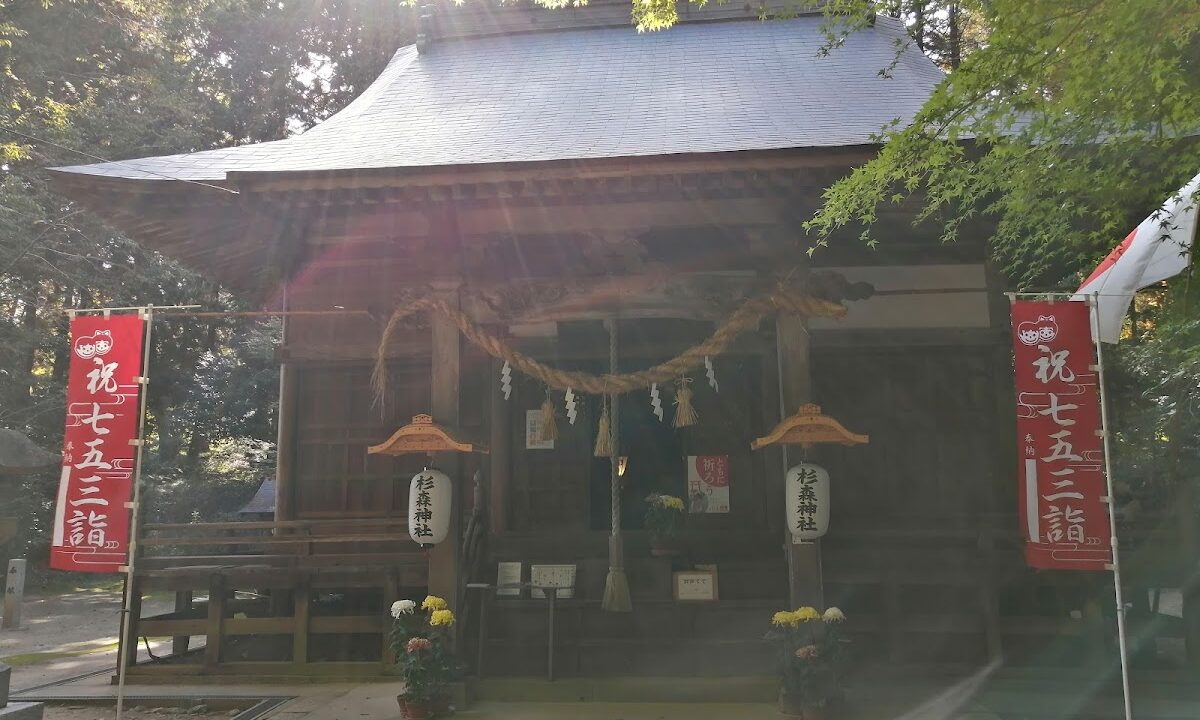
Moridoe Shrine (Kure City, Hiroshima Prefecture) Complete Guide | A Thorough Explanation of Monden-san’s Festival and History
Moridoe Shrine, located in the Kegoya district of Kure City, Hiroshima Prefecture, is a shrine affectionately known as “Monden-san” by local residents. Also written as Morizoe Shrine, this shrine is known as an important place that preserves Kure City’s traditional festival culture. This article provides a detailed explanation of Moridoe Shrine’s history, its distinctive autumn festival, access methods, and its deep connection to the community.
Basic Information and Location of Moridoe Shrine
Location and Official Name
Moridoe Shrine is located at 5-7-28 Matoba, Kure City, Hiroshima Prefecture. While there are multiple spellings for this shrine, both “Moridoe Shrine” and “Morisoe Shrine” are used, “Monden-san” is the most familiar name to locals.
The Matoba district is located in the Kegoya area of Kure City and has long played a central role in the local community. The area surrounding the shrine is a residential area, and it is revered as the guardian deity closely connected to the lives of the local residents.
Historical Background of the Shrine
While detailed records of the founding and history of Moridoe Shrine are limited, it is undoubtedly a shrine that has walked hand in hand with the history of the Kegoya district. Kure City developed as a naval arsenal town after the Meiji era, but a settlement had already formed in the Kegoya district before that, and Moridoe Shrine has watched over the area as its spiritual pillar.
There are various theories about the origin of the nickname “Monden-san,” but it is thought to be a variation of the on’yomi (Sino-Japanese reading) of “Moridoe.” The fact that such a friendly nickname has become established is evidence that the shrine is deeply rooted in the daily lives of the local residents.
How to Access Moridoe Shrine
Nearest Station and Rail Access
The nearest station to Moridoe Shrine is Kure Station on the JR Kure Line. From Kure Station to the shrine is approximately a 48-minute walk, a distance of about 3.8 km. Since walking to the shrine takes a considerable amount of time, using the bus is recommended.
Also, it takes approximately 52 minutes (about 4.2 km) to walk from Kawaraishi Station on the JR Kure Line, which also takes time. If using the train, the most efficient route is to transfer to a bus from Kure Station.
Convenient Access by Bus
The most convenient way to access Moridoe Shrine is by using Hiroshima Electric Railway buses. The main bus stops and travel times are as follows:
Approximately 5 minutes on foot (approx. 362m) from the Kegoya 5-chome bus stop
- Kure-Kurahashi Island Line (via National Hospital)
- Kure-Kurahashi Island Line (via Hatami)
- Kure-Kurahashi Island Line (via Tahara)
Approximately 5 minutes on foot (approx. 332m) from the Kure-Shin Kegoya Branch bus stop
- Kure-Kurahashi Island Line (via National Hospital)
- Kure-Kurahashi Island Line (via Hatami)
- Kure-Kurahashi Island Line (via Tahara)
Since the shrine is accessible in about 5 minutes on foot from either bus stop, it’s best to check the timetable and choose the most convenient route. Taking the bus from Kure Station is an efficient way to reach the shrine.
Access by Car and Parking
When accessing by car, the most common route is from National Route 487 towards the Matoba area. Searching for “Mori-Doe Shrine” or the address “5-7-28 Matoba, Kure City, Hiroshima Prefecture” on your car navigation system or smartphone map app will provide accurate route guidance.
Regarding parking, outside of festival periods, there may be limited space around the shrine, so using public transportation is recommended. Especially during events such as the autumn festival, traffic congestion is expected on surrounding roads, so please aim to arrive early.
Moridoe Shrine Autumn Festival | The “Yabu” Tradition
Characteristics of the “Monden-san” Festival
The biggest highlight of Moridoe Shrine is the autumn festival held every fall. This festival is affectionately known locally as the “Monden-san Festival” and is an important annual event in the Kegoya district.
The autumn festival is held on limited dates; on these days, Moridoe Shrine is the only place in the Kegoya district where a festival takes place. Because it is held in only one location, worshippers and spectators can enjoy the festival atmosphere at their leisure without worrying about the time.
What is “Yabu”?
A particularly noteworthy aspect of the Moridoe Shrine autumn festival is the traditional festival event called “Yabu.” “Yabu” is a folk art unique to the festival culture of Kure City, involving the tradition of carrying elaborately decorated structures resembling floats through the streets.
The Moridoe Shrine festival, in particular, is known for the large number of “Neguro” type yabu. Neguro are a type of yabu originating from the Nishi Ward, and while their precise definition is debated even among experts, they possess distinctive decorations and structures that are easily recognizable even to the untrained eye.
Many first-time visitors to the Moridoe Shrine festival are said to be surprised by the sheer number of Neguro. Some sources suggest that nearly ten yabu appear, and all of them appear to be Neguro, highlighting the prevalence of this type of yabu at the shrine’s festival.
Festival Highlights and Participants
At the autumn festival in 2025 (Reiwa 7), the young children carrying the bales and the large number of first-time participants garnered attention. Despite the inexperience of many participants, the energy and enthusiasm were greater than in previous years, described as “seriously energetic.”
Witnessing the transmission of traditions across generations is a major attraction of the Moridoe Shrine Autumn Festival. The active participation of younger generations confirms the reliable continuation of traditional culture.
Kure’s Festival Culture and the Past and Present of “Yabu”
“Yabu” is an indispensable element of Kure City’s festival culture. The Moridoe Shrine Festival provides a valuable opportunity to pass on this traditional folk art to the modern age.
The form and decoration of “Yabu” vary depending on the region and shrine, each possessing its own unique characteristics. Moridoe Shrine’s Yabu are particularly characterized by their prevalence of the Aegyo style, which may suggest a historical connection between the Kegoya district and the Nishi Ward.
In recent years, maintaining traditional festivals has become a nationwide challenge, but the Moridoe Shrine Autumn Festival attracts many young participants every year, resulting in a vibrant festival. This speaks to the strong bonds of the local community and the high level of awareness regarding the importance of tradition.
Moridoe Shrine Grounds and Surrounding Environment
Appearance of the Shrine Grounds
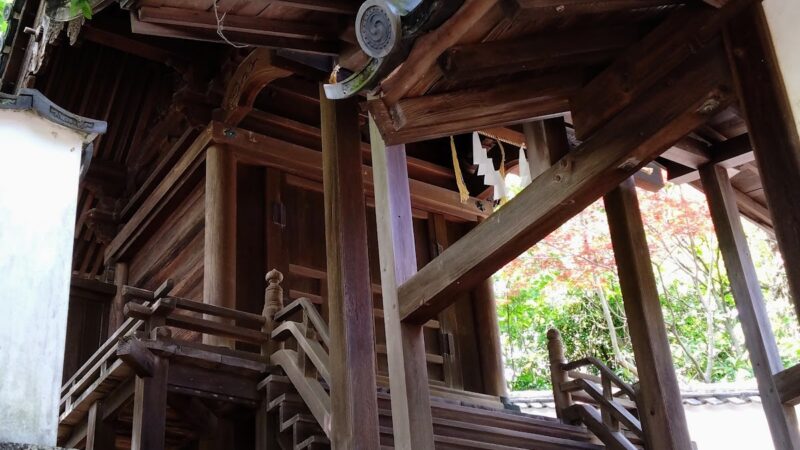
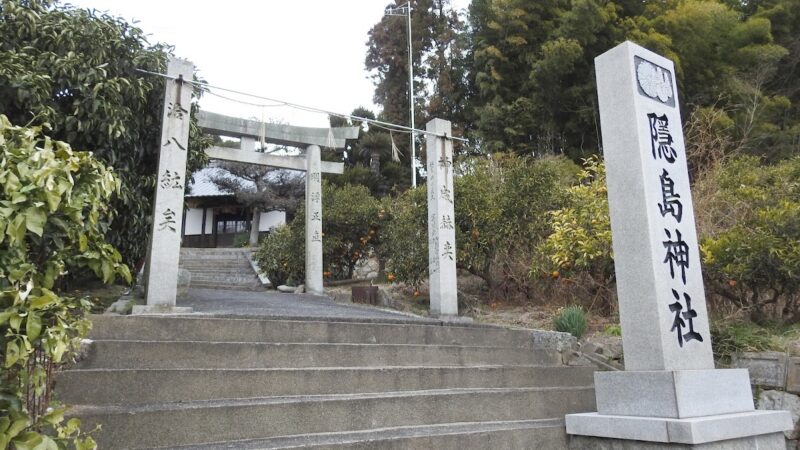
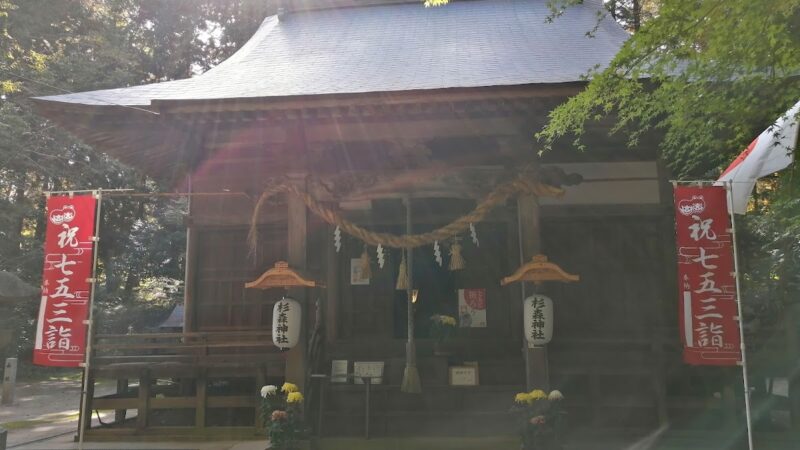
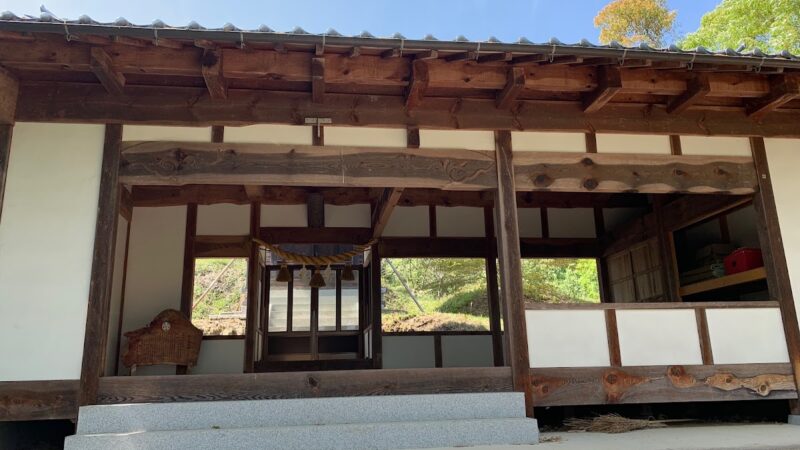
The grounds of Moridoe Shrine are well-maintained as a typical community-oriented shrine. Despite being located in the residential area of Matoba 5-chome, the grounds maintain a tranquil atmosphere, providing a space for worship away from the hustle and bustle of everyday life.
While the grounds are smaller compared to larger shrines, they are equipped with the necessary facilities for a local guardian shrine and function as a gathering place for local residents for daily worship and festivals.
History and Culture of the Kegoya District
The Kegoya district is one of the historically significant areas in Kure City. The place name “Kegoya” is thought to originate from the fact that this area once played a role in security and defense.
Even before Kure City as a whole developed as a naval arsenal town, a settlement existed in the Kegoya district, where people lived a life centered on agriculture and fishing. Moridoe Shrine has watched over the history of this region and remains a spiritual anchor for local residents. ### Nearby Attractions and Facilities
Around Moritoe Shrine, there are numerous spots where you can experience the history and culture of Kure City. The Kegoya district itself retains its old townscape, allowing you to enjoy the local atmosphere simply by strolling around.
Furthermore, if you venture to the center of Kure City, you’ll find many unique Kure tourist attractions such as the Yamato Museum (Kure Maritime Museum) and the Iron Whale Museum (Japan Maritime Self-Defense Force Kure Museum). Planning a trip to delve deeper into the history and culture of Kure City, in conjunction with a visit to Moritoe Shrine, would be a good idea.
Manners and Precautions for Visiting Shrines
Basic Manners for Visiting Shrines
When visiting Moritoe Shrine, please observe general shrine visiting manners. Bow before passing through the torii gate, purify your hands and mouth at the water basin (if available), and then proceed to the main hall.
The basic method of worship is “two bows, two claps, one bow.” First, bow deeply twice, then clap your hands twice, and finally bow deeply once more. If you have a wish, after clapping your hands, quietly offer your prayer in your heart.
Visiting During Festivals
When visiting during festivals such as the Autumn Festival, please understand that it is a local event and be considerate so as not to disturb the local residents. When taking photographs, please be polite and ask permission from participants and those involved.
Festival dates may vary from year to year, so it is recommended to check local information and Kure City’s tourist information in advance. Also, since surrounding roads are expected to be congested during festivals, the use of public transportation is recommended.
Consideration for the Community
Moritsuchi Shrine is located in a residential area, so when visiting, please be considerate of nearby residents by avoiding noise, illegal parking, etc. In particular, please refrain from visiting early in the morning or late at night, and visit during reasonable hours.
It is also important to take your trash with you and keep the shrine grounds clean. As a visitor to a shrine beloved by the community, please be mindful of your actions and act with respect.
The Shrine Culture of Kure City and the Role of Moridoe Shrine
The Shrine Network in Kure City
Kure City, Hiroshima Prefecture, has numerous shrines, each functioning as a center of its local community. The Hiroshima Prefectural Shrine Association registers over 2,400 shrines within the prefecture, and Kure City is part of this network.
Moridoe Shrine plays a crucial role within this Kure City shrine network as the tutelary shrine of the Kegoya district. Although not large in scale, it remains deeply involved in the daily lives of residents as a community-oriented shrine.
Relationship with Usa Shrine
The Negro-style yabu (a type of festival float) that appears at Moridoe Shrine’s autumn festival is believed to be related to the festival of Usa Shrine in Nishi Ward. Usa Shrine is one of Kure City’s representative large-scale shrines, and its festival culture is thought to influence the surrounding areas.
Thus, Moridoe Shrine does not exist in isolation, but rather plays a unique role within the overall shrine culture and festival network of Kure City.
Role as the Core of the Local Community
In modern society, the weakening of local communities is a problem, but community-oriented shrines like Moridoe Shrine play a vital role in connecting residents.
The autumn festival, in particular, serves as a place for intergenerational exchange, providing a valuable opportunity for younger generations to learn traditions and for older generations to pass on their experiences. Such events strengthen community bonds and enhance the sustainability of the community.
Significance of Visiting Moridoe Shrine
A Place to Experience Local History
Visiting Moridoe Shrine offers a valuable opportunity to experience the history of the Kegoya district and Kure City. The shrine’s greatest appeal lies in the opportunity to experience a form of faith rooted in the local community, something not found in large-scale tourist shrines.
Even the affectionate nickname “Monden-san” reflects the deep connection between the local residents and the shrine. This close relationship has been cultivated over many years and is carefully preserved even today.
Witnessing the Passing Down of Traditional Culture
Traditional festival culture, exemplified by the “Yabu” dance of the autumn festival, is being faithfully passed down to the next generation at Moridoe Shrine. The sight of young participants enthusiastically engaging in the festival inspires hope for the future of Japanese traditional culture.
Visiting on festival days allows you to witness firsthand how tradition is being passed down in a living form. This will provide a profound sense of awe and learning that mere sightseeing cannot offer.
A Time for Quiet Worship
Visiting outside of festival times allows you to worship in a peaceful setting. Taking time away from the hustle and bustle of everyday life and reflecting on yourself is a valuable experience for modern people.
Moridoe Shrine, long revered as the local guardian shrine, possesses a calm and warm atmosphere. Because it is a simple shrine that hasn’t been commercialized for tourism, you can rediscover the true meaning of visiting a shrine.
Summary | Rediscovering the Charm of Moritoe Shrine
Moritoe Shrine (Moritsoe Shrine), located in Kure City, Hiroshima Prefecture, is a shrine affectionately known as “Monden-san” by local residents. It’s easily accessible, just a 5-minute walk from the Kegoya 5-chome bus stop and the Kure Shinkin Kegoya Branch bus stop.
The main attraction is the autumn festival, featuring traditional festival rituals called “Yabu.” A notable feature is the large number of Afro-style Yabu, offering a valuable opportunity to witness Kure’s festival culture. The active participation of younger generations and the clear continuation of tradition deeply impress visitors.
Unlike large-scale tourist shrines, Moritoe Shrine’s greatest charm lies in its opportunity to experience a simple, community-based form of faith. When visiting Kure City, be sure to visit “Monden-san” and experience the region’s history, culture, and the warm bonds of its people.
Using a free map app, even first-time visitors can easily find their way there. Enjoy a peaceful and serene visit to Moritsuchi Shrine, nestled in the quiet residential area of the Kegoya district.