Complete Guide to Koura Hachimangu Shrine (Hiroshima Prefecture) | History, Deities, Access, and Benefits Explained in Detail
Koura Hachimangu Shrine, located in Hiroshima Prefecture, is a historic shrine that has been cherished by the local community for centuries. This article comprehensively introduces all the information you need to know before visiting, including the historical background, enshrined deities, benefits, highlights within the shrine grounds, and detailed access information.
What is Koura Hachimangu Shrine?
Koura Hachimangu Shrine is a Hachiman shrine located in Hiroshima Prefecture. There are said to be approximately 44,000 Hachiman shrines nationwide, making it one of the most numerous types of shrines in Japan. Koura Hachimangu Shrine is one such shrine, and has long been revered as a guardian deity of the region.
Hachiman shrines enshrine Emperor Ojin, known as a god of war, as their main deity, and have been believed since ancient times to offer benefits such as military success, protection from evil, and family safety. Similarly, Koura Hachimangu Shrine has a history of receiving various wishes from local residents, serving as a spiritual anchor for them.
History of Koura Hachimangu Shrine
Origin of Founding
The founding date of Koura Hachimangu Shrine is based on local traditions and records. Like many Hachimangu shrines, this shrine was worshipped and protected by influential local figures and feudal lords from the medieval to early modern periods.
Hachiman worship spread throughout Japan from the Heian period onward as the guardian deity of samurai families. In particular, the Minamoto clan revered Hachiman as their tutelary deity, leading to a widespread expansion of worship among the samurai class. Numerous Hachimangu shrines were built in Hiroshima Prefecture, and it is believed that Koura Hachimangu Shrine became rooted in the community within this trend.
Connection with the Community
Koura Hachimangu Shrine has functioned as a central presence in the local community. Festivals and religious ceremonies held throughout the year have been important opportunities for local residents to gather and have provided a place for intergenerational exchange.
The autumn grand festival, in particular, is the largest event in the region, attracting many worshippers and featuring traditional religious ceremonies and offerings. Through these festivals, local culture and traditions are passed down to future generations.
Deities and Benefits
Main Deities
The main deities enshrined at Koura Hachimangu Shrine are believed to be the same as those of other Hachimangu shrines:
Emperor Ojin
The 15th Emperor, and a central deity revered as Hachiman-sama. Known as the god of military fortune and victory.
Empress Jingu
Emperor Ojin’s mother, worshipped as the goddess of safe childbirth and child-rearing.
Himegami
A goddess associated with the Munakata Three Goddesses, and considered the goddess of maritime safety and traffic safety.
Main Benefits
The main benefits you can pray for at Koura Hachimangu Shrine are as follows:
Long-lasting Military Fortune and Good Luck in Competitions
As a manifestation of Hachiman’s original divine virtues, you can pray for success in competitions, exams, sports, and other endeavors.
Protection from Misfortune and Good Fortune
It is believed to ward off misfortune and improve one’s luck.
Family Safety and Business Prosperity
Many visitors come to pray for the health and safety of their families and the prosperity of their businesses.
Safe Childbirth and Child-rearing
Due to the divine virtues of Empress Jingu, prayers for safe childbirth and the healthy growth of children are also offered.
Traffic Safety
In modern times, car blessings and prayers for traffic safety are also accepted.
Highlights of the Shrine Grounds
Main Hall and Worship Hall
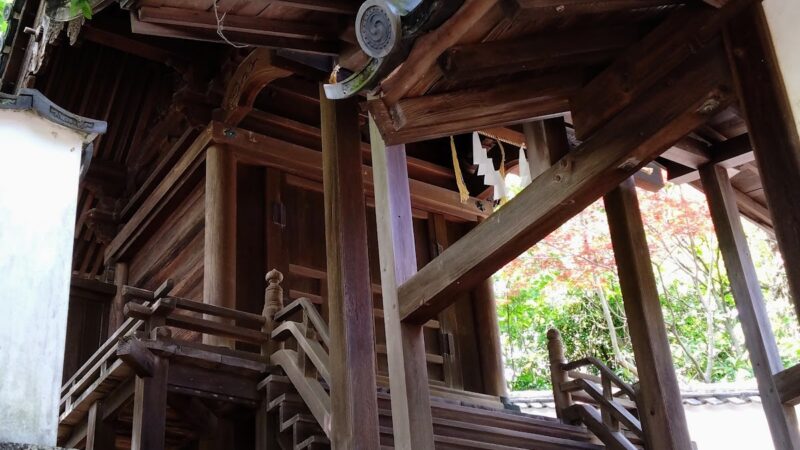
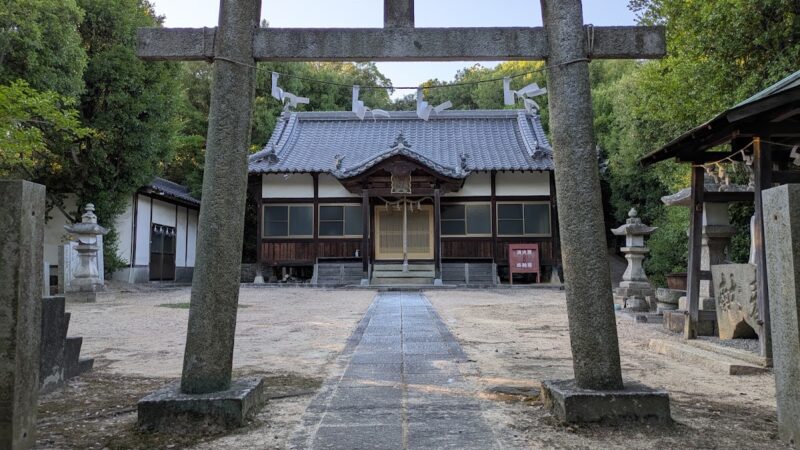
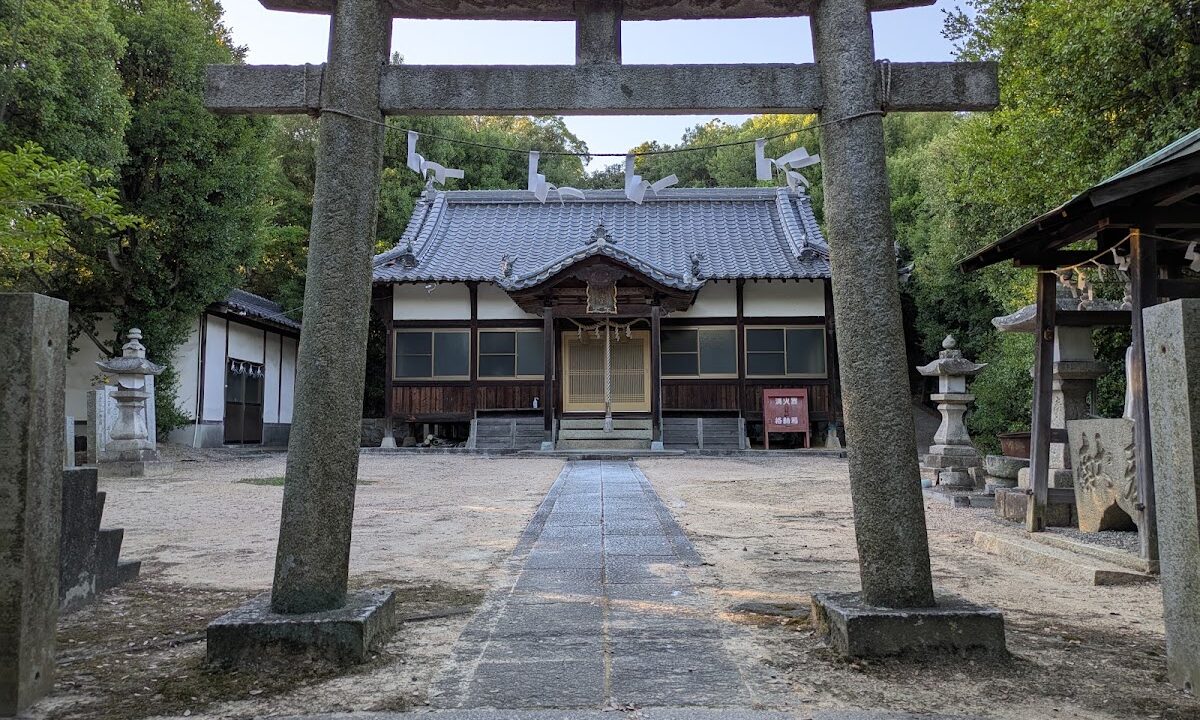
The main hall and worship hall of Koura Hachimangu Shrine preserve the traditional style of shrine architecture. Worshippers perform the ritual of two bows, two claps, and one bow at the worship hall. The main sanctuary houses the deity and is a sacred space accessible only to Shinto priests.
Torii Gate and Approach
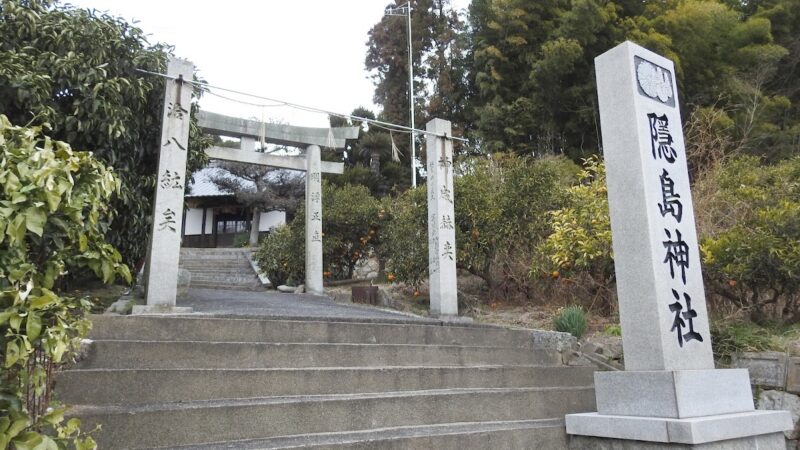
A torii gate stands at the entrance to the shrine, and a path leads from there to the main sanctuary. Passing through the torii gate marks the boundary between the secular world and the sacred realm, purifying the mind and preparing for worship.
Komainu (Guardian Dogs)
A pair of komainu are placed within the shrine grounds, guarding the sacred area. The right-hand komainu has its mouth open (“A-gyo”), while the left-hand komainu has its mouth closed (“Un-gyo”), representing the Buddhist concept of “A-un” (open and closed mouth).
Chozuya (Water Basin)
A chozuya (water basin) is located along the approach, where worshippers can purify their hands and mouths before worship. It is recommended to purify oneself according to the correct etiquette before worship.
Shrines within the Precincts and Subsidiary Shrines
Around the main shrine building, there are sometimes smaller shrines dedicated to other deities. These small shrines are also believed to offer specific blessings and attract the faith of worshippers.
Sacred Trees and Nature
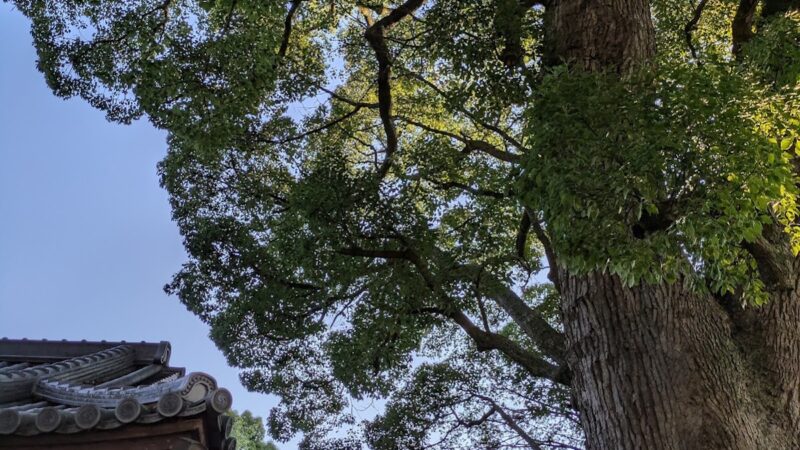
Shrines with long histories sometimes have sacred trees or ancient trees hundreds of years old. These trees are believed to possess special spiritual power, having watched over the history of the shrine.
Annual Events and Festivals
Grand Festival
The most important festival at Koura Hachimangu Shrine is the Grand Festival held every autumn. This festival features a procession of portable shrines, the dedication of Kagura (sacred dance and music), and performances of local traditional arts, attracting many worshippers and local residents.
New Year’s Visit
At the start of the new year, worshippers visit for their first shrine visit of the year. This is an important event to pray for safety and prosperity throughout the year and to report the start of the new year to the gods.
Setsubun Festival
During Setsubun in February, events such as bean-throwing are sometimes held. With the chant of “Oni wa soto, Fuku wa uchi” (Out with the demons, in with good fortune), evil spirits are driven away and good fortune is invited in.
Nagoshi no Harae (Summer Purification Ritual)
At the end of June, the Nagoshi no Harae ritual is held to purify oneself of the impurities accumulated over the past six months. Passing through a ring of reeds (Chino-wa) is a prayer for good health and protection from illness for the remaining half of the year.
Shichi-Go-San (Seven-Five-Three Festival)
In November, Shichi-Go-San visits are held to celebrate the growth of children aged 3, 5, and 7. Thanks are given to the gods for the children’s healthy growth, and prayers are offered for their continued protection.
Etiquette and Manners for Visiting Shrines
Basic Etiquette for Visiting Shrines
Knowing the correct etiquette for visiting shrines allows for a more heartfelt visit.
1. Bowing at the Torii Gate
Before passing through the torii gate, stop briefly, bow slightly, and then enter the shrine grounds.
2. How to Walk Along the Path
The center of the path is considered the path of the gods, so it is polite to walk along the sides.
3. Proper Ritual for Washing Hands
- Take the ladle with your right hand and wash your left hand.
- Switch the ladle to your left hand and wash your right hand.
- Switch the ladle back to your right hand, receive water in your left hand, and rinse your mouth.
- Wash your left hand once more.
- Hold the ladle upright, wash the handle, and return it to its original position.
4. Worship at the Main Hall
- Quietly place your offering in the offering box.
- Ring the bell if there is one.
- Bow twice (bowing deeply twice).
- Clap your hands twice.
- Bow once (bowing deeply once).
Manners During Worship
- Behave quietly within the temple grounds.
- Take photographs only in designated areas.
- Be mindful of areas where photography is prohibited, such as inside the main hall.
- Refrain from bringing pets, or check in advance.
- Eat and drink only in designated areas within the temple grounds.
Access Information
Location
The exact location of Koura Hachimangu Shrine is within a specific city or town in Hiroshima Prefecture. We recommend checking the latest information before your visit.
Access by Car
If using the expressway:
Access is via local roads from the nearest interchange. Please enter the shrine name or address into your car navigation system.
Parking:
Parking for visitors may be available on the shrine grounds or nearby. During festivals and other events, congestion is expected, so we recommend visiting with ample time.
Access by Public Transportation
Nearest Station:
Access is possible by bus or taxi from the nearest station, such as the JR Sanyo Main Line.
Bus:
Access may be possible on foot from the nearest bus stop. Checking the bus timetable in advance is recommended.
Walking/Cycling:
Many local residents visit on foot or by bicycle.
Points to Note When Visiting
- Visiting during the daytime is generally recommended.
- Traffic restrictions may be in place during festivals.
- Please be careful as the ground may be slippery depending on the weather.
- Take proper precautions against the cold during winter.
Nearby Tourist Attractions
When visiting Koura Hachimangu Shrine, you can enjoy a more fulfilling Hiroshima sightseeing experience by also visiting nearby tourist attractions.
Historical Buildings
Hiroshima Prefecture has many important historical buildings, such as the Atomic Bomb Dome, Itsukushima Shrine (a World Heritage Site), and Hiroshima Castle.
Natural Scenery
Hiroshima Prefecture is blessed with abundant nature, including the beautiful scenery of the Seto Inland Sea, the nature of Miyajima Island, and the beauty of valleys such as Taishakukyo Gorge.
Gourmet Food
You can also enjoy Hiroshima’s unique cuisine, such as Hiroshima-style okonomiyaki, oyster dishes, and Onomichi ramen.
About Goshuin (Shrine Seals)
Issuance of Goshuin
Koura Hachimangu Shrine may also issue goshuin as proof of your visit. A Goshuin (temple/shrine stamp) is a memento of your visit and has a religious significance, distinct from a stamp rally.
Manners for Receiving a Goshuin
- Always pray before receiving a Goshuin.
- Prepare a Goshuincho (a notebook or piece of paper for recording).
- Prepare a donation (around 300-500 yen).
- Remember to express your gratitude to the Shinto priest.
- Understand that it may take time during busy periods.
Goshuincho
Some shrines offer their own original Goshuincho. The designs vary by shrine and make for a memorable keepsake.
Amulets and Items Offered
Various Amulets
Koura Hachimangu Shrine offers amulets for various purposes:
- Exorcism Amulet: For those in their unlucky year or those seeking protection from misfortune
- Traffic Safety Amulet: For drivers and those seeking safety during their commute to work or school
- Academic Success Amulet: For students taking exams or those aiming for academic improvement
- Health Amulet: For those wishing for good health and longevity
- Safe Childbirth Amulet: For pregnant women or those wishing for a safe childbirth
- Family Safety Amulet: For those wishing for peace and well-being for their family
Ema (Votive Tablets)
Ema (votive tablets) are also available for offering, where you can write your wishes. You can offer them with various wishes, such as success in exams, finding a good partner, or family safety.
Ofuda (Shinto Talismans)
Ofuda (sacred talismans) for enshrining in your home’s Shinto altar are also available. Even if you don’t have a Shinto altar, you can respectfully enshrine them in a clean place.
About Prayers and Supplications
Various Prayers
Koura Hachimangu Shrine may accept prayers from individuals and groups:
- Exorcism Prayer: Exorcism for those in their unlucky year
- Family Safety Prayer: Health and safety for the family
- Business Prosperity Prayer: Development and prosperity of the business
- Traffic Safety Prayer: Blessing of the car, etc.
- Safe Childbirth Prayer: On the Day of the Dog in the 5th month of pregnancy
- First Shrine Visit: Reporting the birth of the baby
- Shichi-Go-San Prayer: Expressing gratitude for the child’s growth
How to Apply for Prayers
If you wish to have a prayer, it is recommended that you contact the shrine in advance to make a reservation. Same-day registration may be possible, but it is necessary to check as there may be days when the shrine is unable to accommodate requests due to festivals, etc.
The Charm of Koura Hachimangu Shrine
A Faith Rooted in the Community
The greatest charm of Koura Hachimangu Shrine is that it is a place of faith deeply connected to the local community. Unlike large, touristy shrines, these shrines are imbued with the daily faith and prayers of the local people.
A Serene Atmosphere
Located away from the hustle and bustle of urban areas, these shrines offer a quiet and peaceful atmosphere for worship. The time spent calmly connecting with the deities is a valuable experience for modern people.
The Inheritance of History and Tradition
Festivals and rituals preserved throughout a long history are passed down to future generations as regional cultural heritage. Experiencing these traditions allows you to feel the spiritual culture of Japan.
Best Season for Visiting
Spring (March-May)
During cherry blossom season, the shrine grounds are beautifully in bloom, and in the season of fresh greenery, you can worship in refreshing air. The weather is mild, making it an ideal time for worship.
Summer (June-August)
Shinto rituals such as the Natsukoshi no Harae (summer purification ceremony) are held. The lush green grounds offer a cool respite from the summer heat.
Autumn (September-November)
This is the busiest season, coinciding with the annual festival. Many families visit for Shichi-Go-San (a traditional Japanese rite of passage for children), and the autumn foliage is particularly beautiful.
Winter (December-February)
Events such as Hatsumode (first shrine visit of the year) and Setsubun (bean-throwing festival) are held. A quiet and solemn atmosphere allows for prayers for the new year.
Summary
Koura Hachimangu Shrine, located in Hiroshima Prefecture, is a historic Hachimangu shrine that has long been revered by the local community. It offers various blessings, including military success, protection from evil, and family safety, attracting many visitors throughout the year.
The shrine grounds feature traditional shrine architecture, including the main hall and worship hall, providing a tranquil atmosphere for peaceful worship. Annual events, including the annual festival, are carefully preserved as part of the local culture.
When visiting, please observe proper etiquette and manners, and show respect to the deities. Shrine stamps and amulets are popular souvenirs of the visit.
When you visit Hiroshima, be sure to stop by Koura Hachimangu Shrine and experience the traditional Japanese faith and culture rooted in the local community. A heartfelt visit will surely become a cherished memory.