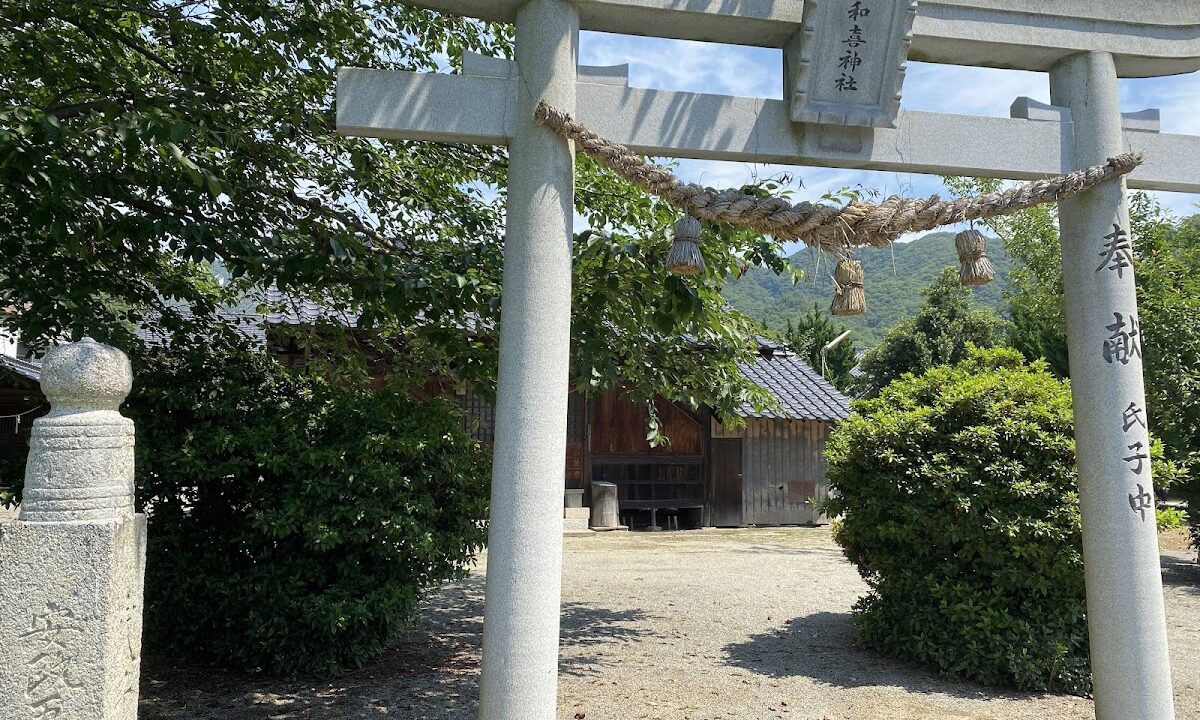
Complete Guide to Kuwaki Shrine (Mihara City, Hiroshima Prefecture) | History, Access, and Goshuin Information
Kuwaki Shrine, located in Kōzaki-chō, Mihara City, Hiroshima Prefecture, is a historical shrine deeply rooted in the community. Situated in the tranquil environment of Kōzaki-chō, facing the Seto Inland Sea, this shrine continues to attract the faith of local people. This article provides detailed information you should know before visiting Kuwaki Shrine, including its history, enshrined deities, visiting information, and access methods.
Basic Information about Kuwaki Shrine
Kuwaki Shrine is located in Kuwaki, Kōzaki-chō, Mihara City, Hiroshima Prefecture, and is one of the shrines belonging to the Hiroshima Prefectural Shrine Association. Among the approximately 80,000 shrines nationwide, it plays an important role as a local guardian deity.
Location: Kuwaki, Kōzaki-chō, Mihara City, Hiroshima Prefecture
Nearest Station: JR Kure Line, Sunami Station
Jurisdiction: Hiroshima Prefectural Shrine Association
Mihara City is located in the central part of Hiroshima Prefecture and has flourished since ancient times as a key point for maritime transportation. Kōzaki-chō is located on a peninsula jutting out into the Seto Inland Sea and has a history of development centered on fishing.
History and Origins of Kuwaki Shrine
While there are some unclear records regarding the founding date of Kuwaki Shrine, it is a shrine that has developed in close connection with the local history of Kōzaki-chō. Before the Meiji Restoration, Hiroshima Prefecture was divided into Aki Province and Bingo Province, and Mihara City belonged to Aki Province.
The area around Kōzaki-chō has flourished since ancient times due to maritime transport in the Seto Inland Sea, and has attracted the faith of people involved in fishing and maritime transportation. The place name Kuwaki itself tells the history of this region, and it is thought that the shrine has functioned as a central place of worship.
There are approximately 2,400 shrines in Hiroshima Prefecture, managed by the Hiroshima Prefectural Shrine Association through 24 branches. Kuwaki Shrine is one of them, serving as a spiritual pillar for the local community.
Deities and Divine Virtues
The deities enshrined at Kuwaki Shrine are believed to be the local tutelary deities, but detailed information is best confirmed on-site. Generally, shrines along the Seto Inland Sea tend to enshrine sea gods who pray for safe voyages and abundant catches, or gods involved in the development of the region.
Many shrines in Hiroshima Prefecture were influenced by Itsukushima Shrine, which was worshipped by Taira no Kiyomori at the end of the Heian period, and a belief in maritime traffic and commercial prosperity is deeply rooted. Kuwaki Shrine can be said to play a part in this Hiroshima Prefecture shrine culture.
Highlights and Atmosphere of the Shrine Grounds
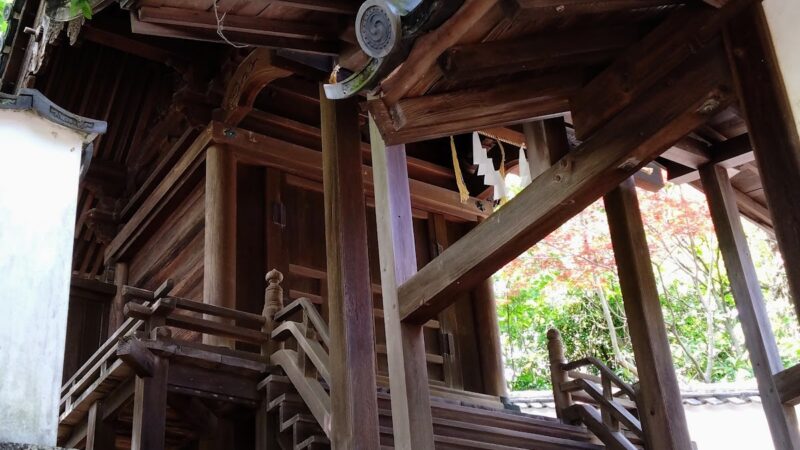
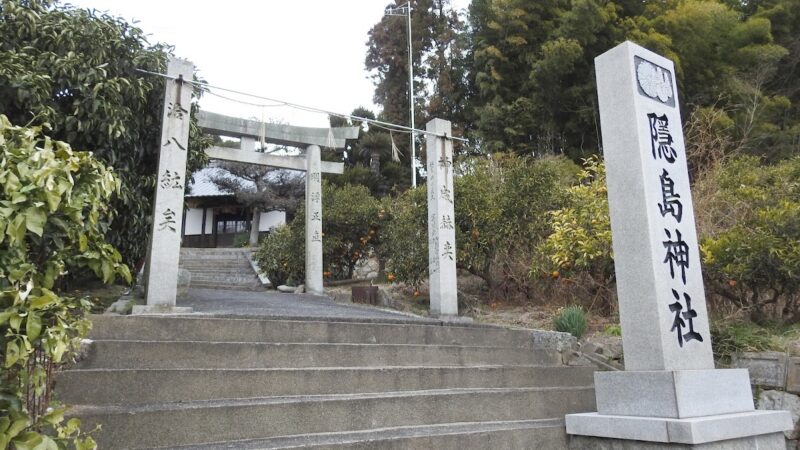
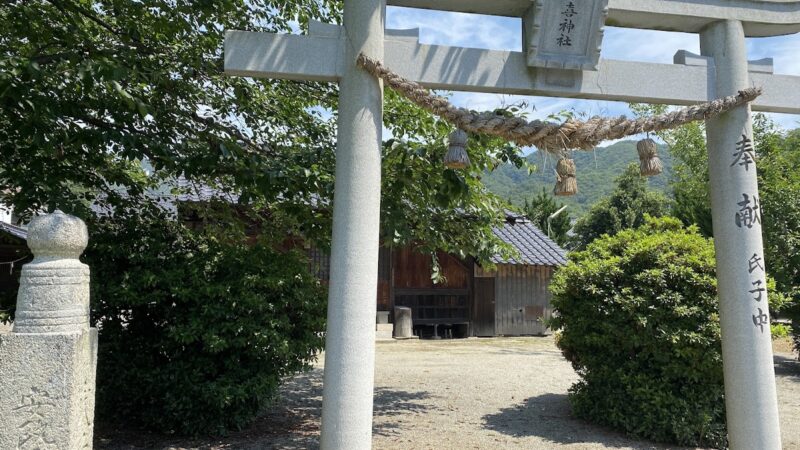
Kuwaki Shrine is located in a quiet residential area of Kozaki-cho, and is characterized by its friendly atmosphere that blends seamlessly into the community. Although not large in scale, it is evident that the shrine is carefully maintained by the local people.
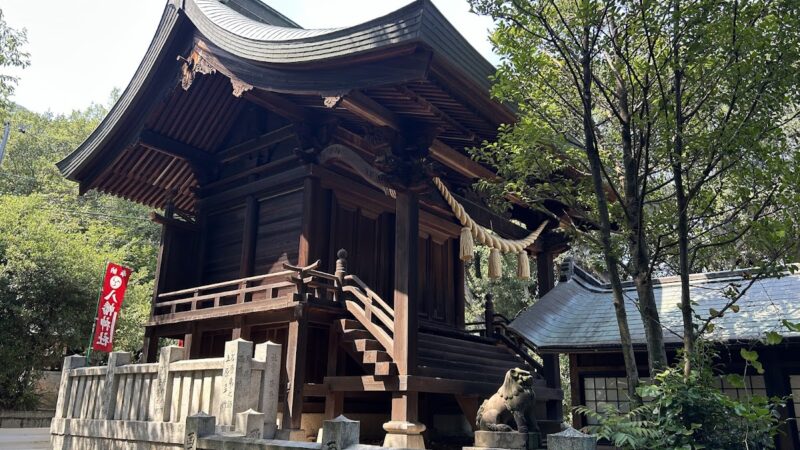
The shrine grounds include a main hall and a worship hall, and it becomes bustling with many worshippers during local festivals and seasonal events. Due to its location near the Seto Inland Sea, you may be able to enjoy the tranquil sea view from the shrine grounds.
The area surrounding the shrine retains its old-fashioned townscape, allowing you to feel the history of the region while strolling around. Its charm lies in its quiet environment, away from the hustle and bustle of the city, allowing for a peaceful visit.
Access and Transportation Information
Access by Train
The nearest station to Kuwaki Shrine is Sunami Station on the JR Kure Line. The journey from Hiroshima Station to Sunami Station takes approximately one hour on the Kure Line.
From Hiroshima Station:
- Take the JR Kure Line (towards Mihara/Itozaki)
- Get off at Sunami Station
- Walk or drive from the station towards Kozaki-cho
From Mihara Station:
- Take the JR Kure Line (towards Hiroshima)
- Get off at Sunami Station (the next station to Mihara Station)
The distance from Sunami Station to Kuwaki Shrine is considerable on foot, so we recommend taking a taxi or renting a bicycle.
Access by Car
From Sanyo Expressway:
- Exit at Mihara-Kui IC
- Take National Route 185 towards Kozaki-cho
- Travel time: Approximately 20-30 minutes from the IC
We recommend checking parking availability in advance. Some small local shrines may not have dedicated parking lots, so please be considerate of local residents when visiting.
Access by Bus
It may also be possible to access Kozaki-cho via local bus routes within Mihara City. For detailed information on bus schedules and operating conditions, please contact local bus companies such as Geiyo Bus.
Regarding Goshuin (Shrine Seals) and Souvenirs
Currently, detailed information regarding Goshuin and souvenirs at Kuwaki Shrine is limited. Smaller shrines may not have resident priests and may not offer Goshuin.
If you wish to receive a Goshuin, please note the following:
- Inquire with the Hiroshima Prefectural Shrine Association or a nearby large shrine in advance.
- Check whether there is a shrine office when you visit.
- Visit on special days such as local festival days.
While Hiroshima Prefecture has many shrines famous for their Goshuin, such as Itsukushima Shrine and Hiroshima Gokoku Shrine, each small local shrine has its own unique charm. Regardless of whether you receive a Goshuin, we recommend enjoying the peaceful environment of the shrine itself.
Annual Events and Festivals
Local shrines hold various events throughout the year. The following events may also be held at Kuwaki Shrine:
Spring Grand Festival: A festival celebrating the arrival of spring and praying for a bountiful harvest.
Autumn Grand Festival: A festival giving thanks for the autumn harvest and praying for the prosperity of the region.
New Year’s Visit: A New Year’s visit, attracting many local residents.
Summer Festival: An important event serving as a place for community interaction.
Specific dates may be available on local bulletin boards or the Hiroshima Prefectural Shrine Association website. Visiting on a festival day will allow you to experience a lively atmosphere different from the usual.
The Charms of Kōzaki-cho, Mihara City
Kōzaki-cho, Mihara City, where Kuwaki Shrine is located, is a scenic area facing the Seto Inland Sea. Here are some of the unique charms of this area.
Scenery of the Seto Inland Sea
From Kōzaki-cho, you can enjoy beautiful views of the Seto Inland Sea. The landscape created by the calm sea and islands soothes the hearts of visitors.
Fresh Seafood
As this is a region with a thriving fishing industry, there are many restaurants where you can enjoy fresh seafood. The fish from the Seto Inland Sea, in particular, are fatty and exquisite.
Historic Townscape
You can stroll through the townscape, which retains the atmosphere of an old port town. The calm environment, where time seems to flow slowly, is a major attraction.
Nearby Shrines and Temples
When visiting Kuwaki Shrine, why not also visit other shrines and temples in Mihara City and the surrounding area?
Major Shrines in Mihara City
Sunami Hachiman Shrine: A shrine revered as the guardian deity of the Sunami district.
Mihara Hachiman Shrine: A historic Hachiman shrine located in the heart of Mihara City.
Buttsuji Temple: A renowned Rinzai Zen temple, also known for its beautiful autumn foliage (Takasaka-cho, Mihara City).
Famous Shrines in Neighboring Cities and Towns
Itsukushima Shrine: A representative shrine of Hiroshima Prefecture, registered as a World Heritage Site (Miyajima-cho, Hatsukaichi City).
Oyama Shrine: Popular as a power spot for matchmaking (Onomichi City).
Kusado Inari Shrine: Considered one of Japan’s three major Inari shrines (Fukuyama City).
Among the approximately 80,000 shrines nationwide, Hiroshima Prefecture boasts many unique shrines, making shrine hopping a delightful experience.
Manners and Etiquette for Visiting Shrines
Let’s review the basic manners for visiting shrines.
How to Pass Through a Torii Gate
The torii gate is the entrance to the sacred area. Bow before passing through the gate, and avoid walking in the center of the path. The center is considered the path of the gods.
Proper Hand-Washing Etiquette
- Hold the ladle in your right hand and wash your left hand.
- Switch the ladle to your left hand and wash your right hand.
- Switch the ladle back to your right hand, receive water in your left hand, and rinse your mouth.
- Wash your left hand again.
- Hold the ladle upright, wash the handle, and return it to its original position.
Worship at the Main Hall
- Quietly place your offering in the offering box.
- If there is a bell, ring it.
- Perform the two bows, two claps, one bow (two deep bows, two claps, one deep bow).
- Worship with gratitude to the gods.
Even at small shrines, these basic manners are the same. It is important to worship with respect.
Hiroshima Prefecture’s Shrine Culture and Kuwaki Shrine
Before the Meiji Restoration, Hiroshima Prefecture was divided into Aki Province and Bingo Province, and each region developed its own unique shrine culture. The Hiroshima Prefectural Shrine Association has approximately 2,400 shrines under its jurisdiction, managed through 24 branches.
Influenced by Itsukushima Shrine, which was worshipped by Taira no Kiyomori at the end of the Heian period, Hiroshima Prefecture’s shrine culture is characterized by its deep connection to the sea. Many ancient shrines are located, particularly in the areas surrounding Hiroshima Bay and the Onomichi/Tomonoura region.
Kuwaki Shrine also plays a part in this Hiroshima Prefecture’s shrine culture, serving as a spiritual support for the local people. While not a large shrine, it plays an important role as a place of worship rooted in the community.
How to Enjoy Visiting Kuwaki Shrine
Refreshment in a Quiet Environment
The charm of Kuwaki Shrine lies in its quiet environment, away from the hustle and bustle of the city, allowing for a peaceful and calming visit. You can forget the hustle and bustle of everyday life and have time to slowly reflect on yourself.
Experiencing Local History
By visiting a shrine that has walked hand in hand with the history of Kozaki Town, you can experience the local culture and traditions. The shrine, which is integrated into the lives of the local people, has a different charm from shrines that have become tourist destinations.
Enjoying the Nature of the Seto Inland Sea
In addition to visiting the shrine, you can enjoy the beautiful scenery of the Seto Inland Sea and fresh seafood. Mihara City and the surrounding area have many attractive spots where nature and history are in harmony.
Precautions for Photography
Photography is generally permitted at shrines, but please keep the following points in mind:
- Refrain from taking photos inside the main hall
- Be considerate of other worshippers
- Avoid using flash photography
- Remember that this is a sacred place
Recording the charm of the shrine through photographs and looking back on your memories later is also one of the joys of visiting.
Access and Tourist Information for Mihara City
When visiting Kuwaki Shrine, we recommend visiting other tourist spots in Mihara City as well.
Main Tourist Attractions in Mihara City
Mihara Castle Ruins: The remains of a seaside castle built by Kobayakawa Takakage, the third son of Mori Motonari.
Mihara City Arts and Culture Center: A facility where cultural and artistic events are held.
Fudekageyama: An observation spot offering spectacular views of the Seto Inland Sea.
Sunami Seaside Park: A park where you can enjoy swimming and marine sports.
Mihara City’s Cuisine
Octopus Dishes: Mihara City is famous as an octopus producing area, and octopus dishes are a local specialty.
Seto Inland Sea Seafood: Enjoy dishes made with fresh seafood.
Mihara-yaki: A locally beloved okonomiyaki (savory pancake).
Accommodation
Mihara City has business hotels and inns, making it possible to stay for a while. There are also many accommodations in the neighboring cities of Onomichi and Fukuyama.
Planning a Visit to Kuwaki Shrine
Here are some points to consider when planning a visit to Kuwaki Shrine.
Best Time to Visit
Spring (March-May): A mild climate makes it a pleasant time to visit. The surrounding area is also beautiful during cherry blossom season.
Autumn (September-November): Pleasant weather, and there’s a possibility of autumn festivals being held.
Summer (June-August): It’s a hot time, but the ocean views are beautiful. Don’t forget to take precautions against heatstroke.
Winter (December-February): It gets crowded during the New Year’s visit period. Cold weather precautions are necessary.
Estimated time required
- Shrine visit only: 30 minutes to 1 hour
- Including sightseeing in the surrounding area: 2 to 3 hours
- Including sightseeing in Mihara city: Half a day to a full day
Checklist of things to bring
- Goshuincho (stamp book) (if you wish to receive a stamp)
- Camera/smartphone
- Drinks (especially in summer)
- Comfortable walking shoes
- Map/navigation app
- Rain gear (in case of unstable weather)
Enjoying shrine hopping in Hiroshima Prefecture
Starting from Kuwaki Shrine, we recommend enjoying shrine hopping throughout Hiroshima Prefecture. Hiroshima Prefecture has a variety of shrines, including the nationally famous Itsukushima Shrine.
Representative Shrines of Hiroshima Prefecture
Itsukushima Shrine (Hatsukaichi City): A World Heritage Site and one of Japan’s Three Most Scenic Views
Hiroshima Gokoku Shrine (Hiroshima City): A large shrine located within Hiroshima Castle Park
Hiroshima Toshogu Shrine (Hiroshima City): A Toshogu shrine dedicated to Tokugawa Ieyasu
Shioya Shrine (Hiroshima City): Famous for its blessings in matchmaking
Hayatani Shrine (Hatsukaichi City): A shrine revered as the god of traffic safety
Tips for Visiting Shrines
- Decide on a Theme: Choose a shrine that suits your purpose, such as matchmaking or academic success
- Group by Region: This allows you to efficiently visit multiple shrines
- Collect Goshuin (Shrine Seals): Bring a Goshuincho (stamp book) to record your visits
- Learn about Local History: Researching the history of the shrine beforehand will allow for a deeper enjoyment
- Allow Plenty of Time: It’s important to visit slowly and without rushing
Summary: The Charm of Kuwaki Shrine
Kuwaki Shrine is a community-oriented shrine located in Kozaki-cho, Mihara City, Hiroshima Prefecture. Among the approximately 80,000 shrines nationwide, it has a history of being deeply intertwined with the lives of local people and serving as a center of faith.
Unlike large-scale tourist shrines, its greatest charm lies in the quiet and peaceful environment in which visitors can pray. Its scenic location overlooking the Seto Inland Sea, the atmosphere steeped in local history, and the warmth of the local people welcome visitors.
As one of approximately 2,400 shrines belonging to the Hiroshima Prefectural Shrine Association, Kuwaki Shrine plays an important role in supporting Hiroshima Prefecture’s shrine culture. When visiting Mihara City, be sure to pay a visit. You’ll have a heartwarming worship experience unique to a shrine deeply rooted in the community.
It’s also accessible from Sunami Station, and combining a visit with other tourist spots in Mihara City will make for a more fulfilling trip. Enjoy a peaceful time at Kuwaki Shrine while immersing yourself in the beautiful scenery of the Seto Inland Sea, fresh seafood, and the history and culture of the region.