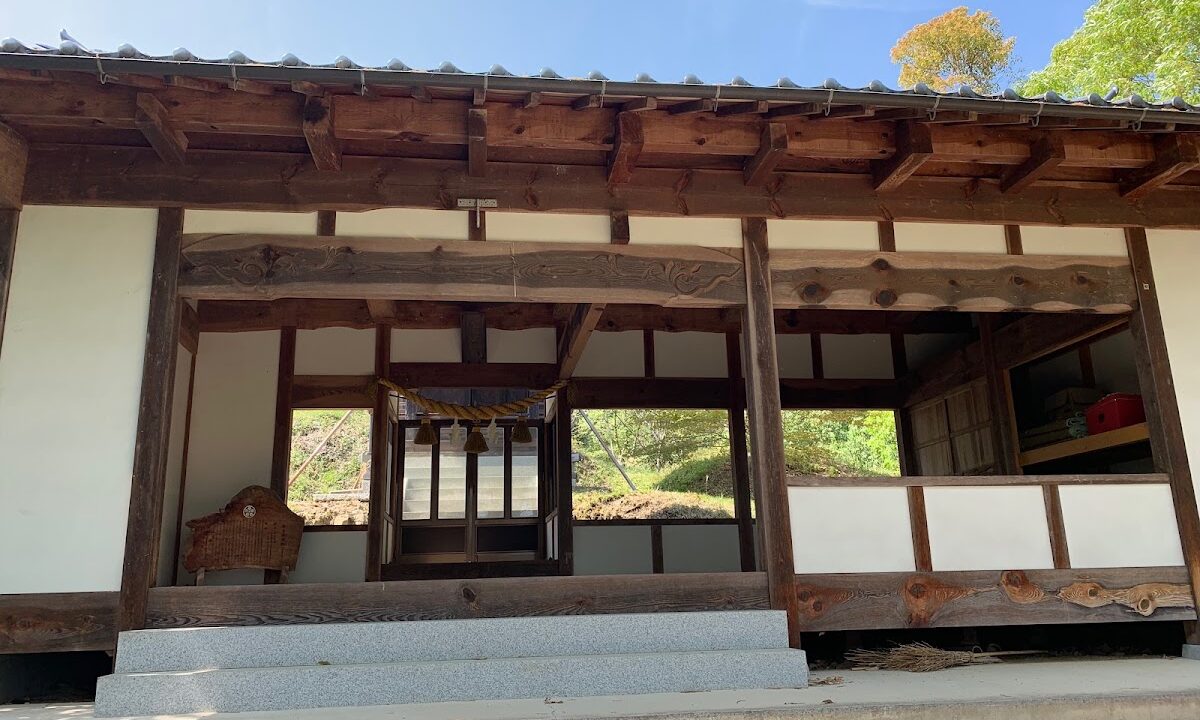
Complete Guide to Koshiki Tenman Shrine (Hiroshima Prefecture): History, Benefits, Access, and Visiting Information
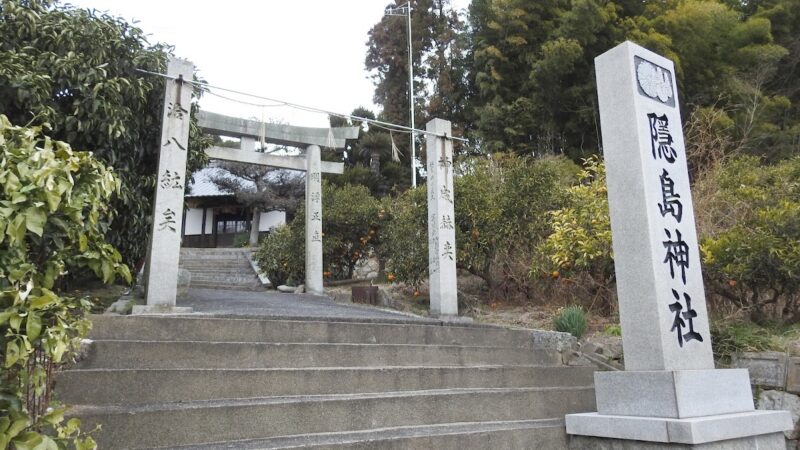
Koshiki Tenman Shrine, located in Hiroshima Prefecture, is a historic shrine dedicated to Sugawara no Michizane, known as the god of learning. It has a long history as a place of worship, cherished by local residents and visited by students and those praying for academic success.
This article provides detailed information you should know before visiting, including the historical background of Koshiki Tenman Shrine, its enshrined deity and benefits, highlights of the grounds, how to worship, and access information.
Basic Information about Koshiki Tenman Shrine
Shrine Overview
Koshiki Tenman Shrine is one of the Tenmangu shrines located in Hiroshima Prefecture, and enshrines Sugawara no Michizane as its main deity. There are said to be approximately 12,000 Tenmangu shrines throughout Japan, many of which are revered as deities of learning. Koshiki Tenman Shrine is one such shrine.
As a shrine deeply rooted in the community, it attracts many worshippers during annual events such as New Year’s visits, prayers for academic success, and Shichi-Go-San (a traditional rite of passage for children). Its quiet environment and calming atmosphere are characteristic features of the shrine.
Location and Basic Data
For the exact location and contact information of Koshiki Tenman Shrine, it is recommended to check the latest information before visiting. Depending on the size and management system of the shrine, the opening hours of the shrine office may be limited.
History and Origins of Koshiki Tenman Shrine
Founding History
Many Tenmangu shrines were founded after the Heian period, when Sugawara no Michizane was exiled to Dazaifu and Tenjin worship spread throughout the country after his death. Koshiki Tenman Shrine is also thought to have been founded as part of this Tenjin worship tradition.
The place name and shrine name “Koshiki” may be related to the region’s history, topography, and industry. “Koshiki” refers to a tool for steaming rice, suggesting a deep connection to rice cultivation culture since ancient times.
Role in the Region
Throughout the Edo period, Koshiki Tenman Shrine attracted the faith of people as the guardian shrine of the region and as the god of learning. It is presumed that the number of worshippers praying for academic success increased, especially during the era when terakoya (temple schools) education flourished.
Even after the Meiji-era separation of Shinto and Buddhism, it continued to be cherished as the local guardian deity and as Tenjin-sama (the god of learning), and the faith has been passed down to the present day.
Deities and Benefits
About Sugawara no Michizane
Sugawara no Michizane (845-903), the principal deity of Koshiki Tenman Shrine, was a scholar and politician who was active during the Heian period. He excelled in academics from a young age and displayed outstanding talent in Chinese and Japanese poetry.
He rose to the position of Minister of the Right, but was demoted to Dazaifu due to political intrigue and died in despair. Afterward, a series of strange occurrences in the capital led to the construction of a Tenmangu shrine to appease Sugawara no Michizane’s vengeful spirit, and he eventually came to be revered as the god of learning.
Main Benefits
The main benefits believed to be available at Koshiki Tenman Shrine are as follows:
Academic Success and Passing Exams
This is the most representative benefit. Students and their families visit the shrine praying for success in exams and improved academic performance. Many visitors come, especially during exam season.
Improvement of Learning and Granting of Wisdom
Not only students, but also working adults preparing for qualification exams and those engaged in lifelong learning visit the shrine. They can pray for the granting of wisdom and deepening their learning.
Improvement in Writing and Performing Arts
Because Sugawara no Michizane was a distinguished man of letters, the shrine is also believed to grant benefits to those wishing to improve their writing skills and cultivate their artistic talents.
Protection from Evil and Disaster
Since Tenjin-sama also has an aspect as a thunder god, he is believed to offer protection from evil and disaster.
Sincerity and Honesty
Some worshippers pray to cultivate an honest and sincere heart, inspired by the sincerity throughout Michizane-sama’s life.
Highlights of the Shrine Grounds
Main Hall and Worship Hall
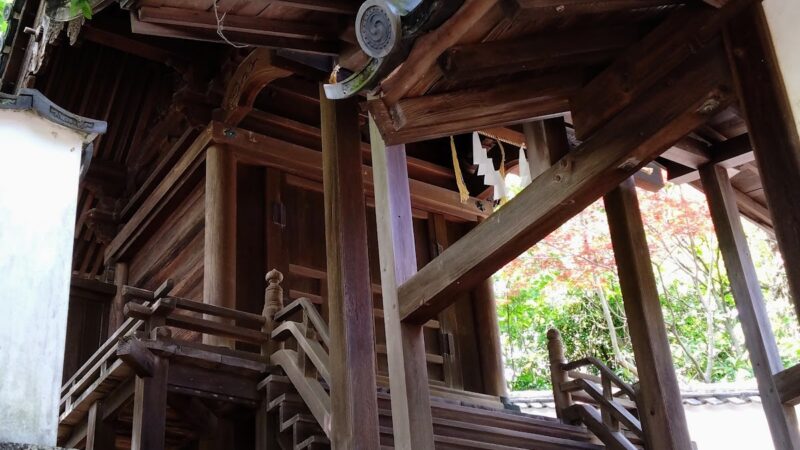
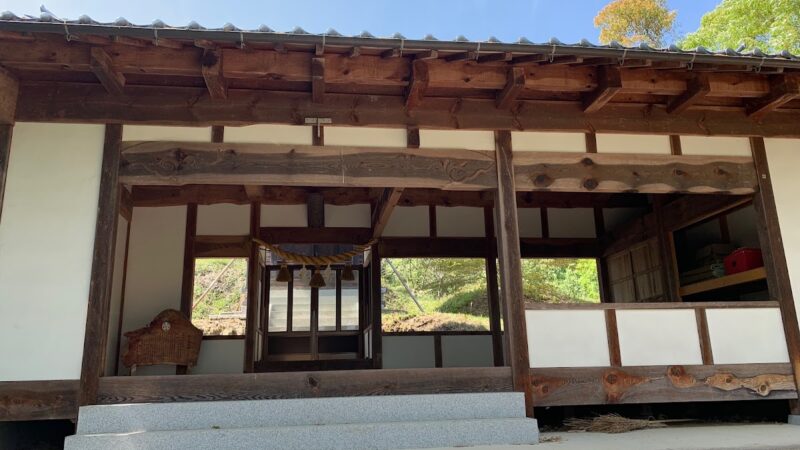
The main hall and worship hall, the heart of Koshiki Tenman Shrine, are the most important places to visit. While the architectural style varies depending on the size of the shrine, you can feel the solemn atmosphere characteristic of Tenmangu shrines.
When praying, please perform the ritual of two bows, two claps, and one bow respectfully.
Sacred Ox Statue
Many Tenmangu shrines have statues of oxen, which have a deep connection to Sugawara no Michizane-sama. Because Michizane-sama was born in the Year of the Ox, and because oxen were involved in his journey to Dazaifu and after his death, oxen are considered messengers of Tenjin-sama. There is a belief that stroking the head of the sacred ox statue will bestow wisdom, and many worshippers do so. It is also said that stroking the same part of the statue as the part of your own body that is ailing will bring healing.
Plum Tree
Sugawara no Michizane was known for his love of plum blossoms, and composed the famous waka poem: “When the east wind blows, send forth your fragrance, plum blossoms; do not forget spring, even though your master is gone.”
Many Tenmangu shrines have plum trees planted, and there is a possibility that Koshiki Tenman Shrine also has plum trees. In early spring, the plum blossoms bloom, filling the shrine grounds with their fragrance.
Ema Hanging Area
Many ema (votive tablets) are dedicated here, praying for success in exams and academic achievement. Seeing the earnest wishes of students on these ema can inspire you to work harder yourself.
Water Basin
This is a place to purify your mind and body before worship. Please purify your hands and mouth using the correct etiquette before worshipping.
Annual Events and Festivals
New Year’s Visit (January 1st-3rd)
Many worshippers visit the shrine at the start of the new year to pray for safety throughout the year and academic success. For local residents, it is an important event to pay their respects to the guardian deity at the beginning of the year.
Tenjin Festival/Annual Grand Festival
Many Tenmangu shrines hold their annual grand festival around February 25th, the anniversary of Sugawara no Michizane’s death, or around June 25th, his supposed birthday. Koshiki Tenman Shrine may also hold an important annual festival.
Exam Success Prayer Festival (Exam Season)
During exam season, special exam success prayer festivals are sometimes held. Many students and their families attend to pray for success.
Shichi-Go-San (November)
Many families visit the shrine during Shichi-Go-San, a celebration of children’s growth. They pray for healthy growth and academic success.
Items Offered and Amulets
Academic Success Amulet
This is the most popular amulet, worn by students and those taking exams. Attach it to your bag or pencil case to ensure you always receive the protection of Tenjin-sama (the deity of learning).
Passing Exam Amulet
This amulet is specifically for students taking exams. It is believed that carrying it on the day of the exam will help you stay calm and perform to the best of your ability.
Academic Success Pencil
This is one of the popular items offered at Tenmangu Shrine. It is believed that using it during an actual exam will bring good fortune.
Ema (Votive Tablet)
Ema are votive tablets on which you write your wishes. They are used to pray for success in exams and academic achievement. Writing specific goals can help you renew your resolve.
Goshuin (Shrine Seal)
You can receive a goshuin as a memento of your visit to the shrine. Cherish it as proof of your visit and as a symbol of your connection with the deity.
Etiquette and Manners for Visiting a Shrine
Basic Etiquette for Visiting a Shrine
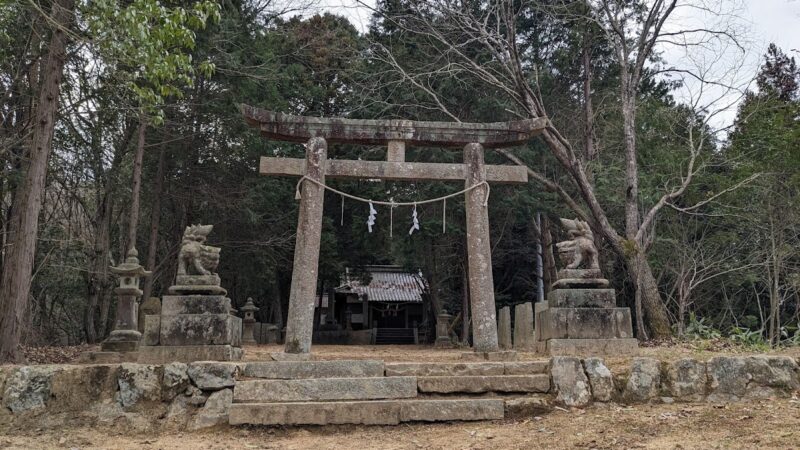
- Bow Before Passing Through the Torii Gate
Bow as a sign of respect before entering the sacred area.
- Walk Along the Edge of the Path
The center of the path is considered the path of the gods, so it is polite to walk along the edge.
- Purifying at the Water Basin
- Hold the ladle in your right hand and purify your left hand.
- Switch the ladle to your left hand and purify your right hand.
- Switch the ladle back to your right hand, receive water in your left hand, and rinse your mouth.
- Finally, stand the ladle upright and purify the handle.
- Worship at the Main Hall
- Quietly place your offering in the offering box.
- Ring the bell (if present).
- Bow twice (bowing deeply twice).
- Clap your hands twice.
- Bow once (bowing deeply once).
- Bow Upon Exit
After passing through the torii gate, turn around and bow once.
Attire for Worship
If receiving a special prayer, formal attire is desirable. However, for regular worship, clean and understated clothing is acceptable. Avoid revealing or overly flashy clothing.
Photography Etiquette
Photography is generally permitted within the shrine grounds, but please refrain from taking photos inside the main hall or in restricted areas. Please be considerate of other visitors and take photos quietly.
Access Information
Access by Public Transportation
We recommend checking the route from the nearest train station or bus stop in advance to access Koshiki Tenman Shrine. When using public transportation within Hiroshima Prefecture, the following methods are possible:
- JR Line: Walk or take a bus from the nearest JR station
- Route Bus: Walk from the nearest bus stop
- Hiroshima Electric Railway: If the area is served by streetcar
For specific access methods, please inquire with the shrine or local tourism association, or check the latest information online.
Access by Car
If visiting by private car, enter the shrine name or address into your car’s navigation system.
Parking Information
The availability and number of parking spaces vary depending on the size of the shrine. During peak seasons such as New Year’s Day and the annual festival, the parking lot may be full, so consider using public transportation.
Nearby Tourist Attractions
When visiting Koshiki Tenman Shrine, you can make your experience more fulfilling by also visiting nearby tourist attractions. Hiroshima Prefecture boasts a diverse range of tourist resources, including historical shrines and temples, cultural facilities, and natural scenic spots.
Advice for Students and Parents
Timing for Praying for Success
You can pray for success in your exams anytime from several months before the exam until the day of the exam. However, the following timings are particularly popular:
- First Shrine Visit of the Year: To renew one’s New Year’s resolutions
- Just Before the Exam: To calm one’s mind during the final push
- The Morning of the Exam: To approach the exam calmly
How to Handle Your Amulet
Please treat the amulet you receive with care:
- Attach it to your bag or pencil case and carry it with you at all times
- Place it in a visible place, such as on your desk
- Be sure to bring it with you on the day of the exam
- After passing, return it to the shrine when you offer your thanks
How to Write on an Ema (Votive Tablet)
Points to remember when writing your wish on an ema:
- Write Specifically: A clear goal such as “Passing the Entrance Exam to XX University”
- Use Positive Words: A definitive statement such as “I will pass”
- Date and Name: Record when and who made the wish
- Include a Message of Gratitude: For example, “Please watch over my daily efforts”
Mindset
When visiting a shrine, it’s important to have a humble attitude, not by entrusting everything to the gods, but by asking them to watch over your own efforts. Through your visit, calm your mind and approach your exams with confidence.
The Charm of Koshiki Tenman Shrine
A Faith Rooted in the Community
The greatest charm of Koshiki Tenman Shrine is its warm atmosphere, which has been cherished by the local people for a long time. Unlike large tourist shrines, you can worship in a quiet and peaceful environment.
The Blessing of the God of Learning
As a shrine dedicated to Sugawara no Michizane, one of Japan’s most representative gods of learning, it is worth visiting for academic success and prayers for passing exams. Many students have had their wishes granted here throughout history.
Seasonal Beauty
The shrine grounds offer the beauty of nature in every season. Especially during the plum blossom season, the plum blossoms associated with Michizane bloom in profusion, soothing the hearts of visitors.
Peace of Mind
You can escape from the stresses of exam preparation and daily life and find peace of mind in the quiet grounds. Visiting a shrine can also lead to mental refreshment.
Frequently Asked Questions
Are there set visiting hours?
At most shrines, you can enter the grounds from sunrise to sunset. However, the hours for receiving items at the shrine office are often limited, so if you wish to receive amulets or goshuin (shrine stamps), it is recommended to check in advance.
How much is the offering fee?
Each item, such as amulets and votive tablets, has a set offering fee. Generally, amulets cost around 500 to 1,000 yen, votive tablets around 500 yen, and goshuin around 300 to 500 yen.
Is a reservation necessary?
Reservations are not necessary for regular visits. However, if you wish to have a private prayer, it is recommended to contact the shrine in advance to make a reservation.
Can I bring my pet to the shrine?
Policies vary by shrine. Generally, it may be possible if you carry your pet or keep it in a cage, but it’s recommended to check beforehand.
Can I visit in a wheelchair?
Barrier-free access within the shrine grounds varies by shrine. Since there may be steps, if you plan to visit in a wheelchair, it’s recommended to inquire with the shrine beforehand.
Summary
Koshiki Tenman Shrine is a historic shrine in Hiroshima Prefecture dedicated to Sugawara no Michizane, the god of learning. It is beloved by the local community and warmly welcomes students and those praying for academic success.
Pray in the tranquil grounds and receive blessings for academic success and passing exams. When visiting, it is important to observe proper etiquette and manners, and to face the deities with gratitude.
Students, use this shrine visit to calm your mind and approach your exams with confidence. Your daily efforts and divine protection will surely lead to positive results.
May your visit to Koshiki Tenman Shrine be fruitful for everyone.