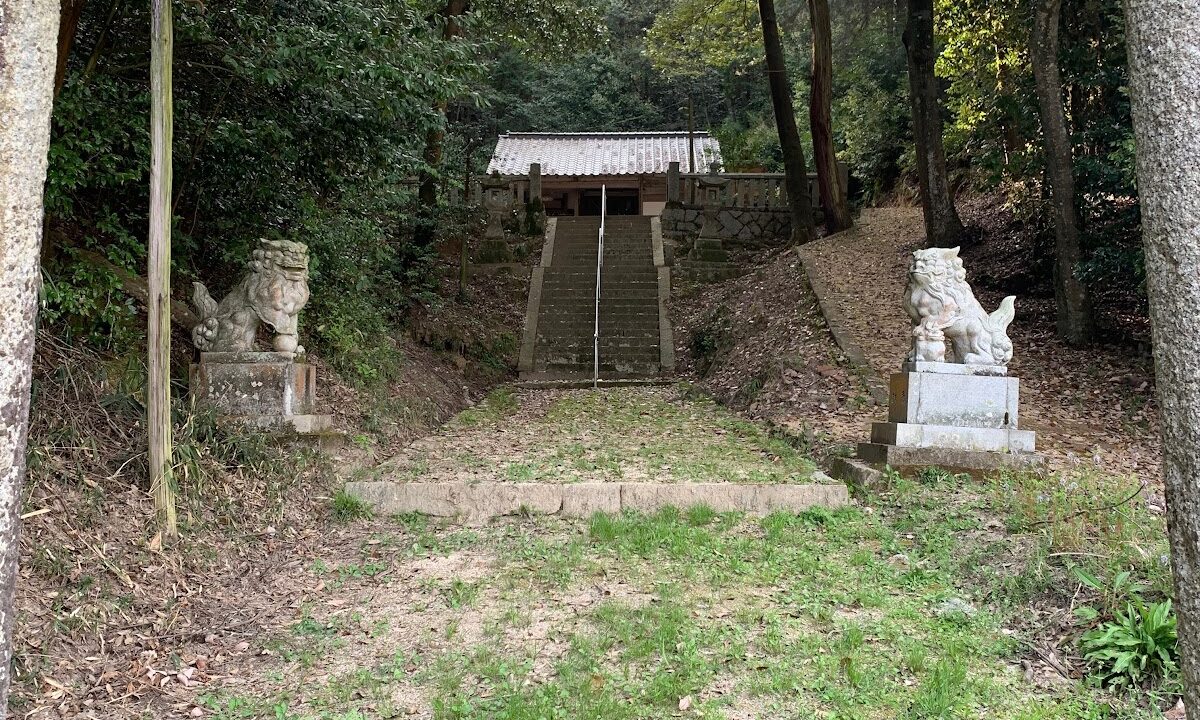
Hikinuma Shrine (Mihara City, Hiroshima Prefecture) Complete Guide | History, Deities, Access, and Goshuin Information
Hikinuma Shrine, located in Minamikata, Hongō-chō, Mihara City, Hiroshima Prefecture, is a shrine that has been revered as the local guardian deity for centuries. While not widely known nationwide, it remains a cherished place of worship in the local community. This article provides a detailed overview of Hikinuma Shrine, including its history, enshrined deities, grounds, access, and goshuin (shrine stamp) information.
Basic Information about Hikinuma Shrine
Hikinuma Shrine is located at 103 Yanaginouchi, Minamikata, Hongō-chō, Mihara City, Hiroshima Prefecture, and is registered as a religious corporation (Corporate Number: 6240005011946). It is the guardian deity of the Hongō district of Mihara City and is revered by local residents.
Location: 103 Yanaginouchi, Minamikata, Hongō-chō, Mihara City, Hiroshima Prefecture 729-0413
Jurisdiction: Under the jurisdiction of the Hiroshima Prefectural Shrine Association, which has 24 branches within the prefecture and oversees the affairs of approximately 2,400 shrines. The Hiroshima Prefectural Shrine Association functions as a local branch of the Association of Shinto Shrines, a religious corporation encompassing 80,000 shrines nationwide that revere Ise Grand Shrine as their head shrine.
History and Origins of Hikinuma Shrine
Origin of the Shrine Name
The unusual name “Hikinuma” is thought to originate from the fact that there was once a marshland in this area. “Hikinuma” is an archaic word meaning frog, representing an aquatic creature. In ancient times, marshes were considered sacred places and were often objects of water deity worship, and Hikinuma Shrine may have inherited this tradition of belief.
Founding and Historical Background
While there are no clear records regarding the exact founding date of Hikanuma Shrine, it is believed to be closely related to the development of the Hongō area. Hongō-chō in Mihara City has long been a thriving agricultural area, and it is presumed that the shrine was built as a place to pray for securing water necessary for rice cultivation and for a bountiful harvest.
Hiroshima Prefecture has many high-ranking shrines, including ancient Shikinaisha (shrines listed in the Engishiki) and Kanpei-sha (shrines designated as Kanpei-shosha after the Meiji era). For example, Itsukushima Shrine is a Kanpei-chūsha (medium-ranking Kanpei), Hayatani Shrine is a Kokuhei-chūsha (medium-ranking Kokuhei), and Bingo Kibitsu Shrine and Numanamae Shrine are Kokuhei-shōsha (lower-ranking Kokuhei). However, Hikanuma Shrine’s position within this shrine ranking system is not clear, and it is thought to have developed as a local tutelary shrine.
Connection with the Community
Hikanuma Shrine, as the tutelary deity of the Minamikata district of Hongō-chō, has been deeply involved in the life milestones of the people who have lived in this area for generations. Important life ceremonies such as the first shrine visit for a newborn, Shichi-Go-San (a traditional rite of passage for children), exorcisms, and weddings are held here, and the shrine serves as a spiritual pillar for the local community.
Deities and Divine Virtues
Main Deity
While detailed information on the deities enshrined at Hikanuma Shrine is limited, many shrines dedicated to local guardian deities enshrine deities such as agricultural gods, water gods, or ancestral deities of regional development. Based on the shrine’s name, it is highly likely that a deity related to water is enshrined here.
Divine Virtues (Benefits)
In the case of shrines dedicated to the water god, the following divine virtues are believed to be present:
- Abundant Harvests and Agricultural Prosperity: As the god who controls water, which is essential for the growth of crops.
- Family Safety: As the guardian deity of the region, the god protects the peace and safety of families.
- Protection from Misfortune and Good Fortune: The god wards off disasters and brings good fortune.
- Business Prosperity: The god watches over the development of the local economy.
Shrine Grounds and Highlights
Shrine Architecture
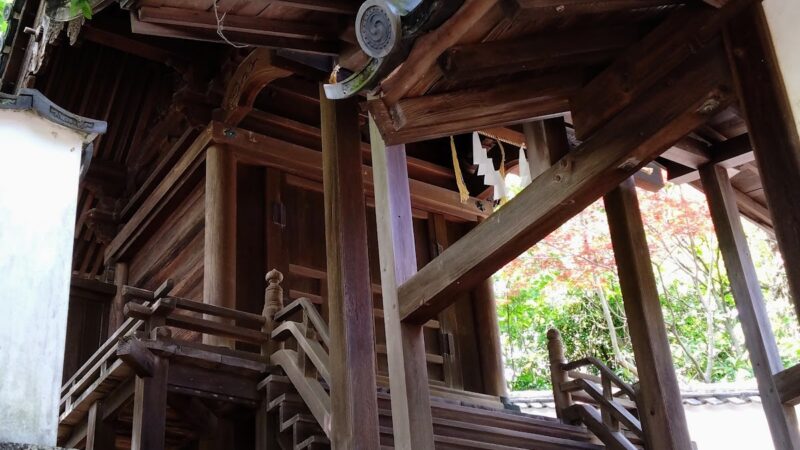
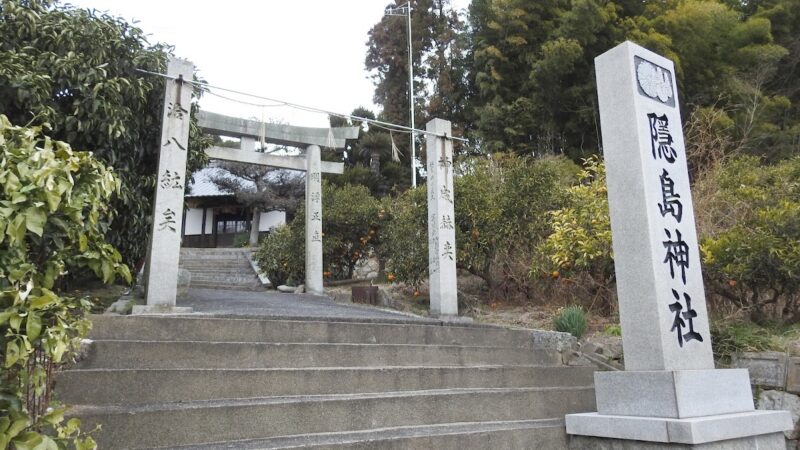
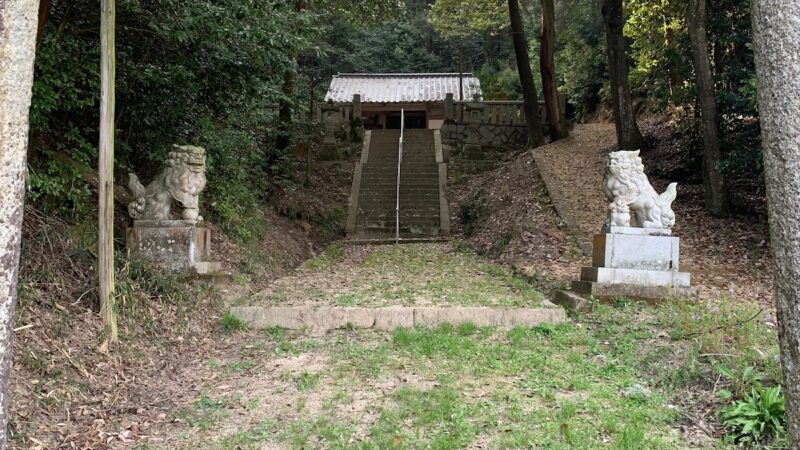
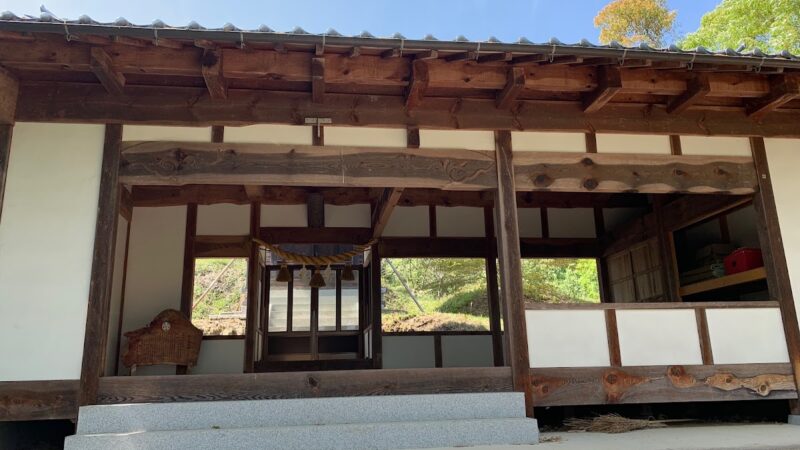
The shrine buildings of Hikanuma Shrine are considered to have a typical structure for a local shrine. Like many shrines in Hiroshima Prefecture, it consists of basic elements such as the main hall, worship hall, and torii gate. Although not large in scale, it is carefully maintained by local residents.
Shrine Environment
The southern part of Hongō-chō is located in a rural area, and it is presumed that the grounds of Hikanuma Shrine are in a quiet environment surrounded by nature. It is a shrine with a calm atmosphere where visitors can feel the changing seasons while praying. ### Shimenawa and Sacred Area
A shimenawa (sacred rope) is stretched across the entrance to a shrine, indicating that the area beyond is sacred. When passing through the torii gate, it is customary to bow and avoid walking in the center of the path.
Shimenawa and Sacred Area
A shimenawa is stretched across the entrance to a shrine, signifying that the area beyond is sacred. ## How to Visit and Etiquette
Basic Worship Etiquette
- Bow before passing through the torii gate: As a sign of respect before entering the sacred area.
- Purify yourself at the water basin: Purify your left hand, then your right hand, then your mouth.
- Walk along the edge of the path: The center is considered the path of the gods.
- Worship in front of the main hall:
- Quietly place your offering in the offering box.
- Ring the bell (if present).
- Two bows, two claps, one bow (two bows, two claps, one bow).
- Bow again upon leaving: Turn around and bow before leaving the torii gate.
Attire for Worship
For everyday visits, casual clothes are acceptable, but please aim for clean and neat attire. For formal visits or prayers, formal attire is desirable, such as a suit for men and a suit or dress for women.
Access Information
Location
103 Yanaginouchi, Minamikata, Hongō-chō, Mihara City, Hiroshima Prefecture 729-0413
Access by Car
Using the Sanyo Expressway:
- Approximately 5 minutes from the Hongō Interchange
- Approximately 15 minutes from the center of Mihara City via National Route 185
We recommend checking parking availability in advance. Small local shrines may have limited dedicated parking.
Access by Public Transportation
Using the JR Sanyo Main Line:
- Approximately 10 minutes by foot or taxi from Hongō Station
Public transportation access is limited, so visiting by car is recommended.
Location in Relation to Major Shrines in the Surrounding Area
There are many other shrines in Mihara City and the surrounding area. Hiroshima Prefecture as a whole has approximately 2,400 shrines, each serving as a center of local faith.
Annual Events and Festivals
Grand Festival
Many shrines hold their annual festival (reitaisai) in the autumn. It is believed that Hikanuma Shrine also holds a festival in accordance with local traditions. The grand festival is the most important festival for the shrine, involving the procession of the portable shrine (mikoshi) and celebrations by local residents.
New Year’s Events
- Hatsumode (First Shrine Visit of the Year, January 1st-3rd): Praying for safety in the new year
- Dondoyaki (Mid-January): A ceremony to burn New Year’s decorations and amulets
Other Annual Events
- Spring Festival: Celebrating the arrival of spring and praying for a bountiful harvest
- Natsukoshi no Harae (Summer Purification Ceremony, June 30th): A Shinto ritual to purify oneself of the impurities accumulated over the past six months
- Autumn Festival: Offering thanks for the harvest
- Monthly Festival: A festival held regularly every month
For specific dates, please contact the shrine directly or check with the Hiroshima Prefectural Shrine Association.
About Goshuin (Shrine Seals)
Issuance of Goshuin
Regarding the issuance of Goshuin at Hikanuma Shrine, prior confirmation is necessary. Smaller shrines may not have a resident priest, and therefore may not have a system in place for issuing Goshuin. If you wish to receive a Goshuin (temple/shrine stamp):
- Confirm by phone in advance.
- Inquire with the Hiroshima Prefectural Shrine Association.
- If it is a shrine managed by multiple shrines, it may be available at the main shrine.
Manners when receiving a Goshuin
- Always visit the shrine before going to the Goshuin office.
- Open your Goshuin book and have it ready.
- Prepare the offering fee (around 300-500 yen).
- Request using polite language.
- Wait quietly while the stamp is being written.
History and Culture of Hongō-chō, Mihara City
Overview of Hongō-chō
Hongō-chō in Mihara City is located in the southern part of Hiroshima Prefecture, facing the Seto Inland Sea. Agriculture has flourished there since ancient times, and it has developed as an agricultural area, particularly centered on rice cultivation. Blessed with a mild climate and abundant water resources, it is known as a producer of high-quality rice.
Regional Characteristics
Hongō-chō merged with Mihara City in 2005, but before that, it was an independent town that cultivated its own unique culture. The region is dotted with ancient shrines and temples, and traditional festivals and events are still carefully preserved and passed down to this day.
Nearby Tourist Attractions
When visiting Mihara City, the following spots are also recommended:
- Mihara Castle Ruins: A castle built by Kobayakawa Takakage, a famous general of the Sengoku period.
- Buttsuji Temple: An ancient Rinzai Zen temple and a famous spot for autumn foliage.
- Fudekageyama Mountain: A scenic spot offering panoramic views of the Seto Inland Sea.
Shrine Culture of Hiroshima Prefecture
Major Shrines in Hiroshima Prefecture
Hiroshima Prefecture has several nationally famous shrines:
Itsukushima Shrine (Miyajima, Hatsukaichi City):
- Located on Miyajima, one of Japan’s three most scenic spots.
- Known for its shrine buildings constructed by Taira no Kiyomori.
- Symbolized by its large torii gate standing in the sea.
- Registered as a World Cultural Heritage site.
- Formerly a Kanpei-chusha (a type of government-supported shrine).
Hiroshima Gokoku Shrine (Naka Ward, Hiroshima City):
- Located within the Hiroshima Castle ruins.
- Dedicated to those who died in wars since the Meiji Restoration.
- Many worshippers visit for the first shrine visit of the year.
Hayatani Shrine:
- Formerly a National Shrine of the second rank
- Worshipped as the god of traffic safety
Numanae Shrine (Tomo-cho, Fukuyama City):
- Formerly a National Shrine of the third rank
- The tutelary deity of Tomonoura
- Has a history dating back to ancient times
Bingo Kibitsu Shrine:
- Formerly a National Shrine of the third rank
- Dedicated to Kibitsuhiko-no-Mikoto
Role of the Hiroshima Prefectural Shrine Association
The Hiroshima Prefectural Shrine Association (Location: 313-1 Kamihira, Hatsukaichi City, Hiroshima Prefecture 738-0026) plays an important role as the organization that oversees shrines in the prefecture. Through its 24 branches, it manages the affairs of approximately 2,400 shrines and is involved in training Shinto priests, providing guidance on rituals, and protecting cultural properties.
The Significance of Visiting Shrines
The Relationship with the Local Guardian Deity
Local guardian deities, such as those at Hikanuma Shrine, are deities that protect the people living in that land. Since ancient times, Japanese people have shown gratitude and respect to the guardian deities of their land, visiting them at important milestones in their lives.
The Role of Shrines in Modern Times
Even in modern society, shrines play the following important roles:
- Spiritual Sanctuary: A place to find peace of mind
- Center of the Local Community: A place for community interaction through festivals
- Inheritance of Traditional Culture: Passing on ancient rituals and customs to future generations
- Harmony with Nature: Environmental preservation as a sacred grove
- Preservation of History: A place to preserve the memory of the region
Mindset for Visiting Shrines
Visiting a shrine is not merely sightseeing; it is an act of expressing respect and gratitude to the deities. Let’s make a point of offering our gratitude, purifying our hearts, and gaining renewed energy through a respectful visit.
Points to Note When Visiting Hikanuma Shrine
Things to Check Beforehand
When visiting a small shrine, please note the following:
- Visiting Hours: Visiting during the daytime is generally recommended.
- Festival Schedule: Check in advance if you wish to participate in any special events.
- Goshuin (Shrine Seal): Check in advance whether Goshuin are available.
- Parking: Check if parking is available.
- Photography: Observe proper photography etiquette on the shrine grounds.
Consideration for Local Residents
Hikanuma Shrine is a shrine deeply rooted in the lives of the local community. When visiting:
- Pray quietly
- Do not trespass on private property
- Always take your trash with you
- Be considerate of nearby residents
- Be mindful that this is a sacred place
Summary: The Charm of Hikanuma Shrine
Hikanuma Shrine is a local guardian shrine located in Minami-cho, Hongō-chō, Mihara City, Hiroshima Prefecture. While not widely known nationwide, it is a historical shrine that has protected this land for centuries and attracted the faith of local residents.
Unlike large-scale tourist shrines, its charm lies in the quiet and peaceful atmosphere in which visitors can pray. You can experience the history and culture of the region and feel the traditional Japanese way of worship.
When visiting Mihara City, or if you live in Hongō-chō, why not visit Hikanuma Shrine and pay your respects to the guardian deity of the region? Away from the hustle and bustle of everyday life, the time spent in quiet prayer will surely bring peace to your heart.
Hiroshima Prefecture boasts numerous nationally renowned shrines, including Itsukushima Shrine, but smaller, local shrines like Hikanuma Shrine also play a vital role in supporting Japan’s shrine culture. It is important to understand the unique history and role of each shrine and to visit them with respect.
We hope that Hikanuma Shrine will continue to be preserved for generations to come, serving as a spiritual pillar for the community and a place to pass on traditional Japanese culture.