Complete Guide to Tennyohama Shrine (Hiroshima Prefecture): History, Blessings, Access, and Highlights
Tennyohama Shrine, located in Hiroshima Prefecture, is a shrine that has long been cherished by the local people. Surrounded by a beautiful natural environment, this shrine boasts a unique history and traditions. This guide provides detailed information for those considering a visit or those enjoying shrine pilgrimages.
About Tennyohama Shrine
Tennyohama Shrine is a shrine located in Hiroshima Prefecture. Its name suggests a connection to the legend of the celestial maiden. The place name “Tennyohama” and the shrine’s name are thought to embody the ancient legend of the descent of the celestial maiden and beliefs related to the seashore and beach.
As the local guardian deity and a shrine where people pray for safety at sea and abundant catches, it has long been revered by the local people.
History and Origins of Tennyohama Shrine
Founding and Historical Background of the Shrine
The exact founding date of Tennyohama Shrine is unclear due to limited historical records. However, according to local tradition, it is believed to have existed since ancient times as a shrine protecting coastal settlements.
Hiroshima Prefecture has many areas facing the Seto Inland Sea, and maritime transport and fishing have flourished since ancient times. It is thought that Tennyohama Shrine, in this region with deep ties to the sea, developed as a place of worship where people prayed for safe voyages and abundant catches.
Connection to the Legend of the Celestial Maiden
The name “Tennyohama” (Celestial Maiden Beach) may be related to the legend of a celestial maiden descending to earth. Legends of celestial maidens remain throughout Japan, and many traditions, especially those of seasides and lakeshores, describe celestial maidens removing their feathered robes and bathing in water.
The area surrounding Tennyohama Shrine may also have legends about a beautiful celestial maiden descending to earth, or a celestial maiden losing her robe on the seashore. It is speculated that these legends are the origin of the shrine’s and the surrounding area’s name.
Connections with the Community
Tennyohama Shrine has played a central role in the local community. The festivals and religious ceremonies held throughout the year have been important gatherings for local residents, functioning as a place for intergenerational exchange.
It enjoys particularly strong devotion from those involved in fishing and shipping, and the custom of visiting the shrine to pray for safe voyages and bountiful catches continues.
Deities and Blessings
About the Deities
Based on local traditions and the nature of the shrine, the following deities are likely enshrined at Tennyohama Shrine:
- Ichikishima-hime no Mikoto: Known as the goddess of the sea and water, and also worshipped as the goddess of beauty.
- Toyotama-hime no Mikoto: Daughter of the sea god, and the goddess of safe childbirth and matchmaking.
- Watatsumi no Kami: God who governs the sea.
These deities are all associated with the sea and water, which harmonizes with the name Tennyohama (Heavenly Maiden Beach) and its location by the sea.
Main Benefits
The main benefits believed to be bestowed at Tennyohama Shrine include the following:
- Maritime Safety and Navigation: Protection of fishermen and sailors
- Prayer for Abundant Catch: Success in fishing and a bountiful harvest
- Matchmaking and Good Relationships: Benefits for successful love, stemming from the legend of the celestial maiden
- Beauty and Virtue: Prayers for beauty, drawing on the beauty of the celestial maiden
- Prayer for Safe Childbirth: Safe childbirth under the protection of the sea goddess
- Family Safety: Protection of families as the local guardian deity
- Business Prosperity: Prosperity of businesses, including shipping and fishing
Highlights of the Shrine Grounds
Shrine Buildings and Architecture
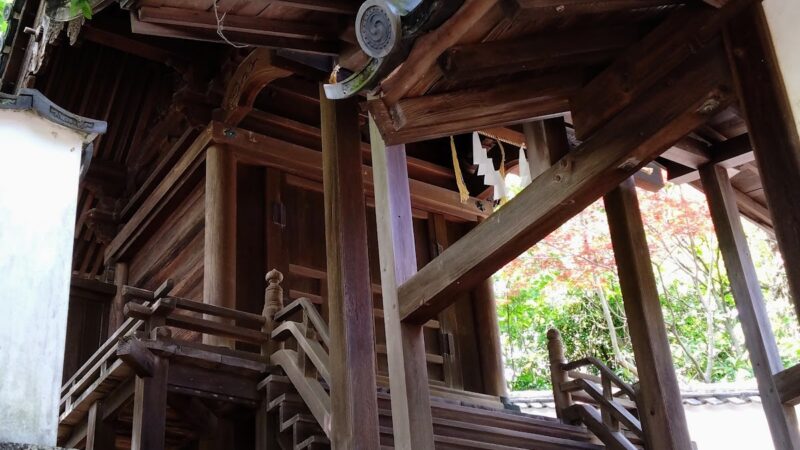
The shrine buildings of Tennyohama Shrine are believed to follow the traditional shrine architectural style of the region. Characteristics of shrine architecture in the Setouchi region include a robust construction that can withstand sea breezes and a simple yet dignified appearance.
Both the main shrine and the worship hall exude a sense of history, reflecting the region’s long history of supporting local faith, and quietly welcome visitors.
Natural Environment
As the name “Hama” (beach) suggests, Tennyohama Shrine is presumably located near the sea. The calm waters of the Seto Inland Sea and the lush natural surroundings provide visitors with a sense of peace.
Especially during sunrise and sunset, when the sun illuminates the sea, a mystical atmosphere envelops the shrine grounds, creating a beautiful scene reminiscent of the legend of the celestial maiden.
Facilities within the Shrine Grounds
The following facilities are thought to be present within the shrine grounds:
- Water Basin: A place to purify oneself before worship
- Shrine Office: Where goshuin (shrine stamps) and amulets are given out
- Ema Hanging Place: Where votive tablets with wishes written on them are offered
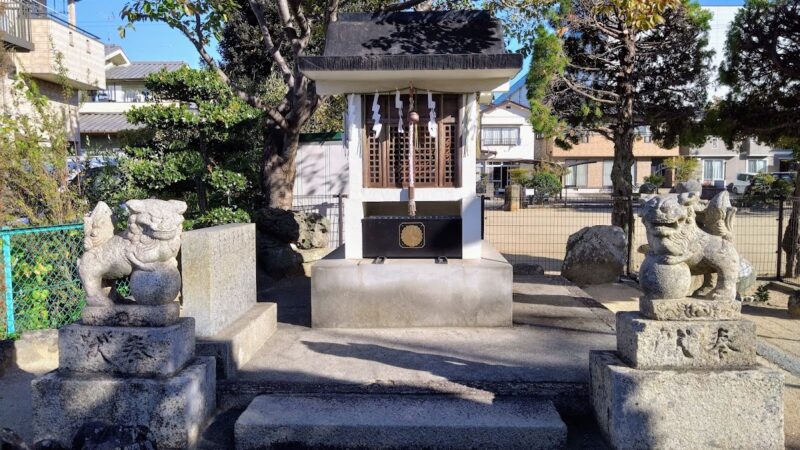
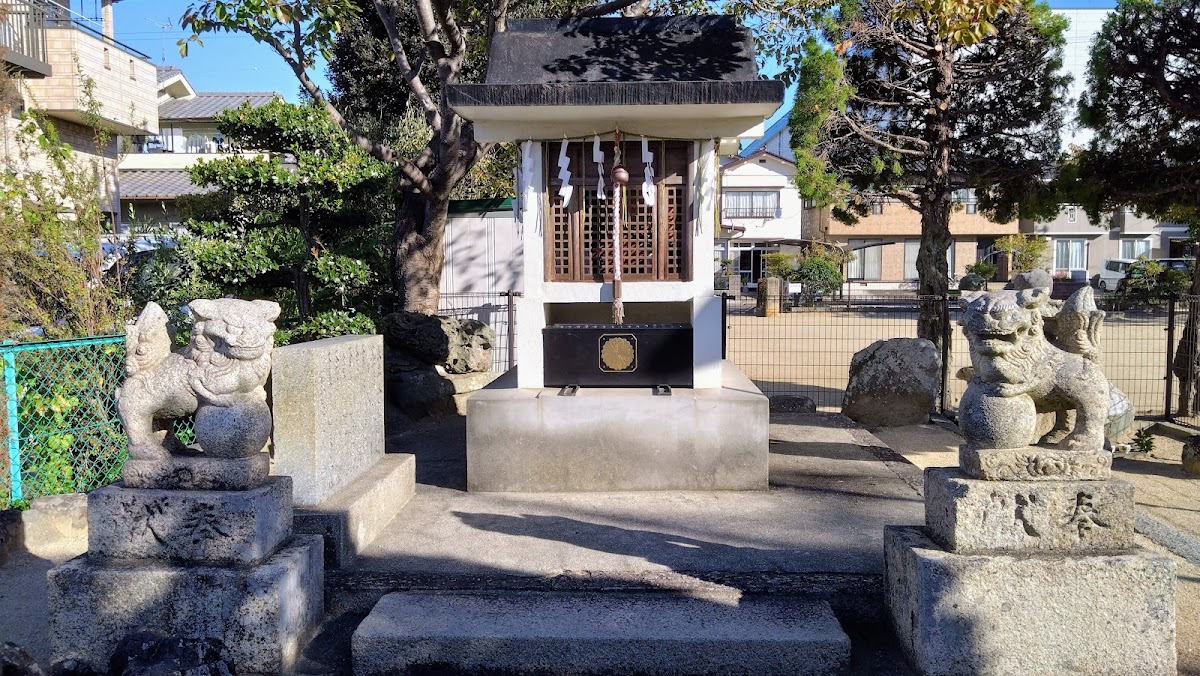
- Komainu (Guardian Dogs): A pair of stone statues guarding the sacred area
Annual Events and Festivals
Main Annual Events
It is thought that various Shinto rituals and festivals are held throughout the year at Tennyohama Shrine:
Spring Grand Festival
- A festival to celebrate the arrival of spring and pray for a year of abundant fishing and safety
- Traditional Shinto rituals are performed with the participation of local residents
Summer Festival
- A festival to pray for safety at sea and a bountiful catch in the summer
- A lively event with the participation of local children
Autumn Grand Festival
- A festival to give thanks for the year’s harvest and for the blessings of the sea
- Dedicatory ceremonies and traditional performing arts are also performed.
New Year’s Festival
- To welcome the New Year, prayers are offered for safety and prosperity throughout the year.
- The shrine is bustling with worshippers making their first visit of the year.
Monthly Festival
At the monthly festival, held on a fixed day each month, Shinto rituals are performed to express gratitude for daily blessings and to pray for peace in the community. As the center of local faith, continuous religious activities are maintained.
How to Worship and Manners
Correct Worship Etiquette
When visiting Tennyohama Shrine, please observe the following etiquette:
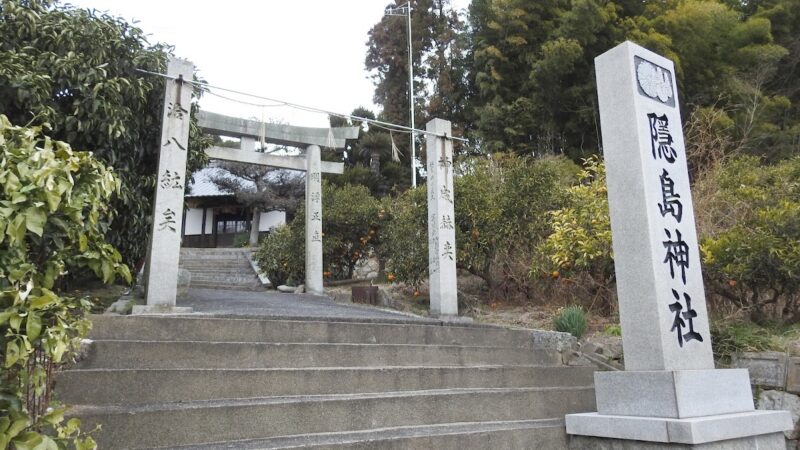
- Bow Before Passing Through the Torii Gate
- Bow respectfully before entering the sacred area.
- The center of the torii gate is the path for the gods, so walk to either the left or right side.
- Purify at the Water Basin
- Hold the ladle in your right hand and purify your left hand.
- Switch to your left hand and purify your right hand.
- Switch back to your right hand, receive water in your left hand, and rinse your mouth.
- Finally, stand the ladle upright and purify the handle.
- Worship at the Main Hall
- Gently place your offering in the offering box.
- Ring the bell if there is one.
- Worship using the two bows, two claps, and one bow ritual.
- Quietly recite your wish in your heart.
- Etiquette Upon Exit
- After finishing your prayers, turn around and bow before leaving the torii gate.
Attire and Items to Bring When Visiting
Please note the following points when visiting:
- Attire: Clean and not overly flashy clothing is preferable.
- Shoes: Comfortable shoes that are easy to walk in and take off.
- Items to Bring: Offering money, camera (if photography is permitted), goshuincho (stamp book), etc.
Photography Manners
Please observe the following manners when taking photos on the shrine grounds:
- Do not take photos in areas where photography is prohibited, such as inside the main hall.
- Be considerate of other visitors.
- Avoid using flash photography.
- When posting on social media, be mindful of the sacred nature of the place.
Access Information
Location
Tennyohama Shrine is located in Hiroshima Prefecture. It is recommended to check the specific address in advance.
Access by Public Transportation
Using Trains and Buses
It may be possible to access the shrine from major stations in Hiroshima Prefecture using local buses or community buses. It is likely within walking distance from the nearest bus stop.
When using public transportation, it is important to check the timetable in advance, especially the return bus schedule.
Access by Car
If using a private car
When accessing by car from Hiroshima city or the surrounding area, you will likely use the coastal road from the main roads. Please enter “Tennyohama Shrine” or a nearby place name into your car navigation system and search.
Regarding Parking
Depending on the size of the shrine, there may be a dedicated parking lot. However, parking space may be limited, so please try to arrive early, especially on festival days and holidays.
Important Notes Regarding Access
- Due to its location near the coast, waves can become high depending on the weather; caution is advised during rough weather.
- Access by large vehicles should be checked in advance, as some routes involve narrow roads.
- During winter, sunset is early; allow ample time for your visit.
Nearby Tourist Attractions
Scenic Spots of the Seto Inland Sea
Around Tennyohama Shrine, there are numerous spots where you can enjoy the beautiful scenery of the Seto Inland Sea. Enjoy strolling along the coastline or taking in the views from observation decks.
Local Historical Sites
Hiroshima Prefecture boasts numerous historical shrines, temples, and cultural properties. You can enjoy exploring the region’s history in conjunction with your visit to Tennyohama Shrine.
Local Cuisine
There are likely restaurants nearby offering fresh seafood unique to this Seto Inland Sea region. Enjoying local delicacies after your visit is highly recommended.
Goshuin (Shrine Seals) and Gifts
About Goshuin
At Tennyohama Shrine, you may receive a goshuin as proof of your visit. A goshuin is a valuable record bearing the shrine’s seal and the date of your visit.
Manners for Receiving a Goshuin (Shrine Stamp)
- Receive the Goshuin after completing your prayers.
- Prepare your Goshuincho (stamp book) in advance.
- Check the shrine office’s opening hours.
- Prepare the offering fee (usually around 300-500 yen).
- Request using polite language.
Items Offered
Shrines typically offer a variety of items:
Amulets
- Maritime Safety Amulet: Protects safety at sea and in fishing.
- Matchmaking Amulet: Attracts good fortune in relationships.
- Safe Childbirth Amulet: Prayers for safe childbirth.
- Traffic Safety Amulet: Ensures safety on land.
- Family Safety Amulet: Protects peace and tranquility in the home.
Other Items Offered
- Divine Talismans (Ofuda)
- Ema (votive tablets)
- Omikuji (fortune slips)
- Amulet pouches
The Charm of Tennyohama Shrine
A Quiet Space for Prayer
The greatest charm of Tennyohama Shrine is its quiet space for prayer, far removed from the hustle and bustle. Surrounded by the sounds of nature—the ocean, the wind, and birdsong—the shrine offers a peaceful environment for worship.
A Faith Rooted in the Community
It possesses the charm of a simple, locally rooted place of worship, unspoiled by commercialization. The shrine, seamlessly integrated into the lives of the local people, conveys the traditional Japanese faith culture to the present day.
The Romance of the Celestial Maiden Legend
The legend embedded in the name Tennyohama (Celestial Maiden Beach) sparks the imagination of visitors. The legend of a celestial maiden descending to this spot adds a mystical atmosphere to the shrine.
The Beautiful Nature of the Seto Inland Sea
The calm waters of the Seto Inland Sea and the lush greenery create a beautiful environment throughout the seasons. The colors of the sea and sky at sunset are particularly breathtaking and well worth visiting.
Best Season for Visiting
Spring (March-May)
Spring is the season of fresh greenery, and the trees on the shrine grounds begin to bud. This is a time when you can visit the shrine at your leisure in mild weather. It’s also the time of the Spring Grand Festival, offering an opportunity to witness traditional local events.
Summer (June-August)
Summer is the season of the sea. Visiting the shrine while gazing at the beautiful blue waters of the Seto Inland Sea is exceptional. However, don’t forget to take precautions against the heat and stay hydrated. If a summer festival is held, you can enjoy a lively atmosphere.
Autumn (September-November)
Autumn is one of the most suitable seasons for visiting the shrine. The weather is cool and pleasant, and the Autumn Grand Festival is held. The autumn sea is calm, allowing for a peaceful visit.
Winter (December-February)
Winter has fewer visitors, allowing for a quiet visit. While it gets crowded during the New Year’s visit period, the atmosphere is generally calm. The Seto Inland Sea scenery looks even more beautiful in the crisp winter air.
Precautions When Visiting the Shrine
Weather Precautions
- If the shrine is located near the coast, it may be windy, so be careful of items that could easily be blown away, such as hats.
- When it rains, the ground may be slippery, so wear non-slip shoes.
- Refrain from visiting during typhoons or strong winds.
Other Precautions
- Remember that the shrine is a sacred place, and visit with respect.
- Do not speak loudly or run around on the shrine grounds.
- Always take your trash with you.
- If you are bringing a pet, check in advance whether it is allowed on the shrine grounds.
- Smoking is only permitted in designated areas (in most cases, smoking is prohibited on the shrine grounds).
Interaction with the Community
Interacting with Local People
When visiting Tennyohama Shrine, interacting with local people is one of the pleasures. You may have the opportunity to hear directly from local residents about the history and legends of the shrine.
Participation in Local Events
During festivals and Shinto rituals, participants from outside the community are sometimes welcomed. Checking in advance and participating in local traditional events can be a valuable experience.
Summary
Tennyohama Shrine is a shrine steeped in history and legend, standing on the coast of Hiroshima Prefecture. Its mystical name, derived from the legend of the celestial maiden, the local faith in praying for safety at sea and abundant catches, and the beautiful natural environment of the Seto Inland Sea all harmonize to create a charming place of worship.
While it may not be a large-scale tourist destination, the simple faith and quiet space for prayer that remain are precious in modern society. The shrine warmly welcomes visitors seeking various blessings, such as safety at sea, matchmaking, and safe childbirth.
If you have the opportunity to visit Hiroshima Prefecture, please be sure to visit Tennyohama Shrine. The time spent praying quietly while gazing at the calm Seto Inland Sea will be a precious moment that allows you to forget the hustle and bustle of everyday life.
When visiting, please respect the history and traditions of the shrine, observe proper etiquette, and offer your heartfelt prayers. We hope that Tennyohama Shrine will be a place that brings peace of mind and new insights to everyone.