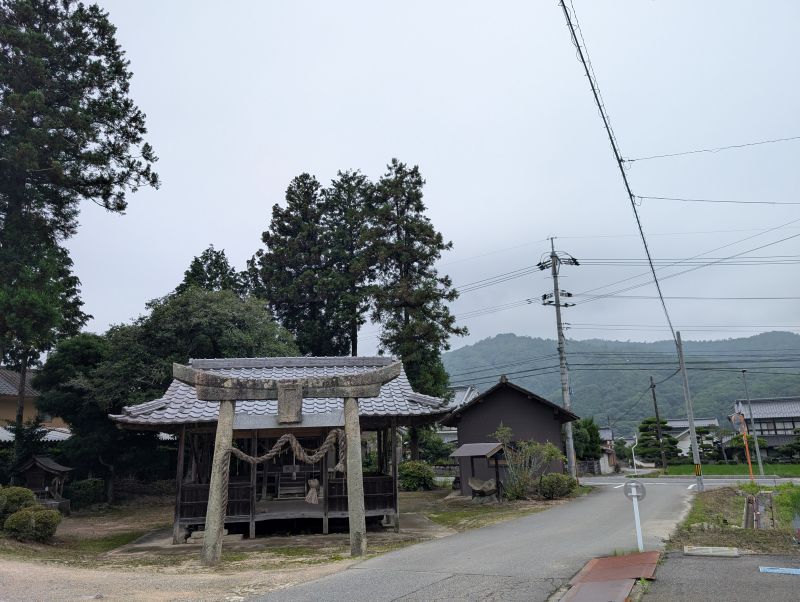
Rokkashogu Shrine (Hiroshima Prefecture) | Complete Guide to History, Deities, Benefits, and Access
Located in Hiroshima Prefecture, Rokkashogu Shrine is a historic shrine long cherished by the local community. This article provides detailed information useful for visiting, including the history of Rokkashogu Shrine, its enshrined deities, benefits, highlights of the grounds, information on amulets and goshuin (shrine stamps), and access methods.
What is Rokkashogu Shrine?
Rokkashogu Shrine is a shrine located in Hiroshima Prefecture. Its name reflects its unique “six-location” worship style, where multiple deities are enshrined. It may also be written as “Rokkasho Shrine” or “Rokkasho Shrine” in some regions, and has long been revered as a guardian deity of the region.
Origin of the Name Rokkashogu Shrine
The name “Rokusho” (six locations) is said to originate from the enshrinement of six deities. In Japanese Shinto, there is a custom of enshrining multiple deities together, and Rokkashogu Shrine inherits this tradition. Wishing for the peace and prosperity of the region, a faith has taken root that seeks more comprehensive blessings by enshrining deities with different divine virtues in a single shrine.
History of Rokushogu Shrine
Founding History
While there are various theories regarding the founding date of Rokushogu Shrine, according to local historical documents and traditions, it is believed to have developed as a center of local faith from the medieval to the early modern period. Like many shrines in Hiroshima Prefecture, it received the patronage of local warlords and lords during the Sengoku period, and functioned as the tutelary deity of village communities during the Edo period.
Historical Changes
Amidst the reorganization of many shrines following the Meiji-era separation of Shinto and Buddhism, Rokushogu Shrine was officially positioned as a local shrine. Even during the post-war period of rapid economic growth and the subsequent urbanization of the region, it has been carefully preserved by parishioners and devotees, and continues to this day.
In recent years, its value as a local cultural asset has been recognized, and preservation activities for historical buildings and ritual implements are underway.
Deities and Divine Virtues
Main Deities
The following deities are believed to be enshrined at Rokushogu Shrines (the specific composition of deities may vary depending on the shrine):
- Amaterasu Omikami: The supreme deity in Japanese mythology, the personification of the sun
- Susanoo-no-Mikoto: God of protection against misfortune and disaster
- Okuninushi-no-Mikoto: God of matchmaking and business prosperity
- Kotoshironushi-no-Mikoto: Guardian deity of commerce and fishing
- Sarutahiko-no-Mikoto: God of opening roads and traffic safety
- Ukanomitama-no-Kami: God of abundant harvests and business prosperity
Divine Blessings (Benefits)
At Rokushogu Shrine, where multiple deities are enshrined, a variety of blessings are believed to be offered:
- Family Safety: Protection of family health and peace
- Business Prosperity: Development of business and success
- Protection from Misfortune and Disaster: Protection from all kinds of misfortunes
- Matchmaking: Success in finding a good partner and marital harmony
- Abundant Harvest: Abundant agricultural harvests and food safety
- Traffic Safety: Safe travels and accident prevention
- Academic Success: Improvement in studies and passing examinations
Highlights of the Shrine Grounds
Main Hall and Worship Hall
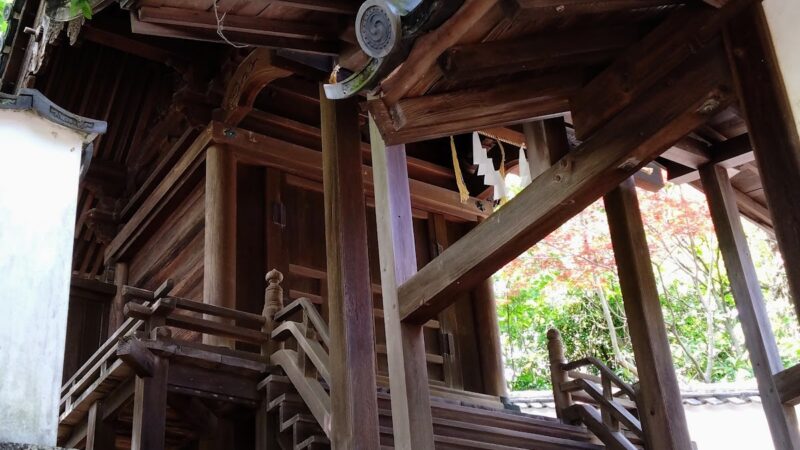
The main hall of Rokushogu Shrine is a valuable building that preserves the traditional style of shrine architecture. The worship hall welcomes daily worshippers, and many parishioners gather there during festivals. Paying attention to the architectural style and the details of the carvings will allow you to feel the history of the shrine more deeply.
Shrine Precincts
Several shrines (subsidiary shrines/outlying shrines) are often located around the main shrine building. Each enshrines a different deity, and worshippers with specific wishes visit them.
Sacred Trees and Nature
The shrine grounds retain sacred trees said to be hundreds of years old, as well as the beauty of nature throughout the seasons. Especially during the cherry blossom season in spring and the autumn foliage season, visitors can enjoy the stunning scenery.
Water Basin
The water basin, where one purifies their body and mind before worship, is an important place to learn traditional etiquette. By purifying one’s hands and mouth with the correct procedure, one shows respect to the deities.
Annual Events and Festivals
Grand Festival
At Rokushogu shrines, a grand festival is held once a year. Many shrines hold this festival in the autumn, featuring traditional festival events such as a procession of portable shrines and devotional performances. It is an important opportunity for local residents to participate and deepen community bonds.
First Shrine Visit of the New Year
Many worshippers visit shrines for their first shrine visit of the year. They pray for safety and prosperity throughout the year and wish for happiness in the coming year. The shrines are especially crowded from New Year’s Day to the third day of the year.
Other Festivals
- Setsubun Festival: Bean-throwing is held on Setsubun in February, and prayers are offered for protection against evil.
- Natsukoshi no Harae (Summer Purification Ceremony): At the end of June, people pass through a ring of reeds to purify themselves of the impurities accumulated over the past six months.
- Shichi-Go-San (Seven-Five-Three Festival): In November, Shichi-Go-San ceremonies are held to celebrate the growth of children.
- Monthly Festival: Prayers are offered by Shinto priests at the monthly regular festival.
Amulets and Items Offered
Various Amulets
Rokushogu Shrine offers amulets for various blessings:
- Family Safety Amulet: An amulet to protect the health and peace of all family members.
- Business Prosperity Amulet: A prayer for the development and success of your business.
- Traffic Safety Amulet: Protects safe driving of cars and bicycles.
- Exorcism Amulet: For those in their unlucky year or those seeking protection from misfortune.
- Matchmaking Amulet: For those wishing for a good match and success in love:
- Academic Success Amulet: For students and those taking exams who wish for academic improvement.
- Health Amulet: For those wishing for recovery from illness and long life.
Goshuin (Shrine Seals)
In recent years, collecting Goshuin has become popular, and Rokushogu Shrine also offers them. Many visitors bring their Goshuin notebooks as proof of their visit and as a memento of their trip.
When receiving a Goshuin, please note the following:
- Request it at the reception area after completing your prayers.
- Prepare a Goshuin notebook (notebooks or blank paper are not acceptable).
- Prepare the offering fee (usually 300-500 yen).
- If a Shinto priest is absent, a pre-written Goshuin may be provided.
Ema (Votive Tablets)
Ema are also available for writing wishes and offering them. Various wishes, such as success in exams, finding love, and family safety, can be entrusted to the ema and offered.
Etiquette and Manners for Visiting a Shrine
Basic Etiquette for Visiting a Shrine
There are traditional customs for visiting a shrine. Please follow these steps when visiting the shrine:
- Bow before passing through the torii gate: This is a sign of respect when entering the sacred area.
- Walk along the edge of the path: The center is considered the path of the gods.
- Purify yourself at the water basin: Purify in the following order: left hand → right hand → mouth → handle of the ladle in your left hand.
- In front of the main hall: Gently place your offering and ring the bell.
- Two bows, two claps, one bow: Bow deeply twice → clap twice → bow deeply once.
- Upon leaving: Turn around and bow once after leaving the torii gate.
Attire for Visiting the Shrine
Unless you are receiving a special prayer, it is acceptable to visit in everyday clothes, but please keep the following points in mind:
- Wear clean clothing.
- Avoid overly revealing clothing.
- Remove hats and sunglasses in front of the main hall.
- For formal visits, suits are preferred for men, and suits or dresses for women.
Photography Etiquette
Photography is generally permitted on the shrine grounds, but please observe the following:
- Photography of the interior of the main hall and the sacred object is prohibited.
- Be considerate of other visitors.
- Check in advance if photography is permitted during festivals.
- Avoid using tripods during crowded times.
- Use flash sparingly.
Access Methods
Access by Public Transportation
Access to Rokushogu Shrine by public transportation varies depending on the shrine’s location. Generally, the following methods are available:
- Using JR Lines: Walk or take a bus from the nearest station.
- Local Buses: Get off at the nearest bus stop using local buses.
- Hiroshima Electric Railway: Streetcars are also available within Hiroshima City.
For specific access information, we recommend checking the shrine’s official website or local tourist information beforehand.
Access by Car
Visiting by private car is possible:
- Parking: There is often parking available for visitors on the shrine grounds or nearby.
- Car Navigation Settings: Search by shrine name or address.
- Note: During festivals and the New Year’s period, it can get crowded, so using public transportation is recommended.
Nearby Tourist Attractions
When visiting Rokushogu Shrine, it’s a good idea to also visit nearby tourist attractions:
- Nearby temples and shrines
- Local historical museums and art galleries
- Natural scenic spots in Hiroshima Prefecture
- Roadside stations and direct sales outlets selling local specialties
Best Time to Visit
Charms of Each Season
Spring (March-May)
- The shrine grounds are beautifully colored during cherry blossom season.
- The season of fresh greenery offers a refreshing visit.
- The weather is mild and ideal for visiting.
Summer (June-August)
- Festivals such as the Natsukoshi no Harae (summer purification ritual) are held.
- Enjoy the cool breeze in the lush green grounds
- Early morning or evening visits are recommended
Autumn (September-November)
- This is the season when the annual festival is often held
- This is a beautiful time for autumn foliage
- This is also the season for Shichi-Go-San (a traditional Japanese rite of passage for children)
Winter (December-February)
- This is the busiest season for New Year’s visits
- There are events such as the Setsubun Festival
- You can enjoy a peaceful visit in a tranquil atmosphere
Tips to Avoid Crowds
- Weekday mornings are relatively less crowded
- Avoiding the first three days of the New Year will help you avoid crowds
- While the annual festival is crowded, the day before and the day after are relatively calmer
- Early morning visits offer a quiet and refreshing atmosphere
Social Role of Rokushogu Shrine
Center of the Local Community
Rokushogu Shrine functions not only as a place of worship but also as the center of the local community. Through festivals, intergenerational exchanges are fostered, and it serves as a place for the transmission of local traditional culture.
Preservation of Cultural Properties
Through the preservation of historical buildings, ritual implements, and ancient documents, shrines play a role in passing on the history of the region to future generations.
A Place of Spiritual Support
In modern society, shrines also serve as a place of spiritual support for people. The time spent away from daily life, finding peace in the quiet grounds, brings spiritual tranquility.
Visitor Voices and Experiences
Voices of Local Residents
“I’ve been visiting this shrine since I was a child for New Year’s prayers and Shichi-Go-San (a traditional rite of passage for children). Many local events revolve around the shrine, so it’s become a part of my life.” (50s, parishioner)
Visitors from Outside the Prefecture
“I stopped by while sightseeing in Hiroshima. The atmosphere was quiet and peaceful, allowing me to pray at my own pace. The shrine’s stamp was written very carefully, making it a wonderful memory.” (30s, tourist)
Reports of Fulfilled Prayers
“I received a charm for academic success before my entrance exams, and I successfully passed the exam for my desired school. I also visited the shrine to express my gratitude.” (20s, student)
Mindset for Visiting Rokushogu Shrine
With a Reverent Heart
Shrine visits are not just for sightseeing; it’s important to show respect to the gods. Pray with a quiet heart, express your gratitude, and pray for future happiness.
How to Make a Wish
When making a wish, first express your gratitude for everyday blessings, and then silently state your specific wish. It’s important to adopt an attitude of “I will strive to achieve XX; please lend me your support,” rather than a passive “I hope I can do XX.”
Continuous Faith
Don’t forget to offer thanks when your wish is granted. Also, making an effort to visit your local shrine at least once a year will deepen your connection with the deity.
Summary
Rokushogu Shrine is a venerable shrine deeply rooted in the Hiroshima region, boasting a long history and tradition. Because it enshrines multiple deities, it is believed to offer diverse blessings, including family safety, business prosperity, protection from evil, and matchmaking.
The shrine grounds retain historical buildings and natural beauty, allowing visitors to enjoy the beautiful scenery of each season. Various festivals are held throughout the year, and it functions as a center of the local community.
When visiting a shrine, it is important to observe proper etiquette and manners, and to approach the deities with a reverent heart. Items such as goshuin (stamped seals) and amulets are also important mementos of your visit and serve as reminders of your connection with the deities in your daily life.
If you are visiting Hiroshima Prefecture, or if you live in the area, please consider visiting Rokushogu Shrine. It will be a precious time to calm your mind in the tranquil grounds, express your gratitude, and pray for future happiness.
Shrines are not merely tourist destinations; they are sacred places where traditional Japanese culture and spirituality thrive. By each individual visiting with respect, we can pass on this precious cultural heritage to future generations.