Complete Guide to Kakurejima Shrine (Hiroshima Prefecture) | History, Benefits, and Access Information for the Four Shrines on Innoshima Island
Kakurejima Shrine, located on Innoshima Island in Onomichi City, Hiroshima Prefecture, is a shrine deeply intertwined with the island’s history. In fact, there are four shrines on Innoshima called “Kakurejima Shrine,” each preserving the island’s history. This article provides a detailed introduction to the origins of Kakurejima Shrine, the characteristics of each shrine, their benefits, and access methods using the Shimanami Kaido.
What is Kakurejima Shrine? | The Group of Shrines that Derived the Name of Innoshima
Kakurejima Shrine is a collective term for the shrines located on Innoshima Island (Onomichi City, Hiroshima Prefecture), floating in the Seto Inland Sea. The island’s name itself originates from “Kakurejima” (hidden island), and the group of shrines that have been worshipped in this area since ancient times tell the story of the island’s history.
The Relationship Between the Changes in Innoshima’s Name and Kakurejima Shrine
The name of Innoshima Island has changed over time. Originally called “Kakurejima,” the name changed to “Injima” with the decline of the Murakami Suigun (Murakami Naval Force), and finally settled on its current name, “Innoshima,” during the Meiji era. This change in the island’s name is closely linked to the history of Kakurejima Shrine.
The *Sandai Jitsuroku* (Chronicles of Three Reigns) records that “On December 15th, 878 (Genkei 2), the Kakurejima deity of Bingo Province, which had no official rank, was granted the rank of Junior Fifth Rank, Lower Grade.” This indicates that even in the Heian period, there were shrines of such high status that they could receive ranks from the imperial court.
Four Kakurejima Shrines on Innoshima
There are four shrines on Innoshima that are said to be “Kakurejima Shrine.” Each shrine has its own unique history and characteristics, and has been cherished by local residents as the center of faith on the island.
1. Kakurejima Shrine (Innoshima Nakasho-cho)
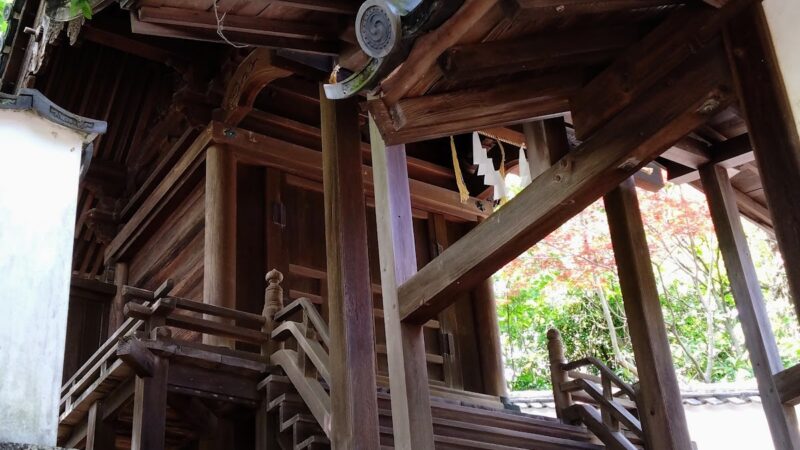
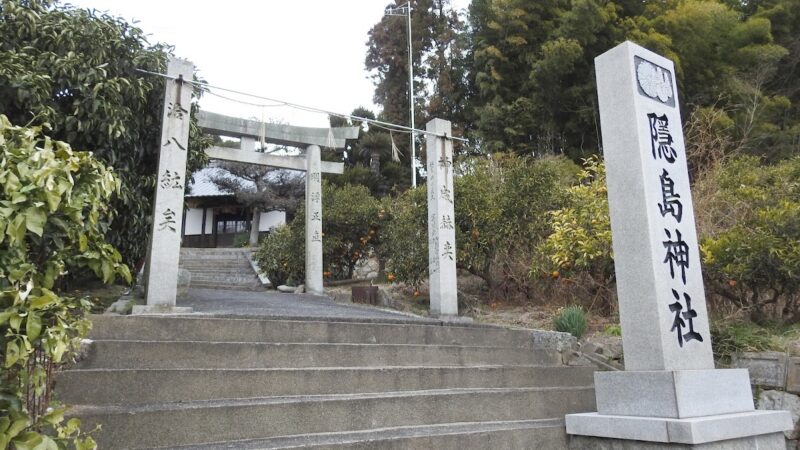
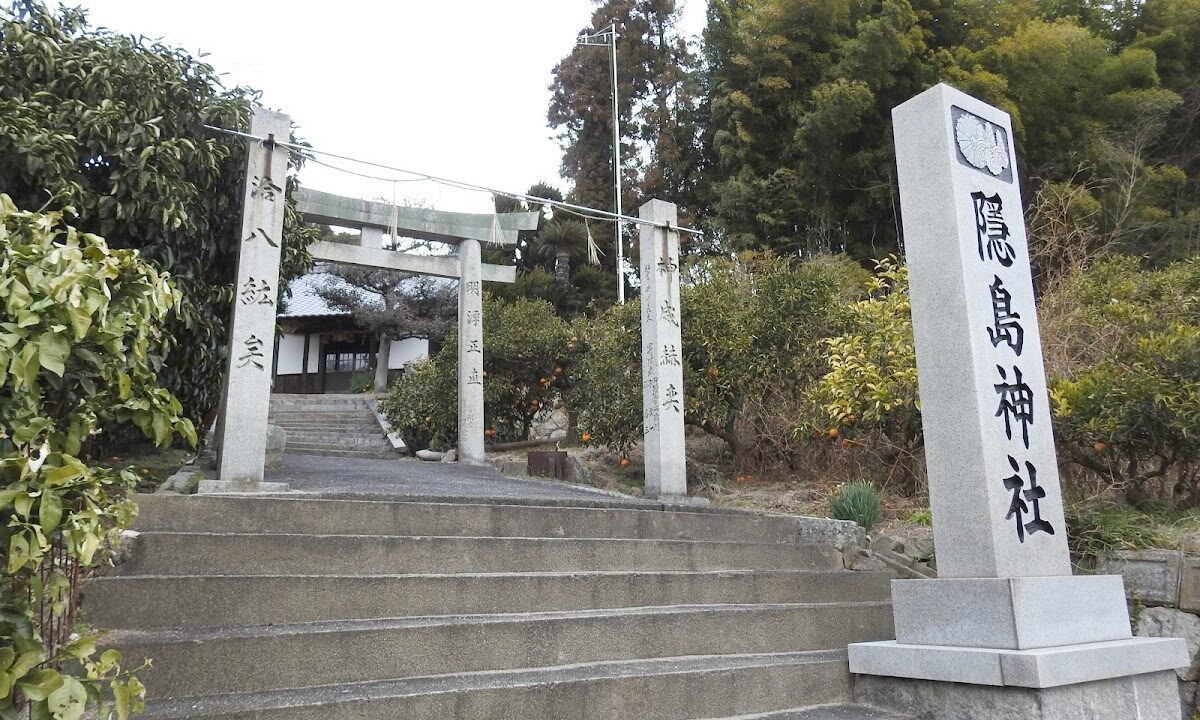
The Kakurejima Shrine located in Innoshima Nakasho-cho is the most representative of the four. Its grounds are situated in a quiet residential area, and it is revered as the local guardian deity. Blessed with the mild climate of the Seto Inland Sea, it warmly welcomes visitors.
2. Ooyaku Shrine (Innoshima Shigei-cho)
Ooyaku Shrine, located in Innoshima Shigei-cho, is also counted among the Kakurejima Shrines. It has been worshipped since ancient times as a god of protection against epidemics and has played a role in protecting the health and safety of the region. The shrine grounds feature stone monuments and guardian lion-dogs that evoke the history of the region.
3. Saishima Shrine (Innoshima Ohama-cho)
Saishima Shrine, located in Innoshima Ohama-cho, is characterized by its location facing the sea. Offering beautiful views of the Seto Inland Sea, it has been worshipped as a guardian deity of maritime safety and fishing.
4. Sumiyoshi Shrine (Innoshima Sotoura-cho)
Sumiyoshi Shrine in Innoshima Sotoura-cho is also a shrine connected to the lineage of Kakurejima Shrines. It enshrines Sumiyoshi Okami, known as the god of safe voyages, and has attracted the faith of sailors since the time of the Murakami Suigun (Murakami Naval Force).
The Relationship Between Oyama Shrine and Kakurejima Shrine
As a representative shrine of Innoshima, Oyama Shrine should not be forgotten. Located in Habu-cho, Innoshima, along the Shimanami Kaido, this shrine is considered the oldest shrine on Innoshima.
The History of Oyama Shrine
It is said that Oyama Shrine was established in 773 AD (Hoki 4), when a divided spirit was invited from Oyamazumi Shrine on Omishima Island in Iyo Province, and it was called “Kakurejima Okami.” Situated on a small hill overlooking the islands of the Seto Inland Sea, it has been revered as a shrine protecting the entire island due to its location.
The “Kakurejima Kami” mentioned in the aforementioned *Sandai Jitsuroku* (True Records of Three Reigns) is widely believed to refer to this Oyama Shrine. It is a prestigious shrine recognized by the imperial court since the Heian period, and has a history of over 1200 years as a spiritual pillar of Innoshima.
Deity and Blessings
The deity enshrined at Oyama Shrine is Oyamatsumi-no-kami. Known as the god of mountains and the sea, it is believed to bestow the following blessings:
- Maritime Safety and Navigation: Guardian of the Seto Inland Sea routes
- Family Safety: Peace and prosperity for the family
- Business Prosperity: Development and success of businesses
- Protection from Misfortune and Good Fortune: Wards off disasters and attracts good relationships
- Long-lasting Military Fortune: A blessing befitting a place associated with the Murakami Suigun (Murakami Naval Force)
From the shrine grounds, one can enjoy a panoramic view of the beautiful islands of the Seto Inland Sea, and the scenery itself heals visitors as a power spot.
The Charm of Kakurejima Shrine as a Power Spot
The Kakurejima Shrine group and Oyama Shrine are attracting attention as power spots surrounded by the rich nature of the Seto Inland Sea.
Natural Energy of the Seto Inland Sea
Innoshima is part of the Seto Inland Sea National Park and is blessed with calm seas and a mild climate. Standing within the shrine grounds, you can feel the pleasant sea breeze, forgetting the hustle and bustle of the city and finding peace of mind.
The Spiritual Power Woven by History
These shrines, with a history of over 1200 years, have received the prayers of countless people. It is said that the energy of faith accumulated over many years fills the grounds.
Connection to the Murakami Suigun (Murakami Naval Force)
Innoshima was one of the bases of the Murakami Suigun. It is said that the warlords who controlled the seas also visited these shrines to pray for safe voyages. A strong energy of prayer for military success and maritime safety still remains in the shrines today.
Access from the Shimanami Kaido
You can access Innoshima from both the Honshu side (Onomichi) and the Shikoku side (Imabari) using the Shimanami Kaido.
Access by Car
From Honshu:
- Take the Nishiseto Expressway (Shimanami Kaido) from Onomichi
- Exit at Innoshima Kita IC or Innoshima Minami IC
- Approximately 5-15 minutes by car to each shrine
From Shikoku:
- Take the Nishiseto Expressway (Shimanami Kaido) from Imabari
- Exit at Innoshima Minami IC or Innoshima Kita IC
Access to Oyama Shrine:
- Approximately 10 minutes from Innoshima Kita IC
- Located on a small hill in Habu-cho, Innoshima
- Parking available (on the shrine grounds or nearby)
Access by Public Transportation
Train/Bus:
- Take a local bus from JR Onomichi Station towards Innoshima
- Express buses such as the Shimanami Liner are also available
- Access on foot from the nearest bus stop to each shrine
Ferry:
- There is also a ferry route from Onomichi Port to Innoshima
- Exploring the islands by bicycle or on foot is also possible.
Visiting Shrines by Cycling
The Shimanami Kaido is known as a sacred place for cyclists. Renting a bicycle and visiting the shrines on Innoshima Island is highly recommended. You can enjoy the beautiful scenery of the Seto Inland Sea while visiting each shrine.
Points and Precautions for Visiting Shrines
Etiquette for Visiting Shrines
- Bow before passing through the torii gate: This is a courtesy when entering the sacred area.
- Purify yourself at the water basin: Purify your left hand, right hand, and mouth in that order.
- Worship at the main hall: The basic procedure is two bows, two claps, and one bow.
- Stroll around the shrine grounds: Take your time to soak up the atmosphere of the shrine.
Attire for Visiting Shrines
There are no strict dress code regulations, but it is desirable to wear clothing that reflects the sacred nature of the place. In summer, the sun is strong, so we recommend bringing a hat or parasol.
Regarding Photography
Photography is generally permitted within the shrine grounds, but it is considered good manners to refrain from taking photos inside the main hall or during Shinto rituals. If unsure, please check with the shrine office.
Enjoying Innoshima Sightseeing
By combining your visit to Innoshima with a visit to Kakurejima Shrine and Oyama Shrine, you can fully enjoy the charm of Innoshima.
Learning about the History of the Murakami Suigun
At Innoshima Suigun Castle, you can learn about the history and culture of the Murakami Suigun (Murakami Naval Force). Visiting this site in conjunction with your shrine visit will give you a deeper understanding of Innoshima’s history.
Enjoying Setouchi Cuisine
Innoshima is known for its thriving citrus cultivation, and is particularly famous as the birthplace of hassaku oranges. It also boasts an abundance of fresh seafood, and you can enjoy the flavors of the Setouchi region at local restaurants.
Cycling the Shimanami Kaido
The Shimanami Kaido, including Innoshima, is a world-famous cycling route. Combining shrine visits with cycling will provide a refreshing day for both mind and body.
Nearby Shrines and Temples
There are several other shrines and temples worth visiting around Innoshima.
Itsukushima Shrine on Mukaijima Island
Located in Mukaijima-cho, Onomichi City, Itsukushima Shrine has ties to Itsukushima Shrine on Miyajima Island. It’s close to Innoshima, making it a recommended addition to your shrine-visiting itinerary.
Itsukushima Shrine on Iwako Island
Itsukushima Shrine on Iwako Island in Mukaijima is another shrine that conveys the faith of the Seto Inland Sea. Despite being a small island, its historic shrine buildings welcome visitors.
Seasonal Highlights
Spring (March-May)
Cherry blossoms bloom in the shrine grounds, allowing you to experience the gentle spring of the Seto Inland Sea. The season of fresh greenery is ideal for visiting.
Summer (June-August)
Summer festivals and other religious ceremonies are sometimes held. It’s a beautiful season with the blue sea and sky of the Seto Inland Sea.
Autumn (September-November)
While there are fewer autumn leaves, the pleasant weather makes it ideal for visiting the shrines. It’s also the citrus harvest season.
Winter (December-February)
The relatively mild winter in the Seto Inland Sea makes it a quiet season for visiting the shrines. Many visitors come for Hatsumode (first shrine visit of the year).
Guidelines for Visiting Kakurejima Shrine
Visiting the Kakurejima Shrine complex is not merely sightseeing, but a valuable opportunity to experience the history and culture of Innoshima. Remember that this is a place of worship that has continued for over 1200 years, and visit with respect.
Spending time slowly in the shrine grounds, surrounded by the beautiful nature of the Seto Inland Sea, you can find peace of mind away from the hustle and bustle of everyday life. Each of the four shrines has its own unique character, and visiting all of them will give you a complete picture of Innoshima’s faith.
When visiting the Shimanami Kaido, be sure to stop by Innoshima and add a visit to Kakurejima Shrine and Oyama Shrine to your travel plans. Listening to the gentle sound of the Seto Inland Sea waves, you can find time to tranquilize your mind in a sacred place where people of ancient times offered prayers.
Summary
The Kakurejima Shrines, located on Innoshima Island in Onomichi City, Hiroshima Prefecture, are a group of shrines that embody the very history of the island. In addition to the four shrines—Kakurejima Shrine in Nakasho-cho, Ooyaki Shrine in Shigei-cho, Saishima Shrine in Ohama-cho, and Sumiyoshi Shrine in Sotoura-cho—the oldest shrine on Innoshima, Oyama Shrine, continues to watch over the region as the center of faith in the Seto Inland Sea.
With a history dating back to the Heian period, as recorded in the “Sandai Jitsuroku” (Chronicles of Three Reigns), deep connections with the Murakami Suigun (Murakami Naval Force), and surrounded by the beautiful nature of the Seto Inland Sea, the shrine grounds offer visitors peace of mind and renewed energy.
Accessible from both Honshu and Shikoku via the Shimanami Kaido, it’s easy to combine a visit with cycling or sightseeing. Why not plan a trip to refresh your mind and body by visiting the Kakurejima Shrines while enjoying Innoshima’s rich history and culture, and Setouchi cuisine? While we can find a wealth of information online these days, you can only truly experience the charm of Kakurejima Shrine by actually visiting the grounds, standing on the temple grounds, and feeling the Seto Inland Sea breeze.