Iwatake Shrine (Hiroshima Prefecture) Complete Guide | A Thorough Explanation of History, Deities, Blessings, and Visiting Information
Hiroshima Prefecture boasts numerous famous shrines, including Itsukushima Shrine, but it also has many historical shrines deeply rooted in the local community. This article provides a detailed explanation of Iwatake Shrine, from its historical background to its enshrined deities, blessings, and visiting information.
What is Iwatake Shrine?
Iwatake Shrine is a shrine located in Hiroshima Prefecture that has long been revered as the local guardian deity. As one of the shrines belonging to the Hiroshima Prefectural Shrine Association, it plays a central role in local faith.
The Hiroshima Prefectural Shrine Association has 24 branches throughout the prefecture and oversees the affairs of over 2,400 shrines. Iwatake Shrine, under its jurisdiction, continues to protect local traditions and faith.
History and Origins of Iwatake Shrine
Background of Founding
While the exact founding date of Iwatake Shrine is unclear due to the loss of old records, local traditions suggest it has been located in this area since ancient times. The shrine’s name, “Iwatake,” means a strong and powerful rock, and true to its name, it has been revered as a powerful guardian of the region.
Connection to the Community
In the history of Hiroshima Prefecture, shrines have functioned not merely as religious institutions but as centers of local communities. Iwatake Shrine is no exception, playing a role in strengthening community bonds through local festivals and annual events.
Daimyo who ruled Hiroshima, such as the Mori and Asano clans, protected many shrines within the prefecture, and local shrines have garnered fervent devotion from both samurai and commoners.
Deities and Divine Virtues
Main Deity
The deity enshrined at Iwatake Shrine is worshipped as the guardian deity of the region, and its divine power has watched over the lives of local residents since ancient times. Because the shrine’s name includes the character “猛” (meaning “fierce” or “powerful”), it is worshipped as a deity possessing powerful protective abilities.
Benefits
The main benefits that can be received at Iwatake Shrine include the following:
- Family Safety: Protection of family health and peaceful days
- Protection from Evil and Disaster: Protection from various calamities
- Regional Peace and Security: Prayers for peace and prosperity throughout the region
- Abundant Harvest: Prayers for a bountiful harvest of crops
- Business Prosperity: Development and prosperity of businesses
There are many shrines in Hiroshima Prefecture where prayers for protection from evil and misfortune can be received, and Iwatake Shrine also accepts prayers from local residents.
Highlights of the Shrine Grounds
Shrine Buildings
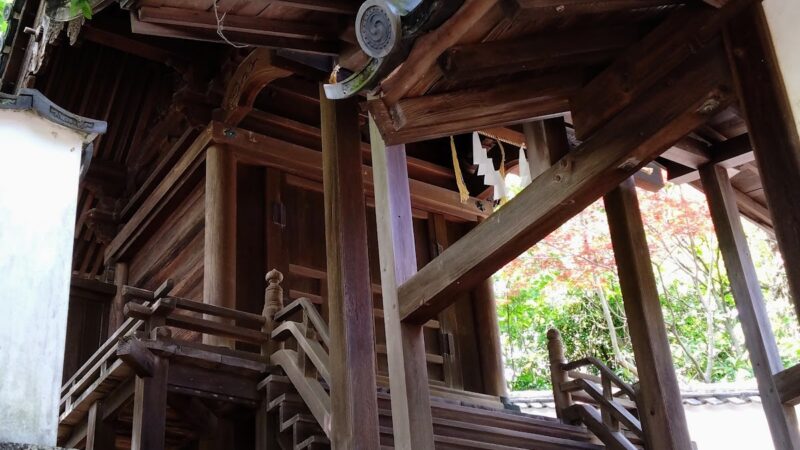
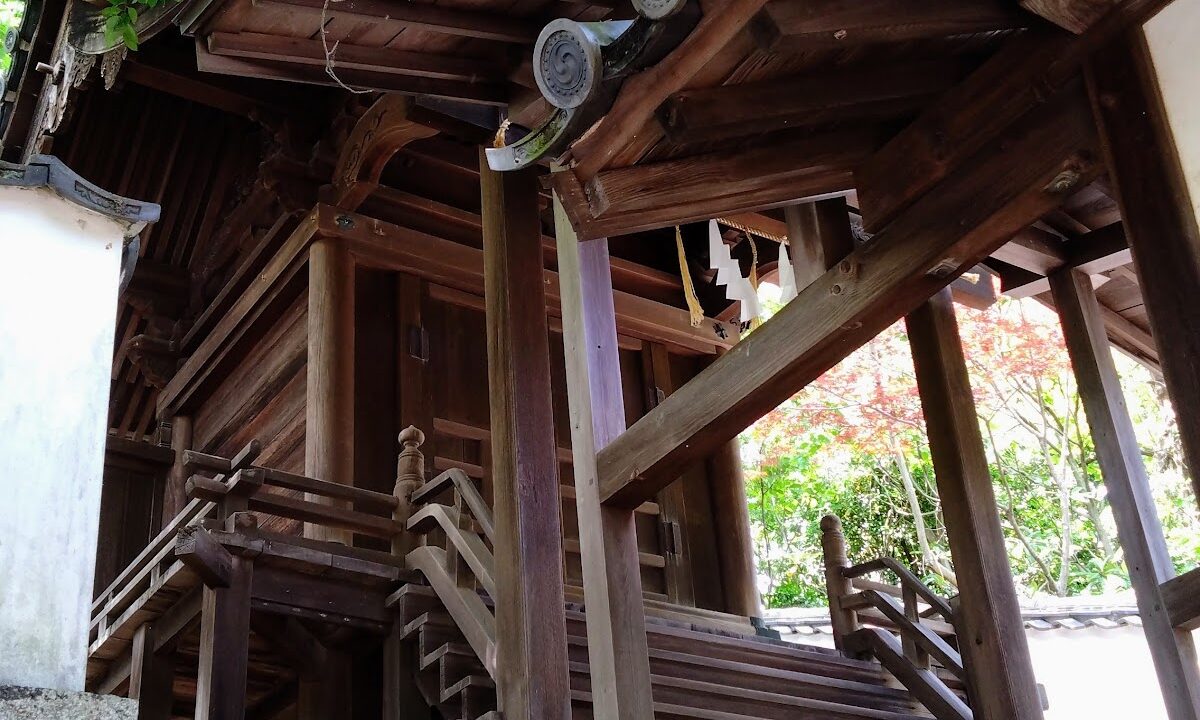
The shrine buildings of Iwatake Shrine preserve the traditional style of shrine architecture. Both the main hall and the worship hall are carefully maintained by local parishioners and worshippers, creating a refreshing atmosphere.
Subsidiary Shrines
In addition to the main hall, several subsidiary shrines are enshrined within the grounds, each housing a different deity. Visiting these subsidiary shrines allows you to receive even more divine blessings.
Natural Environment
The area surrounding the shrine is blessed with abundant nature, allowing visitors to enjoy beautiful scenery throughout the seasons. Especially during the fresh greenery of spring and the vibrant autumn foliage, the grounds are enveloped in the beautiful colors of nature.
Annual Events and Festivals
Grand Festival
Iwatake Shrine holds its annual grand festival every year. This festival is one of the most important events in the region, attracting many parishioners and worshippers. Traditional festival rituals, such as the procession of the portable shrine and offering ceremonies, are performed. ### First Shrine Visit of the New Year
Many worshippers visit shrines for their first shrine visit of the year to pray for safety and happiness throughout the year. Many shrines in Hiroshima Prefecture hold special prayers from New Year’s Day through the third day of the year, and Iwatake Shrine also accepts New Year’s prayers.
Other Annual Events
- Setsubun Festival: Events such as bean-throwing
- Summer Purification Ceremony: A Shinto ritual to purify oneself of the impurities accumulated over the past six months
- Shichi-Go-San Ceremony: Celebrating the growth of children
- Year-End Purification Ceremony: Purifying oneself of the impurities accumulated over the past year
Etiquette and Manners for Visiting a Shrine
Basic Etiquette for Visiting a Shrine
There are basic etiquette rules for visiting a shrine:
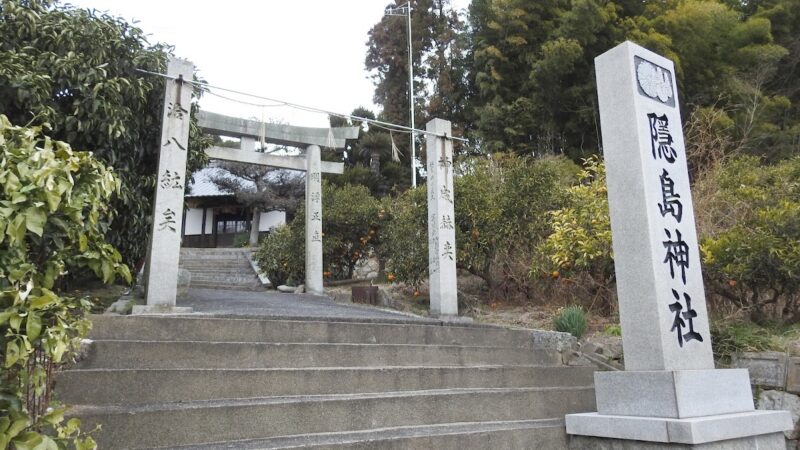
- Bow before passing through the torii gate: A sign of respect before entering the sacred area
- Purify yourself at the water basin: Purify your left hand, right hand, and mouth in that order
- Walk along the edge of the path: The center is the path for the gods
- Etiquette in front of the main hall: Two bows, two claps, and one bow are the basics
The Meaning of Offerings
Offerings express gratitude to the gods. What’s important isn’t the amount, but the sincerity with which you offer your donation.
Photography Etiquette
Photography is generally permitted on the shrine grounds, but please refrain from taking photos inside the shrine buildings or during religious ceremonies. Also, please be considerate of other visitors.
About Goshuin (Shrine Seals)
What is a Goshuin?
A Goshuin is a seal given by a shrine as proof of worship. In recent years, collecting Goshuin has become popular, and many shrines in Hiroshima Prefecture now offer them.
Etiquette When Receiving a Goshuin
- Always pray before receiving a Goshuin.
- Prepare a Goshuin notebook (it’s not a stamp rally).
- Check the shrine office’s opening hours.
- Prepare the offering (please bring the exact amount).
Access Information
Location
Access to Iwatake Shrine will involve using the transportation network within Hiroshima Prefecture. Hiroshima Prefecture is divided into many municipalities, including Hiroshima City, Hatsukaichi City, and Onomichi City. Therefore, it is important to confirm the exact location of the shrine beforehand.
Access by Public Transportation
To access shrines in Hiroshima Prefecture, you can use public transportation such as the JR Sanyo Main Line and Hiroshima Electric Railway. You may also need to take a bus or taxi from the nearest station.
Access by Car
If you are visiting by private car, you will use the Sanyo Expressway and national highways. It is recommended to check the availability of parking in advance.
Shrine Culture in Hiroshima Prefecture
Role of the Hiroshima Prefectural Shrine Association
The Hiroshima Prefectural Shrine Association is a local branch of the Association of Shinto Shrines, a religious corporation that oversees 80,000 shrines nationwide that consider Ise Grand Shrine as their head shrine. Located at 313-1 Kamihira, Hatsukaichi City, Hiroshima Prefecture, it is responsible for coordinating the affairs of shrines within the prefecture, training Shinto priests, and preserving traditional culture.
Major Shrines in Hiroshima Prefecture
Besides Iwatake Shrine, Hiroshima Prefecture has many other historically significant shrines:
- Itsukushima Shrine: A symbol of Miyajima, one of Japan’s three most scenic spots and a World Heritage Site
- Shioya Shrine: Known for its blessings in matchmaking
- Waseda Shrine: Dedicated to Hachiman, the god of martial arts
- Sumiyoshi Shrine: The god of safe voyages and maritime protection
These shrines each possess unique blessings and histories, forming a rich religious culture in Hiroshima Prefecture.
Shrines and Power Spots in Hiroshima
In recent years, shrine pilgrimages as power spots have gained attention. Hiroshima Prefecture has many famous power spots, including Itsukushima Shrine, attracting many visitors seeking improved luck and the fulfillment of their wishes.
Points to Note When Visiting Shrines
Regarding Clothing
While there are no specific dress code requirements for visiting shrines, it is advisable to dress appropriately, as it is a sacred place. Especially when receiving prayers, avoid overly casual attire.
Visiting Hours
Many shrines are open for worship during the day, but the reception hours for the shrine office are limited. If you wish to receive a Goshuin (shrine stamp) or amulet, check the reception hours in advance.
Weather Considerations
Hiroshima Prefecture has a relatively mild climate due to the Seto Inland Sea, but summers can be hot and winters can be cold. Dress appropriately for the season and be prepared for rain.
Nearby Tourist Attractions
Highlights in Hiroshima City
When visiting Iwatake Shrine, you can also visit tourist attractions in Hiroshima City and the surrounding area. Hiroshima City is a city where history and culture thrive, with attractions such as Peace Memorial Park and Hiroshima Castle.
Miyajima Area
Miyajima, a representative tourist destination in Hiroshima Prefecture, is known as a sacred island centered around Itsukushima Shrine. The shrine buildings, built by Taira no Kiyomori, along with the large torii gate floating in the sea, create one of Japan’s most iconic landscapes.
Onomichi Area
Onomichi City is home to many shrines and temples, including shrines dedicated to Sugawara no Michizane, the god of learning, and Itsukushima Shrine in Mukaijima-cho. Known as a town of hills, Onomichi is an ideal area for strolling.
About Prayers at Shrines
Types of Prayers
At shrines throughout Hiroshima Prefecture, including Iwatake Shrine, you can receive various types of prayers:
- Exorcism/Protection from Misfortune: Protection from misfortune for those in their unlucky years
- Family Safety: Prayers for the health and peace of the family
- Business Prosperity: Prayers for the development of your business
- Traffic Safety: Blessings for cars, etc.
- Prayers for Safe Childbirth: Prayers for the health of mother and child
- Prayers for Success in Exams: Prayers for success in exams
How to Apply for Prayers
If you wish to receive prayers, please apply at the shrine office. Reservations may be required, so it is recommended to check by phone in advance. It’s a good idea to confirm the offering fee (prayer fee) in advance for a smoother experience.
Shrines and Local Communities
Ujiko System
Iwatake Shrine is supported by the people of the local community as the guardian deity of the area. Ujiko are people who live in the area where the shrine is located and cooperate in the maintenance and management of the shrine and the operation of festivals.
Connection to Local Events
Shrines also function as centers for traditional local events and cultural activities. Festivals such as the annual grand festival serve as a place for intergenerational exchange and play an important role in deepening community bonds.
Amulets and Offerings
Various Amulets
Shrines offer a variety of amulets:
- Exorcism Amulet: Protects against misfortune
- Traffic Safety Amulet: Amulet for safe driving
- Health Amulet: For recovery from illness and improved health
- Academic Success Amulet: For academic improvement
- Matchmaking Amulet: For finding a good partner
How to Handle Amulets
Amulets are believed to contain a divided spirit of the gods. It is customary to carry them carefully and return them to the shrine after about a year to receive a new one.
Visiting Shrines in Hiroshima Prefecture
Recommendations for Visiting Shrines
There are over 2,400 shrines in Hiroshima Prefecture, each with its own unique history and blessings. Visiting multiple shrines allows for a deeper understanding of Hiroshima’s history and culture.
Efficient Visiting Methods
When visiting shrines, it is efficient to visit them in groups by region. Shrines are scattered throughout Hiroshima Prefecture, including Naka Ward, Higashi Ward, Nishi Ward, Minami Ward, Saeki Ward in Hiroshima City, Hatsukaichi City, Otake City, and Aki District.
Etiquette for Visiting Shrines
Even when visiting multiple shrines, it’s important to respectfully pay your respects at each one. Instead of treating it like a stamp rally, reflect on the history of each shrine and the deities enshrined there.
Summary
Iwatake Shrine, a historical shrine located in Hiroshima Prefecture, has played a central role in local faith. As one of the more than 2,400 shrines belonging to the Hiroshima Prefectural Shrine Association, it continues to pass on tradition and faith to the present day.
Visiting a shrine is a valuable opportunity to experience traditional Japanese culture. By observing proper etiquette and manners, and praying with a calm heart, you can enjoy a refreshing time away from the hustle and bustle of everyday life.
When visiting Hiroshima Prefecture, why not visit not only famous shrines like Itsukushima Shrine, but also locally rooted shrines like Iwatake Shrine? You will be able to experience the unique charm of each shrine and the deep faith of the local people.
When visiting, we recommend checking the location, access methods, and opening hours of the shrine in advance and planning your visit with ample time. May your visit be a fulfilling and rewarding one.