Toyoni Shrine (Hiroo Town, Hokkaido): History and Charm | Complete Guide to Deities, Festivals, and Access
About Toyoni Shrine
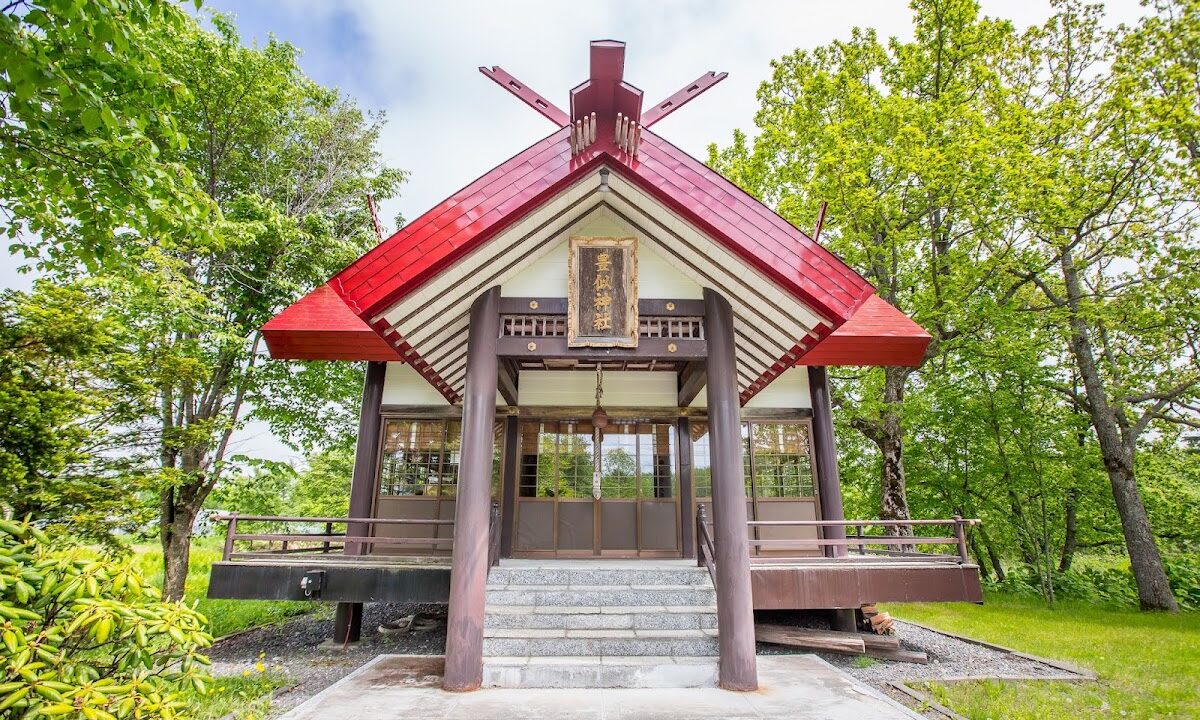
Toyoni Shrine is a Shinto shrine located in Hiroo Town, Hiroo District, Hokkaido. It is a historical shrine that has been protected as a spiritual center for the local people since the pioneering days of Hokkaido, and continues to attract the faith of local residents. As a shrine belonging to the Hokkaido Shrine Association, it plays an important role in conducting local rituals and annual events.
Hiroo Town is located at the southern tip of the Tokachi region, a naturally rich area facing the Pacific Ocean. Toyoni Shrine has walked hand in hand with the history of development in this region and has been passed down as a central presence in the local community to this day.
Basic Information about Toyoni Shrine
Location and Access
Location: Hiroo-cho, Hiroo-gun, Hokkaido
Transportation:
- Approximately 2 hours by Tokachi Bus bound for Hiroo from JR Obihiro Station
- Approximately 1 hour 30 minutes by car from Obihiro city center via National Route 236
- A few minutes by car from Hiroo town center
Hiroo-cho is located midway between Obihiro City and Cape Erimo and is known as the gateway to the sea in the Tokachi region. While private car access is convenient, public transportation is available via Tokachi Bus routes.
Deities Enshrined
Toyoni Shrine enshrines deities who protect the development and progress of the region and the peace and well-being of its inhabitants. Like many shrines in Hokkaido, it has the character of a pioneering shrine and has been a center of faith for settlers.
Shrine Buildings and Grounds
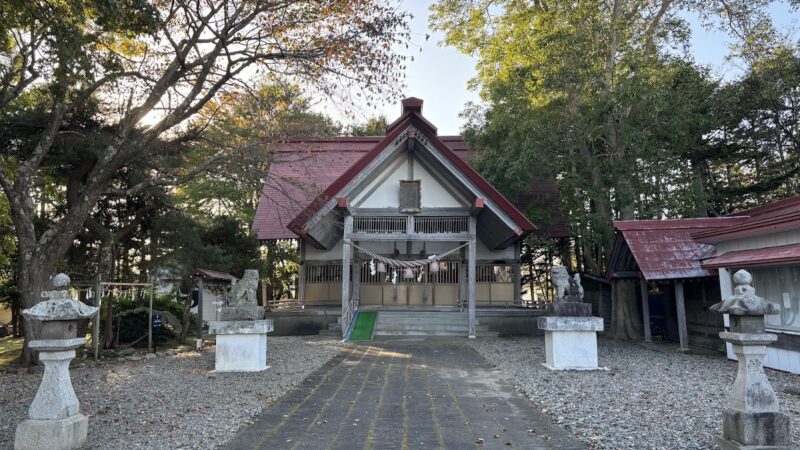
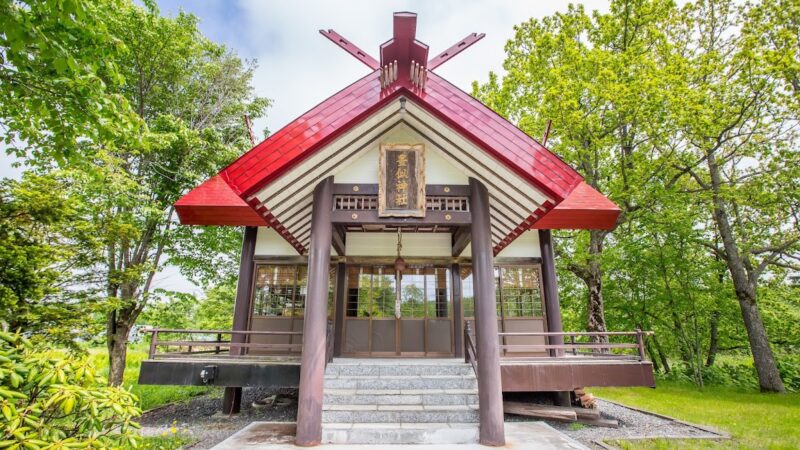
Shrine Building Style: Shinmei-zukuri
Shrine Building Area: Renovated in 1985
Grounds Area: Maintains an appropriate size as a place of worship for the community
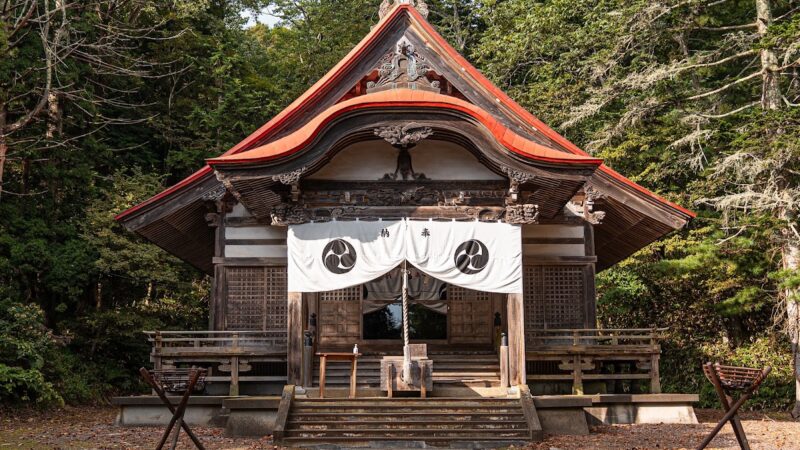
Shinmei-zukuri is a traditional Japanese shrine architectural style, exemplified by Ise Grand Shrine, characterized by its simple and pure appearance. Toyoni Shrine’s buildings also follow this traditional style.
Annual Festivals and Events
Various Shinto rituals are performed at Toyoni Shrine throughout the year. The spring and autumn festivals, in particular, are important community events, with many parishioners and local residents participating.
Annual Festival Dates: Twice a year (Spring and Autumn)
During these festivals, solemn rituals are performed to pray for a bountiful harvest, community safety, and the health of residents. In the past, entertainment such as children’s sumo wrestling and folk songs were also held, and it functioned as a place for community interaction.
Number of Parishioner Households
The parishioners supporting Toyoni Shrine consist of local residents, primarily from the Toyoni district of Hiroo Town. In rural areas of Hokkaido, where depopulation is progressing, they play a crucial role in preserving local traditions and culture.
History and Origins of Toyoni Shrine
Meiji Era: Founding of the Shrine
The history of Toyoni Shrine dates back to August 1908 (Meiji 41). It is said to have begun when Kanjiro Inoue, during the settlement of his group, invited a sacred amulet from Otokoyama Hachimangu Shrine in Kyoto and enshrined it as a shrine within the grounds.
The Meiji era was a time when the development of Hokkaido intensified, and many settlers from various parts of Honshu migrated to Hokkaido in search of a new life. The Toyoni district was one such area, and the settlers invited the gods of their hometowns for spiritual support.
Otokoyama Hachimangu Shrine is another name for Iwashimizu Hachimangu Shrine, located in Yawata City, Kyoto Prefecture, and has been widely worshipped as a god of military fortune. For the settlers facing the arduous task of pioneering, the protection of Hachiman-sama must have been a source of strength.
As a Guardian Deity of the Region
Since its founding, Toyoni Shrine has served as a guardian deity of the region, holding protective rituals twice a year, in spring and autumn. These festivals included not only religious ceremonies but also entertainment such as children’s sumo wrestling and folk songs, providing people with opportunities for enjoyment and interaction amidst the harsh life of the pioneering settlement.
These festivals were more than just religious events; they played an important social role in strengthening the bonds of the local community. In the pioneering settlement, mutual assistance was directly linked to survival, and fostering a sense of community centered around the shrine was extremely important.
Early Showa Period: Formal Shrine Construction
Although the festivals were temporarily suspended, in 1930 (Showa 5), a discussion arose among volunteers, including Soichi Goto, regarding the construction of a shrine. They applied to the Hokkaido Prefectural Government for subsidies for a pioneering shrine and received approval.
Architectural Details:
- Structure: Wooden with corrugated iron roof
- Subsidy: 1,600 yen
- Total Cost: 2,100 yen
2,100 yen in the early Showa period is a considerable amount in today’s value, demonstrating the passion the local residents poured into the shrine’s construction. The fact that they also received a subsidy from the Hokkaido Prefectural Government indicates that Toyoni Shrine was recognized as a public religious facility in the region.
1985: Reconstruction of the Shrine
In 1985 (Showa 60), the shrine was reconstructed due to its cramped size and deterioration. The reconstruction was completed in August of the same year, resulting in the current shrine building. This reconstruction created a more comfortable and safer environment for worshippers, which remains the case today.
The old shrine building, used for over 50 years, had deteriorated under Hokkaido’s harsh climate, but a new shrine was built through the efforts of the local residents. This reconstruction project also demonstrates the deep faith the local people have in the shrine.
Hokkaido Shrine Association and Toyoni Shrine
What is the Hokkaido Shrine Association?
The Hokkaido Shrine Association is the organization that oversees shrines throughout Hokkaido. Its headquarters are located at 474-35 Miyagaoka, Chuo-ku, Sapporo City, and it provides support for the operation of shrines throughout Hokkaido, trains Shinto priests, and provides guidance on Shinto rituals.
Toyoni Shrine is also affiliated with the Hokkaido Shrine Association, and its proper management and rituals are carried out under the association’s guidance. Detailed information about Toyoni Shrine is also available on the Hokkaido Shrine Association’s website, providing information to those wishing to visit.
Toyoni Shrine as a Religious Corporation
Toyoni Shrine is a religious corporation under the jurisdiction of the prefectural governor, and has acquired legal personality after certification by the Governor of Hokkaido. On October 5, 2015, it was issued a corporate number by the National Tax Agency, and is officially recognized as a corporation.
As a result, Toyoni Shrine conducts proper accounting and asset management as a religious corporation, achieving highly transparent operations.
Shrine Visit Etiquette and Rituals
Basic Shrine Visit Etiquette
When visiting Toyoni Shrine, please observe the following basic etiquette.
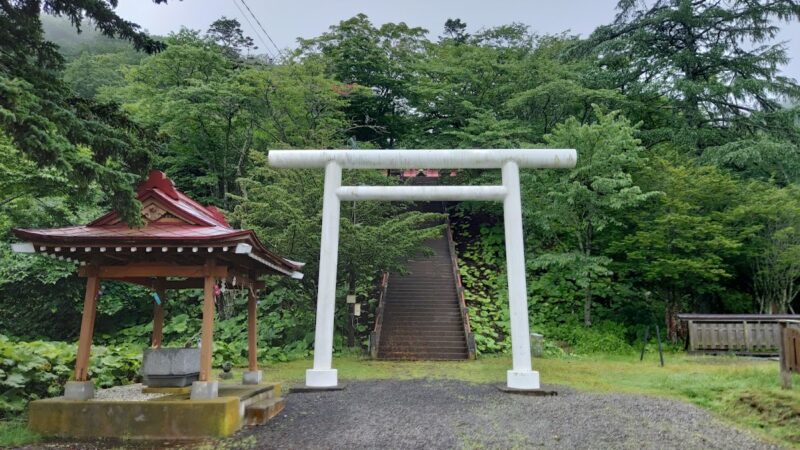
How to pass through the torii gate:
- Bow before passing through the torii gate.
- Walk along the edge of the path, as the center is considered the path of the gods.
How to perform the purification ritual:
- Take the ladle with your right hand and purify your left hand.
- Switch the ladle to your left hand and purify your right hand.
- Switch the ladle back to your right hand, receive water in your left hand, and rinse your mouth.
- Purify your left hand once more.
- Hold the ladle upright, let water flow down the handle, and return it to its original position.
How to perform the ritual at the main hall (two bows, two claps, one bow):
- Gently place your offering in the offering box.
- If there is a bell, ring it.
- Bow deeply twice.
- Clap your hands twice at chest height.
- Put your hands together and pray.
- Finally, bow deeply once.
Annual Events at Shrines in Hokkaido
Shrines in Hokkaido hold various annual events according to the seasons.
Main Annual Events:
- New Year’s Day Festival (January 1st): Celebrating the New Year and praying for peace throughout the year
- Setsubun Festival (around February 3rd): Driving away evil spirits with bean-throwing
- Spring Grand Festival: Praying for a bountiful harvest
- Summer Purification Ceremony (June 30th): Purifying oneself of sins and impurities accumulated over the past six months
- Autumn Grand Festival: Giving thanks for the harvest
- Shichi-Go-San (around November 15th): Celebrating the growth of children
- Year-End Purification Ceremony (December 31st): Purifying oneself of sins and impurities accumulated over the past year
These rituals are also performed at Toyoni Shrine, supporting the religious lives of the local people.
Life Rituals and Family Worship
Life Rituals
Shrines perform various rituals at important milestones in life.
Main Life Rituals:
- Prayer for Safe Childbirth: Performed on the Day of the Dog in the fifth month of pregnancy
- First Shrine Visit: The baby’s first visit to a shrine, performed around 30 days after birth
- Shichi-Go-San: Celebrating the growth of children at ages 3, 5, and 7
- Coming-of-Age Ceremony: Reporting to the gods that one has reached adulthood
- Exorcism of Misfortune: Praying to ward off misfortune during the unlucky year
- Wedding Ceremony: Exchanging wedding vows before the gods
Family Rituals and the Worship of the Shinto Altar
The worship of the Shinto altar in the home is also an important element of Shinto faith. The altar enshrines the Jingu Taima (Ise Grand Shrine amulet) and the amulet of the local guardian deity.
How to Worship a Shinto Altar:
- Place it in a clean place, such as the living room where the family gathers.
- Place it higher than eye level.
- Facing south or east is ideal.
- Do not fail to offer daily offerings (rice, salt, and water).
- Make daily morning prayers a habit.
The Hokkaido Shrine Association provides leaflets and promotional materials on how to worship a Shinto altar, supporting religious practices in the home.
The Charms of Hiroo Town and Toyoni District
Overview of Hiroo Town
Hiroo Town is located at the southernmost tip of the Tokachi region, facing the Pacific Ocean, and has a population of approximately 6,000. Known as the hometown of Santa Claus, it is promoting itself as “Santa Land.”
Main Features of Hiroo Town:
- Fishing is a thriving industry, particularly known for its kelp production.
- Dairy farming is the main agricultural activity.
- Toyoni Lake (famous for its heart shape)
- A base for accessing Cape Erimo
History of the Toyoni Area
The Toyoni area is located in the inland part of Hiroo Town and was developed during the Meiji era. Toyoni Shrine is an important cultural heritage site that conveys the history of the area’s development.
Although it is currently experiencing depopulation, it retains a rich natural environment and a quiet rural landscape, allowing visitors to enjoy scenery typical of Hokkaido.
Nearby Tourist Spots
Toyoni Lake
Toyoni Lake is a tourist spot that has recently attracted attention as a “heart-shaped lake.” Because it looks like a heart from above, it is also popular as a power spot for love. It is a place you should definitely visit when you visit Toyoni Shrine.
Hiroo Town Center
The center of Hiroo Town has facilities themed around Santa Claus and a market where you can buy fresh seafood. The view overlooking the Pacific Ocean is beautiful, making it a perfect rest stop during a drive.
Cape Erimo
Located about 30 minutes by car from Hiroo Town, Cape Erimo is one of Hokkaido’s most representative scenic spots. Known for its strong winds, the cape offers magnificent views of the Pacific Ocean.
Hokkaido’s Shrine Culture
Characteristics of Hokkaido’s Shrines
Many shrines in Hokkaido were founded in conjunction with the development of the region after the Meiji era. Therefore, they have characteristics different from the ancient shrines of Honshu.
Characteristics of Hokkaido’s Shrines:
- Many have the character of pioneering shrines
- They enshrine deities invited from famous shrines throughout Honshu
- They play a strong role as the center of the local community
- Although they have a relatively recent history, they are important cultural heritage sites of the region
Role as Pioneer Shrines
Many shrines in Hokkaido, including Toyoni Shrine, have played the role of pioneering shrines. For the pioneers who engaged in the difficult task of clearing undeveloped land, shrines were a source of spiritual support and a place to strengthen community bonds.
Even today, these shrines are carefully preserved as important institutions that convey the history and culture of the region.
Notes and Manners for Visiting Shrines
Attire
While no special attire is required for visiting a shrine, clean and subdued clothing is desirable as a sign of respect for the deities.
- Avoid revealing clothing
- Shoes are preferable to sandals
- Remove hats before passing through the torii gate
Photography
Photography is generally permitted on the shrine grounds, but please note the following:
- Photography inside the main hall may be prohibited
- Refrain from taking photos during Shinto rituals
- Be considerate of other visitors
- Use flash sparingly
Visiting in Winter
Winter in Hokkaido brings snowfall and sub-zero temperatures. Please note the following when visiting in winter.
- Take sufficient precautions against the cold
- Wear non-slip shoes
- Be careful of icy roads
- Check the snow removal status of the approach to the shrine in advance
Inquiries about Toyoni Shrine
For detailed information about Toyoni Shrine and inquiries regarding visiting, please contact the Hokkaido Shrine Association.
Hokkaido Shrine Association
- Address: 474-35 Miyagaoka, Chuo-ku, Sapporo, Hokkaido 064-0959
- Information on each shrine can be found on the official website of the Hokkaido Shrine Association.
If you have requests for prayers or rituals at the shrine, or questions regarding visiting, it is recommended that you contact them in advance.
Summary
Toyoni Shrine is a valuable shrine that conveys the history of Hokkaido’s development during the Meiji era. From its founding by Kanjiro Inoue, through the construction of the shrine building in the early Showa period and the renovation in 1985, it continues to attract the faith of local people.
Located in Hiroo-cho, Hiroo-gun, at the southern tip of the Tokachi region, Toyoni Shrine has played an important role as the guardian deity of the area. Its history is intertwined with the history of Hokkaido’s development, conveying the hardships and faith of the pioneers to this day.
When visiting Hokkaido, in addition to famous tourist spots like Sapporo and Hakodate, visiting locally rooted shrines like Toyoni Shrine will allow you to gain a deeper understanding of Hokkaido’s history and culture. Be sure to visit it along with surrounding tourist spots such as Lake Toyoni.
Visiting the shrine will be a valuable experience, allowing you to reflect on the history of Hokkaido’s development and connect with the faith and culture that the local people have preserved.