Reikoden Tenmangu Shrine (Kyoto Prefecture) Complete Guide | Unbeatable Blessings and Goshuin Information
Nearly nestled in Kamigyo Ward, Kyoto City, Reikoden Tenmangu Shrine is a rare shrine nationwide that enshrines both Sugawara no Michizane, known as the god of learning, and Tokugawa Ieyasu, the founder of the Edo Shogunate, in the same shrine building. With the inscription “Unbeatable, Guaranteed Victory” carved into the torii gate, this shrine attracts fervent devotion from students taking exams and those facing competitions.
This article comprehensively introduces all the information you need to know before visiting Reikoden Tenmangu Shrine, including its history, enshrined deity, goshuin (shrine stamp), highlights of the grounds, and access methods.
History and Origins of Reikoden Tenmangu Shrine
Origins of the Shrine and its Beginning in Wakae, Kawachi Province
The founding of Reikoden Tenmangu Shrine dates back to the second year of the Kanjin era (1018). It is said that Sugawara no Sadayoshi (or possibly Sugawara no Yoshisato), a sixth-generation descendant of Sugawara no Michizane, built a shrine in Wakae District, Kawachi Province (present-day Wakae area, Higashi-Osaka City, Osaka Prefecture) at the command of Emperor Go-Ichijo.
This area of Wakae in Kawachi Province is said to be a historical site where Sugawara no Michizane stopped on his way to exile in Kyushu, and it is also said to have been part of his territory. Sugawara no Sadayoshi founded the Tenmangu shrine in this place to commemorate the virtues of Michizane.
Origin of the Name “Reikoden”
Later, the shrine was relocated to its current location in Kyoto. A mystical legend surrounds this relocation. It is said that when Sugawara no Michizane was exiled, a divine revelation occurred in this area, describing a ray of light descending from the heavens. This miraculous event led to the shrine being named “Reikoden” (Sacred Light Hall).
This name, “Reiko” (sacred light), is a crucial origin of the shrine, serving to prove Michizane’s innocence and demonstrate his spiritual power.
The Ōnin War and the Edo Period Restoration
During the Ōnin War (1467-1477), like many temples and shrines in Kyoto, Reikoden Tenmangū Shrine fell into ruin. However, in the Edo period, during the Kan’ei era (1624-1644), the Wakae family dedicated themselves to its restoration, and the shrine was revived.
Notably, Tokugawa Ieyasu was enshrined during this period. This established a rare national practice of enshrining two deities—Tokugawa Ieyasu and Sugawara no Michizane, representing both military and literary figures—in the same shrine building.
During the Hōreki era (1751-1764), the shrine was moved from Tōnodan to its current location, and since then, it has been revered as the local guardian deity.
The Mongol Invasions and Divine Power
During the reign of Emperor Go-Uda, when the Mongol invaders attacked, the Emperor performed a ritual at this shrine to subdue the invaders. It is said that this prayer was successful, and the divine power of Reikōden Tenmangū Shrine was recognized by the imperial court, and its divine influence is said to have grown ever stronger.
Deities and Sacred Object
Main Deity: Sugawara no Michizane
The main deity of Reikōden Tenmangū Shrine is Sugawara no Michizane (845-903), who is revered nationwide as the god of learning.
Sugawara no Michizane was a scholar and politician of the Heian period, and is also known as an excellent Chinese poet. He rose to the position of Minister of the Right, but was demoted and exiled to Dazaifu due to false accusations, where he died. Afterward, a series of natural disasters occurred in the capital, which were attributed to the vengeful spirit of Michizane, leading to his enshrinement as Tenman Daijizai Tenjin.
Currently, he is widely worshipped not so much as a vengeful spirit, but as the god of learning, literature, and calligraphy, and as a guardian deity for passing examinations and achieving academic success.
Enshrined Deity: Tokugawa Ieyasu
The other deity enshrined at Reikoden Tenmangu Shrine is Tokugawa Ieyasu (1543-1616), the first shogun of the Edo shogunate.
Ieyasu, who ended the Sengoku period and established the Edo shogunate which lasted for over 260 years, is worshipped as the god of victory, good fortune, and prosperity. After his death, he was enshrined as Toshodai Gongen at Nikko Toshogu Shrine and deified.
Shrines that enshrine both Sugawara no Michizane and Tokugawa Ieyasu in the same building are extremely rare nationwide, and visitors come seeking the blessings of “excellence in both literary and martial arts” and “invincibility.”
The Blessing of “Invincibility” and Divine Virtues
The Imperial Calligraphy Plaque on the Torii Gate: “Invincible, Guaranteed Victory”
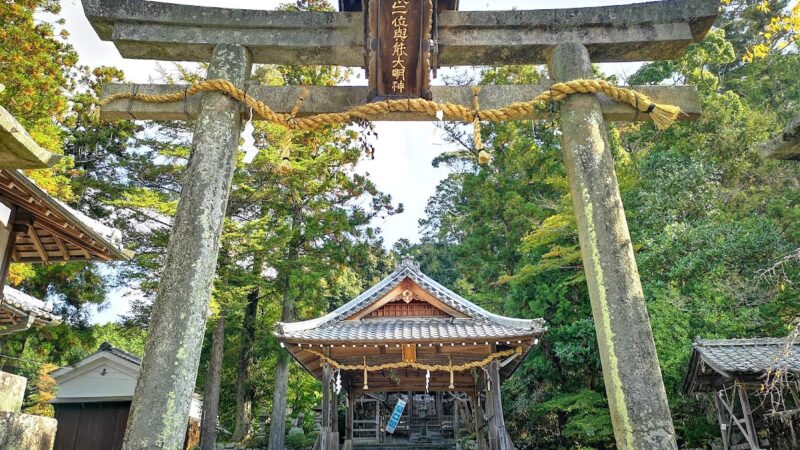
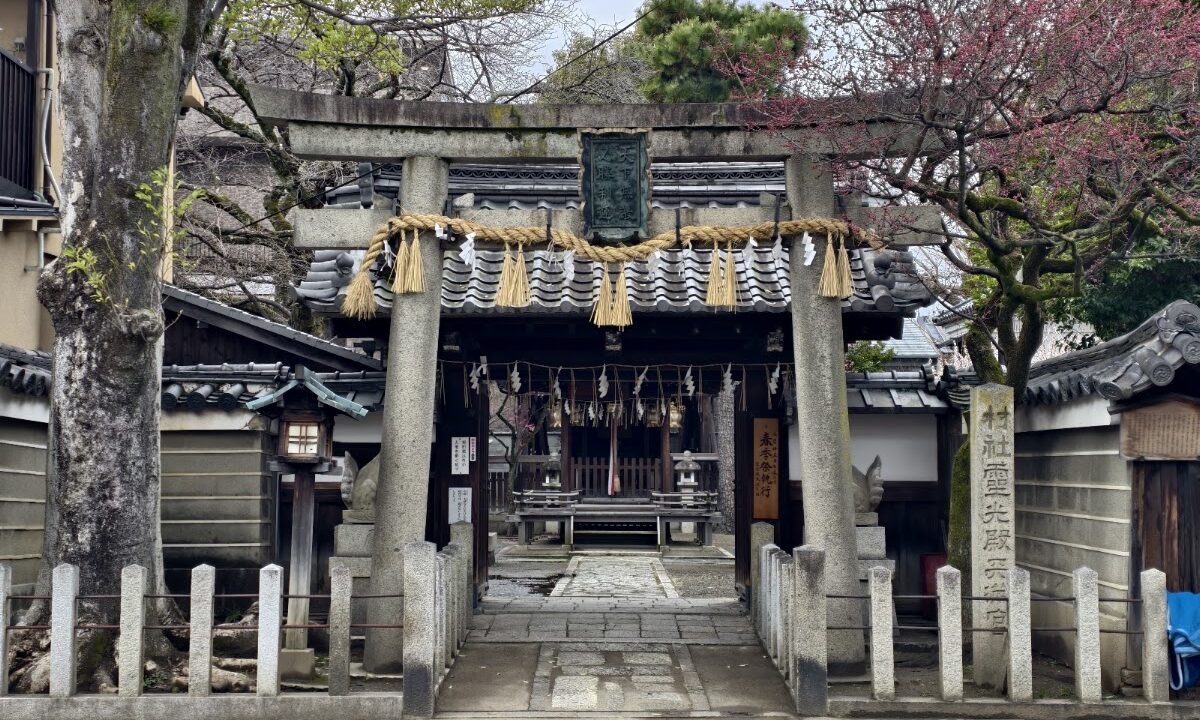
The most distinctive feature of Reikoden Tenmangu Shrine is the imperial calligraphy plaque on the stone torii gate at the front, inscribed with “Invincible, Guaranteed Victory.” These powerful words leave a strong impression on visitors and serve as a source of strength for those facing competition.
Main Blessings
The following blessings are believed to be worshipped at Reikoden Tenmangu Shrine:
Benefits from Sugawara no Michizane
- Academic success and passing exams
- Improvement in calligraphy and literary arts
- Virtue of sincerity and honesty
- Redress of wrongful convictions and realization of justice
Benefits from Tokugawa Ieyasu
- Victory and improved luck in competitions
- Good fortune and success in life
- Health and longevity (Ieyasu lived a long life for his time)
- Business prosperity and success
Synergistic effect of both deities
- Achievement in both academics and martial arts
- Invincible mental strength
- Overcoming difficulties and adversity
Not only students taking exams, but also athletes, business people, entrepreneurs, and many others facing various “competitions” visit this shrine.
Highlights and cultural assets within the shrine grounds
Magnificent stone torii gate and entrance
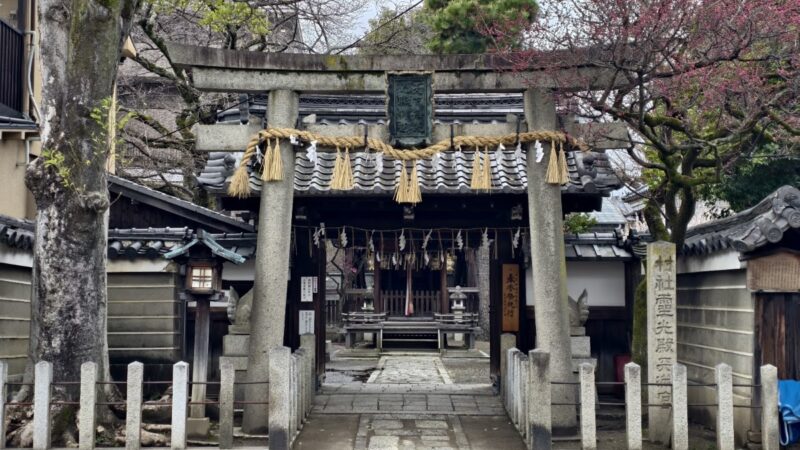
Upon entering the grounds of Reikoden Tenmangu Shrine, the first thing that catches your eye is the magnificent stone torii gate in front. This torii gate is a magnificent structure that speaks to the shrine’s status, and it displays the aforementioned plaque inscribed with the words “Invincible, Guaranteed Victory.”
Beyond the torii gate, there is also a gate, and the orderly layout of the small shrine grounds is impressive.
Main Shrine and Sanctuary
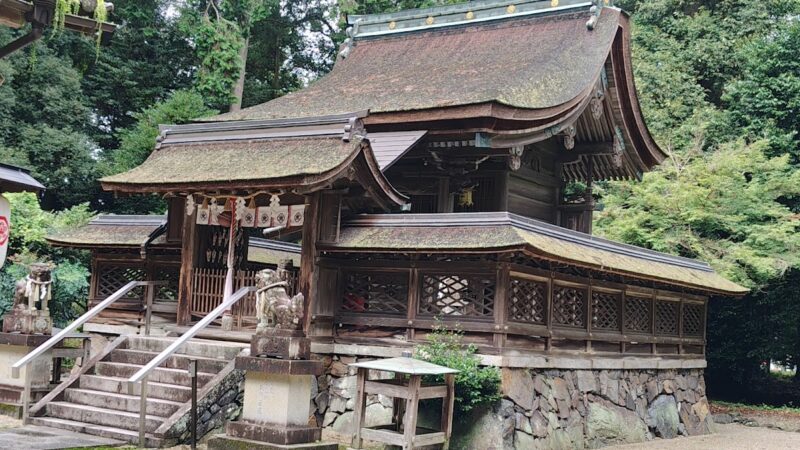
The main shrine is a valuable building that retains the architectural style of the Edo period. It has a unique form, enshrining both Sugawara no Michizane and Tokugawa Ieyasu in the same sanctuary, and the interior of the sanctuary is meticulously maintained.
Although the shrine grounds are small, they are neatly maintained in every corner, reflecting the deep faith of the local people and parishioners.
Subsidiary Shrines and Stone Monuments
Small subsidiary shrines and stone monuments are scattered throughout the grounds, giving it the charm befitting a shrine with a long history. When visiting, be sure to pay attention to these historical sites.
Seasonal Scenery
Reikoden Tenmangu Shrine is located in a residential area of Kamigyo Ward, Kyoto City. The shrine grounds feature seasonal plants, allowing visitors to enjoy the beauty of each season, such as plum blossoms in spring and autumn leaves.
Information on Goshuin (Shrine Seals) and Goshuincho (Shrine Seal Books)
About Receiving Goshuin
Reikoden Tenmangu Shrine offers Goshuin. Goshuin serve as proof of worship and are important for establishing a connection with the shrine.
How to Obtain a Goshuin
- Press the intercom at the shrine office to request one.
- Often handled by an elderly male priest.
- They write them carefully.
Features of the Goshuin
- Ink calligraphy of “Reikoden Tenmangu”
- Shrine’s red seal
- Simple yet powerful calligraphy
About Goshuincho (Shrine Seal Books)
It is recommended to check before visiting whether they have original Goshuincho. There are many Tenmangu shrines in Kyoto City, and each may have its own unique Goshuincho. ### Etiquette for Receiving a Goshuin (Shrine/Temple Stamp)
- First, complete your prayers at the main shrine.
- Politely request a Goshuin at the shrine office.
- Prepare the Goshuin fee (generally 300-500 yen).
- Open your Goshuin book and hand it over.
- Wait quietly while the stamp is being written.
- Express your gratitude upon receiving the stamp.
A Goshuin is not a “stamp rally,” but an important symbol of your connection with the gods. Receive it with respect.
Access and Transportation Information
Basic Information
Location
365 Tokudaiji-dono-cho, Kamigyo-ku, Kyoto City, Kyoto Prefecture 602-0932
Nearest Station
Approximately 5 minutes on foot (approx. 426m) from Imadegawa Station on the Karasuma Subway Line
Access by Train
From Kyoto Station
- Take the Kyoto Municipal Subway Karasuma Line
- Get off at Imadegawa Station (approx. 9 minutes)
- Approximately 5 minutes on foot from Exit 6
From Shijo Kawaramachi Area
- Take the Kyoto Municipal Subway Karasuma Line from Shijo Station
- Get off at Imadegawa Station (approx. 5 minutes)
- Approximately 5 minutes on foot from Exit 6
Walking Route from Imadegawa Station
- Exit from Exit 6 of Imadegawa Station
- Proceed west along Imadegawa Street
- Approximately 400m west from Karasuma Street
- Entering Tokudaiji-dono-cho
- Reikoden Tenmangu Shrine comes into view amidst the residential area.
Access by Bus
If using Kyoto City Buses, get off at the “Karasuma Imadegawa” bus stop and walk for approximately 5 minutes.
Main Routes
- Numerous routes including Route 201 and Route 203
Access by Car and Parking
There is no dedicated parking lot for the shrine. If visiting by car, please use nearby coin-operated parking lots. However, since the roads in Kamigyo Ward, Kyoto City are narrow and there are many one-way streets, we recommend using public transportation.
Visiting Hours and Shrine Office Information
Visiting Hours
Entry to the shrine grounds is generally free, but please refrain from visiting early in the morning or late at night.
Recommended Visiting Hours
9:00 AM to around 5:00 PM
Shrine Office Hours
If you wish to receive a Goshuin (shrine stamp) or other items, you must visit during the hours when the shrine office is open.
General Hours
9:00 AM to 4:00 PM (may vary)
*Please note that the chief priest may be absent. If you wish to receive a Goshuin (temple/shrine stamp), it is recommended to check in advance.
Annual Events
As a Tenmangu shrine, the following annual events are expected to be held:
- New Year’s Visit (January 1st-3rd)
- Tenjin Festival (a festival related to the death anniversary of Sugawara no Michizane)
- Grand Festival
Please contact the shrine directly for detailed dates.
Nearby Shrines, Temples, and Surrounding Area
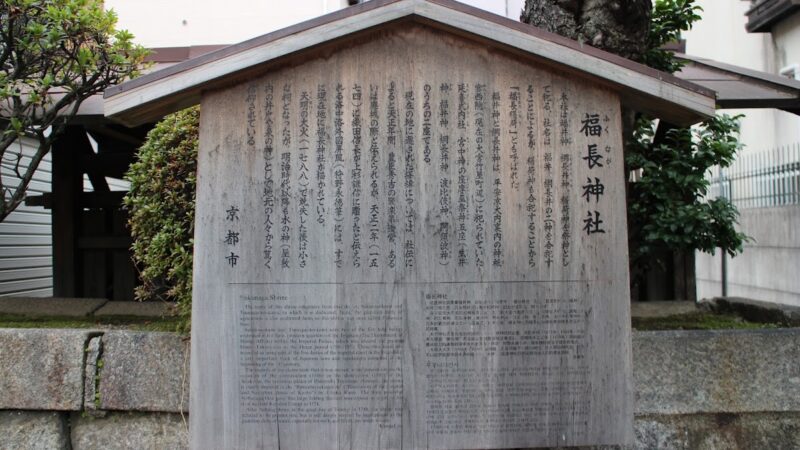
Fukucho Shrine
This shrine is located slightly east of Reikoden Tenmangu Shrine. It is in the same Kamigyo Ward, and many people visit both shrines together.
Goryo Shrine (Kami-Goryo Shrine)
Goryo Shrine, within walking distance of Imadegawa Station, is a historical shrine known as the birthplace of the Onin War. With its spacious grounds and magnificent shrine buildings, it’s highly recommended to visit it along with Reikoden Tenmangu Shrine.
Shokokuji Temple
The head temple of the Shokokuji branch of the Rinzai school of Zen Buddhism, it is also known as the head temple of Kinkakuji and Ginkakuji temples. Located within walking distance of Imadegawa Station, it boasts vast grounds and valuable cultural assets.
Kyoto Gyoen National Garden and Kyoto Imperial Palace
Kyoto Gyoen National Garden, located right near Imadegawa Station, is a vast park popular with both locals and tourists. The Kyoto Imperial Palace is also open to the public, making it a classic Kyoto sightseeing spot.
Doshisha University Imadegawa Campus
Near Reikoden Tenmangu Shrine is the Doshisha University Imadegawa Campus, adding to the vibrant student atmosphere. As a Tenmangu shrine dedicated to the god of learning, it attracts many students during exam season.
The Charm of Reikoden Tenmangu Shrine and Reasons to Visit
A Power Spot of “Invincibility”
The greatest charm of Reikoden Tenmangu Shrine is its blessings of success in competitions and academic achievement, symbolized by the powerful words, “Invincible, Guaranteed Victory.” It’s a shrine worth visiting at important junctures in life, such as exams, job hunting, promotions, and sports matches.
A Rare Combination of Deities
Shrines enshrining Sugawara no Michizane and Tokugawa Ieyasu in the same building are extremely rare nationwide, making it an ideal place to visit for those striving for excellence in both academics and martial arts. It is believed that one can receive both academic and martial arts power, wisdom and the ability to act.
A Quiet Worship Environment
Unlike famous temples and shrines crowded with tourists, Reikoden Tenmangu Shrine is a quiet shrine rooted in the local community. You can pray and calm your mind in a peaceful atmosphere.
Hidden Gem for Kyoto Sightseeing
Despite its convenient location just a 5-minute walk from Imadegawa Station, this “hidden gem” shrine is gaining attention among Kyoto enthusiasts as a place not yet widely known. It’s well worth a short detour after visiting major tourist spots.
Carefully Maintained Grounds
Although a small shrine, the grounds are meticulously maintained, reflecting the love and care of the priest and parishioners. This pure atmosphere cleanses the hearts of visitors.
Etiquette and Manners for Worship
Basic Worship Etiquette
- Bow Before Passing Through the Torii Gate
As a sign of respect before entering the sacred area, bow before the torii gate.
- Walk Along the Edge of the Path
The center of the path is considered the path of the gods, so walk along the edge.
- Purify at the Water Basin
If there is a water basin, purify your hands and mouth.
- Worship at the Main Shrine (Two Bows, Two Claps, One Bow)
- Place an offering.
- Bow deeply twice.
- Clap twice.
- Pray sincerely.
- Bow deeply once.
- Keep the Shrine Grounds Clean
Take your trash with you and refrain from making loud noises.
Photography Etiquette
Photography is generally permitted on the shrine grounds, but please observe the following etiquette:
- Refrain from taking photos inside the main shrine.
- Be considerate of other worshippers in your photos.
- Refrain from using flash photography.
- Do not take photos in areas where photography is prohibited.
- Remember to show respect to the shrine when posting on social media.
Summary: Experience the “Invincible” Power at Reikoden Tenmangu Shrine
Reikoden Tenmangu Shrine is a little-known power spot quietly nestled in a residential area of Kamigyo Ward, Kyoto City. This shrine enshrines two great deities, Sugawara no Michizane and Tokugawa Ieyasu, and welcomes visitors with the blessing of “invincibility and guaranteed victory.”
Since its founding in 1018, it boasts a history of over a thousand years, having been relocated from Wakae in Kawachi Province to Kyoto, devastated by the Onin War, rebuilt during the Edo period, and continuing to attract the faith of local people to the present day.
With its convenient access (5 minutes’ walk from Imadegawa Station), tranquil worship environment, meticulously maintained grounds, and above all, the powerful blessing of “invincibility,” Reikoden Tenmangu Shrine is a must-visit before important life challenges such as exams, job interviews, sports matches, and business negotiations.
Goshuin (shrine stamps) are also available, which can be received as a memento of your visit and as proof of your connection with the deities. After visiting Kyoto’s famous temples and shrines, Reikoden Tenmangu Shrine is a hidden gem well worth a short detour to, offering divine blessings to many.
If you aspire to excel in both academics and martial arts, seek courage to face challenges, pray for academic success, or desire to cultivate an invincible spirit, be sure to visit Reikoden Tenmangu Shrine. This sacred shrine, nurtured by a thousand years of history, is sure to support your wishes.