Complete Guide to Manzoku Inari Shrine (Kyoto Prefecture): The Charm and Blessings of a Hidden Gem Shrine Associated with Toyotomi Hideyoshi
Kyoto City’s Sakyo Ward is home to numerous shrines and temples, but among them stands one with a particularly unique name: Manzoku Inari Shrine. This shrine has deep ties to Toyotomi Hideyoshi, and learning about its name’s origin, history, and blessings will reveal a new charm to your Kyoto sightseeing.
What is Manzoku Inari Shrine?
Manzoku Inari Shrine is an Inari shrine located in Kitamonzen-cho, Higashioji-dori, Niomon-sagaru, Sakyo Ward, Kyoto City. Because its name evokes the word “satisfaction,” it is known as a hidden power spot visited by many worshippers.
Basic Information about the Shrine
- Location: Kitamonzen-cho, Higashioji-dori Niomon-sagaru, Sakyo-ku, Kyoto City, Kyoto Prefecture
- Deity Enshrined: Ukanomitama-no-Okami
- Founded: Tensho 17 (1589)
- Shrine Rank: Former Village Shrine
- Annual Festival: November 3rd every year
History and Origin of Manzoku Inari Shrine
Deep Connection with Toyotomi Hideyoshi
The founding of Manzoku Inari Shrine dates back to the time of Toyotomi Hideyoshi. It is said to have begun in Tensho 17 (1589), when Hideyoshi invited the Inari deity from Fushimi Inari Taisha Shrine when he built Fushimi Castle.
Hideyoshi enshrined the Inari deity in this location as the guardian deity of the northeast (demon’s gate) of Fushimi Castle. This shrine, which played a crucial role as the guardian deity of the castle, was originally called “Fushimi Inari.”
Origin of the Name “Manzoku”
There are several theories regarding the unusual name of Manzoku Inari Shrine.
Theory 1: Hideyoshi’s Satisfaction Theory
The most plausible theory is that Toyotomi Hideyoshi was very satisfied with the progress of the construction of Fushimi Castle and named this Inari shrine “Manzoku Inari” as a token of gratitude. It is believed that the name originated from his satisfaction with the divine power of the guardian deity of Fushimi Castle, which became the base for realizing Hideyoshi’s ambitions.
Theory 2: Place Name Origin Theory
Another theory suggests that the area was formerly called “Manzoku,” and the shrine was named after this place name. However, there is little conclusive evidence for this theory, and the former Hideyoshi theory is more widely believed.
Changes Since the Edo Period
After the Battle of Sekigahara in 1600, Fushimi Castle fell into the hands of Tokugawa Ieyasu and was subsequently abandoned. Manzoku Inari Shrine also fell into disrepair for a time along with the decline of Fushimi Castle, but it continued to be protected by the faith of the local people.
During the Edo period, it became a popular deity among the townspeople of Kyoto, worshipped as a god of business prosperity and family safety. In the Meiji era, it was designated a village shrine and has continued to be a guardian deity of the region to this day.
In the early Showa period, it was relocated to its current location in Sakyo Ward and has been cherished by many worshippers ever since.
Benefits of Manzoku Inari Shrine
As its name suggests, Manzoku Inari Shrine is believed to bring various kinds of “satisfaction.”
Main Benefits
1. Business Prosperity
Business prosperity, a representative benefit of Inari shrines, is considered particularly strong at Manzoku Inari Shrine. Due to its history of satisfying Toyotomi Hideyoshi, a powerful figure in Japanese history, many business owners and merchants visit this shrine to pray for business success and prosperity.
2. Fulfillment of Wishes
Because of its name, “Manzoku” (meaning “satisfaction”), it is believed to grant wishes and bring satisfaction. Visitors come with various wishes, such as passing exams, finding employment, and achieving romantic success.
3. Abundant Harvest
The enshrined deity, Ukanomitama-no-Okami, has been worshipped since ancient times as the god of grain, and is believed to grant blessings for agricultural prosperity and bountiful harvests.
4. Family Safety
It is also popular among visitors praying for the health and safety of their families and for harmonious family life.
5. Good Fortune and Prosperity
It is believed to bring general good fortune and increased luck, and many people visit at turning points in their lives.
Highlights of Manzoku Inari Shrine
Main Hall and Worship Hall
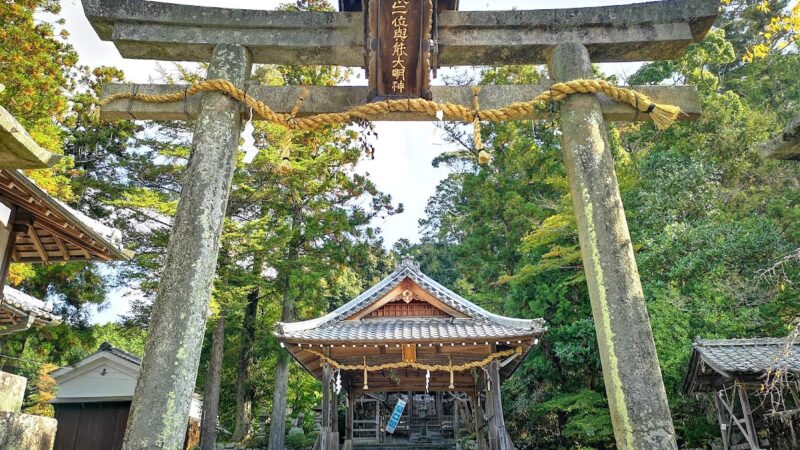
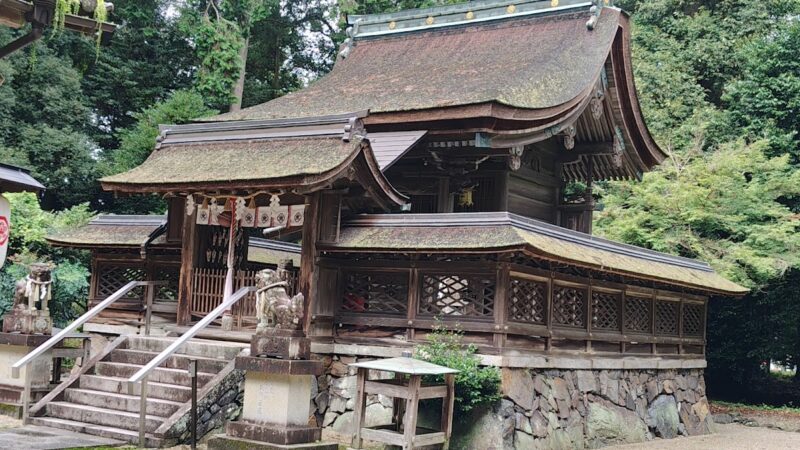
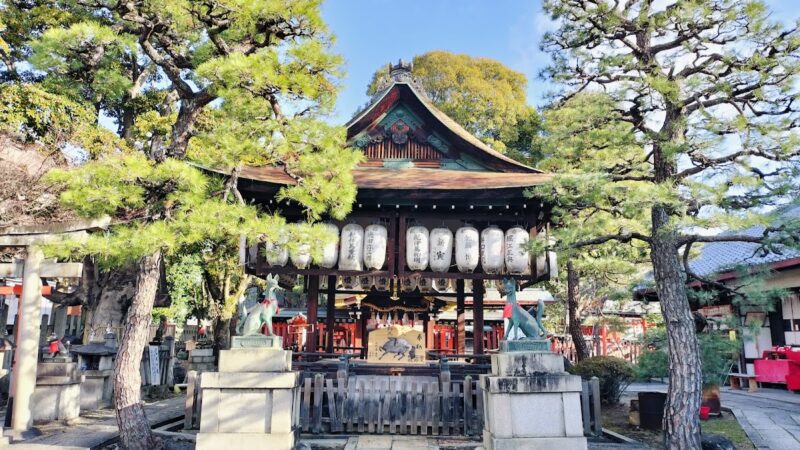
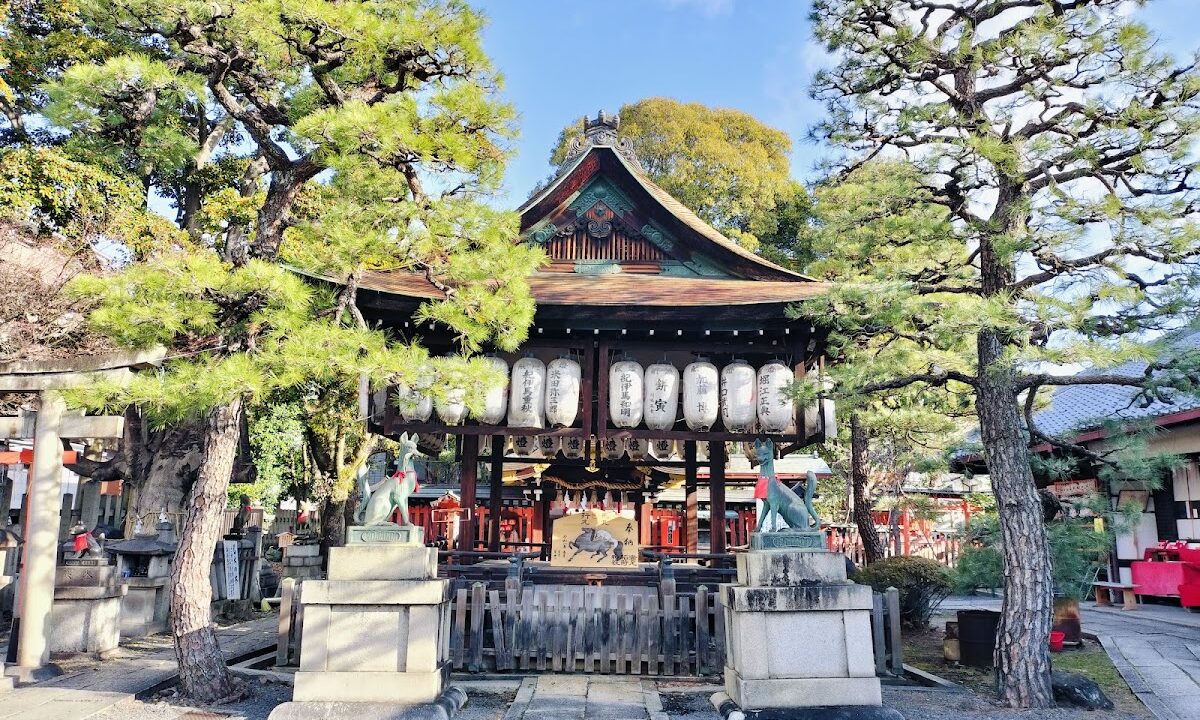
The main hall of Manzoku Inari Shrine is a small yet charming building. The vermilion torii gate and shrine building are beautiful, maintaining the typical style of an Inari shrine.
Fox Statues
Stone statues of foxes, symbols of Inari shrines, are placed throughout the grounds. These foxes are considered messengers of the Inari deity. It is believed that offering prayers to the fox statues during your visit will bring even greater blessings.
Torii Gates
Several vermilion torii gates stand within the grounds, creating an atmosphere characteristic of an Inari shrine. While not as numerous as the thousands of torii gates at Fushimi Inari Taisha, it offers a beautiful, albeit smaller, landscape.
Sacred Tree
Within the grounds stands a sacred tree estimated to be several hundred years old, a popular power spot for visitors. It is believed that touching this tree allows one to feel the spiritual energy of the shrine.
How to Access Manzoku Inari Shrine
Access by Public Transportation
Using Kyoto City Bus
- Take Kyoto City Bus Route 206 bound for Higashiyama-dori Kitaoji Bus Terminal from Kyoto Station
- Get off at the “Kumano Jinja-mae” bus stop and walk for about 5 minutes
- Or get off at the “Higashiyama Niomon” bus stop and walk for about 3 minutes
Using Keihan Railway
- Get off at “Jingu-Marutamachi Station” on the Keihan Main Line and walk for about 15 minutes
- Or get off at “Demachiyanagi Station” and walk for about 20 minutes
Using the Subway
- Get off at “Higashiyama Station” on the Kyoto Municipal Subway Tozai Line and walk for about 10 minutes
Access by Car
- Approximately 30 minutes from the Meishin Expressway “Kyoto-Higashi IC”
- Approximately 15 minutes from the Hanshin Expressway Route 8 Kyoto Line “Kamogawa-Higashi IC”
Parking Information
Since the shrine’s dedicated parking is limited, we recommend using public transportation. While it is possible to use nearby coin-operated parking lots, congestion is expected during the tourist season.
Manners and Etiquette for Visiting the Shrine
Basic Visiting Etiquette
- Bow Before Passing Through the Torii Gate
Bow before entering the sacred area, in front of the torii gate.
- Purify Yourself at the Water Basin
- Hold the ladle in your right hand and purify your left hand.
- Switch the ladle to your left hand and purify your right hand.
- Switch the ladle back to your right hand, receive water in your left hand, and rinse your mouth.
- Finally, stand the ladle upright and purify the handle.
- Worship at the Main Hall
- Place your offering in the offering box.
- Ring the bell (if present).
- Worship using the two bows, two claps, and one bow method.
Mindset When Visiting the Shrine
At Manzoku Inari Shrine, it is important not only to make wishes but also to express your gratitude for everyday blessings. True to its name, “Manzoku Inari Shrine,” it encourages an attitude of gratitude for current happiness and prayers for further development.
Goshuin (Shrine Seals) and Amulets
About Goshuin
At Manzoku Inari Shrine, you can receive a goshuin (shrine seal). The goshuin features the calligraphy and red seal of “Manzoku Inari Shrine” and is a popular memento of your visit.
When receiving a goshuin, please note the following:
- Receive it after your visit
- Bring your goshuincho (stamp book)
- Prepare a donation (approximately 300-500 yen)
- Check the shrine office’s opening hours
Amulets and Souvenirs
Manzoku Inari Shrine offers a variety of amulets and souvenirs.
- Satisfaction Charm: A charm imbued with the wish that your wishes will be granted and you will be satisfied.
- Business Prosperity Charm: A charm for wishing for success in business.
- Academic Success Charm: A popular charm among students and those taking exams.
- Matchmaking Charm: A charm for wishing for a good match.
- Traffic Safety Charm: A charm for praying for safe driving.
Nearby Tourist Attractions
Many of Kyoto’s representative tourist attractions are located around Manzoku Inari Shrine.
Heian Jingu Shrine
Heian Jingu Shrine, located about a 10-minute walk from Manzoku Inari Shrine, is a shrine built to commemorate the 1100th anniversary of the relocation of the capital to Heian-kyo. Its vast gardens and vermilion torii gate are impressive, making it a classic Kyoto tourist spot.
Nanzenji Temple
Nanzenji Temple, located about a 15-minute walk away, is the head temple of the Nanzenji branch of the Rinzai school of Zen Buddhism. It boasts attractions such as the Sanmon Gate and the Suirakaku Aqueduct. The scenery is particularly spectacular during the autumn foliage season.
Philosopher’s Path
A walking path approximately 2 kilometers long, stretching from Nanzenji Temple to Ginkakuji Temple. During cherry blossom season, the tunnel of cherry blossoms is beautiful, attracting many tourists.
Kyoto National Museum of Modern Art
Located near Heian Jingu Shrine, it primarily exhibits modern Japanese art. It offers a cultural day combining art appreciation and shrine visits.
Okazaki Park
A park surrounding Heian Jingu Shrine, it is home to cultural facilities such as the Kyoto City Museum of Art and the Kyoto City Zoo. Suitable for family sightseeing.
Annual Events at Manzoku Inari Shrine
New Year’s Visit (January 1st-3rd)
Many worshippers visit for their New Year’s visit to pray for happiness. Its auspicious name, “Manzoku” (meaning “satisfaction”), makes it a popular place to make New Year’s wishes.
Setsubun Festival (around February 3rd)
During Setsubun, bean-throwing and exorcism rituals are performed. This traditional event, believed to ward off evil spirits and invite good fortune, is cherished by the local community.
Annual Festival (November 3rd)
The annual festival, the most important festival of Manzoku Inari Shrine, is held every year on November 3rd. Kagura (sacred dance) performances and Shinto rituals are held, attracting local residents.
First Horse Day Festival (First Horse Day of February)
The First Horse Day Festival, an important festival of the Inari Shrine, is held to pray for business prosperity and a bountiful harvest. This day is particularly crowded with worshippers.
Tips for Enjoying Manzoku Inari Shrine to the Fullest
Recommended Visiting Time
Since Manzoku Inari Shrine is a relatively small shrine, early morning visits are recommended to avoid crowds. Visiting in the refreshing morning air is a great way to refresh both mind and body.
Photography Tips
- The combination of the vermilion torii gate and the shrine building is beautiful.
- Taking close-up shots of the fox statues creates an authentic Inari shrine atmosphere.
- Taking photos with the sacred tree in the background is also recommended.
- Choosing a time when there are fewer visitors will allow you to take more tranquil photos.
Enjoying the Shrine by Season
Spring (March-May)
During cherry blossom season, it’s recommended to visit in conjunction with the nearby Philosopher’s Path and Heian Jingu Shrine. It’s also a beautiful time for fresh greenery.
Summer (June-August)
The lush grounds feel relatively cool even in summer. Morning visits are especially pleasant during this season.
Autumn (September-November)
During the autumn foliage season, you can enjoy a tour of the autumn leaves in conjunction with the nearby Nanzenji Temple and Eikan-do Temple. It’s also the time of the annual festival.
Winter (December-February)
There are events such as Hatsumode (first shrine visit of the year) and Setsubun Festival, allowing you to enjoy a quiet and solemn atmosphere.
Anecdotes and Episodes Related to Manzoku Inari Shrine
Hideyoshi’s Castle Construction and Satisfaction
It is said that when Toyotomi Hideyoshi built Fushimi Castle, the construction progressed at an astonishing speed of just a few months. Hideyoshi attributed this success to the protection of Inari, the god of rice, and is said to have been deeply grateful. This feeling of “satisfaction” is embodied in the shrine’s name.
Local People’s Faith
Even as times changed from the Edo period through the Meiji, Taisho, and Showa eras, the local people have continued to cherish and protect this shrine. Despite being a small shrine, it has functioned as a center of the local community, and the faith has been passed down to this day.
Modern Visitors
In recent years, due to its auspicious name, “Manzoku” (satisfaction), the shrine has seen an increase in visitors, including students job hunting, entrepreneurs, and those preparing for exams, who come to pray for success. Word-of-mouth on social media has also spread, making it known to younger generations.
Points to Note When Visiting
Regarding Attire
While no special attire is required for visiting the shrine, it is advisable to avoid overly revealing or flashy clothing. Especially when receiving formal prayers, please dress appropriately.
Photography Etiquette
Photography is generally permitted on the shrine grounds, but please observe the following:
- Be considerate of other visitors.
- Permission may be required for photography inside the main hall.
- Avoid using flash photography.
- Refrain from photography during Shinto rituals.
Visiting Hours
Manzoku Inari Shrine is generally open for worship throughout the day, but the shrine office has limited hours. If you wish to obtain a Goshuin (shrine stamp) or amulet, it is recommended to check the reception hours in advance.
The Modern Significance of Manzoku Inari Shrine
Popularity as a Power Spot
Manzoku Inari Shrine, with its positive name “Manzoku” (meaning “satisfaction”), is attracting attention amidst the modern power spot boom. For those seeking inner fulfillment and wish fulfillment, the shrine’s name itself has become a symbol of hope.
A Healing Space in the City
Despite being located in the bustling city of Kyoto, the shrine grounds maintain a quiet and peaceful atmosphere. It’s a beloved place for locals and tourists alike, offering a respite from the hustle and bustle of daily life.
A Bridge Between History and the Present
With its connection to the historical figure Toyotomi Hideyoshi, while also embracing the wishes of modern people, Manzoku Inari Shrine is a precious link between history and the present. It can be described as a living cultural heritage site, where past stories and current beliefs are fused.
Summary: The Charm of Manzoku Inari Shrine
Manzoku Inari Shrine, with its unique name, historical connection to Toyotomi Hideyoshi, and various blessings, has captivated many as a hidden gem in Kyoto.
While not a large-scale tourist destination, it offers a precious place for quiet worship and heartfelt prayer. This shrine, where you can pray for “satisfaction” in all aspects of life—business prosperity, fulfillment of wishes, family safety, and more—is a power spot well worth visiting.
When you visit Kyoto, why not take a trip to a small, historic shrine like this one, in addition to the famous tourist spots? A visit to Manzoku Inari Shrine might just be the catalyst for finding “satisfaction” in your life.
Combining it with other nearby attractions such as Heian Jingu Shrine, Nanzenji Temple, and the Philosopher’s Path will allow you to enjoy a fulfilling Kyoto sightseeing experience. Feeling the history while offering your modern wishes—that’s the true essence of Manzoku Inari Shrine.