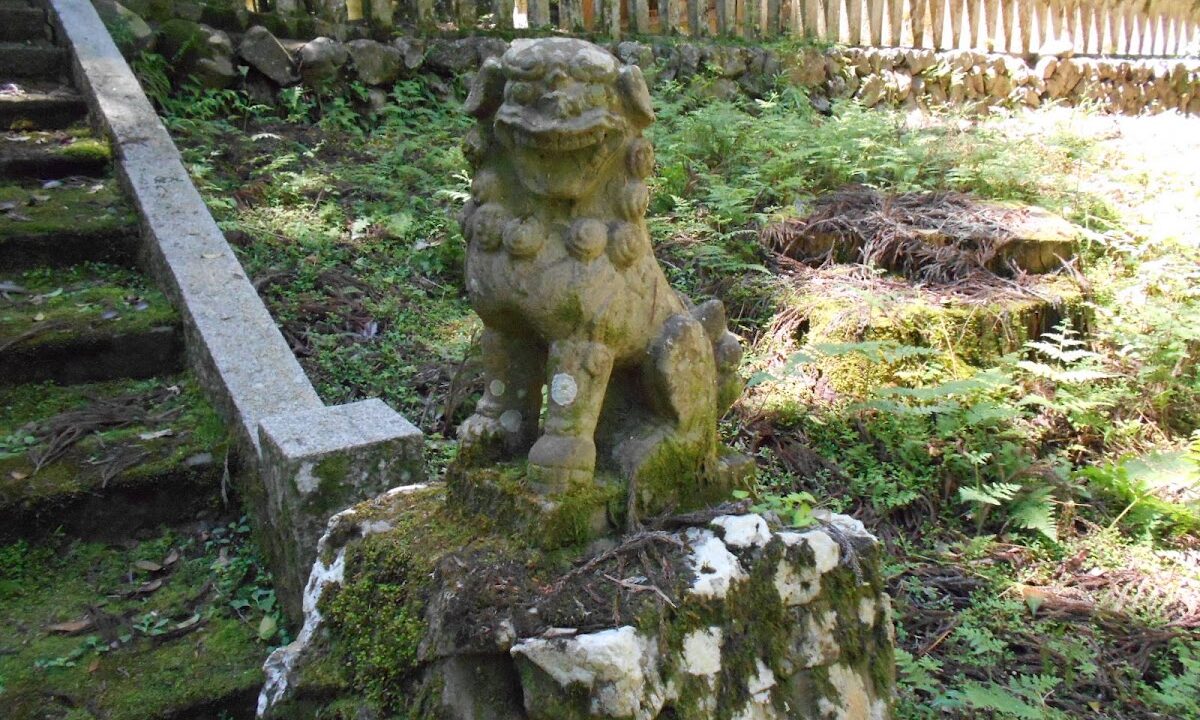
Complete Guide to Tofu Shrine (Kyoto Prefecture) | A Sacred Site of Calligraphy and the Famous Water of Sugisaka, Dedicated to Ono no Michikaze
Nestled quietly in the mountainous Sugisaka district of Kita Ward, Kyoto City, Tofu Shrine is dedicated to Ono no Michikaze, a renowned calligrapher of the Heian period. Known as one of the Three Great Calligraphers, Michikaze greatly influenced later generations as the founder of Japanese-style calligraphy. This shrine not only attracts worshippers seeking improvement in calligraphy, but is also known for the famous spring water called “Wakasui” that flows within its grounds.
This article comprehensively explains everything you need to know before visiting Tofu Shrine, including its history, the achievements of its enshrined deity Ono no Michikaze, the highlights of the grounds, and access methods.
History and Origins of Tofu Shrine
Circumstances of its Founding and the History of the 20th Year of the Engi Era
Tofu Shrine is said to have been founded in 920 (Engi 20th year). In the mid-Heian period, after the death of Ono no Michikaze, this shrine was built by local people to commemorate his achievements. It has a history of being the tutelary deity of the Sugisaka district (formerly the Uesugisaka settlement), attracting the faith of the local community.
The Engi era was the reign of Emperor Daigo, a culturally significant period. Ono no Michikaze, who was active during this time, was highly regarded by the imperial court as an innovator in the world of calligraphy. The founding of the shrine speaks to Michikaze’s achievements during his lifetime and the deep reverence he received from the people.
Origin of the Alternative Name, Takeakimyo Shrine
Michikaze Shrine is also known by the alternative name “Takeakimyo Shrine.” This name originates from the alternative name of the enshrined deity, Ono no Michikaze, “Michikaze Take Daimyojin.” The inclusion of the character “武” (bu, meaning martial arts) is thought to symbolize the legend that Michikaze excelled in both literary and martial arts, or perhaps the strength of his calligraphy.
Both names are used locally, and many older documents and maps refer to it as Takeaki Shrine.
About the enshrined deity, Ono no Tofu
Achievements as one of the Three Great Calligraphers
Ono no Tofu (894-966) was a representative calligrapher of the Heian period, known as one of the “Three Great Calligraphers,” along with Fujiwara no Sukemasa and Fujiwara no Yukinari. The Three Great Calligraphers is a designation referring to the three most outstanding calligraphers of the Heian period, and is considered the highest honor in the history of Japanese calligraphy.
Tofu is particularly known as the founder of the Japanese style of calligraphy. Until then, Japanese calligraphy mainly imitated the Tang style of Chinese calligraphy, but Tofu created an elegant and flowing style that incorporated a uniquely Japanese aesthetic. This Japanese style became the foundation of later Japanese calligraphy and continues to exert a significant influence to this day.
The Legend of the Frog Leaping onto the Willow Branch
The most famous anecdote about Ono no Michikaze is the story of the frog leaping onto the willow branch. In his youth, Michikaze felt stuck in his calligraphy talent and was on the verge of giving up. One rainy day, he saw a frog repeatedly trying to leap onto a willow branch.
Despite numerous failures, the frog never gave up and finally succeeded in leaping onto the branch. Seeing this, Michikaze realized, “Even a tiny frog continues to strive. I must not give up either.” It is said that he then dedicated himself even more diligently and became a great calligrapher.
This anecdote continues to be passed down to many people today as a lesson in the importance of effort and perseverance.
Michikaze’s Place in the History of Calligraphy
Michikaze’s achievements extend beyond simply writing beautiful characters. He was an innovator who gave Japanese calligraphy a unique identity. He established a new standard of beauty that reflected Japanese sensibilities in a calligraphy world that had been dominated by the Tang style. Michikaze’s calligraphy possesses a unique charm, combining elegance and strength. His flowing brushstrokes, exquisite sense of balance, and composition that utilizes the rhythm of the Japanese language served as a model for later calligraphers. He was highly regarded in the imperial court and entrusted with the calligraphy of many important documents.
Highlights and Facilities of the Shrine Grounds
Architectural Style and Features of the Main Hall
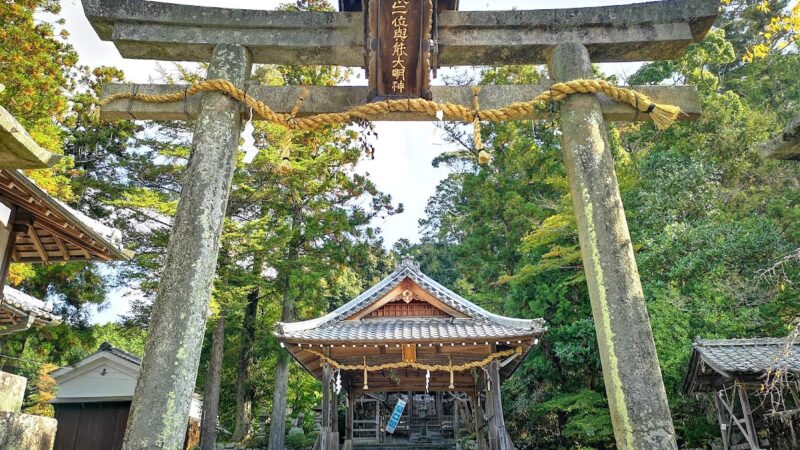
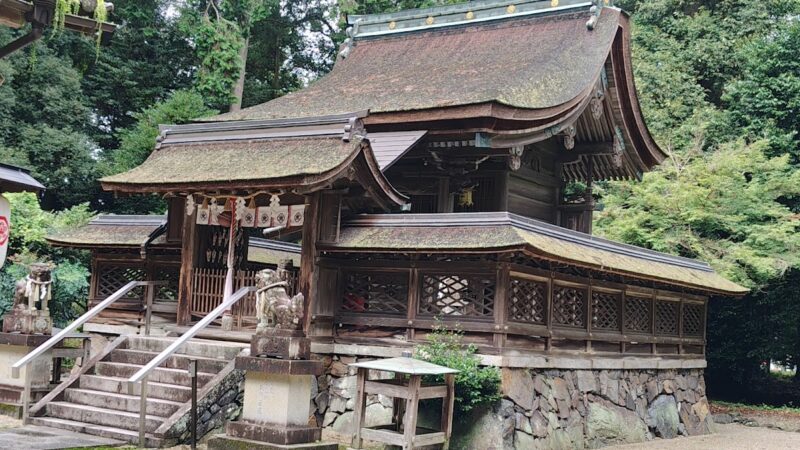
The main hall of Michikaze Shrine is a simple yet dignified structure. Located in a mountainous area at the southeastern edge of the Sugisaka district, along Kyoto Prefectural Road 31 (Nishijin-Sugisaka Line), it harmonizes beautifully with the surrounding natural environment.
The architectural style of the main hall follows traditional shrine architecture, exuding a warm, wooden atmosphere. While the grounds are not vast, they are meticulously maintained, providing a tranquil environment for worship.
Myo-o-do Hall and Fudo Myo-o
Besides the main shrine, the temple grounds also contain the Myo-o-do Hall, where Fudo Myo-o is enshrined. Fudo Myo-o is an important deity in Buddhism, believed to have the power to sever worldly desires and guide people to the right path.
The enshrinement of a Buddhist deity in a Shinto shrine is a remnant of the syncretism of Shinto and Buddhism before the Meiji era’s separation of Shinto and Buddhism. The Myo-o-do Hall is still maintained at Dofu Shrine, making it a valuable example of the Shinto-Buddhist syncretic belief system.
Many visitors pray at both the main shrine and the Myo-o-do Hall, attracting those seeking academic success and improvement in their skills.
Structure and Use of the Worship Hall
The worship hall is a space for worshippers to offer prayers. It has a stage-like structure, and during festivals, kagura (sacred dance) and musical performances are sometimes held there.
To the left of the worship hall is the shrine office, but Dofu Shrine is usually unmanned. Therefore, if you wish to receive a Goshuin (temple/shrine stamp) or other items, it is necessary to check in advance. The fact that it is unmanned actually creates a tranquil atmosphere, providing an environment where you can worship at your own pace.
The Famous Water of Wakousui
A particularly noteworthy feature within the grounds of Dofu Shrine is the well of famous water called “Wakousui.” The water that springs from this well has been cherished by the local people since ancient times.
There are several theories about the origin of the name Wakousui, but it is said to have been named after its characteristics of being of high quality and having a subtle fragrance. The mountainous area of Kita Ward in Kyoto City is blessed with high-quality groundwater, and Wakousui at Dofu Shrine is one example.
Even today, local people visit to draw this water, using it for daily life and in tea ceremonies. When you visit the shrine, be sure to pay attention to this famous water.
Benefits and Faith at Dofu Shrine
Benefits for Improvement in Calligraphy and Academic Success
The most well-known benefits of Dofu Shrine are improvement in calligraphy and academic success. Because the enshrined deity, Ono no Michikaze, is considered one of the greatest calligraphers in the history of Japanese calligraphy, people who study calligraphy, especially calligraphers, calligraphy teachers, and children learning calligraphy, visit the shrine.
It also attracts people who wish for improvement in academics in general, not just calligraphy. As illustrated by the anecdote of Michikaze’s “frog leaping onto a willow branch,” the teaching that goals can be achieved through effort and perseverance serves as encouragement for students taking entrance exams and qualification tests.
Faith for Improvement in Arts and Performing Arts
People who wish for improvement in arts and skills other than calligraphy also visit Dofu Shrine. Because calligraphy is a fundamental technique in traditional Japanese performing arts and culture, people aiming to master various traditional cultures such as tea ceremony, flower arrangement, Japanese dance, and Noh theater visit the shrine. In modern times, designers, artists, creators, and other people involved in creative work sometimes pray here for skill improvement and success in their creative activities.
Protection from Misfortune
Because Dofu Shrine also serves as the local tutelary shrine, it is believed to offer protection from misfortune. Local people visit the shrine at important life events and during unlucky years, praying for good health and safety for their families.
In particular, Fudo Myoo, enshrined in the Myoo-do Hall, is believed to have the power to ward off misfortune and sever bad relationships, and visitors praying for protection from misfortune can be seen putting their hands together in prayer.
Access and Visiting Information
How to Get to Dofu Shrine
Dofu Shrine is located in Sugisaka Dofu-cho, Kita-ku, Kyoto City, in a mountainous area somewhat away from the city center. Access by public transportation is as follows:
Access by Bus:
- Take a Kyoto City Bus or Kyoto Bus and get off at the “Sugisaka” bus stop, then walk for about 5 minutes.
- From the nearest bus stop, head north along Kyoto Prefectural Road 31 (Nishijin-Sugisaka Line).
Access by Car:
- Approximately 30 minutes from central Kyoto via National Route 162 (Shuzan Kaido).
- Use Kyoto Prefectural Road 31 (Nishijin-Sugisaka Line).
- Parking is limited, so prior confirmation is recommended.
Suitable Time and Season for Visiting
Dofu Shrine is an unmanned shrine, so it is generally open 24 hours a day, but visiting during daylight hours is recommended. Early mornings and evenings, in particular, offer a peaceful atmosphere for quiet worship.
Recommended Time to Visit:
- Spring (March-May): Enjoy the beautiful fresh greenery and crisp air during your visit.
- Autumn (October-November): The vibrant autumn foliage colors the surrounding mountains, creating a picturesque landscape.
- Fire Festival Period: The Fire Festival is sometimes held during the annual festival, allowing you to witness this traditional local event.
Nearby Tourist Spots
The area around Dofu Shrine is a naturally rich area in Kita Ward, Kyoto City. We recommend visiting in combination with the following tourist spots:
Kumogahata, Nakagawa, and Onogo Areas:
Sugisaka, where Dofu Shrine is located, is at the southern end of the three areas of Kumogahata, Nakagawa, and Onogo. These areas are known as Kyoto’s inner sanctuary, boasting abundant nature and a tranquil environment.
Kyomi Pass:
Further north from Dofu Shrine is Kyomi Pass, known as a viewpoint offering panoramic views of Kyoto city. It’s also a popular spot for driving and hiking. Daitoku-ji Temple and Imamiya Shrine:
On the way back towards the city center, you’ll find Daitoku-ji Temple, the head temple of the Rinzai sect’s Daitoku-ji branch, and Imamiya Shrine, known as the shrine of the god of marrying into wealth.
Manners and Etiquette for Visiting Dofu Shrine
Basic Worship Etiquette
When visiting Dofu Shrine, follow the general manners for visiting shrines.
- Bow before passing through the torii gate: Before entering the sacred area, compose yourself and bow.
- Purify yourself at the water basin: If there is a water basin, purify your hands and mouth.
- Avoid the center of the path: The center of the path is considered the path of the gods, so walk along the sides.
- Proper etiquette at the main hall: Pray using the two bows, two claps, one bow (two bows, two claps, one bow) method.
- Don’t forget to express gratitude: Express not only your wishes but also your daily gratitude.
Special way to pray for improvement in calligraphy
When praying for improvement in calligraphy, it is good to pray with the following mindset:
- Learning the Spirit of Michikaze: Recall the anecdote of “the frog leaping onto the willow branch” and engrave in your heart the importance of effort and perseverance.
- Setting Specific Goals: Instead of vague wishes, mentally recite specific goals such as “Passing the XX exam” or “Completing the XX artwork.”
- Determination for Daily Practice: Not only pray to the gods, but also vow to make an effort yourself.
Photography Etiquette
Photography is generally permitted on the shrine grounds, but please observe the following etiquette:
- When photographing the main hall or sacred areas, do so with respect.
- Be considerate of other worshippers.
- Follow instructions if photography is restricted, such as during festivals.
- When posting on social media, be careful not to damage the dignity of the shrine.
Annual Events and Festivals of Michikaze Shrine
Annual Festival and Fire Festival
Michikaze Shrine holds several festivals throughout the year. Due to its character as the local tutelary deity, local people play a central role in supporting these festivals.
Fire Festival:
The Fire Festival, held in November at many shrines in Kyoto, is also an important event at Dofu Shrine. During the Fire Festival, sacred wood is burned as an expression of gratitude for the past year, and prayers are offered for good health and safety for the family.
Connection with the Community
Dofu Shrine has played a central role in the local community as the tutelary deity of the Sugisaka district. For the people of the former Uesugisaka settlement, the shrine was both a place of worship and a place of community interaction.
Even today, the shrine is maintained by local residents, with cleaning and preparations for festivals supported by community cooperation.
Points to Note When Visiting Dofu Shrine
Dealing with the Unmanned Shrine
Dofu Shrine is usually unmanned. Therefore, please note the following:
- Goshuin (Shrine Seal): Because there are no resident priests, the issuance of Goshuin is limited. If you wish to receive any items, please inquire in advance.
- Amulets and Souvenirs: Since the shrine office is often closed, it is recommended to check in advance if you wish to receive amulets or other souvenirs.
- Visiting Hours: While the shrine is open 24 hours a day, visiting during daylight hours is recommended for safety reasons.
Precautions Unique to Shrines in Mountainous Areas
Since Dofu Shrine is located in a mountainous area of Kita Ward, Kyoto City, please note the following points.
- Weather Changes: Weather in mountainous areas is unpredictable, so it’s a good idea to bring rain gear.
- Clothing: Comfortable walking shoes and clothing are recommended.
- Insect Repellent: In summer, insect repellent spray is recommended for a more comfortable experience.
- Winter Snowfall: In winter, there is a possibility of icy roads and snowfall, so extra caution is necessary.
Dofu Shrine and Places Associated with Ono no Michikaze
Places Associated with Ono no Michikaze in Kyoto City
Besides Dofu Shrine, there are several other places in Kyoto City associated with Ono no Michikaze.
Ono Region Associated with Ono no Takamura and Michikaze:
The Ono region in Yamashina Ward, Kyoto City, is considered a place associated with the Ono clan. Ono no Takamura, an ancestor of Ono no Michikaze, was also a renowned literary figure, and there is a shrine dedicated to him in this region.
Michikaze Shrines Across Japan
Besides the Michikaze Shrine in Kyoto, there are other shrines dedicated to Ono no Michikaze.
Michikaze Shrine in Otsu City, Shiga Prefecture:
Michikaze Shrine is an outlying shrine of Ono Shrine, and it also enshrines Ono no Michikaze. The main hall is a rare architectural style nationwide, featuring a gabled roof and a flat entrance, and is designated as a prefectural important cultural property.
Visiting these shrines allows for a deeper understanding of the spread of faith in Ono no Michikaze and the history of calligraphy culture.
Summary: The Charm and Significance of Visiting Michikaze Shrines
Michikaze Shrine is a valuable shrine dedicated to Ono no Michikaze, one of the most important figures in the history of Japanese calligraphy. Located in a quiet mountainous area of Kita Ward, Kyoto City, it is a place where people can pray peacefully away from the hustle and bustle of the city, attracting the faith of those studying calligraphy and those praying for academic success.
With its pristine spring water, the Myo-o-do hall dedicated to Fudo Myoo, and its long history dating back to 920 (Engi 20), this shrine teaches visitors about the depth of traditional Japanese culture and the importance of perseverance.
As illustrated by the anecdote of Ono no Michikaze’s “frog leaping onto a willow branch,” the teaching that one can reach their goals by never giving up and continuing to strive is a great source of encouragement for us living in the modern age.
Those studying calligraphy, those praying for academic success, or those looking to visit a hidden gem in Kyoto should definitely visit Michikaze Shrine. In its tranquil grounds, it will be a valuable opportunity to connect with Michikaze’s spirit and renew your resolve to achieve your own goals.