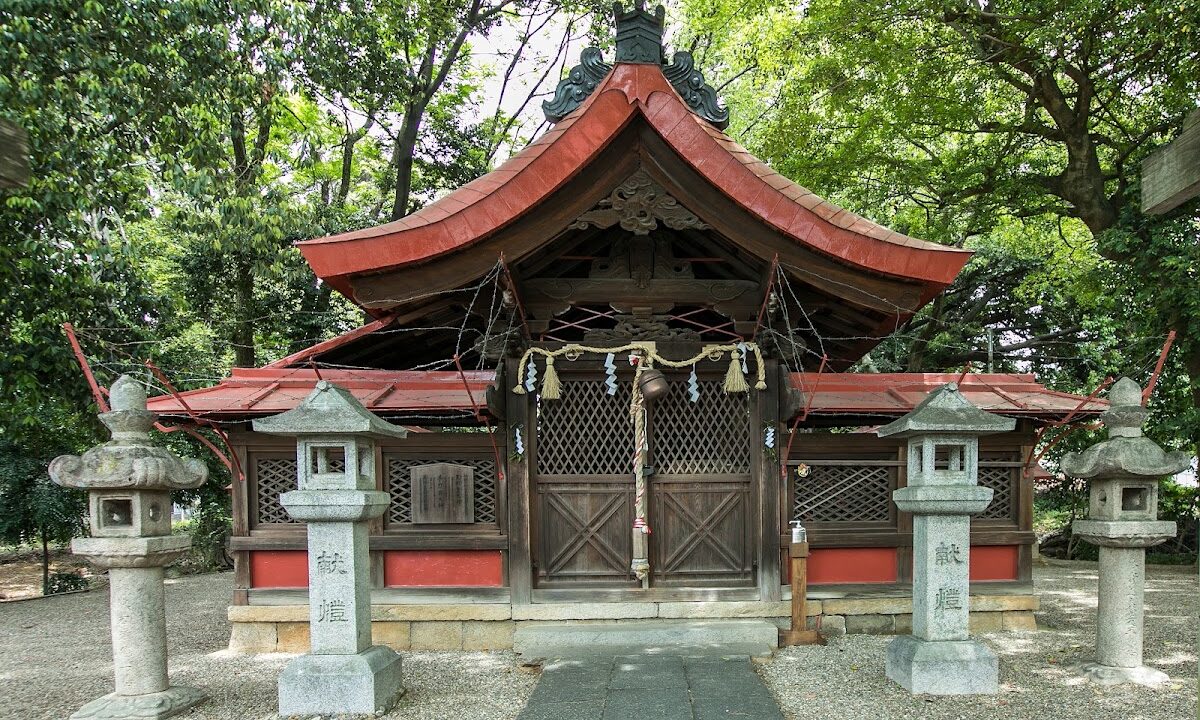
Iseda Shrine (Kyoto Prefecture) Complete Guide | History, Deities, Blessings, and Access Information
About Iseda Shrine
Iseda Shrine is a historic shrine located in Iseda-cho, Uji City, Kyoto Prefecture. It is cherished by local residents as the guardian deity of the Iseda district in southern Uji City, and is known as a venerable shrine with a long history.
Located within walking distance of Iseda Station on the Kintetsu Kyoto Line, the shrine grounds, quietly nestled in a residential area, continue to welcome many worshippers as a center of local faith. It is a place where people can pray peacefully in a tranquil atmosphere away from the hustle and bustle of the city, attracting not only locals but also visitors from neighboring areas.
History of Iseda Shrine
Founding and History
While there are various theories regarding the founding date of Iseda Shrine, it is certain that it has been a shrine located in this area since ancient times. The place name Iseda is said to suggest a connection to Ise Grand Shrine, and it is believed to indicate that this area may have been an Ise Grand Shrine manor in ancient times, or that there were many immigrants from Ise in the area.
From the medieval to the early modern period, it was revered by the residents as the local tutelary deity, worshipped as the guardian deity of agriculture and all aspects of life. During the Edo period, it was established as a village shrine, and in the Meiji era, it was positioned as an important shrine in the region under the shrine system.
From the Post-War Period to the Present
After World War II, along with the development of the region, Iseda Shrine was also renovated. While the population of Uji City increased and new residents moved in, Iseda Shrine continues to play a central role in the local community.
Currently, it is carefully preserved by the local parishioners’ organization, and various Shinto rituals and festivals are held throughout the year. The maintenance and upkeep of the shrine grounds are also carried out with the cooperation of local people, preserving the tradition of a shrine deeply rooted in the community.
Deities and Divine Virtues
Main Deity
The main deity of Iseda Shrine is Amaterasu Omikami. Amaterasu Omikami is the supreme deity in Japanese mythology, revered as the ancestral deity of the Imperial Family and the tutelary deity of all Japanese people.
There is a theory that this area came to be called “Iseda” because Amaterasu Omikami, enshrined at the Inner Shrine of Ise Grand Shrine, was invited to this shrine, indicating a deep connection to Ise faith.
Enshrined Deities
As a local shrine, it is possible that several other deities are enshrined alongside Amaterasu Omikami. In many local shrines, it is common to enshrine local guardian deities, deities of industry, and deities of safety.
Divine Virtues and Blessings
The main blessings you can receive at Iseta Shrine are as follows:
Family Safety and Harmony
As the local guardian deity, it protects families in the area and watches over their health and happiness.
Protection from Misfortune and Good Fortune
It is believed that the divine power of Amaterasu Omikami wards off misfortune and improves one’s luck.
Abundant Harvest and Business Prosperity
Due to the region’s history as a thriving agricultural area, it is also worshipped for blessings of a bountiful harvest and business prosperity.
Prosperity of Descendants and Safe Childbirth
As the local tutelary deity, many worshippers visit to pray for the healthy growth of their children and safe childbirth.
Traffic Safety
In modern times, it also plays an important role as a place to pray for the daily safety of local residents.
Highlights of the Shrine Grounds
Main Hall and Worship Hall
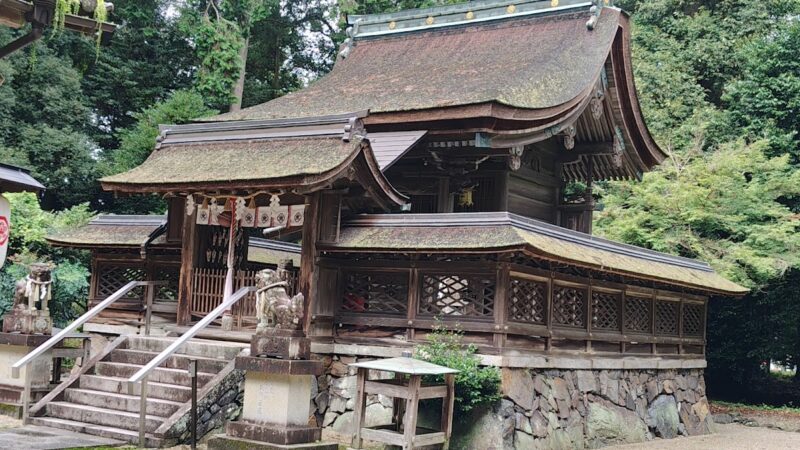
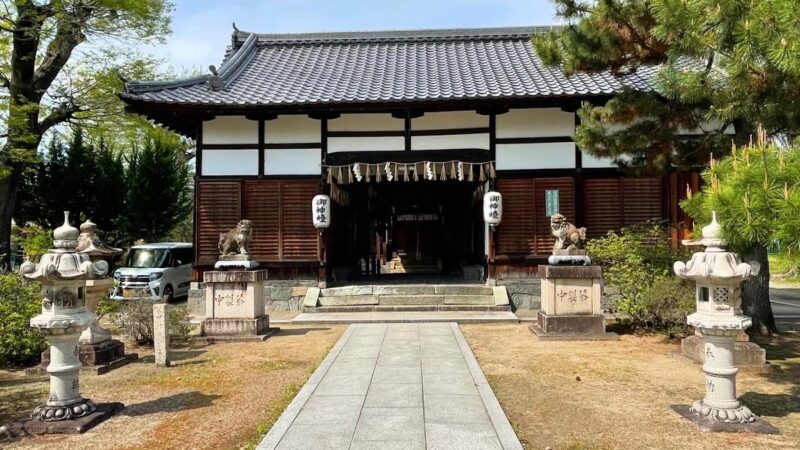
The main hall of Iseta Shrine maintains the style of traditional shrine architecture. The sacred area leading from the worship hall to the main shrine is enveloped in a pure and clean atmosphere, instilling a sense of reverence in visitors.
While it is a small, unassuming shrine typical of a local community, the meticulously maintained grounds reflect the deep faith of the local people.
Torii Gate and Approach
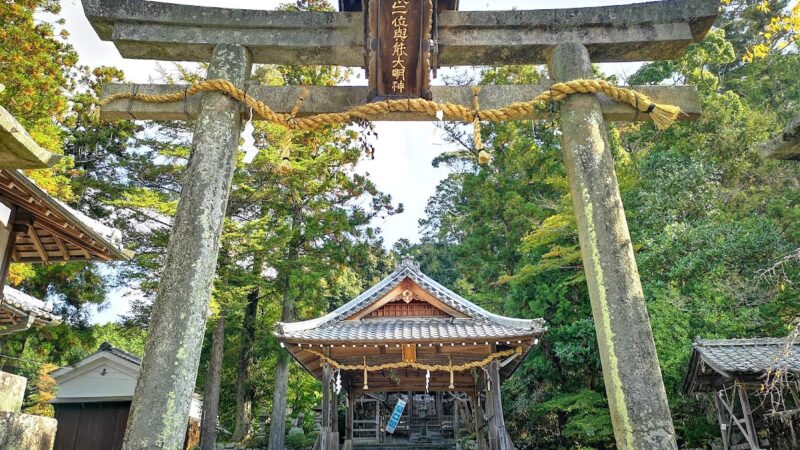
A torii gate stands at the entrance to the shrine grounds, and the approach leading from there to the main shrine. Despite being located in a residential area, passing through the torii gate transports you to a sacred space distinct from everyday life.
Shrine Office/Gift Shop
There is a shrine office on the grounds where you may be able to purchase amulets and goshuin (stamped seals). However, as it is a small shrine, it may not always be open. It is recommended to check before visiting.
Subsidiary Shrines
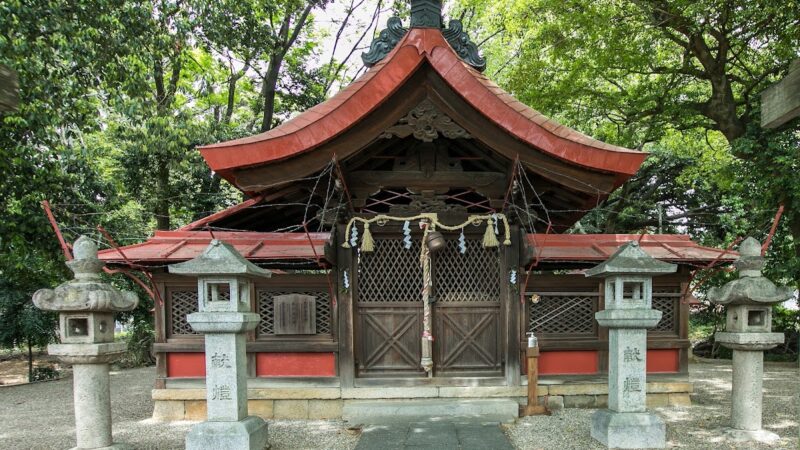
Like many shrines, Iseta Shrine may also have subsidiary shrines (subsidiary shrines/outlying shrines) within its grounds. Each of these small shrines houses its own deity, bestowing various blessings.
Sacred Trees and Nature
The shrine grounds are planted with ancient trees and other trees, maintaining a lush green environment despite being in an urban area. These trees have watched over the shrine for many years, providing solace to visitors.
Annual Events and Festivals
Annual Festival (Autumn Festival)
Iseda Shrine holds its annual festival (Reisai) every autumn. This is the most important festival for the shrine, a vital event where local people gather to express their gratitude to the gods.
The autumn festival sometimes includes a procession of portable shrines and offering ceremonies, providing an opportunity to deepen the bonds of the local community. Children also participate, making it an important place for passing on local traditional culture to the next generation.
New Year’s Visit
At the start of the new year, many parishioners and local residents visit the shrine for their first visit of the year. The shrine is bustling with worshippers giving thanks for a safe year and praying for happiness in the new year. You can welcome the new year in the warm atmosphere unique to a local shrine.
Setsubun Festival
In February, Setsubun is celebrated with events such as bean-throwing. With the chant of “Good fortune in, demons out!”, it’s a traditional event to ward off evil and invite good fortune.
Summer Purification Ceremony
At the end of June, the “Summer Purification Ceremony (Nagoshi no Oharae)” is sometimes held to cleanse away the impurities accumulated over the past six months. Through rituals such as passing through a ring of reeds, it’s an important event for purifying the mind and body.
Shichi-Go-San Festival
In November, many families visit shrines for Shichi-Go-San. Local shrines play an important role as a place to give thanks for a child’s healthy growth and pray for their future development, a crucial life ritual.
Etiquette and Manners for Visiting a Shrine
Basic Etiquette for Visiting a Shrine
When visiting Iseta Shrine, please observe the following basic etiquette:
1. Bowing at the Torii Gate
Before passing through the torii gate, stop briefly, bow slightly, and then enter the shrine grounds.
2. Ritual of Washing Your Hands
If there is a washbasin, purify yourself in the following order:
- Hold the ladle in your right hand and wash your left hand.
- Switch the ladle to your left hand and wash your right hand.
- Switch the ladle back to your right hand, receive water in your left hand, and rinse your mouth.
- Finally, stand the ladle upright and wash the handle.
3. Worship at the Main Hall
At the main hall, worship using the “two bows, two claps, one bow” ritual:
- Bow deeply twice.
- Clap your hands twice in front of your chest.
- Finally, bow deeply once.
Mindset When Visiting a Shrine
A shrine is a sacred place. Please observe the following manners when visiting the shrine:
- Visit quietly and refrain from speaking loudly.
- Do not run on the shrine grounds.
- Take your trash with you.
- Take photographs only within permitted areas.
- Do not enter the main hall or sacred areas without permission.
Access Information
Access by Train
Using the Kintetsu Kyoto Line
- Get off at Kintetsu “Iseda Station,” approximately 5-10 minutes on foot.
- Easily accessible from both Kyoto and Nara.
Using the JR Line
- Get off at JR Nara Line “Uji Station,” approximately 10 minutes by bus or taxi.
- Similar access from Keihan Uji Line “Uji Station.”
Access by Bus
Keihan Bus and Uji City Community Bus routes pass through the Iseda area. Access is possible within a few minutes’ walk from the nearest bus stop.
Access by Car
From Major Roads
- From National Route 24 towards Iseda
- Approximately 10 minutes from the Keiji Bypass “Uji-Nishi IC”
Parking
While there may be parking spaces on the shrine grounds, the number is limited due to the small size of the shrine. During festivals and other events, congestion is expected, so using public transportation is recommended.
Address and Contact Information
Address
Iseda-cho, Uji City, Kyoto Prefecture (Please check the exact address on-site or search using a map app)
Inquiries
For information regarding visiting hours and festival dates, we recommend referring to the Uji City Tourism Association, local information, or checking the bulletin board at the site.
Nearby Attractions and Tourist Spots
Uji Area Tourism
Uji City, where Iseda Shrine is located, has many tourist attractions:
Byodo-in Phoenix Hall
A representative Japanese temple registered as a World Heritage Site. Also known for its design on the 10-yen coin.
Ujigami Shrine
One of Japan’s oldest shrine buildings, registered as a World Heritage Site.
Uji River
Known for its beautiful riverside scenery and its connection to The Tale of Genji.
Long-established Uji Tea Shops
Uji is one of Japan’s leading tea-producing regions. You can enjoy authentic Uji tea at many long-established tea shops.
Around the Iseda District
The Iseda district has developed as a residential area, but there are also parks and commercial facilities nearby, making it convenient to visit before or after your shrine visit.
About Goshuin (Shrine Seals) and Other Items
Goshuin (Shrine Seals)
It is recommended to check in advance whether you can receive a Goshuin at Iseda Shrine. Smaller shrines may not always offer them, but they may be available during festivals or on specific days.
When receiving a Goshuin (temple/shrine stamp), please observe the following etiquette:
- Complete your prayers first before receiving the Goshuin.
- Prepare a Goshuincho (stamp book) (notebooks and memo pads are not acceptable).
- Prepare a donation (approximately 300-500 yen).
- Request politely.
Amulets and Gifts
Iseda Shrine may offer the following gifts:
- Amulet for family safety
- Amulet for traffic safety
- Amulet for academic success
- Amulet for protection against evil
- Amulet for safe childbirth
We recommend checking the types of gifts and their availability during your visit or inquiring in advance.
Prayers and Sorrows at Iseta Shrine
Various Prayers
Iseta Shrine may accept the following types of prayers:
- Prayer for Family Safety
- Prayer for Protection from Evil
- Prayer for Traffic Safety
- Prayer for Business Prosperity
- Prayer for Safe Childbirth
- First Shrine Visit for a Newborn
- Prayer for Shichi-Go-San (7-5-3) Ceremony
How to Apply for Prayers
If you wish to have prayers performed, it is recommended that you contact the shrine in advance to make a reservation. For smaller shrines, a Shinto priest may not always be present, so prior confirmation is essential.
The prayer fee (offering) is generally around 5,000 yen, but this varies depending on the shrine, so please check.
The Four Seasons at Iseta Shrine
Spring at Iseta Shrine
In spring, the trees on the shrine grounds are enveloped in fresh greenery, allowing visitors to worship in a refreshing atmosphere. Many people visit to give thanks for success in exams or to pray for safety in their new lives, coinciding with the start of the new fiscal year. ### Summer at Iseta Shrine
In summer, the shrine grounds are lush with greenery, and the shade of the trees provides coolness. Events such as the Summer Purification Ceremony are held, offering an opportunity to cleanse mind and body during the hot season.
Autumn at Iseta Shrine
Autumn is the season for the annual festival. The shrine grounds are bustling with preparations for the festival, and local people gather. During the autumn foliage season, the trees on the grounds change color, allowing visitors to enjoy a beautiful landscape.
Winter at Iseta Shrine
In winter, the quiet shrine grounds are enveloped in a solemn atmosphere. During the New Year’s visit season, it is bustling with many worshippers offering thanks for the past year and prayers for the new year.
Iseta Shrine and the Local Community
Role as the Guardian Deity
Iseta Shrine plays a central role in the local community as the guardian deity of the Iseta district. Operated by the parishioners’ organization, it functions as a place to deepen community bonds.
Connection to Local Events
Local events centered around the shrine, such as festivals and cleaning activities, serve as places for residents to interact. For children in particular, they provide valuable opportunities to learn about local traditional culture.
Disaster Prevention and Crime Prevention Hub
Local shrines play an important role as evacuation sites and information exchange centers during disasters. As places where local residents gather regularly, they strengthen community bonds.
Precautions When Visiting
Visiting Hours
While the shrine grounds are generally open for worship during the day, please avoid visiting early in the morning or late at night. Since the shrine office’s operating hours are often limited, it is necessary to check in advance if you wish to obtain a Goshuin (shrine stamp) or other items.
Dress Code
While everyday clothing is acceptable, please be mindful of the sacred nature of the place and dress accordingly. If receiving prayers, it is preferable to wear attire that is not too casual.
Regarding Photography
Photography is generally permitted within the shrine grounds, but there are areas and times when photography is prohibited, such as inside the main hall or during religious ceremonies. If unsure, please check before taking photos.
Regarding Pets
Policies regarding pets at shrines vary from shrine to shrine. It is recommended to check with Iseda Shrine beforehand. Even if pets are allowed, it is important to keep them on a leash and observe proper etiquette.
Summary: The Charms of Iseda Shrine
Iseda Shrine is a historical shrine deeply rooted in the community, located in the Iseda district of Uji City, Kyoto Prefecture. It enshrines Amaterasu Omikami as its main deity and is known for various blessings, including family safety, protection from evil, and business prosperity.
Although not large in scale, it is cherished by residents as the local guardian shrine, and various religious ceremonies and festivals are held throughout the year. Its convenient location, within walking distance of Kintetsu Iseda Station, is also one of its attractions.
Despite being located in an urban area, the shrine grounds offer a quiet and peaceful atmosphere, making it the perfect place to escape the hustle and bustle of everyday life and find peace of mind. When sightseeing in Uji, taking a short detour to visit a local shrine might lead to new discoveries.
Iseda Shrine, a central hub of the local community, thrives in the modern age while preserving tradition. Its warm and welcoming atmosphere will gently greet even first-time visitors.
If you have the opportunity to visit Uji City, be sure to stop by Iseda Shrine. You’re sure to have a heartwarming pilgrimage experience at this beloved local shrine.