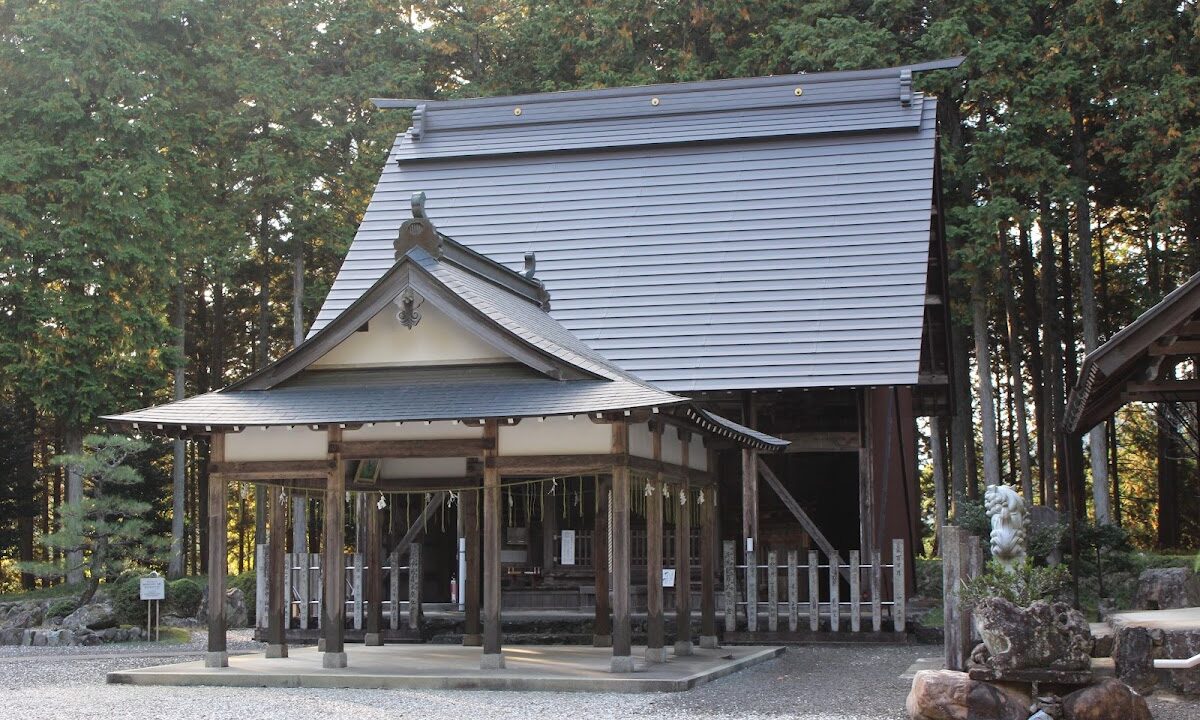
Umeda Kasuga Shrine (Kyotamba Town, Kyoto Prefecture) Complete Guide | History, Deities, Access, and Festival Information
About Umeda Kasuga Shrine
Umeda Kasuga Shrine is a historic shrine located in Miyanoshita, Mizuhara, Kyotamba Town, Funai District, Kyoto Prefecture. Situated in a key transportation hub along National Route 9, at the western edge of the former Mizuhara district of Mizuho Town, north of Kyoto City, it has long been a place of deep devotion for the local community.
As a shrine connected to the lineage of Kasuga faith, with Nara’s Kasuga Taisha as its head shrine, it serves as a spiritual center in this region. While several Kasuga shrines exist within Kyoto Prefecture, Umeda Kasuga Shrine is unique in that it has cultivated its own distinct faith culture rooted in the rich natural environment of Kyotamba Town.
Deities and Divine Virtues
Deities Enshrined
At Umeda Kasuga Shrine, just like at Kasuga Taisha Shrine, four deities are enshrined.
Takemikazuchi-no-Mikoto
He is the principal deity of Kashima Shrine in Hitachi Province and is known as a god of war. As a god who played an important role in the myth of the transfer of the land, he is believed to bestow blessings of good fortune in battle and long-lasting military success.
Futsunushi-no-Kami
He is the principal deity of Katori Shrine in Shimosa Province and a god of war who, along with Takemikazuchi-no-Mikoto, accomplished the transfer of the land. He is also known as the god of swords and bestows blessings of protection against evil and good fortune.
Amenokoyane-no-Mikoto
This deity is considered the ancestral god of the Nakatomi clan (Fujiwara clan) and is known for reciting prayers when Amaterasu-Omikami hid in the Heavenly Rock Cave. He is worshipped as the god of learning, wisdom, and the power of words.
Hime-no-Okami
She is considered the consort of Amenokoyane-no-Mikoto and is revered as the guardian deity of women. She is believed to bestow blessings for matchmaking and family safety.
Divine Virtues
Based on these enshrined deities, the following divine virtues are worshipped at Umeda Kasuga Shrine:
- Traffic safety (particularly important due to its location along a national highway)
- Protection from lightning and prayer for rain (a belief prevalent in agricultural areas)
- Academic success and prayer for passing exams
- Protection from evil and good fortune
- Family safety and matchmaking
History and origins of the shrine
Background of its founding
While there are limited historical documents regarding the exact founding date of Umeda Kasuga Shrine, it is believed to have been established in this region during the Heian period to the Middle Ages, when Kasuga faith spread throughout Japan. Kasuga shrines, having received a divided spirit from Kasuga Taisha in Nara, spread throughout Japan along with the expansion of the Fujiwara clan’s power.
The Mizuhara district of Kyotamba Town has long been a vital transportation hub connecting Kyoto and the San’in region, a bustling area with constant traffic. As a guardian deity of this region and a center of faith for those engaged in agriculture, Umeda Kasuga Shrine became deeply rooted in the local community.
Connection with the Community
Throughout the Edo period, Umeda Kasuga Shrine was revered as the tutelary deity of the Mizuhara district and surrounding settlements. At key points in agricultural work and life’s rites of passage, local people would always visit this shrine to pray for the protection of the gods.
Even after the Meiji-era separation of Shinto and Buddhism, its role as a central hub of the community remained unchanged, and it continues to be carefully preserved by parishioners and local residents to this day.
Annual Festivals and Events
Sarutahiko Shrine Spring Grand Festival
One of the most important festivals at Umeda Kasuga Shrine is the Sarutahiko Shrine Spring Grand Festival, held in spring. The following rituals are performed during this festival:
Dedication of Daidai Kagura
Traditional Kagura is dedicated to pray for traffic safety, protection from lightning, and rain. The Taidai Kagura is an ancient and elegant dance, solemnly performed by Shinto priests and shrine maidens, offering gratitude and prayers to the gods.
Kangakusai (Academic Success Festival) The Kangakusai, a festival praying for academic success, is held around the same time. Many students preparing for exams and worshippers praying for academic improvement visit the shrine, seeking the divine blessings of Amenokoyane-no-Mikoto.
Other Annual Events
- Saitansai (January 1st): A festival celebrating the New Year and praying for peace throughout the year.
- Kinensai (Spring): A festival praying for a bountiful harvest.
- Reitaisai (Autumn): The shrine’s most important annual event.
- Niinamesai (November): A festival giving thanks for the harvest.
Through these festivals, Umeda Kasuga Shrine also functions as a place to deepen community ties.
Highlights of the Shrine Grounds
Shrine Buildings
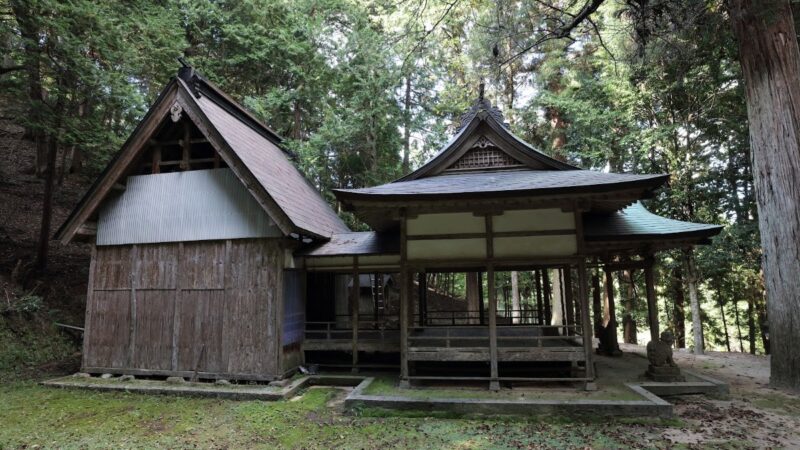
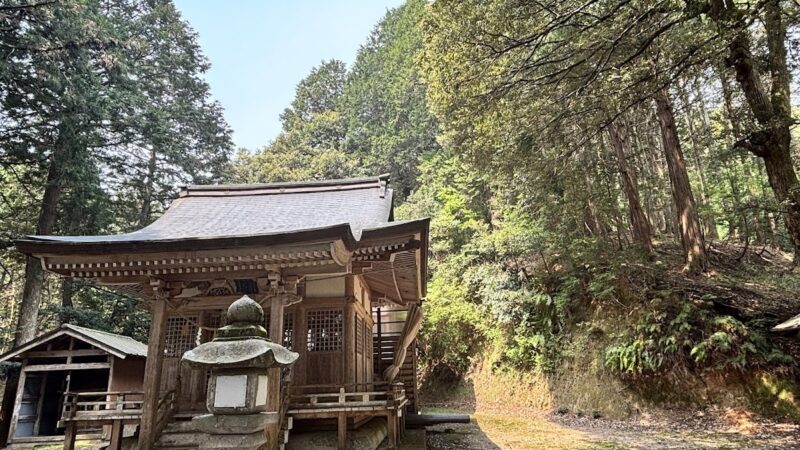
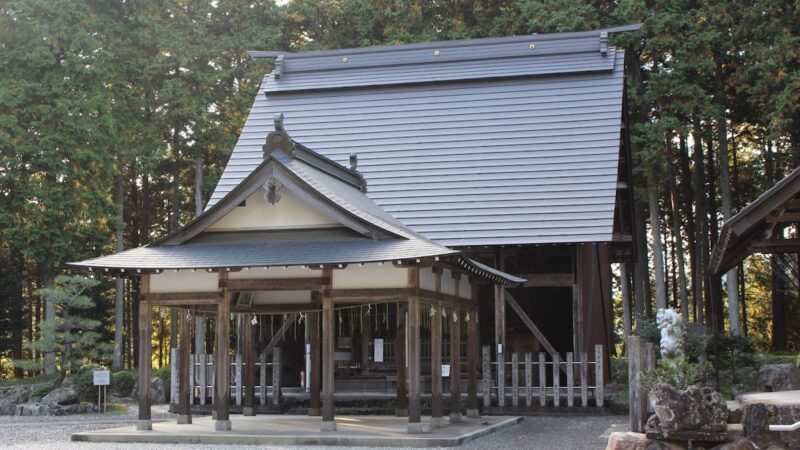
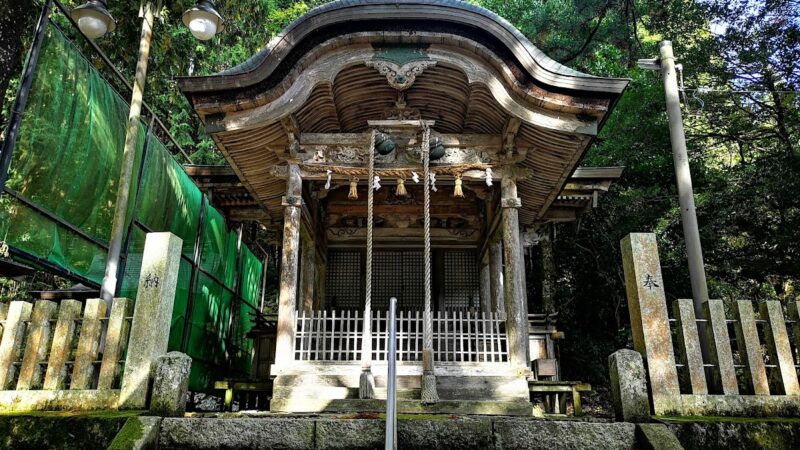
The shrine buildings of Umeda Kasuga Shrine maintain the traditional style of shrine architecture while being adapted to the local climate and environment. The main hall, influenced by the Kasuga style, features a calm and serene appearance, utilizing the natural texture of wood rather than vermilion paint.
Natural Environment of the Shrine Grounds
The shrine is surrounded by abundant nature, allowing visitors to enjoy the changing seasons. Cherry blossoms in spring, lush greenery in summer, vibrant autumn leaves, and snowscapes in winter—each season offers a different kind of beauty.
The pure air and tranquil environment of Kyotamba Town make Umeda Kasuga Shrine a truly peaceful and calming place to worship.
Access Information
Address and Contact Information
Address: 2-3 Miyanoshita, Mizuhara, Kyotamba-cho, Funai-gun, Kyoto 622-0453
Phone: 0771-87-0030
Access by Car
Umeda Kasuga Shrine is located along National Route 9, making it easily accessible by car.
From Kyoto City
- Head north on National Route 9, approximately 1 hour to 1 hour 15 minutes
- If using the Kyoto Jukan Expressway, exit at Tanba IC and take National Route 9
From Osaka
- Take the Meishin Expressway and Kyoto Jukan Expressway, exit at Tanba IC, then take National Route 9
- Approximately 1 hour 30 minutes to 2 hours
From Fukuchiyama
- Head south on National Route 9, approximately 30 to 40 minutes
Parking
The shrine has a parking lot for visitors. While there is usually ample parking space, it can get crowded during festivals, so we recommend visiting with plenty of time to spare.
Access by Public Transportation
If using JR
- The nearest station is JR San’in Main Line “Wachi Station,” but it is a distance from the station to the shrine.
- Taking a taxi from the station is the most practical option (approximately 10-15 minutes).
If using the bus
- Keihan Kyoto Kotsu buses operate from Kyoto city, but the number of services is limited.
- The nearest bus stop is “Mizuhara,” and it is a few minutes’ walk from there.
Due to the limited number of public transportation services, we recommend checking the timetable in advance or visiting by car.
Manners and Etiquette for Visiting the Shrine
Basic Etiquette for Visiting the Shrine
When visiting Umeda Kasuga Shrine, please observe the following basic etiquette.
- Bow before passing through the torii gate
As a sign of respect before entering the sacred area, bow before the torii gate.
- Purifying yourself at the water basin
Purify your left hand, then your right hand, rinse your mouth, and finally purify your left hand.
- Avoid walking in the center of the approach to the shrine
The center of the approach is considered the path of the gods, so it is polite to walk along the sides.
- Worship at the main hall
The basic procedure is two bows, two claps, and one bow. Quietly place your offering in the offering box, ring the bell, and then bow.
Attire for worship
Unless you are attending a special festival or receiving a prayer, everyday clothing is acceptable for worship. However, to show respect to the gods, please dress in clean and understated attire.
Nearby tourist attractions
Charms of Kyotamba Town
Kyotamba Town, where Umeda Kasuga Shrine is located, is known for its rich nature and agricultural products. In addition to visiting the shrine, you can also enjoy the following sightseeing activities.
Roadside Station “Kyotamba Ajiyume no Sato”
A roadside station where you can purchase fresh local vegetables and specialty products. It stocks famous products such as Kyotamba black beans and Tamba chestnuts. It’s about a 10-minute drive from the shrine.
Shitsushi Limestone Cave Park
A tourist spot known as the only limestone cave in Kyoto Prefecture. You can explore a mysterious underground world created by nature.
Wachi Wildflower Forest
A botanical garden where you can enjoy wildflowers throughout the seasons. The flowers are especially beautiful from spring to early summer, making it ideal for nature walks.
Restaurants and Specialty Products
Kyotamba Town is famous as a production area for high-quality ingredients such as Tamba black beans, Tamba chestnuts, and Tamba matsutake mushrooms. There are many restaurants that serve dishes using local ingredients, so dining after visiting the shrine is another enjoyable experience.
About Goshuin (Shrine Seals)
You can receive a Goshuin at Umeda Kasuga Shrine. However, depending on the size of the shrine and the presence of priests, it is recommended to check by phone in advance.
Goshuin (shrine stamps) are proof of your visit to the shrine, not for collection. Please be mindful of receiving them respectfully as a memento of your visit.
The Role of Umeda Kasuga Shrine in the Region
Center of the Local Community
Umeda Kasuga Shrine is more than just a place of worship; it plays a central role in the local community. Through festivals and annual events, it serves as a place for intergenerational exchange, playing an important role in strengthening community bonds.
Preservation of Traditional Culture
Umeda Kasuga Shrine is also important as a place for preserving traditional Shinto rituals and performing arts such as Taidai Kagura. It plays a role in passing on traditions to the younger generation in the region and maintaining its cultural identity.
Value as a Tourism Resource
As one of Kyotamba Town’s tourism resources, Umeda Kasuga Shrine welcomes visitors from outside the region. Visiting the shrine provides an opportunity to learn about the history, culture, and natural beauty of Kyotamba Town.
Points to Note When Visiting
Seasonal Precautions
Winter (December – March)
Kyotamba Town is a snowy region. If visiting in winter, snow tires and warm clothing are essential. Be careful of icy roads.
Summer (July – August)
Due to its mountainous location, temperatures are lower than in Kyoto City, but there can be days with strong sunshine. Remember to stay hydrated to prevent heatstroke.
Photography
Photography is generally permitted on the shrine grounds, but may be restricted during festivals or religious ceremonies. Please be considerate of other visitors and take photos quietly.
Inquiries
For details regarding visiting hours, festival dates, and prayer reservations, please contact the shrine directly.
Phone: 0771-87-0030
Summary
Umeda Kasuga Shrine, located in Mizuhara, Kyotamba-cho, Kyoto Prefecture, is a historic shrine that carries on the tradition of Kasuga faith. It enshrines four deities: Takemikazuchi-no-Mikoto, Futsunushi-no-Kami, Amenokoyane-no-Mikoto, and Hime-no-Okami. It attracts the faith of local people for its diverse divine blessings, including traffic safety, academic success, and protection from evil.
Despite its convenient location along National Route 9, it offers a tranquil environment surrounded by abundant nature, providing a peaceful place for worship. The Spring Grand Festival features the dedication of Taidai Kagura (a type of Shinto ritual dance) and a Gakugakusai (a festival promoting learning), preserving the region’s traditional culture.
Located about an hour’s drive from Kyoto city, it’s ideal for a visit in conjunction with sightseeing in Kyotamba-cho. You can enjoy local specialties such as Tamba black beans and Tamba chestnuts while spending a relaxing time there.
Why not experience the charm of traditional Japanese culture and local areas through a visit to a historic shrine? Umeda Kasuga Shrine will surely bestow upon visitors a sense of tranquility and the blessings of the gods.