Shiraitohama Shrine (Maizuru City, Kyoto Prefecture) Complete Guide | Goshuin (Shrine Seal), Access, History, and Blessings for Matchmaking
Shiraitohama Shrine, located in Maizuru City, Kyoto Prefecture, is a shrine that has walked hand in hand with the history of the Higashi-Maizuru area, which developed as a naval port. Also written as “Shiraitohama Shrine,” this shrine was founded during the Taisho era by merging three other shrines, and today many worshippers visit it for its blessings of “matchmaking” and “aligning the threads of life.” This article provides a detailed introduction to Shiraitohama Shrine, including its history, enshrined deities, goshuin information, access methods, and highlights.
History and Origins of Shiraitohama Shrine
Founding through the Merger of Three Shrines
Shiraitohama Shrine is a relatively recent shrine, founded during the Taisho era. This is due to the historical context of Maizuru City’s rapid development as a naval port city.
In 1913 (Taisho 2), three shrines located in the former “Hama” district of Higashi-Maizuru were merged. These were the Minazuki Shrine, the Ebisu Shrine, and the Inari Shrine, each cherished by the local community. Following the merger, in 1915 (Taisho 4), the shrine was officially established as the Shiraishihama Shrine, and the current shrine building was constructed at its present location.
Connection to the Naval Port City of Maizuru
Maizuru City developed as an important naval port on the Sea of Japan coast from the Meiji era onward. The Higashi-Maizuru district, in particular, saw a concentration of naval facilities and experienced rapid population growth. Amidst this urban development, the need arose to integrate multiple shrines and develop them into a larger shrine serving as the center of local faith.
The founding of Shiraishihama Shrine was not merely a merger of shrines; it held significant meaning in establishing a spiritual anchor for residents in a rapidly changing community.
Former Shrine Rank and Status as a Prefectural Shrine
Shiraishihama Shrine was ranked as a “Prefectural Shrine” under the old shrine ranking system. A Prefectural Shrine is a shrine of high status among those managed by the prefecture, indicating its important role in the region.
Deities and Benefits
Eight Deities
Shiraishihama Shrine enshrines the deities of three shrines that were later merged, totaling eight deities.
Main Deities Enshrined:
- Tsukuyomi-no-Mikoto: The younger brother of Amaterasu-Omikami, the god who governs the night
- Ukemochi-no-Kami: The goddess who governs food
- Kotoshironushi-no-Mikoto: The god of business prosperity and maritime safety
- Omononushi-no-Mikoto: The god of nation-building
- Gonan-sanjo-shin: Refers to the Munakata Three Goddesses and the Sumiyoshi Three Gods
- Kushinada-hime-no-Mikoto: The wife of Susanoo-no-Mikoto
- Susanoo-no-Mikoto: The god of protection against evil and matchmaking
- Ukanomitama-no-Mikoto: Inari god, the god of abundant harvests
Blessings for Matchmaking and “Tidying Up the Threads of Life”
The most distinctive feature of Shiraitohama Shrine is its unique blessings derived from its name. Because of the name “Shiraito” (白絲), in recent years, more and more people are visiting the shrine for the meaning of “matchmaking” and “tidying up the threads of life.”
What is “matchmaking”?
This encompasses not only the typical romantic relationships between men and women, but also the forging of all kinds of good connections—between people, between people and work, between people and places, etc. It’s the idea of cherishing the various “connections” in life and weaving them together like beautiful threads.
What is “Tidying Up the Threads of Life”?
Just as tangled threads are carefully untangled and tidied, this blessing helps resolve various problems and worries in life, guiding you toward a better direction. It is especially popular with those who want to make a new start or are at a turning point in their lives.
Other Blessings
Due to the nature of the enshrined deity, the following blessings are also believed to be offered:
- Business Prosperity (Kotoshironushi-no-Mikoto)
- Maritime Safety (Kotoshironushi-no-Mikoto, Five Male and Three Female Deities)
- Abundant Harvest (Ukemochi-no-Kami, Ukanomitama-no-Mikoto)
- Protection from Evil (Susanoo-no-Mikoto)
- Family Safety
- Health and Longevity
Goshuin Information
Features of the Goshuin
You can receive a goshuin (temple/shrine stamp) at Shiraitohama Shrine. The goshuin features the calligraphy of “Shiraitohama Shrine” and the shrine’s seal, creating a simple yet powerful impression.
If you wish to receive a goshuin, please speak to the shrine office. However, the shrine office is not always open, so if you want to be sure to receive a goshuin, it is recommended to inquire by phone in advance.
About Goshuincho (Goshuin Stamp Books)
It is recommended to check during your visit whether Shiraitohama Shrine has its own original goshuincho. In recent years, many shrines have been creating their own original goshuincho (stamp books), but smaller shrines may not have them.
Those who collect goshuin should bring their favorite goshuincho.
Manners for Visiting Shrines
Goshuin are received as proof of your visit. Please observe the following manners when visiting a shrine:
- First, visit the main hall.
- After visiting the main hall, request a goshuin at the shrine office.
- The goshuin fee (offering) is generally 300 to 500 yen.
- Prepare the exact amount to avoid needing change.
- Request using polite language.
Highlights of the Shrine Grounds
Main Hall and Worship Hall
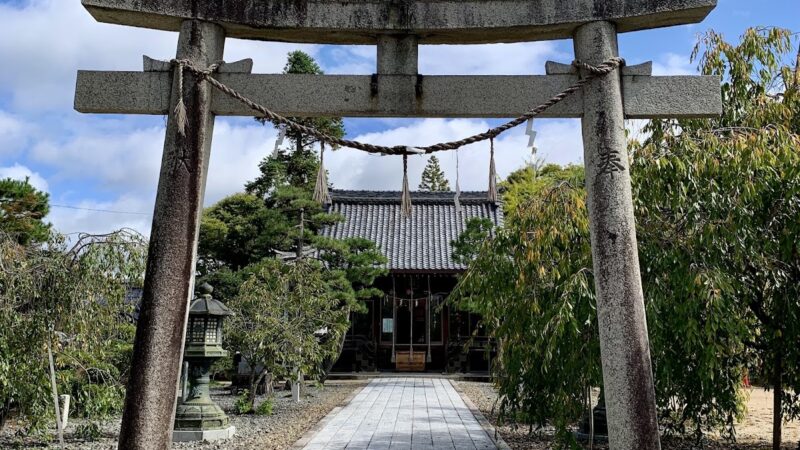
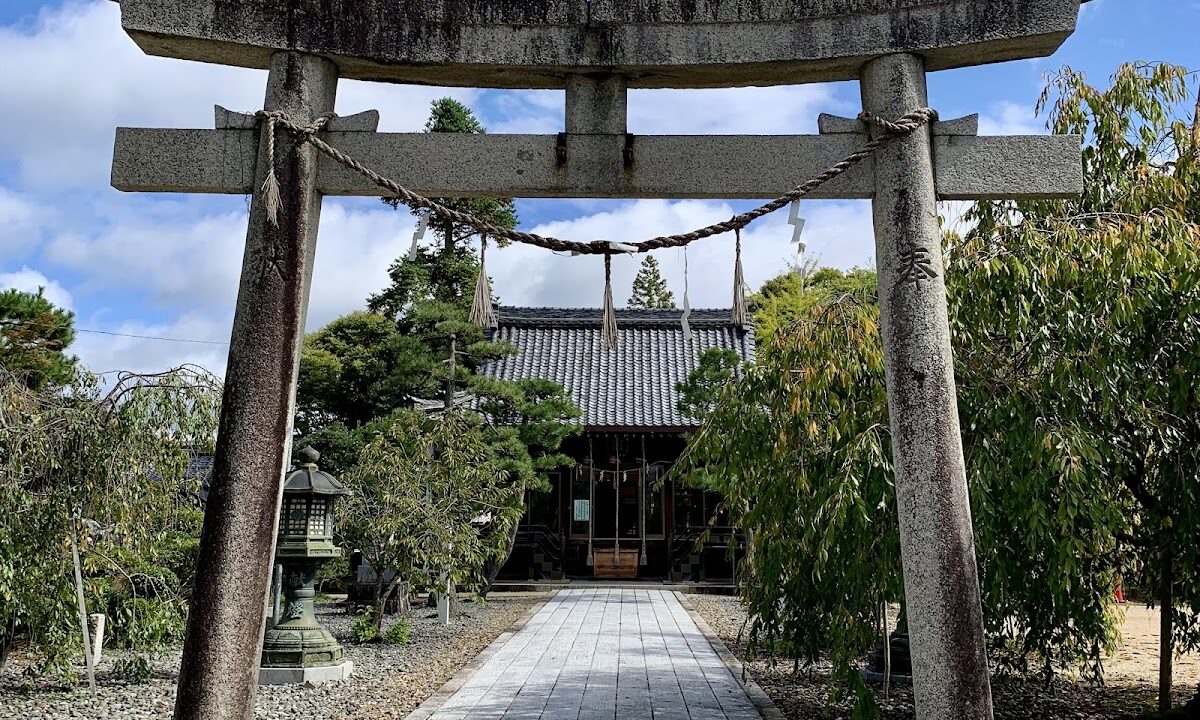
The main hall of Shiraishihama Shrine is a valuable building that retains the architectural style of the Taisho era. The wooden shrine building is regularly maintained and kept clean. There is an offering box in front of the worship hall, and visitors pray using the two bows, two claps, and one bow ritual. ### Torii Gate and Approach
A magnificent torii gate stands at the entrance to the shrine, and a well-maintained approach leads from there to the main hall. Although the approach is relatively short, it exudes a tranquil atmosphere despite its urban location, creating a peaceful space for worship.
Subsidiary Shrines
Around the main hall, there are several small shrines and stone monuments. These are valuable cultural assets that tell the story of the shrine’s past before its consolidation and the local faith. Take some time to admire these historical sites as you stroll through the grounds.
Seasonal Scenery
In spring, cherry blossoms bloom; in autumn, the leaves change color; the shrine grounds display different expressions throughout the seasons. Especially during the annual festival, the grounds are lined with stalls and bustling with many worshippers.
Access Methods
Access by Train
Nearest Station: JR Higashi-Maizuru Station
- Approximately 10 minutes on foot from the North Exit of Higashi-Maizuru Station
- Approximately 800m
Access from Kyoto Station:
- Take the JR Sanin Main Line to Ayabe Station (approximately 1 hour by limited express train)
- Transfer to the JR Maizuru Line and go to Higashi-Maizuru Station (approximately 30 minutes)
- Approximately 10 minutes on foot from Higashi-Maizuru Station
Total travel time: Approximately 1 hour 40 minutes to 2 hours
Walking Route (from Higashi-Maizuru Station)
- Exit the North Exit of Higashi-Maizuru Station
- Walk straight north along the street in front of the station
- Cross National Route 27
- Walk through the residential area for approximately 10 minutes to arrive
There are signs along the way, but using a smartphone map app is recommended.
Access by Car
Using the Maizuru-Wakasa Expressway:
- Approximately 10 minutes from Maizuru-Higashi Interchange
- Via National Route 27
Parking:
The shrine has parking spaces for visitors. However, congestion is expected during events such as festivals, so using public transportation is recommended.
Access by Bus
Kyoto Kotsu bus routes are also available. Get off at the “Hama” bus stop and it’s about a 3-minute walk. However, the number of buses is limited, so it is recommended to check the timetable in advance.
Basic Information
Official Name: Shiraitohama Shrine
Location: 520 Hama, Maizuru City, Kyoto Prefecture 625-0036 (or Yoro Shikishima-kaku)
Phone Number: 0773-62-1845
Visiting Hours: Grounds are freely accessible (24-hour worship)
Shrine Office Hours: Irregular (Advance contact recommended for those wishing to receive a Goshuin stamp)
Admission Fee: Free
Former Shrine Rank: Prefectural Shrine
Annual Festival Date: Once a year (Inquire with the shrine for details)
About the Shiraitohama Shrine Annual Festival
Shiraitohama Shrine holds a grand annual festival. On the day of the festival, the shrine grounds are lined with stalls and are bustling with locals and tourists.
Highlights of the Festival
- Shinto Ritual: A traditional Shinto ritual performed in a solemn atmosphere.
- Night Stalls: A row of nostalgic food stalls selling takoyaki, yakisoba, cotton candy, and more.
- Community Interaction: A place to interact with local people.
- Shrine Grounds at Night: A magical atmosphere illuminated by lanterns.
The festival dates may vary from year to year, so it is recommended to check with the shrine or the Maizuru City Tourism Association before visiting.
Nearby Tourist Attractions
When visiting Shiraitohama Shrine, why not also explore other tourist attractions in Maizuru City?
Maizuru Red Brick Park
Located about a 15-minute walk from Higashi-Maizuru Station, this is a representative tourist spot in Maizuru City. A group of red brick warehouses built during the Meiji and Taisho periods are preserved and used as a museum and cafe.
Maizuru Repatriation Memorial Museum
A memorial museum exhibiting materials registered as a UNESCO World Memory Heritage site. You can learn about the role Maizuru Port played as a repatriation port after World War II.
Goro Sky Tower
This observation facility offers panoramic views of Maizuru Bay. Located on the summit of Mt. Goro (301m above sea level), it offers a 360-degree panoramic view.
Kongoin Temple
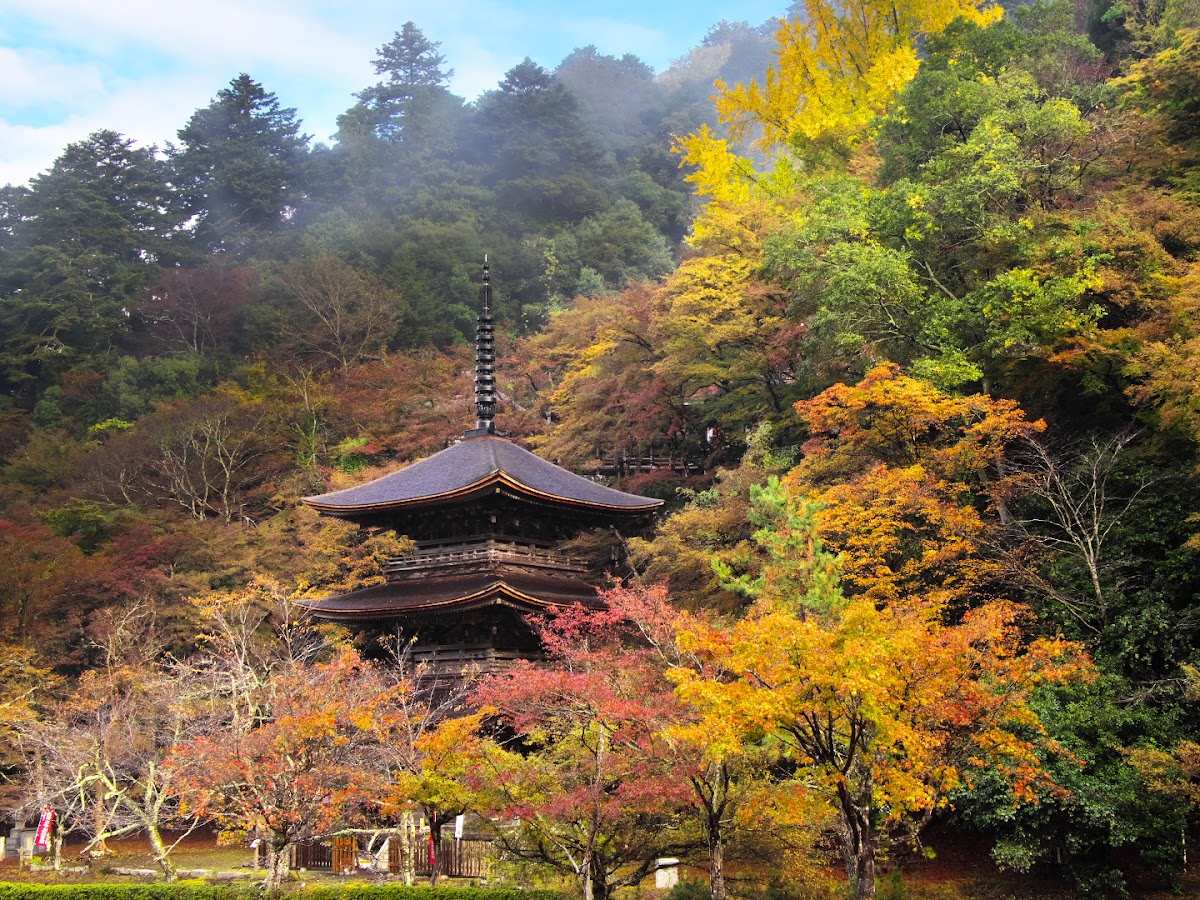
This ancient Shingon Buddhist temple in Maizuru City houses a three-story pagoda, a designated Important Cultural Property. It is also known as a famous spot for autumn foliage.
Points and Manners for Visiting a Shrine
Proper Way to Visit a Shrine
- Bow before passing through the torii gate.
- Purify your hands and mouth at the water basin.
- Hold the ladle in your right hand and wash your left hand.
- Switch the ladle to your left hand and wash your right hand.
- Switch the ladle back to your right hand, receive water in your left hand, and rinse your mouth.
- Finally, hold the ladle upright and wash the handle.
- Bow twice, clap twice, and bow once in front of the main shrine.
- Bow deeply twice.
- Clap twice at chest height.
- Pray sincerely.
- Finally, bow deeply once.
Regarding Photography
Photography is generally permitted on the shrine grounds, but please note the following:
- Refrain from taking photos inside the main shrine.
- Be considerate of other visitors.
- Remember that this is a sacred place.
- When posting on social media, be mindful of privacy, including location information.
Regarding Clothing
There are no particularly strict dress code regulations, but shrines are sacred places. Avoid overly revealing or dirty clothing. Especially when participating in events such as festivals, proper attire is desirable.
History and Culture of Maizuru City
To deeply understand Shiraishihama Shrine, it’s important to know the history of Maizuru City.
Development as a Naval Port City
Since the establishment of the Naval District Headquarters in 1901 (Meiji 34), Maizuru has developed as an important naval port on the Sea of Japan side. The Higashi-Maizuru area, in particular, had a concentration of naval facilities, attracting many people from all over the country.
Role as a Repatriation Port
After World War II, Maizuru Port became one of the main ports receiving repatriates from overseas. Between 1945 and 1958, approximately 660,000 repatriates landed at this port. This history can be learned in detail at the Maizuru Repatriation Memorial Museum.
Modern Maizuru
Present-day Maizuru City is home to a Japan Maritime Self-Defense Force base while also developing as a tourist city. This city boasts a variety of attractions, including fresh seafood, historical buildings, and beautiful natural scenery.
Visitor Voices and Reviews
Visitors to Shiraishihama Shrine have shared the following comments:
- “A quiet and peaceful shrine. You can forget the hustle and bustle of the city.”
- “I visited seeking blessings for matchmaking. I felt my soul cleansed.”
- “Convenient access, close to Higashi-Maizuru Station.”
- “The atmosphere is lively and fun during the annual festival.”
- “I was happy that the goshuin (shrine stamp) was carefully written.”
- “It’s a small shrine, but you can feel the history.”
Summary: Finding peace of mind at Shiraishihama Shrine
Shiraishihama Shrine, though relatively new, was founded during the Taisho era, yet it is an important place of worship deeply intertwined with the history of Maizuru City. By merging three shrines, it enshrines eight deities, offering a variety of blessings.
The blessings of “matchmaking” and “tidying up the threads of life” are particularly meaningful to us living in modern society. It is believed to beautifully tidy up the various “threads” of life—relationships, work, health, etc.—leading you towards a better future.
Conveniently located about a 10-minute walk from Higashi-Maizuru Station, it can be easily visited as part of a Maizuru sightseeing trip. Enjoy a journey experiencing Maizuru’s history and culture by combining it with other tourist spots such as the Red Brick Park and the Repatriation Memorial Museum.
This shrine is recommended for a variety of people, including those collecting Goshuin (shrine stamps), those seeking blessings for matchmaking, those seeking quiet peace of mind, and those interested in Maizuru’s history. Why not visit Shiraitohama Shrine and tidy up the threads of your heart?