Reimei Shrine (Kyoto Prefecture) Complete Guide | History, Goshuin (Shrine Seal), and Access Information for the Sacred Site Where Late Edo Period Patriots Rest
Reimei Shrine, located on Mt. Reizan in Higashiyama Ward, Kyoto City, is a historically significant shrine known as Japan’s first Shinto cemetery. As a sacred site where many loyalist and anti-foreign figures of the late Edo period rest, it enshrines many such figures, including Sakamoto Ryoma and Nakaoka Shintaro. This article comprehensively introduces information you should know before visiting Reimei Shrine, from detailed information and history to how to worship, goshuin (shrine seals), and access.
What is Reimei Shrine? | A Sacred Site for Late Edo Period Patriots in Higashiyama Ward, Kyoto Prefecture
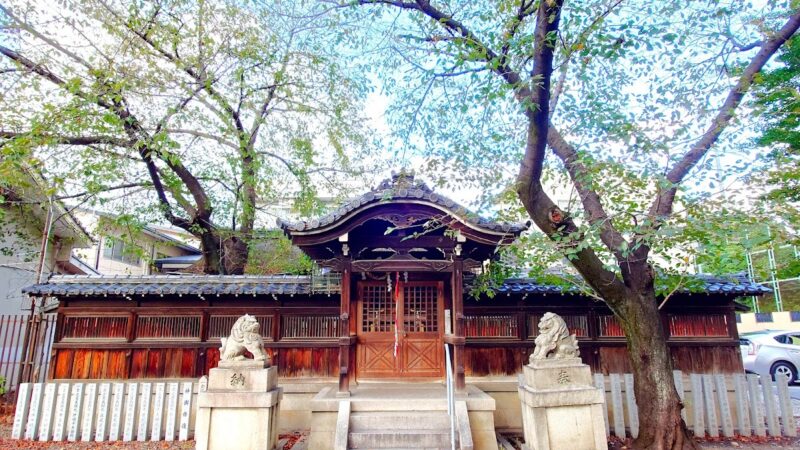
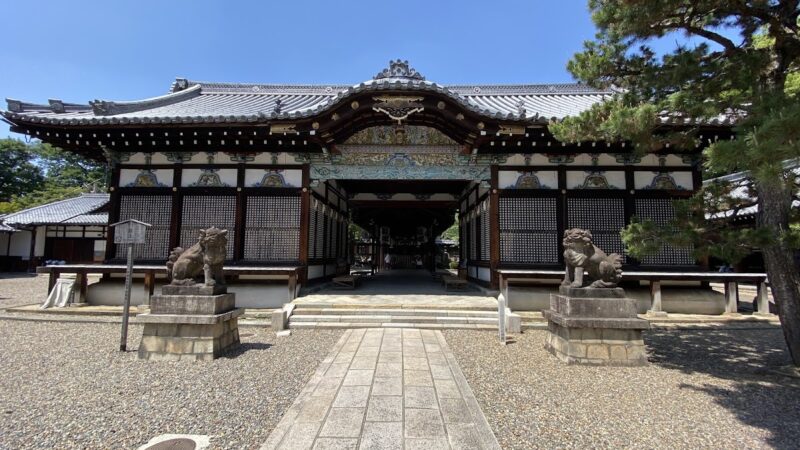
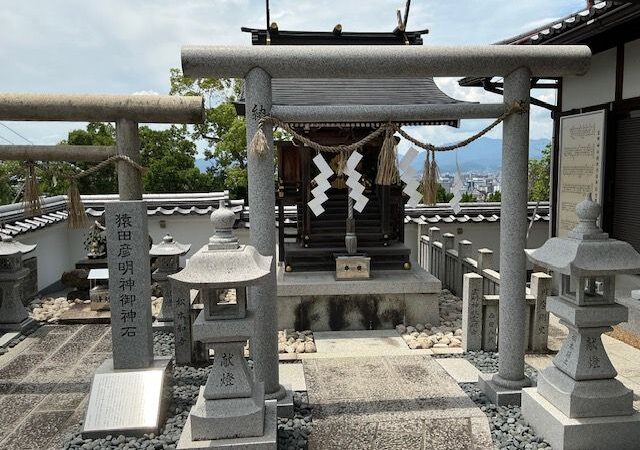
Reimei Shrine is a shrine located in Seikanji Reizan-cho, Higashiyama Ward, Kyoto City, Kyoto Prefecture. It was founded in 1809 (Bunka 6) as a pioneer of Shinto funeral halls in Japan. Befitting its name as Higashiyama’s sacred mountain, Reimei Shrine remains a place where the souls of the patriots who lived through the turbulent Bakumatsu period rest peacefully, and it continues to attract many visitors to this day.
Uniqueness as a Shinto Cemetery
The most distinctive feature of Reimei Shrine is that it is the first shrine in Japan to have a Shinto cemetery. While Buddhist funeral rites were common in Japan until the Edo period, Reimei Shrine was founded with the aim of practicing Shinto funeral rites and spreading the “Kannagara no Michi” (the way of the gods). This innovative attempt is said to have influenced the Shinto-Buddhist separation policy during the Meiji Restoration.
History of Reimei Shrine | From Founding to the Present
Circumstances of Founding (Bunka 6, 1809)
Reimei Shrine was founded in Bunka 6 (1809) by Murakami Kuniyoshi, who served the Imperial family. Murakami Tokai aspired to spread the ancient Japanese path, “Kannagara no Michi” (the Path of the Gods), and, amidst numerous difficulties and hardships, established a Shinto funeral ground on Higashiyama Reizan.
At the time, funeral rites were a field monopolized by Buddhism, and conducting Shinto funeral rites was a groundbreaking endeavor. Through Murakami Tokai’s strong conviction and efforts, a Shinto cemetery was established, laying the foundation for Reimei Shrine.
Reimei Shrine in the Late Edo Period | A Sacred Site for Sonno Joi Patriots
During the late Edo period, Reimei Shrine became a sacred site for patriots who dedicated themselves to the Sonno Joi movement. In November 1862, the tomb of Funakoshi Seizo Moriyoshi, a scholar of Japanese classics from the Choshu Kiyosue Domain, was erected. In December of the same year, the “Memorial Service for the Souls of Loyalty and Gratitude” was held, initiated by Furukawa Miyuki, Fukuba Yoshishizu, and others.
This was the first memorial service in Japan for the patriots who died after the Ansei Purge, a private ceremony held to commemorate them. It was an important ritual that can be considered a precursor to the later Yasukuni Shrine. Among the patriots, it was said, “How joyful it was to be buried in the imperial gesture performed by Murakami of Reizan!” Receiving a Shinto funeral was considered an honor.
Sakamoto Ryoma and Reimei Shrine
On November 15, 1867 (Keio 3), Sakamoto Ryoma and Nakaoka Shintaro, who were assassinated at the Omiya inn in Kyoto, were buried in the Shinto cemetery of Reimei Shrine. The steep slope leading from Ninenzaka to Reimei Shrine is named “Ryoma-zaka” (Ryoma Slope), and it is said that the funeral procession passed through this slope to reach Reimei Shrine.
From Ryoma-zaka, one can see the Yasaka Pagoda, a symbol of Kyoto, making it a popular spot for a stroll while experiencing the history of the late Edo period.
Spirits and Patriots Enshrined at Reimei Shrine
Reimei Shrine enshrines many patriots who lost their lives during the turbulent Bakumatsu period. The main spirits enshrined are as follows:
Main Deities
- Sakamoto Ryoma: From Tosa Domain, key figure in the Satsuma-Choshu Alliance
- Nakaoka Shintaro: From Tosa Domain, leader of the Rikuentai
- Funakoshi Seizo Moriyoshi: National scholar of the Choshu Kiyosue Domain
- Furukawa Mitsuyuki: National scholar, loyalist and anti-foreigner patriot
- Many Other Patriots: Patriots who lost their lives during the Ansei Purge and the turmoil of the Bakumatsu period
These patriots, as heroic spirits who sacrificed their lives for the nation, rest peacefully at Reimei Shrine. Joint memorial services are held at the shrine in spring and autumn to comfort the spirits of these patriots.
Information on Goshuin (Shrine Seals) at Reimei Shrine
Reimei Shrine offers Goshuin to visitors.
Features of the Goshuin
The Goshuin at Reimei Shrine reflects the historical importance of the shrine. The name “Reimei Shrine” is boldly written in ink, and the shrine’s seal is stamped on the red seal. This Goshuin evokes the solemn atmosphere of a sacred site where patriots of the late Edo period rest.
Regarding the Issuance of Goshuin
Goshuin are issued at the shrine office. The correct etiquette is to first pay respects at the main hall before receiving the Goshuin. You can bring your own Goshuin book, or you can receive a pre-printed Goshuin.
It is recommended to check with the shrine in advance for issuance hours and other details. Please note that procedures may differ, especially during events such as the Autumn Memorial Service.
How to Access Reimei Shrine
Reimei Shrine is located on Mt. Reizan in Higashiyama Ward, Kyoto City, and there are several ways to access it.
Basic Information
Address: 25 Seikanji Reizan-cho, Higashiyama Ward, Kyoto City, Kyoto Prefecture
Nearest Station: Keihan Main Line “Gion-Shijo Station”
Access by Train and Bus
Using Keihan Railway
- Get off at Keihan Main Line “Gion-Shijo Station,” approximately 15-20 minutes on foot
- Head towards Higashiyama from the station, passing Yasaka Shrine, and then towards Mt. Reizan
Using City Bus/Keihan Bus
- Get off at Kyoto City Bus/Keihan Bus “Higashiyama Yasui” bus stop, approximately 10 minutes on foot
- Get off at Kyoto City Bus/Keihan Bus “Kiyomizu-do” bus stop, approximately 10 minutes on foot
The route from the bus stop involves walking uphill towards Mt. Reizan. The route through Ninenzaka and Ryoma-zaka allows you to enjoy the quintessential Kyoto atmosphere while visiting the shrine.
Walking Access Route
Ryoma-zaka Route (Recommended)
Ryoma-zaka, which leads from Ninenzaka to Reimei Shrine, is a historical road that Sakamoto Ryoma’s funeral procession took. Although it’s a steep slope, you can enjoy views of Yasaka Pagoda along the way, fully experiencing the Kyoto atmosphere. It’s within walking distance of Kiyomizu-dera Temple and Kodai-ji Temple, making it ideal as part of a Higashiyama sightseeing trip.
Kiyomizu-michi Route
The route from the “Kiyomizu-michi” bus stop towards Reizan is also popular. You can access Reimei Shrine while enjoying the atmosphere of Higashiyama by walking along the approach to Kiyomizu-dera Temple.
Access by Car
The roads around Reimei Shrine are narrow and parking is limited, so using public transportation is recommended. If visiting by car, it’s best to use nearby paid parking (around Kiyomizu-dera Temple or Higashiyama Yasui) and access the shrine on foot.
Annual Events at Reimei Shrine
At Reimei Shrine, various events are held throughout the year to comfort the spirits of the patriots enshrined there.
Spring Memorial Service
In spring, a joint memorial service is held for the spirits enshrined at Reimei Shrine. While primarily for members of the Reimei Association, general visitors may also be able to attend.
Autumn Memorial Service (September 23rd)
On September 23rd, the autumnal equinox, the Autumn Memorial Service is held. This service is an important event to comfort all the spirits enshrined at Reimei Shrine, including the patriots of the late Edo period. The Autumn Memorial Service in 2026 is also scheduled for September 23rd.
Ryoma Festival
Events commemorating Sakamoto Ryoma are sometimes held to coincide with the anniversary of his death. This event attracts many Ryoma fans and history enthusiasts.
Tourist Attractions Around Reimei Shrine
Reimei Shrine is located in the Higashiyama area of Kyoto, and there are many tourist attractions in the surrounding area.
Kyoto Ryozen Gokoku Shrine
Kyoto Ryozen Gokoku Shrine, located very close to Reimei Shrine, is also famous as a shrine dedicated to the patriots of the late Edo period. It houses the graves of Sakamoto Ryoma and Nakaoka Shintaro, and many people visit both Reimei Shrine and this shrine.
Kodai-ji Temple
This temple was built by Kita-no-Mandokoro Nene, the wife of Toyotomi Hideyoshi, to mourn Hideyoshi. Its beautiful gardens and special nighttime viewings are popular. It is about a 10-minute walk from Reimei Shrine.
Kiyomizu-dera Temple
Kiyomizu-dera Temple, one of Kyoto’s most representative tourist attractions, is also within walking distance. Many tourists from both Japan and abroad visit this spot, which offers a spectacular panoramic view of Kyoto city from its Kiyomizu Stage.
Yasaka Shrine
Yasaka Shrine is known as the guardian deity of Gion. Located on the way from Gion-Shijo Station to Reimei Shrine, it’s convenient for visiting both.
Ninenzaka/Sannenzaka
A charming, cobblestone slope typical of Kyoto. Lined with souvenir shops and restaurants, it’s a pleasant place to stroll. It also leads to Ryoma-zaka.
Etiquette and Manners for Visiting Reimei Shrine
Reimei Shrine is a sacred place where patriots of the late Edo period are buried. Please observe the following manners when visiting.
Etiquette for Visiting the Shrine
- Bow before passing through the torii gate: This shows respect when entering the sacred area.
- Purify yourself at the water basin: Purify your left hand, right hand, and mouth in that order.
- Worship at the main shrine: Two bows, two claps, and one bow is the basic form.
- Walk quietly around the grounds: Be quiet so as not to disturb the resting place of the patriots.
Photography
Photography is generally permitted on the shrine grounds, but it may be best to refrain from taking pictures of the graves or inside the main shrine. If unsure, please check with the shrine staff. Also, remember to be considerate of other visitors.
Dress Code
There are no particularly strict dress code regulations, but it is desirable to wear clothing that reflects the sacred nature of the place. Especially when attending events such as memorial services, please dress modestly.
Highlights of Reimei Shrine
Shinto Cemetery
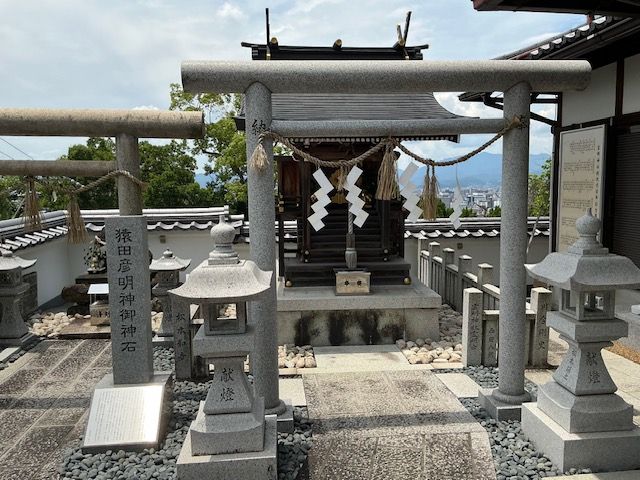
The biggest highlight of Reimei Shrine is Japan’s first Shinto cemetery. The area features Shinto-style gravestones, distinct from Buddhist tombstones, creating a unique atmosphere. Visitors can see the graves of patriots such as Sakamoto Ryoma and Nakaoka Shintaro.
View from Ryoma-zaka
Ryoma-zaka, the slope leading from Ninenzaka to Reimei Shrine, is a steep climb, but offers a spectacular view of Yasaka Pagoda from partway up. It’s deeply moving to imagine that the patriots of the late Edo period may have seen this same view.
Main Hall
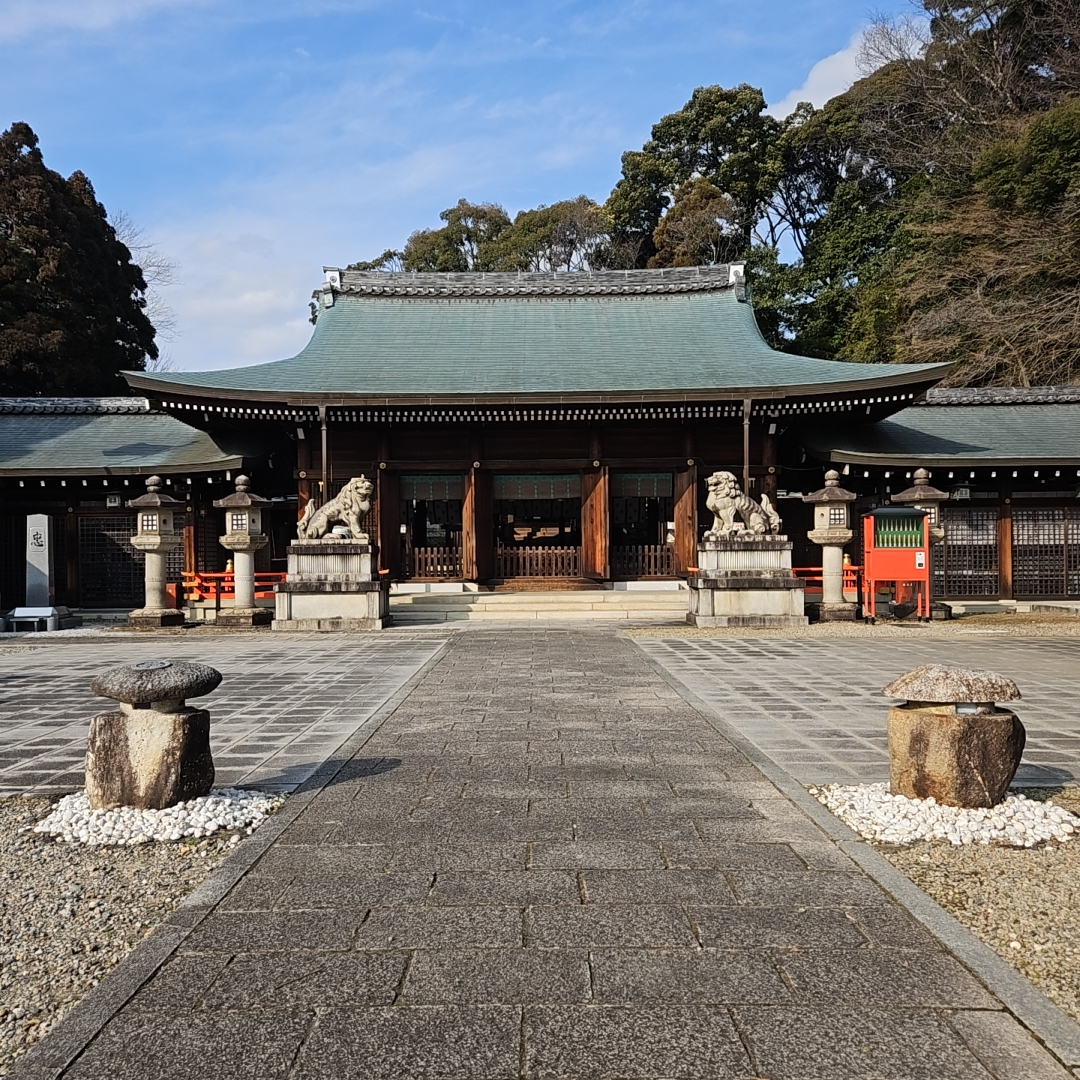
The main hall of Reimei Shrine is a sacred place where the spirits of the patriots are enshrined. Simple yet majestic, it allows one to quietly reflect on the history of the late Edo period.
Reimei Shrine’s Connection to Late Edo Period History
Reimei Shrine is not merely a shrine; it is an indispensable and important place when discussing the history of the late Edo period.
The Ansei Purge and Reimei Shrine
The Ansei Purge, which began in 1858 (Ansei 5), resulted in the execution of many loyalist and anti-foreign activists. In December 1862 (Bunkyu 2), Reimei Shrine held a memorial service for these activists, the “Memorial Service for the Souls of Loyal Death,” which became the first such memorial service in Japan.
Center of the Shinto Restoration Movement
From the late Edo period to the Meiji Restoration, the Shinto Restoration Movement flourished. Reimei Shrine played a central role in this movement, demonstrating an alternative to Buddhist funeral rites by practicing Shinto funeral practices.
Influence on the Meiji Restoration
The practice of Shinto funeral rites at Reimei Shrine is believed to have influenced the Meiji government’s policy of separating Shinto and Buddhism and the formation of State Shinto. As a sacred site for the activists and a symbol of the Shinto Restoration, Reimei Shrine can be said to have spiritually supported the Meiji Restoration.
Points to Note When Visiting Reimei Shrine
Many Slopes
Reimei Shrine is located on the slopes of Higashiyama, so access requires climbing slopes. We recommend wearing comfortable shoes. Ryoma-zaka slope is particularly steep, so those who are not confident in their physical fitness should not push themselves and should climb slowly.
Check Visiting Hours
Visiting hours for Reimei Shrine may vary depending on the season and events. If you are visiting from afar, we recommend checking in advance.
Consider the Weather
Slopes can become slippery in rainy weather, so caution is necessary. Also, the sun is strong in summer and it gets cold in winter, so please dress appropriately for the season and stay hydrated.
Summary | Reimei Shrine: A Sacred Site Where You Can Experience the History of the Late Edo Period
Reimei Shrine (Kyoto Prefecture) was established as Japan’s first Shinto cemetery and is a historically important shrine where many patriots of the late Edo period rest. Many patriots, including Sakamoto Ryoma and Nakaoka Shintaro, are enshrined here, making it a must-see spot for anyone interested in the history of the late Edo period.
Located in the tranquil setting of Ryozen in Higashiyama Ward, Kyoto City, visiting the shrine while reflecting on the spirits of these patriots offers a precious experience of feeling history firsthand. Its convenient location, within walking distance of Gion-Shijo Station, is also a major draw, allowing you to visit it along with other nearby tourist attractions such as Kiyomizu-dera Temple and Kodai-ji Temple.
Reimyo Shrine offers a special experience where you can receive a Goshuin (shrine stamp), stroll along Ryoma-zaka slope, gaze upon Yasaka Pagoda, and contemplate the history of the late Edo period. When you visit Kyoto, be sure to stop by.
Serious ceremonies are held during the spring and autumn memorial services to comfort the spirits of the patriots. The autumn memorial service on September 23rd is particularly important among Reimyo Shrine’s annual events. This shrine is recommended not only for history buffs but also for anyone who wants to experience Japanese spiritual culture.