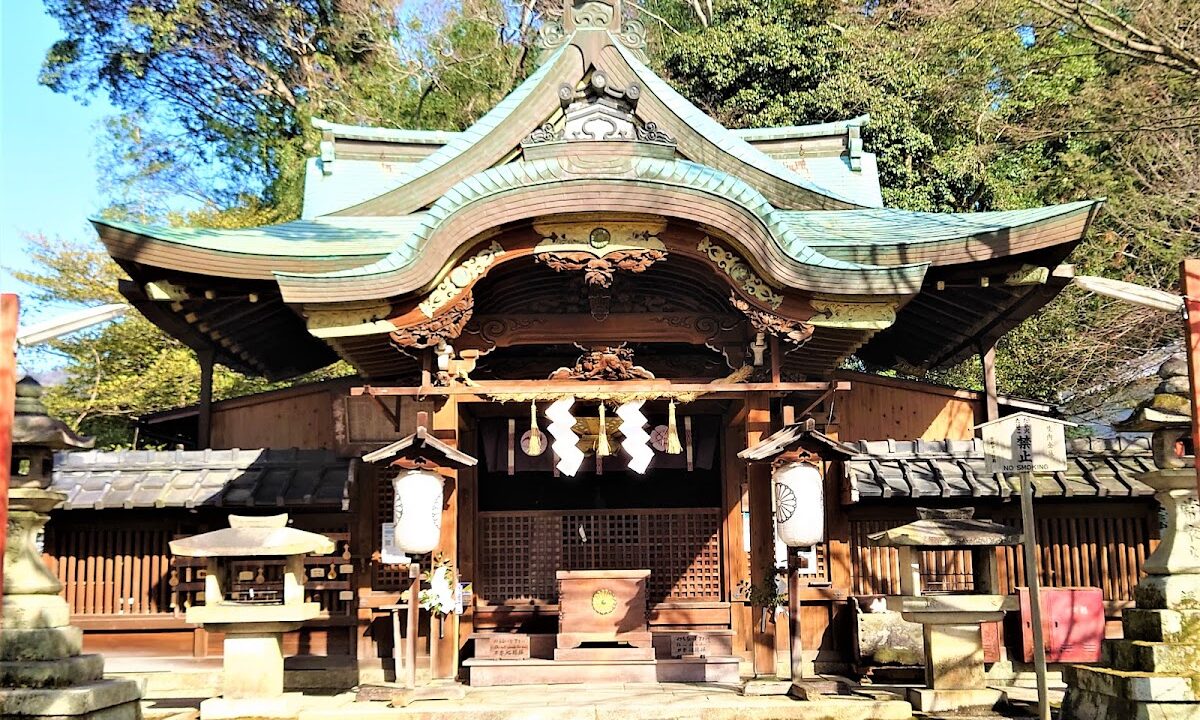
Awata Shrine (Kyoto Prefecture) Complete Guide | History, Goshuin (Shrine Seals), Access, and Highlights Explained in Detail
Awata Shrine, situated on a hill in Higashiyama Ward, Kyoto City, is a historic shrine said to have been founded in 876 AD. Located at Awataguchi, the eastern gateway to Kyoto, it has been revered since ancient times as a guardian deity protecting travelers on the Tokaido and Higashiyama roads. This article provides a detailed explanation of everything you need to know before visiting Awata Shrine, including its history, enshrined deities, highlights, goshuin information, and access methods.
What is Awata Shrine? | Guardian Deity of Eastern Kyoto
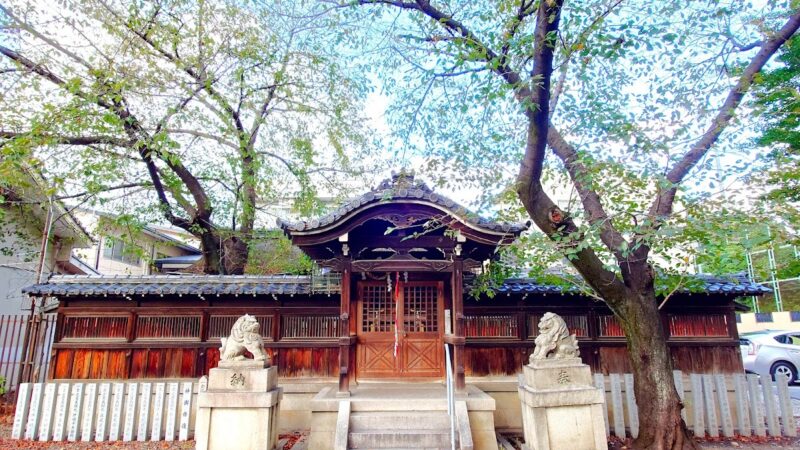
Awata Shrine is located in Awataguchi Kaji-cho, Higashiyama Ward, Kyoto City, and its former shrine rank was Prefectural Shrine. Situated on a hill south of Sanjo Jingu-michi, accessed by stone steps, the shrine grounds offer a superb location with panoramic views of the Okazaki area, including the large torii gate of Heian Jingu Shrine. ### Deities and Divine Virtues
The main deities enshrined at Awata Shrine are the following two:
- Susanoo-no-Mikoto: God of protection against misfortune and illness
- Ōnamuchi-no-Mikoto: God of nation-building and matchmaking
Because these two deities are enshrined, Awata Shrine was also known as Kanjin-in Shingu, similar to Gion Kanjin-in (Yasaka Shrine). It is also known by other names such as Awata Tenno-gu and Awataguchi Hachidai Ōji-sha. Following the separation of Shinto and Buddhism during the Meiji era, the shrine was renamed to its current name, Awata Shrine.
As a Guardian Deity of Safe Travel
Awataguchi, where Awata Shrine is located, was one of Kyoto’s seven main entrances and a crucial gateway to the Tokaido and Tosan-do roads, important transportation routes connecting Kyoto with the eastern provinces. Therefore, since ancient times, travelers have prayed for safe journeys here and offered thanks upon their safe return to Kyoto.
Due to this historical background, Awata Shrine is widely revered as a deity of safe travel and protection for travelers. Even today, people continue to visit the shrine before traveling or on business trips.
History | The History of an Ancient Shrine Dating Back to the Jogan Era
Origin of Founding
Awata Shrine is said to have been founded in Jogan 18 (876). It began in the early Heian period when Fujiwara no Okiyo, the governor of Dewa Province, received an imperial order to invite a divided spirit from Kanshin-in (present-day Yasaka Shrine) to this location.
At that time, Awataguchi held an important position as the eastern gateway to Heian-kyo (Kyoto), and it is believed that the shrine was built in this location to serve as a guardian of the eastern part of the capital.
Transition from the Medieval to the Early Modern Period
From the Heian period to the Kamakura period, Awata Shrine was revered by the local residents as the tutelary deity of the former Awataguchi village. However, the shrine buildings were destroyed by fire during the Ōnin War (1467-1477).
Later, in Meiō 9 (1500), it was rebuilt by Yoshida Kanetomo, a well-known Shinto scholar. Yoshida Kanetomo is known as the founder of Yoshida Shinto, and through his efforts, Awata Shrine was able to regain its former glory.
Relationship with Shōren-in Temple
During the Edo period, Awata Shrine became the guardian shrine of Shōren-in Temple, a Tendai sect temple whose grounds were adjacent to Awata Shrine. During the era of syncretism between Shinto and Buddhism, close relationships between temples and shrines were not uncommon, and the monks of Shoren-in Temple also held Awata Shrine in high esteem.
Changes After the Meiji Era
Following the Meiji-era decree separating Shinto and Buddhism, Awata Shrine became independent from Shoren-in Temple and was designated a Prefectural Shrine in 1873 (Meiji 6). At this time, its name was changed from the previous “Awata Tenno-gu” to the current “Awata Shrine.”
Even after the war, it continued to attract worshippers as the local guardian deity and a god of safe travel, and this continues to this day.
Highlights | Charms of the Shrine Grounds and Cultural Assets
Main Hall and Worship Hall
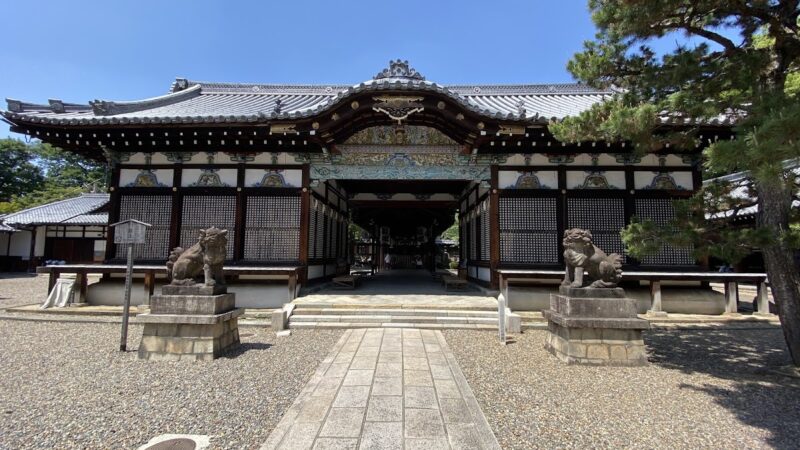
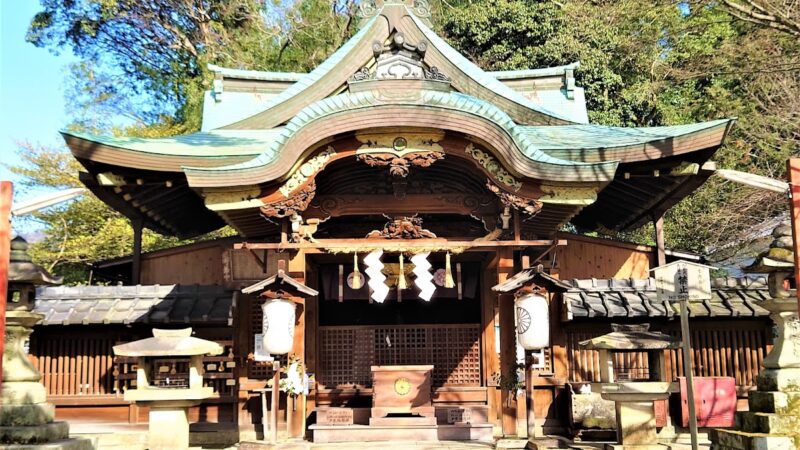
The main hall, located on a hill reached by stone steps, presents a tranquil atmosphere. From the worship hall, one can overlook Kyoto city, and the scenery is particularly beautiful during the autumn foliage season and the spring cherry blossom season.
Aspect as a Sacred Site for Swords
Awataguchi flourished as a village of swordsmiths from the Heian period to the Kamakura period. A group of swordsmiths known as the Awataguchi school were active here, producing famous swords such as “Awataguchi Yoshimitsu.”
The place name “Awataguchi Kaji-machi,” where Awata Shrine is located, strongly reflects this history. Therefore, it is a fascinating place for sword enthusiasts and history buffs.
A Viewing Spot for the Gozan no Okuribi (Five Mountains Bonfire Festival)
Because the grounds of Awata Shrine are located on a hill, it is known as a hidden gem for viewing the Gozan no Okuribi (Five Mountains Bonfire Festival) held every August 16th. In particular, the “Hidari Daimonji” and “Funagata” bonfires can be clearly seen, making it a popular viewing spot not only for locals but also for tourists.
Subsidiary Shrines
In addition to the main shrine, several subsidiary shrines are enshrined within the grounds. Each shrine possesses a different divine virtue, attracting worshippers with various wishes.
Shinkosai and Kenboko | Preserving the Original Form of the Gion Festival
Awata Shrine’s Annual Festival – Shinkosai
The Shinkosai, the annual festival of Awata Shrine, is held annually around October 15th, on Sports Day. This festival is one of the important events that color Kyoto’s autumn.
Kenboko Procession
The highlight of the Shinkosai is the procession of Kenboko. The sight of several Kenboko, reaching heights of 7-8 meters, parading through the parish neighborhoods is breathtaking.
The Kenboko are said to be the original form of the Yamahoko floats of the Gion Festival, and by parading ahead of the portable shrine, they purify the road and welcome the gods. The Kenboko (sword-shaped floats) of Awata Shrine are attracting attention as valuable cultural assets that preserve an older form from before the Gion Festival.
Types and Characteristics of Kenboko
Each Kenboko at Awata Shrine features a different design, with distinctive ornaments such as “dragons,” “hawks,” and “chrysanthemums.” The bearers of the Kenboko captivate spectators by performing techniques such as rotating and swaying the floats.
This Kenboko carrying technique has been passed down through generations and is considered an important intangible cultural asset of the region.
Goshuin (Shrine Seal) Information | As a Memento of Your Visit
Regular Goshuin
At Awata Shrine, you can receive a Goshuin as a memento of your visit. The Goshuin features the calligraphy of “Awata Shrine” and the shrine’s seal, resulting in a simple yet dignified design.
Goshuin (Shrine Seal) Reception Hours
Goshuin are available at the reception area from 8:30 AM to 5:00 PM. Since priests may not always be present, it is recommended to call ahead to confirm availability if you wish to receive a goshuin.
Special Goshuin
During special festivals such as the Shinko-sai (procession of the deity), limited-edition goshuin may be offered. The special goshuin featuring the Kenboko (sword and spear) design is highly popular among collectors, and attracts many visitors during festivals.
Basic Information | Opening Hours, Admission Fee, and Access
Visiting Hours and Admission Fee
- Opening Hours: 6:00 AM – 5:00 PM
- Reception Hours: 8:30 AM – 5:00 PM
- Admission Fee: Free
- Closed Days: Open every day
Location and Contact Information
- Address: 1 Awataguchi Kaji-cho, Higashiyama-ku, Kyoto City, Kyoto Prefecture 605-0051
- Phone Number: 075-551-3154
Parking Information
Awata Shrine has its own parking lot, but spaces are limited. Especially during festivals such as the Shinko-sai (procession of the deity), the parking lot may be unavailable, so using public transportation is recommended.
There are also several coin-operated parking lots in the surrounding area, but they often fill up during peak tourist seasons, so caution is advised.
Access Methods | Access by Train, Bus, and Walking
Access by Train
The nearest station is Higashiyama Station on the Kyoto Municipal Subway Tozai Line.
- Approximately 7 minutes on foot from Exit 1 of Higashiyama Station
- After exiting the station, head north, then east along Sanjo Jingu-michi. You will see the stone steps of Awata Shrine.
Access by Bus
If using Kyoto City Buses, the following bus stops are convenient:
- Get off at the Jingu-michi bus stop, approximately 5 minutes on foot
- Get off at the Higashiyama Sanjo bus stop, approximately 7 minutes on foot
Available routes:
- City Bus Route 5
- City Bus Route 46
- City Bus Route 100 (Rakubus)
Access on Walking
It is also possible to access the shrine on foot from nearby tourist spots.
- Approximately 10 minutes on foot from Heian Jingu Shrine
- Approximately 12 minutes on foot from Chion-in Temple
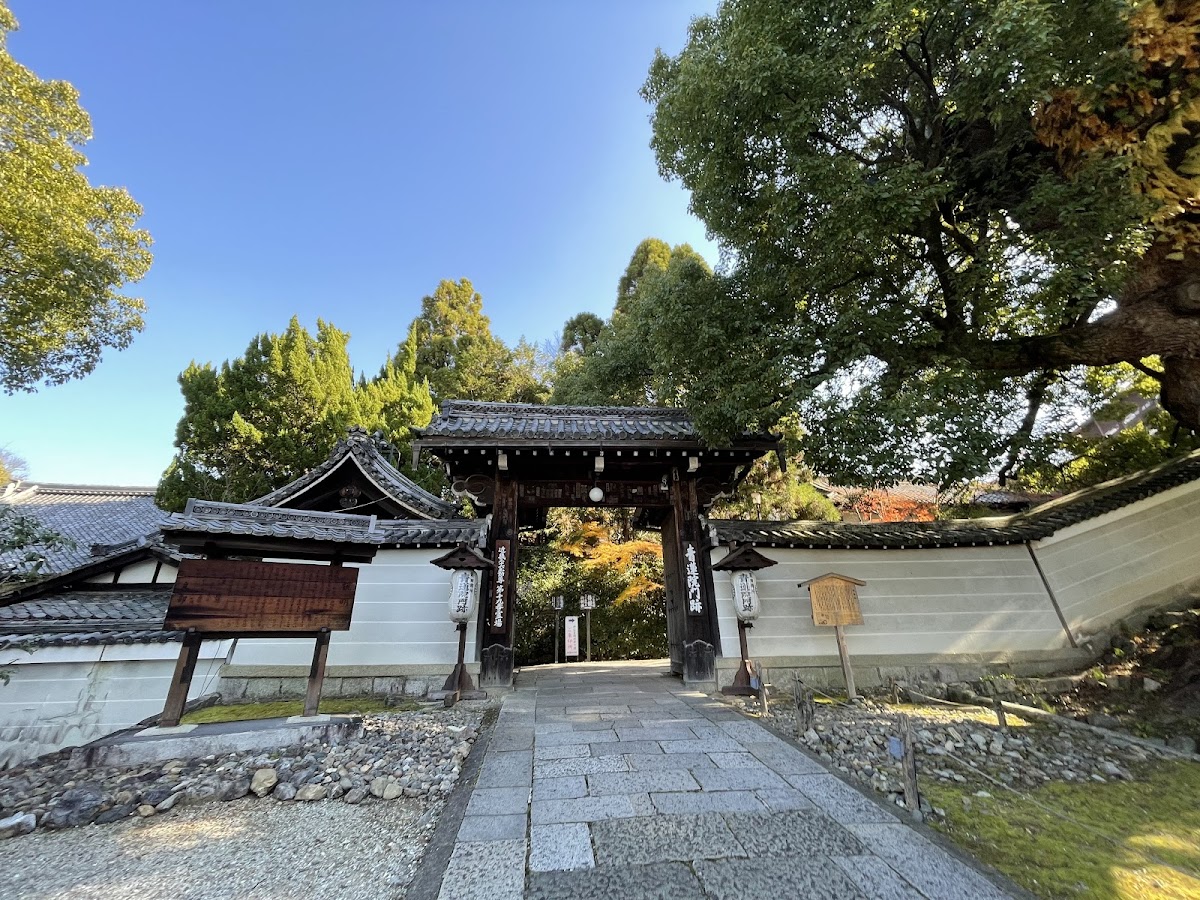
- Approximately 3 minutes on foot from Shoren-in Monzeki Temple (right next door)
Located along Sanjo Jingu-michi, it’s relatively easy to find. It requires a bit of physical exertion to reach as it’s situated on a hill accessed by stone steps, but the view from the temple grounds is magnificent.
Search by Area | Nearby Tourist Attractions
Shoren-in Monzeki Temple
A Tendai sect temple located right next to Awata Shrine. A prestigious temple with strong ties to the Imperial family and the Sekkan family, known for its beautiful garden and Aofudo (Blue Fudo). Visiting both Awata Shrine and Shoren-in is recommended.
Heian Jingu Shrine
A shrine founded in 1895 (Meiji 28), located approximately 10 minutes on foot from Awata Shrine. Famous for its vermilion torii gate and vast garden, it’s one of Kyoto’s representative tourist attractions.
Chion-in Temple
A grand temple known as the head temple of the Jodo sect, its magnificent Sanmon gate, one of the largest in Japan, is truly impressive. Located approximately 12 minutes’ walk from Awata Shrine, it’s easily incorporated into sightseeing routes in the Higashiyama area.
Nanzen-ji Temple
A major head temple of the Rinzai sect, known as a special temple among the Five Great Zen Temples of Kyoto. Its aqueduct and dry landscape garden are highlights, and it’s approximately 15 minutes’ walk from Awata Shrine.
Kyoto National Museum of Modern Art
Located near Heian Shrine, this museum primarily exhibits modern and contemporary Japanese paintings and crafts. Recommended as a cultural experience after visiting Awata Shrine.
Nearby Gourmet Information | Recommended Restaurants to Visit After Your Visit
Cafes in the Okazaki Area
The Okazaki area around Awata Shrine is dotted with stylish cafes. Perfect for a break after your visit.
- CHASEN cafe Kodaiji: A cafe popular for its matcha sweets
- Osaka-ya Koji-ten Sanjo Jingu-michi Kojiya Cafe: Enjoy healthy menus using fermented foods
- Kashi Wabi-ya Nishihanami-koji Store: A famous Japanese confectionery shop
Restaurants in the Gion Area
With a short trip, the Gion area offers a variety of gourmet spots, from traditional Kyoto cuisine to creative dishes.
- Gion Duck Noodles: A restaurant specializing in creative noodle dishes using duck meat
- In addition, there are many long-established Kyoto restaurants and kappo (traditional Japanese) restaurants.
Restaurants along Sanjo Jingu-michi
Along Sanjo Jingu-michi, leading to Awata Shrine, there are many small restaurants and cafes. You can enjoy a meal while experiencing the local atmosphere.
Nearby Accommodation Information
Hotels in the Higashiyama Area
The Higashiyama area around Awata Shrine offers a variety of accommodations, from luxury hotels to affordable business hotels.
- Around Shoren-in Temple: Many accommodations offer a quiet environment and a distinctly Kyoto atmosphere.
- Around Heian Shrine: Convenient access and ideal for sightseeing.
- Sanjo/Shijo Area: Abundant restaurants and nightlife options.
Ryokan and Private Accommodations
For a truly Kyoto-style accommodation experience, traditional ryokan (Japanese inns) and private accommodations renovated from traditional townhouses are recommended. The Higashiyama area boasts numerous charming accommodations.
Manners and Precautions for Visiting Shrines
Basic Manners for Visiting Shrines
- Bow before passing through the torii gate: This is a courtesy before entering the sacred area.
- Purify yourself at the water basin: Purify your left hand, right hand, and mouth in that order.
- Two bows, two claps, one bow: This is the basic etiquette for visiting shrines.
- Keep conversations to a minimum: Let’s respect the quiet atmosphere of the shrine grounds.
Photography
Photography is generally permitted on the shrine grounds, but please note the following points.
- Please refrain from taking photos inside the main shrine or during Shinto rituals.
- Please be considerate of other worshippers.
- Please check in advance before using a tripod.
Regarding Clothing
There are no particularly strict dress code regulations, but please dress appropriately as this is a sacred place. Especially during festivals, it is recommended to avoid revealing clothing.
Awata Shrine in Every Season
Spring | Cherry Blossom Season
Cherry trees line the shrine grounds and surrounding area, blooming beautifully in spring. The combination of the view from the hilltop and the cherry blossoms is magnificent.
Summer | Shrine Grounds Surrounded by Greenery
In the season of fresh greenery, the shrine grounds are enveloped in vibrant green. Viewing the Gozan no Okuribi (Five Mountains Bonfire Festival) on August 16th is a summer tradition.
Autumn | Autumn Leaves and the Shinko-sai Festival
The Shinko-sai Festival in October is the biggest event at Awata Shrine in autumn. Also, in November, the surrounding autumn leaves reach their peak, offering beautiful scenery.
Winter | Silent Shrine Grounds
Winter, with fewer tourists, is a season for quiet and leisurely worship. The snow-covered shrine grounds are particularly picturesque.
Summary | Points to Note When Visiting Awata Shrine
Awata Shrine boasts a long history, founded in 876 AD, and is an ancient shrine revered as a god of safe travel. Located at Awataguchi, the eastern gateway to Kyoto, it offers magnificent views from its elevated position.
Points to Note When Visiting:
- Easily accessible, just a 7-minute walk from Higashiyama Subway Station
- Free admission, making it easy to visit
- The Kenboko, said to be the prototype of the Gion Festival, can be seen during the Shinkosai festival in October
- A popular viewing spot for the Gozan no Okuribi (Five Mountains Bonfire Festival) on August 16th
- Recommended to visit in conjunction with nearby tourist spots such as Shoren-in Temple and Heian Jingu Shrine
Please visit Awata Shrine for a safe travel prayer or as part of your Kyoto sightseeing. Spending time quietly praying in the temple grounds, steeped in history and tradition, will surely be a memorable experience during your trip to Kyoto.