Hiraoka Hachimangu Shrine (Kyoto Prefecture) Complete Guide | A Thorough Explanation of Flower Ceiling, Goshuin (Shrine Seal), Access, and History
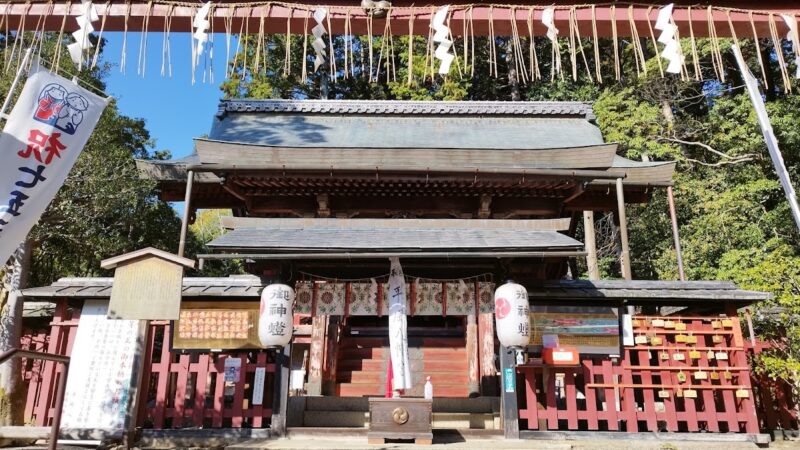
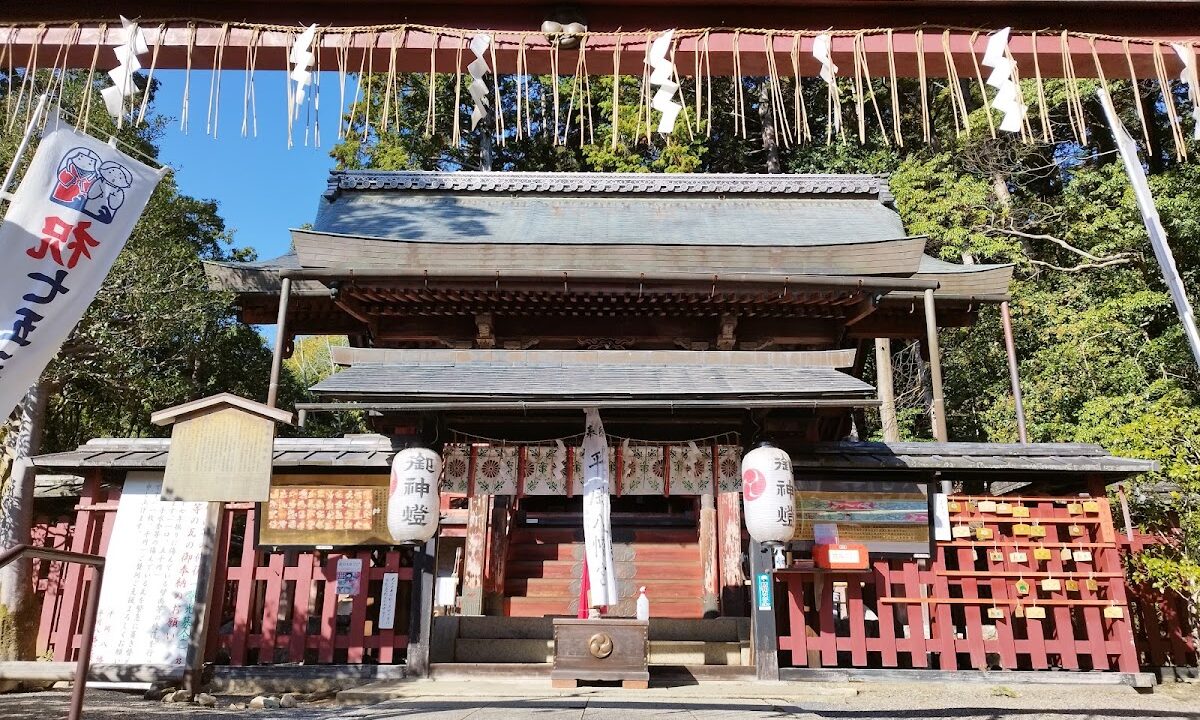
Hiraoka Hachimangu Shrine, located in Umegahata, Ukyo-ku, Kyoto City, is a historic shrine known as the oldest Hachimangu shrine in Yamashiro Province. Founded by Kobo Daishi Kukai, this shrine, famous for its vividly colored “flower ceiling,” attracts many visitors as a hidden gem of Kyoto. This article provides a detailed explanation of Hiraoka Hachimangu Shrine’s history, highlights, goshuin (shrine seal), and access methods—all the information you need to know before visiting.
What is Hiraoka Hachimangu Shrine?
Hiraoka Hachimangu Shrine is located at 23 Miyanokuchi-cho, Umegahata, Ukyo-ku, Kyoto City, and is also known as Umegahata Hachimangu Shrine. Hiraoka Hachimangu Shrine is a beloved local shrine, revered by the people of the Umegahata area, and holds significant historical value as the oldest Hachimangu shrine in Yamashiro Province (present-day southern Kyoto Prefecture).
Formerly a village shrine, it currently operates as an independent shrine. Founded as the guardian deity of Takao-san Jingoji Temple, it is a valuable example of the history of Shinto-Buddhist syncretism.
Deity Enshrined
The deity enshrined at Hiraoka Hachimangu Shrine is Homutawake-no-Mikoto, also known as Emperor Ojin. Emperor Ojin is worshipped as Hachiman-sama at Hachimangu shrines throughout Japan and is revered as the god of military fortune, national protection, and industrial development.
History of Hiraoka Hachimangu Shrine
Founding and Kobo Daishi Kukai
Hiraoka Hachimangu Shrine was founded in Daido 4 (809) by Kobo Daishi Kukai. It is believed that Hiraoka Hachimangu Shrine originated when Kukai invited the deity from Usa Hachimangu Shrine to serve as the guardian deity of Takao-san Jingoji Temple. This founding year coincides with a period shortly after Kukai’s return from Tang China, and it is thought to have been established during the process of developing Jingoji Temple as a center of Shingon Esoteric Buddhism.
Since its founding in the early Heian period, Hiraoka Hachimangu Shrine deepened its relationship with Jingoji Temple and developed under the strong influence of Shingon Buddhism. As the oldest Hachimangu Shrine in Yamashiro Province, it is an indispensable part of the history of Hachiman worship in Kyoto.
Destruction and Reconstruction in the Muromachi Period
Hiraoka Hachimangu Shrine has faced several trials throughout its long history. In particular, it suffered significant damage when the main hall was destroyed by fire during the Muromachi period. After this destruction, the main hall was rebuilt with the support of Ashikaga Yoshimitsu, the third shogun of the Muromachi shogunate.
Ashikaga Yoshimitsu is known for his efforts in the restoration of temples and shrines in Kyoto, and the reconstruction of Hiraoka Hachimangu Shrine was part of this effort. It is believed that the basic structure of the shrine was established during the reconstruction in this period.
Edo Period Restoration and Completion of the Flower Ceiling
In 1826 (Bunsei 9), a large-scale restoration of the main hall was carried out. This restoration work was undertaken by two craftsmen: Sohei of Kami-Saga and Nakagawa Tsuneemon Fujiwara Tadahiro of Muromachi.
The most notable feature of Hiraoka Hachimangu Shrine, the “Flower Ceiling,”, was completed during this restoration. 44 vividly colored floral paintings adorn the ceiling of the inner sanctuary of the main hall and have been carefully preserved to this day. This flower ceiling is highly regarded as an artistic masterpiece that embodies the painting techniques and religious devotion of the late Edo period.
Developments Since the Modern Era
Although the relationship with Jingoji Temple was formally separated by the Meiji-era separation of Shinto and Buddhism, geographical and historical ties continue to this day. Under the old shrine ranking system, it was ranked as a village shrine and has been revered by local residents as the tutelary deity of the Umegahata area.
Even today, the special spring and autumn viewings of the flower-decorated ceiling attract many tourists, making it a hidden gem in Kyoto.
Highlights of Hiraoka Hachimangu Shrine
Flower Ceiling
The greatest highlight of Hiraoka Hachimangu Shrine is the “flower ceiling” adorning the ceiling of the main hall’s inner sanctuary. Painted during the restoration in 1826, this ceiling painting consists of 44 panels depicting 44 different types of flowers in vibrant colors.
Features of the Flower Ceiling
- Flowers Depicted: Flowers of the four seasons are depicted, including plum blossoms, cherry blossoms, camellias, peonies, chrysanthemums, wisteria, hydrangeas, and morning glories.
- Technique: A vibrant coloring technique influenced by the Kano school of painting in the late Edo period.
- Arrangement: Each of the 44 panels depicts a different flower, creating a captivating composition.
- Condition: Despite being approximately 200 years old, the colors remain remarkably vibrant.
The flower ceiling is usually closed to the public, but it is open during special viewing periods in spring (mid-March to mid-May) and autumn (mid-September to early December). During viewing, visitors can hear detailed explanations from Shinto priests, learning about the meaning of each flower and the background behind their depiction.
Main Hall
The current main hall is based on a reconstruction by Ashikaga Yoshimitsu during the Muromachi period and was restored in 1826 (Bunsei 9). The shrine is built in the Ikkensha Nagare-zukuri architectural style, giving it a dignified yet compact appearance.
The interior of the main hall features a floral ceiling, as well as intricate carvings and decorations, preserving many characteristics of Edo period shrine architecture.
Nature of the Shrine Grounds
The grounds of Hiraoka Hachimangu Shrine are located in the lush natural environment of the Takao area in northwestern Kyoto.
Red Camellia
Within the grounds stands a red camellia over 300 years old, which blooms beautifully in spring. This camellia is designated as a protected tree by Kyoto City and is a symbolic presence of the shrine’s long history. Comparing the camellia depicted on the floral ceiling with the actual camellia is one of the pleasures of visiting the shrine.
Seasonal Scenery
- Spring: Camellias, plums, and cherry blossoms bloom one after another, creating a vibrant atmosphere.
- Summer: Lush green trees cover the grounds, and a cool breeze flows through the area.
- Autumn: The surrounding Takao area is one of Kyoto’s most famous spots for autumn foliage, and Hiraoka Hachimangu Shrine is also beautifully colored.
- Winter: The grounds are enveloped in silence, allowing for a solemn and respectful visit.
Torii Gate and Approach
The torii gate of Hiraoka Hachimangu Shrine is painted vermilion, giving it a distinctive Hachimangu shrine appearance. It is located a short distance uphill from the Umegahata settlement. The approach is short, but exudes a quiet atmosphere, far removed from the hustle and bustle of the city.
Goshuin (Shrine Seal) and Goshuincho (Shrine Seal Book)
Goshuin Information
Hiraoka Hachimangu Shrine offers Goshuin (shrine seals).
- Reception Hours: 10:00 AM – 3:30 PM (at the shrine office)
- Offering Fee: Approximately 300-500 yen (subject to change)
- Features of the Goshuin (Shrine Seal): A simple yet powerful goshuin with the calligraphy and red seal of “Hiraoka Hachimangu Shrine”.
During the special viewing period of the flower ceiling, special goshuin may be given out. For seasonal goshuin, it is recommended to check before visiting.
Goshuincho (Shrine Seal Book)
Hiraoka Hachimangu Shrine also offers original goshuincho. You may be able to obtain a goshuincho unique to this shrine, such as one with a design featuring the flower ceiling. Availability varies depending on the season, so please check with the shrine office.
Admission Fee and Visiting Hours
Shrine Grounds Visiting
- Visiting Hours: Grounds are freely accessible (daytime visits are recommended)
- Admission Fee: Free
Entry to the shrine grounds is free, and you can visit at any time. However, it is recommended to refrain from visiting in the early morning or late at night.
Special Viewing of the Flower Ceiling
- Viewing Period:
- Spring: Mid-March to Mid-May
- Autumn: Mid-September to Early December
- Viewing Hours: 10:00 AM to 4:00 PM (Last entry 3:30 PM)
- Admission Fee: 800 yen
- Contents: Explanation of the flower ceiling by a Shinto priest, viewing of the main hall’s interior
During the special viewing, you can enter the main hall’s interior, which is normally inaccessible, and admire the 44 flower ceilings up close. With a detailed explanation from a Shinto priest, you can learn about the meaning and historical background of each flower.
After the viewing, you will be served Obukucha (a type of tea), which is a unique feature of Hiraoka Hachimangu Shrine. This tea is known as a lucky charm and will be a memorable part of your visit.
Access
Hiraoka Hachimangu Shrine is located in Umegahata, Ukyo-ku, in the northwestern part of Kyoto City. Public transportation is the primary means of access.
Access by Train and Bus
From JR Kyoto Station
- Using the JR Bus “Takao/Keihoku Line”
- Take the JR Bus “Takao/Keihoku Line” from JR Kyoto Station
- Get off at the “Hiraoka Hachiman-mae” bus stop, approximately 3 minutes on foot
- Travel time: Approximately 50 minutes
Using Subway and City Bus
- From Shijo Station on the Karasuma Subway Line
- Take City Bus Route 8 bound for “Takao”
- Get off at the “Hiraoka Hachiman-mae” bus stop, approximately 3 minutes on foot
- From Arashiyama Station on the Randen (Keifuku Electric Railway)
- Taking a taxi from around Saga-Arashiyama Station is convenient (approximately 15 minutes)
- Alternatively, take a City Bus or JR Bus to “Hiraoka Hachiman-mae”
Access by Private Car
- Meishin Expressway: Approximately 40 minutes from Kyoto Minami IC
- Parking: There is a limited amount of parking space on the temple grounds (free).
- Due to limited space, it may be crowded during special viewing periods.
- Please consider using nearby paid parking lots.
Combining with Nearby Tourist Attractions
Hiraoka Hachimangu Shrine is located in the Takao area, so we recommend combining it with the following attractions:
- Jingoji Temple: Approximately 15 minutes on foot, famous for its autumn foliage.
- Kozanji Temple: Approximately 10 minutes by car, a World Heritage site and ancient temple.
- Saimyoji Temple: Approximately 8 minutes by car, a temple with beautiful autumn leaves and moss.
Annual Events and Festivals
Grand Festival
Hiraoka Hachimangu Shrine holds various festivals throughout the year.
- New Year’s Day Festival: January 1st
- Annual Grand Festival: Autumn (Dates vary by year)
- Other Festivals: Monthly festivals, etc.
Special Viewings
As mentioned above, the special viewings of the flower ceiling in spring and autumn are the events that attract the most visitors. The autumn special viewing, in particular, during the fall foliage season, can be crowded as many people visit in conjunction with viewing the autumn leaves in the Takao area.
Manners and Points for Visiting a Shrine
Basic Worship Etiquette
- Bow before passing through the torii gate
- Purify yourself at the water basin
- Hold the ladle in your right hand and purify your left hand.
- Switch the ladle to your left hand and purify your right hand.
- Switch the ladle back to your right hand, receive water in your left hand, and rinse your mouth.
- Finally, hold the ladle upright and purify the handle.
- Two bows, two claps, and one bow in front of the main hall
- Bow deeply twice.
- Clap twice at chest height.
- Finally, bow deeply once.
Regarding Photography
- Photography is generally permitted within the shrine grounds, but photography inside the main hall (flower ceiling) is prohibited.
- Please be considerate of other worshippers.
- Please follow the instructions of the Shinto priests regarding photography rules during special viewings.
Recommended Time to Visit
- For those who want to see the flower ceiling: Special viewing periods in spring (mid-March to mid-May) or autumn (mid-September to early December)
- For those who want to enjoy the autumn leaves: Mid-to-late November (the entire Takao area is at its peak for autumn leaves)
- For those who want to visit in peace: Weekdays outside of the special viewing period
Nearby Shrines and Temples
Jingoji Temple
A historic Shingon Buddhist temple located about a 15-minute walk from Hiraoka Hachimangu Shrine. This historical temple, where Kukai served as abbot, houses the national treasures of the Yakushi Nyorai statue and the Five Great Bodhisattva statues. It is also famous for its autumn leaves and is bustling with tourists in the fall.
Kosanji Temple
A historic temple registered as a World Heritage Site, known for the Choju Jinbutsu Giga (Scrolls of Frolicking Animals and Humans). Located about a 10-minute drive from Hiraoka Hachimangu Shrine, its charm lies in its tranquil mountain atmosphere.
Saimyoji Temple
A beautiful temple with moss and autumn leaves, about an 8-minute drive from Hiraoka Hachimangu Shrine. The grounds are small, but the autumn foliage is magnificent.
The Charm of Hiraoka Hachimangu Shrine
Historical Value as the Oldest Hachimangu Shrine in Yamashiro Province
Hiraoka Hachimangu Shrine, founded by Kobo Daishi Kukai, is the oldest Hachimangu shrine in Yamashiro Province and is an important shrine in telling the history of Kyoto. Its long history, dating back to the early Heian period, can be said to be the history of faith in this region itself.
The Artistry of the Floral Ceiling
The floral ceiling, adorned with 44 floral paintings, is a masterpiece that embodies the pinnacle of late Edo period painting. More than mere decoration, it is a highly spiritual work of art that allows one to feel the meaning and wishes embedded in the seasonal flowers.
Harmony with Nature in the Takao Area
Located in the Takao area, a little distance from the city center of Kyoto, Hiraoka Hachimangu Shrine is situated in a quiet environment surrounded by abundant nature. Away from the hustle and bustle of the city, the peaceful environment for worship is a precious sanctuary for modern people.
A Faith Rooted in the Community
Hiraoka Hachimangu Shrine, as the tutelary deity of the Umegahata area, has garnered deep faith from the local residents. Its unpretentious atmosphere, unspoiled by excessive tourism, is a major attraction of this shrine.
Voices of Visitors
Visitors who have actually visited Hiraoka Hachimangu Shrine have shared the following comments:
- “I was deeply moved by the beauty of the flower ceiling. The Shinto priest’s explanation was also thorough, and I was able to learn the meaning of each flower.”
- “It’s nice that it’s not crowded with tourists, so you can worship at your own pace.”
- “I visited in conjunction with the autumn leaves in Takao, and the quiet and peaceful atmosphere was wonderful.”
- “It’s a shrine where you can feel the weight of history as the oldest Hachiman shrine in Yamashiro Province.”
- “I was happy to be served Daifuku tea. It was a heartwarming hospitality.”
Summary
Hiraoka Hachiman Shrine is a venerable shrine boasting a history of over 1200 years as the oldest Hachiman shrine in Yamashiro Province, founded by Kobo Daishi Kukai. The “flower ceiling,” with its 44 vividly colored floral paintings, is a valuable cultural asset that embodies the artistry and faith of the Edo period, and attracts many visitors during the special viewing periods in spring and autumn.
Located in the Takao area, a little distance from downtown Kyoto, its quiet environment surrounded by abundant nature, allowing for a peaceful worship experience, is also a major attraction. Visiting Hiraoka Hachimangu Shrine along with other famous temples in the surrounding area, including Jingoji Temple, will allow you to experience the profound history and culture of Kyoto.
Hiraoka Hachimangu Shrine offers many attractions, including a special viewing of the flower ceiling, Goshuin (temple stamps), and seasonal natural beauty. It’s a hidden gem that you should definitely visit when you come to Kyoto.
Frequently Asked Questions (FAQ)
Q1: When can I see the flower ceiling at Hiraoka Hachimangu Shrine?
A1: The flower ceiling is open to the public during special viewing periods in spring (mid-March to mid-May) and autumn (mid-September to early December). Viewing hours are 10:00 AM to 4:00 PM (last entry at 3:30 PM), and the admission fee is 800 yen. You can admire 44 vividly colored floral paintings inside the main hall, with detailed explanations provided by Shinto priests.
Q2: How do I get to Hiraoka Hachimangu Shrine?
A2: From JR Kyoto Station, take the JR Bus “Takao/Keihoku Line” for about 50 minutes, get off at the “Hiraoka Hachiman-mae” bus stop, and it’s about a 3-minute walk. You can also access it by Kyoto City Bus Route 8 bound for “Takao”. There is some parking space on the shrine grounds for those arriving by car, but the number of spaces is limited.
Q3: Can I get a Goshuin (shrine stamp)?
A3: Yes, you can get a Goshuin at the shrine office (10:00 AM – 3:30 PM). The offering fee is around 300-500 yen. Special Goshuin may be given out during the special viewing period of the flower ceiling. Original Goshuin notebooks are also available.
Q4: When was Hiraoka Hachimangu Shrine founded?
A4: Hiraoka Hachimangu Shrine was founded in 809 AD (Daido 4) by Kobo Daishi Kukai. It originated when the deity was invited from Usa Hachimangu Shrine to serve as the guardian deity of Takao-san Jingoji Temple, and it is known as the oldest Hachimangu shrine in Yamashiro Province (present-day southern Kyoto Prefecture).
Q5: Is it possible to photograph the flower ceiling?
A5: Photography inside the main hall (flower ceiling) is prohibited. Photography on the temple grounds is generally permitted, but consideration must be given to avoid disturbing other visitors. For photography rules during special viewings, please follow the instructions of the Shinto priests.
Q6: Are there any recommended places to visit along with Hiraoka Hachimangu Shrine?
A6: We recommend Jingoji Temple (about a 15-minute walk), the World Heritage site Kozanji Temple (about a 10-minute drive), and Saimyo-ji Temple (about an 8-minute drive), all located in the same Takao area. Especially during the autumn foliage season, visiting these temples together will allow you to fully enjoy the beautiful nature and history of the Takao area.
Q7: Is there an entrance fee?
A7: Entry to the temple grounds and regular worship are free. However, a special viewing of the flower ceiling (available only in spring and autumn) requires an admission fee of 800 yen. The special viewing includes an explanation by a Shinto priest and a serving of Daifuku tea.
Q8: When is the best time to visit?
A8: For those who want to admire the flower ceiling, the spring or autumn special viewing periods are recommended. For those who want to enjoy the autumn foliage, mid-to-late November is recommended. For those who want to visit in peace and quiet, weekdays outside of the special viewing periods are best. In spring, the red camellias on the temple grounds, some over 300 years old, also bloom beautifully.