Ato Shrine (Kyoto Prefecture) Complete Guide | History and Access Information for the Ancient Ato Clan’s Clan Shrine
Ato Shrine, located in Saga Hirosawa Minamino-cho, Ukyo-ku, Kyoto City, is a Shikinaisha (a shrine listed in the Engishiki, an ancient Japanese legal code) where the powerful ancient Ato clan enshrined their ancestral deity. Situated in a quiet residential area of Sagano, south of Hirosawa Pond, this shrine is deeply connected to the history of the relocation of the capital to Heian-kyo (Kyoto) and is a valuable site that conveys the little-known ancient history of Kyoto.
This article comprehensively introduces information you should know before visiting Ato Shrine, including its history, enshrined deities, historical background, grounds, and access methods.
Basic Information about Ato Shrine
Shrine Name: Ato Shrine
Location: 80 Saga Hirosawa Minamino-cho, Ukyo-ku, Kyoto City, Kyoto Prefecture
Deities Enshrined: Amaterasu Omikami, Ato Sukune Ancestor Ajinoda no Mikoto (Ajinoda no Mikoto)
Shrine Rank: Shikinaisha (listed in the Engishiki Jinmyocho), Former Village Shrine
Former Name: Daijingu Shrine
Ato Shrine is a Shikinaisha (minor shrine) listed in the Engishiki Jinmyocho for Kadono District, Yamashiro Province, and was already a prestigious shrine recognized by the imperial court during the Heian period. The 1883 (Meiji 16) “Shrine Details Register” records that the enshrined deity was Amaterasu Omikami.
History of Ato Shrine
What was the Ato clan?
Understanding the Ato clan, the ancient clan that founded the shrine, is essential to understanding Ato Shrine. The Ato clan shared a common ancestry with the Mononobe clan and is said to be descended from the grandson of Nigihayahi-no-Mikoto.
The “Shinsen Shōjiroku” (New Compilation of Family Names) lists “Ato no Sukune” and “Ato no Muraji” in the Yamashiro Province section, confirming their activity around Heian-kyo as a powerful clan of the Mononobe lineage. The Ato clan produced important figures in culture and education, such as Ato no Ōtari, a scholar and literary figure of the early Heian period, and Ato no Ōtari, who is said to be the maternal uncle of Kūkai (Kōbō Daishi).
The relocation of the capital to Heian-kyō and the migration of the Ato clan
The founding of Ato Shrine is closely related to the relocation of the capital to Heian-kyō. Originally, the Ato clan was based in Atobe, Shibukawa District, Kawachi Province (present-day Yao City, Osaka Prefecture). However, with the relocation of the capital to Heian-kyo in 794 (Enryaku 13), the family moved to Kyoto.
At this time, the Ato clan is believed to have established a residence in Saga Hirosawa and enshrined their tutelary deity, Ato Shrine. Judging from the shrine’s name, it is clear that the Ato clan worshipped their ancestral deity here, and it became a place where they prayed for the prosperity and protection of their family.
Listing in the Engishiki Jinmyocho (Register of Shrines in the Engi Era)
The Engishiki Jinmyocho, completed in 927 (Encho 5), lists “Ato Shrine” as a minor shrine in Kadono District, Yamashiro Province. This indicates that the shrine was already officially recognized by the imperial court in the mid-Heian period, demonstrating the high social status of the Ato clan.
The shrine’s status as a Shikinaisha (a shrine listed in the Engishiki, an ancient Japanese legal code) served as a foundation for attracting local faith from the medieval period onward, and it has continued to exist as a historical shrine in the Saga region to this day.
From the Medieval to the Early Modern Period
Although detailed records from the medieval period onward are scarce, Ato Shrine has been maintained as the local tutelary shrine. In the early modern period, it was also called “Daijingu-sha,” suggesting that the worship of Amaterasu Omikami was central.
With the separation of Shinto and Buddhism and the establishment of shrine ranks during the Meiji era, Ato Shrine was ranked as a village shrine, clarifying its position within the local community.
About the Deities
The deities enshrined at Ato Shrine are as follows:
Amaterasu Omikami
The supreme deity in Japanese mythology and the sun goddess considered the ancestral deity of the Imperial family. Records from the Meiji period indicate that Amaterasu Omikami was the principal deity, showing the influence of Ise Grand Shrine worship. The former name, “Daijingu-sha,” is also thought to derive from the worship of Amaterasu Omikami. ### Ato no Sukune no Oya Umashinigita no Mikoto
“Umashinigita no Mikoto,” also written as “味饒田命,” is the ancestral deity of the Ato clan. He is believed to be descended from Nigihayahi no Mikoto, the ancestor of the Mononobe clan, and has been worshipped as the Ato clan’s tutelary deity.
Records such as the “Shrine Historical Materials” mention Ato no Sukune no Oya Umashinigita no Mikoto as a deity alongside Amaterasu Omikami, indicating that the shrine’s character as the Ato clan’s tutelary shrine and its worship of Amaterasu were intertwined.
Shrine Grounds and Highlights
Location and Surrounding Environment
Ato Shrine is located approximately 500 meters south of Hirosawa Pond in the southern part of the Sagano area, a famous tourist destination in Kyoto. The surrounding area is a quiet residential neighborhood, offering a tranquil atmosphere reminiscent of ancient Kyoto.
Hirosawa Pond is an artificial pond constructed during the Heian period and is known as a famous spot for moon viewing. When visiting Ato Shrine, it is recommended to combine a stroll around Hirosawa Pond with a visit to the shrine.
Shrine Grounds
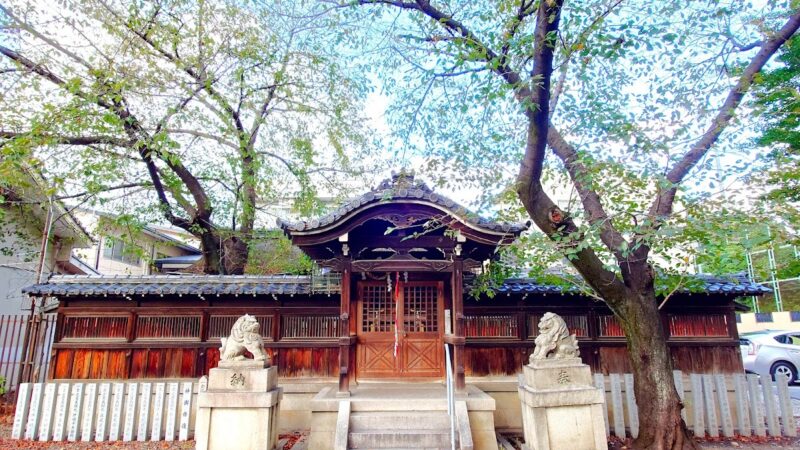
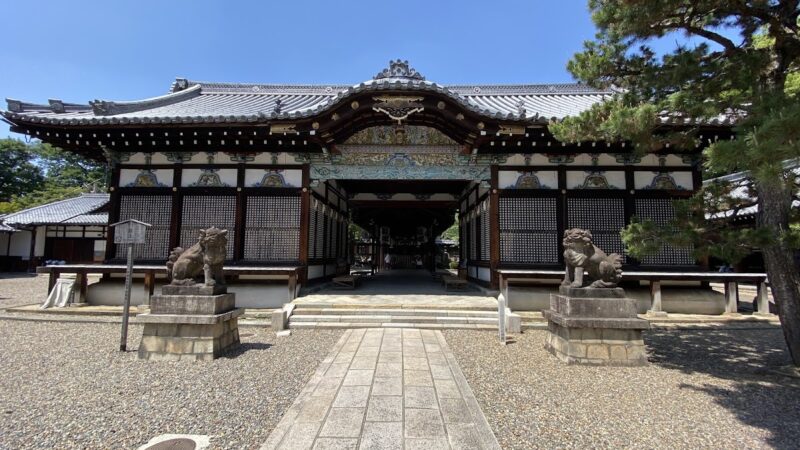
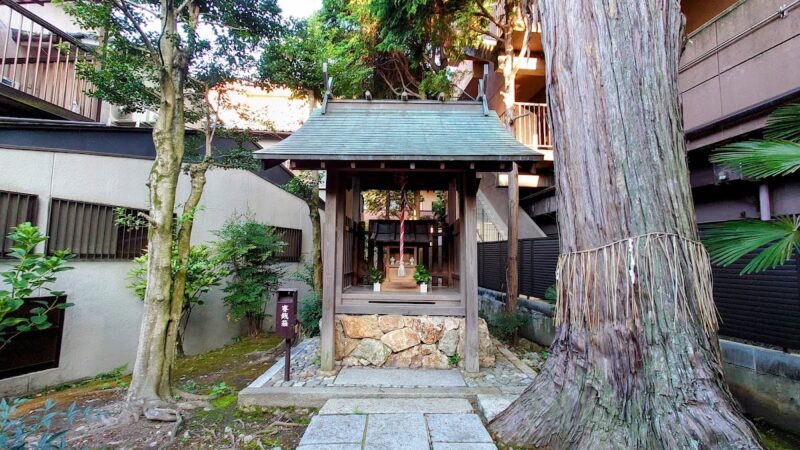
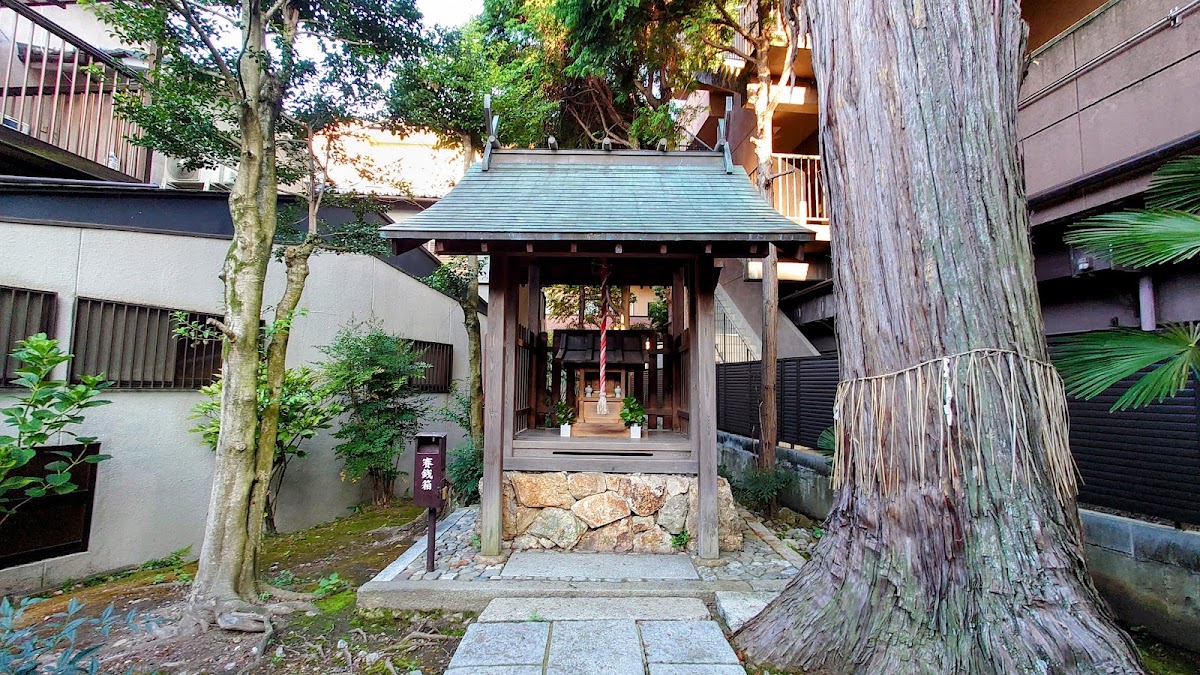
Although small, the grounds of Ato Shrine possess a charming atmosphere that evokes a sense of history. Nestled quietly within a residential area, it offers a tranquil space with few visitors.
Passing through the torii gate, the main shrine stands within the compact grounds. While not flashy, it has a calm atmosphere befitting an ancient shrine, and knowing its historical background as the tutelary shrine of an ancient clan evokes a deeper sense of awe.
Relationship with Hoju-ji Temple
Nearby Ato Shrine is Hoju-ji Temple, which is considered the family temple of the Ato clan. Although only about 100 meters away in a straight line, the layout of the roads requires a detour through narrow alleys to reach it.
Ato Shrine, the tutelary shrine of the Ato clan, and Hoju-ji Temple, their family temple, are valuable examples that convey the nature of clan worship during the era of syncretism of Shinto and Buddhism. Visiting both will allow you to understand the world of faith of the Ato clan in a more comprehensive way.
Access
Access by Train
Nearest Station: Keifuku Electric Railway Arashiyama Line “Kurumazaki-jinja Station”
Travel Time: Approximately 9 minutes on foot
From Exit 1 of Kurumazaki-jinja Station, head east, pass through the residential area, and head south to reach Ato Shrine.
Other Accessible Stations:
- Approximately 20 minutes on foot (approx. 1.5 km) east from JR Sagano Line “Saga-Arashiyama Station”
- Approximately 15 minutes on foot from Keifuku Electric Railway Arashiyama Line “Randen-Saga Station”
Access by Bus
If using Kyoto City Buses or Kyoto Buses, the nearest bus stop is “Hirosawaike”. It’s about a 7-minute walk south from the bus stop.
Access by Car
As it’s located in a residential area, there is no parking available for visitors. We recommend using public transportation. If you come by car, you will need to use a nearby coin-operated parking lot or park in a parking lot around Arashiyama and walk.
Nearby Attractions
Hirosawa Pond
Located about 500 meters north of Ato Shrine, Hirosawa Pond is an artificial pond constructed in the mid-Heian period. Known as a famous spot for moon viewing, it attracts many visitors, especially during the Mid-Autumn Festival. You can stroll around the pond, which has a circumference of approximately 1.3 kilometers, and enjoy the scenery of each season.
Kurumazaki Shrine
Kurumazaki Shrine, which is also the name of the nearest station, is known as a shrine dedicated to the god of performing arts. The shrine grounds are lined with stone fences donated by many entertainers, attracting modern worshippers. In contrast to Ato Shrine, it has a lively atmosphere, and visiting both will allow you to experience the diversity of Kyoto’s shrines.
Sagano Area
Ato Shrine is located in the southern part of the Sagano area. Arashiyama and Sagano are areas where many of Kyoto’s representative tourist spots are concentrated, including the bamboo grove, Tenryu-ji Temple, and Daikaku-ji Temple. It would be a good idea to incorporate a visit to Ato Shrine as part of a stroll through Sagano.
Points to Note When Visiting
A Peaceful Environment
Ato Shrine is a locally rooted shrine that has not been commercialized for tourism. With few visitors, it maintains a peaceful environment for worship. You can slowly worship while reflecting on the history of the ancient clan.
Understanding the Historical Background
Ato Shrine may not make a particularly strong impression from its appearance alone. However, by understanding the history of the ancient Ato clan, its connection to the relocation of the capital to Heian-kyo, and the legend of a common ancestry with the Mononobe clan, you can understand the historical importance of this small shrine.
Visiting after researching the Ato clan and the Shikinaisha shrine beforehand will likely lead to a deeper appreciation of the site.
Visiting Hoju-ji Temple as well
If you have time, we recommend visiting Hoju-ji Temple, the Ato clan’s family temple. Visiting both the shrine and the temple will provide a more comprehensive understanding of the ancient clan’s beliefs.
The Relationship Between the Ato Clan and Kukai (Kobo Daishi)
An essential aspect of discussing the Ato clan is their relationship with Kukai (Kobo Daishi), the founder of the Shingon sect of Buddhism. Ato no Otari, Kukai’s maternal uncle, is known for teaching Confucianism and Chinese classics to the young Kukai.
Ato no Otari was also a scholar responsible for the education of Emperor Kanmu’s sons, demonstrating the important role the Ato clan played in education. Considering that Kukai later became one of the most important figures in the history of Japanese Buddhism, the cultural contributions of the Ato clan, who were involved in his education, are extremely significant.
When visiting Ato Shrine, please also consider the significant mark the clan that founded this shrine left on the history of Japanese religion and culture.
Value as a Shikinaisha Shrine
Shikinaisha shrines, listed in the Engishiki Jinmyocho (a list of shrines compiled in the Heian period), are prestigious shrines officially recognized by the imperial court during the Heian period. Approximately 3,000 such shrines are listed nationwide, with 122 located in Yamashiro Province (present-day southern Kyoto Prefecture).
Ato Shrine is one of these, a historical shrine whose existence has been recognized for over a thousand years. While it is a small shrine today, its status as a Shikinaisha shrine demonstrates its historical and cultural value.
Kyoto boasts many famous grand shrines, but even small Shikinaisha shrines like Ato Shrine have their own unique histories and stories. Visiting these lesser-known ancient shrines offers a valuable opportunity to learn about Kyoto’s profound history.
Summary
Ato Shrine is a Shikinaisha (a shrine listed in the Engishiki, an ancient Japanese legal code) established by the Ato clan, who migrated to Kyoto with the relocation of the capital to Heian-kyo (Kyoto). Located south of Hirosawa Pond in a quiet residential area of Sagano, this shrine, though small in scale, is a valuable site that conveys the history of Heian-kyo, the faith of the Mononobe clan, and the footsteps of the Ato clan, who also had ties to Kukai.
Ato Shrine offers a tranquil environment, untouched by tourism, where you can reflect on ancient history while offering your prayers. When strolling through Sagano, be sure to extend your visit. Combining a visit with Hirosawa Pond, Kurumazaki Shrine, and Hoju-ji Temple will make for a more fulfilling exploration of Kyoto’s history.
Spending time in the serene grounds, feeling the history of a shrine that has continued for over a thousand years, will surely be a special experience.