Chigo Shrine (Kyoto Prefecture) | A Shrine on the Shore of Hirosawa Pond, Staging the Legend of the Samurai Child and Offering Blessings for Longevity and Matchmaking
Chigo Shrine, quietly situated on the western shore of Hirosawa Pond in Saga, Ukyo Ward, Kyoto City, is a small shrine that preserves a poignant and beautiful legend from the Heian period. Located near Hirosawa Pond, a renowned spot for moon viewing, it is affectionately known locally as “Chigo no Yashiro” (Child Shrine). This article provides a detailed overview of Chigo Shrine, including its history, origins, blessings, highlights within the grounds, and access information.
History and Origins of Chigo Shrine
Henjo-ji Temple and High Priest Kancho
To understand the founding of Chigo Shrine, it is necessary to first understand the history of Henjo-ji Temple. Henjo-ji Temple was a temple built in the mid-Heian period by High Priest Kancho on the shores of Hirosawa Pond.
Kanchō Daisōjō was a high-ranking priest of the Shingon sect, born into a noble lineage as a grandson of Emperor Uda. He became a renowned figure in the Shingon sect. In 989 (Eiso 1), he constructed Hirosawa Pond and founded Henjōji Temple on its banks. Kanchō was known for his outstanding learning and virtue, and is said to have diligently pursued his studies with many disciples and attendants.
The Sad Legend of the Attendant
The history of Kojinja Shrine stems from a tragic event that occurred after the death of Kanchō Daisōjō. In 1031 (Chōgen 4), when Kanchō Daisōjō passed away, one of his attendants, deeply saddened by his death, threw himself into Hirosawa Pond, following in his master’s footsteps.
An attendant is a young boy who serves a high-ranking priest, assisting with personal care and temple affairs. This young attendant deeply admired High Priest Kanchō and could not accept his death.
Manifestation as an Incarnation of Manjushri Bodhisattva
According to legend, this young attendant was actually an incarnation of Manjushri Bodhisattva. After throwing himself to his death, he appeared in the dreams of the villagers and instructed them to worship him. The villagers followed this oracle and built a shrine to enshrine the spirit of the young attendant. This is the origin of Kojinja Shrine.
Manjushri Bodhisattva is known as the Bodhisattva of wisdom and is often said to appear in the form of a young boy. The legend that the young attendant who served High Priest Kanchō was an incarnation of Manjushri Bodhisattva can be seen as a celebration of the young attendant’s pure faith and devotion.
Kojinja Shrine Grounds and Highlights
Kojin’s Chair Stone (The Young Attendant’s Stone Chair)
The greatest highlight of Kojinja Shrine is the “Kojin’s Chair Stone” located within the shrine grounds. This stone is a natural rock where, according to legend, a young attendant sat and rested while the monk Kancho practiced Zen meditation.
According to legend, sitting on this stone and making a wish brings blessings of longevity, safe childbirth, and good fortune in relationships. Many visitors, especially those praying for long life and good relationships, come here and can be seen sitting on the stone and praying.
The stone bench has a moss-covered, picturesque appearance, evoking a sense of sacredness gained through the passage of time. Combined with its tranquil location on the shore of Hirosawa Pond, it is a place where one can pray with a peaceful heart.
A Small but Charming Shrine
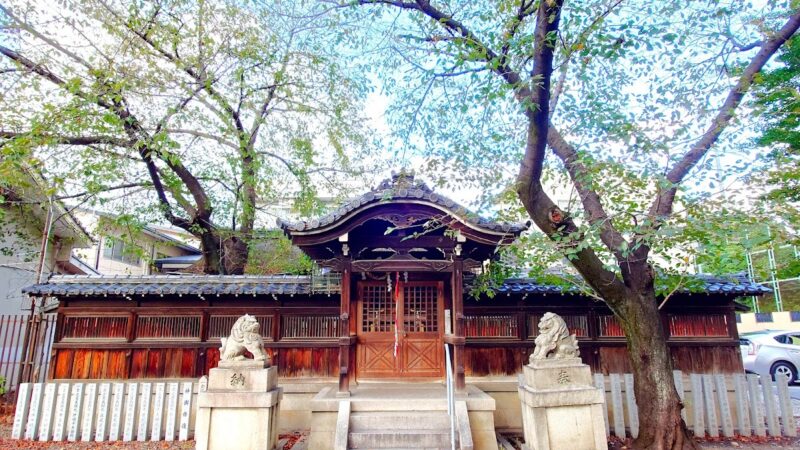
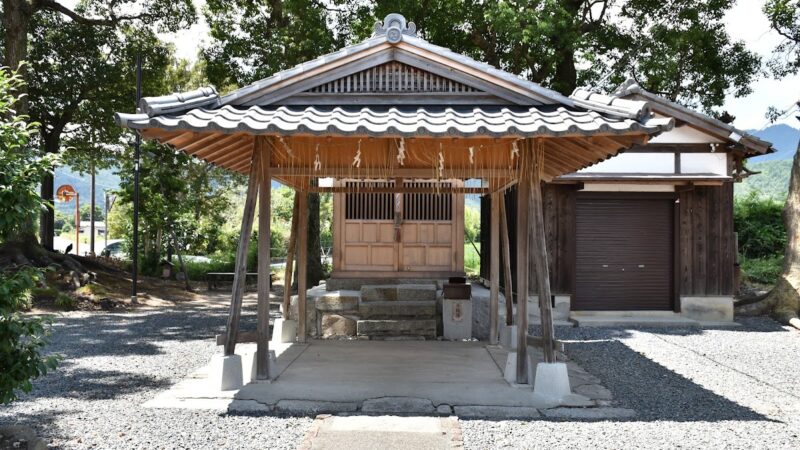
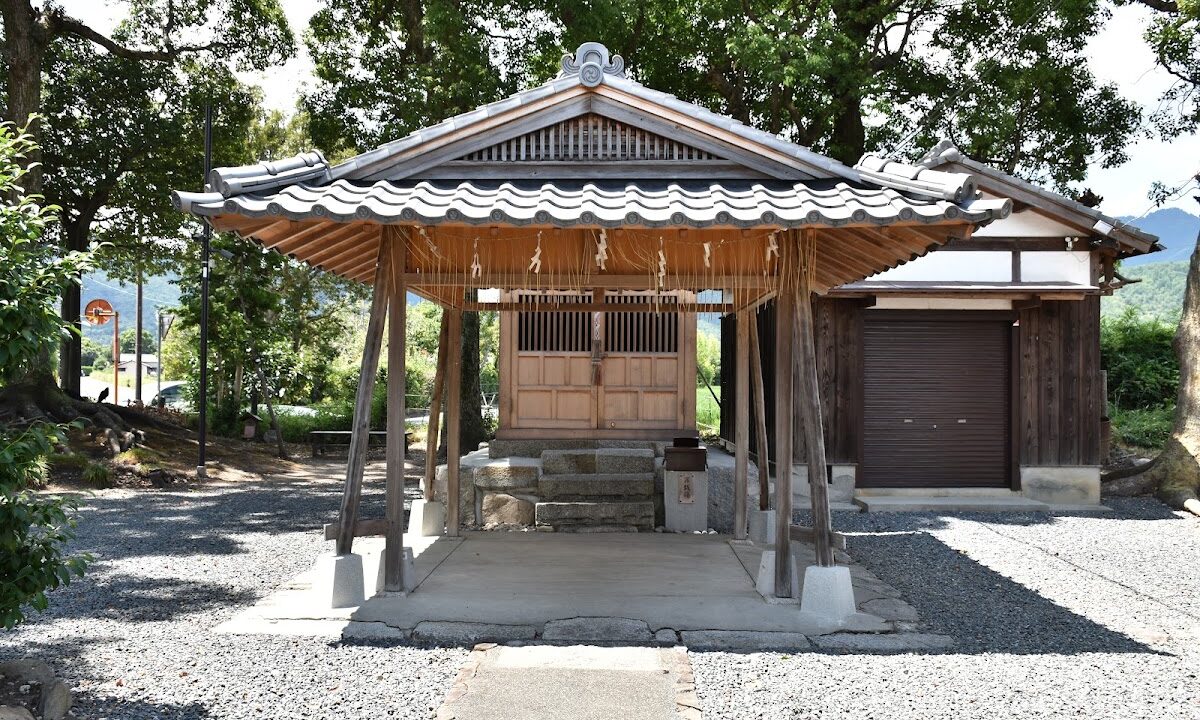
The shrine of Kojinja Shrine, though small, reflects its long history as a cherished local guardian shrine. Its location on the western shore of Hirosawa Pond gives it the quiet atmosphere characteristic of a waterside shrine.
A torii gate stands in front of the shrine, and the surrounding area is a calm space surrounded by trees. The unpretentious, unspoiled appearance of this shrine, untouched by commercialization, soothes the hearts of visitors.
Integrated Landscape with Hirosawa Pond
Koji Shrine is inextricably linked to Hirosawa Pond. Hirosawa Pond is an irrigation reservoir dating back to the Heian period, a scenic spot with a circumference of approximately 1.3 kilometers. It appears in “The Tale of Genji” and is known as a famous spot where Heian-era aristocrats enjoyed moon viewing.
Especially on the day of the Gozan no Okuribi (August 16th), the “Shoryo Okuri” ceremony takes place at Hirosawa Pond, with many lanterns floating on the water. This fantastical scene, combined with the tranquil atmosphere of Koji Shrine, is a beloved summer tradition in Kyoto, cherished by locals.
Benefits and Beliefs of Koji Shrine
God of Longevity, Safe Childbirth, and Matchmaking
Koji Shrine is believed to offer the following benefits:
Prayer for Longevity: There is a belief that sitting on the Koji Chair Stone will grant longevity. Because Jijō was considered an incarnation of Manjushri Bodhisattva, the shrine is believed to embody wisdom and longevity.
Prayers for Safe Childbirth: Due to the name “Jijō” (meaning “child”), many visitors come to pray for the healthy growth of their children and for safe childbirth.
Matchmaking: Because of the deep master-disciple bond between Grand Abbot Kanchō and Jijō, the shrine is believed to bring good fortune in finding a partner.
Role as a Local Guardian Deity
Jijō Shrine serves as the guardian deity of the area around Hirosawa Pond, attracting the faith of local people. An annual festival featuring a portable shrine is held, making it a central presence in the community.
Despite being a small shrine, it is carefully preserved, cleaned, and maintained by the local community, showcasing the beautiful aspects of Japanese regional faith.
Access and Visiting Information for Koji Shrine
Basic Information
Location: 28 Saga Tsuridono-cho, Ukyo-ku, Kyoto City, Kyoto Prefecture 616-8351
Deity Enshrined: The attendant of the Great High Priest Kancho (considered an incarnation of Manjushri Bodhisattva)
Visiting Hours: Grounds are freely accessible (24-hour visitation possible)
Admission Fee: Free
Access by Train
The nearest stations are Saga-Arashiyama Station (JR Sanin Main Line) or Randen Saga Station (Keifuku Electric Railway Arashiyama Main Line).
- From JR Saga-Arashiyama Station: Approximately 20-25 minutes on foot
- From Randen Saga Station: Approximately 20 minutes on foot
- From Randen Orijinja Station: Approximately 15 minutes on foot (this is the closest)
Walk from the station towards Hirosawa Pond. Kojinja Shrine is located on the west bank of the pond. Enjoy the scenic rural landscape of Sagano along the way.
Access by Bus
If using Kyoto City Buses:
- Get off at the “Hirosawa Pond” bus stop: Approximately 5 minutes on foot
- Get off at the “Yamagoe” bus stop: Approximately 10 minutes on foot
There are no direct buses from JR Kyoto Station or Shijo Kawaramachi, so you may need to transfer after taking a bus towards Saga-Arashiyama.
Access by Car and Parking
Kojinja Shrine does not have its own parking lot. Parking is limited around Hirosawa Pond, so we recommend using public transportation.
If you absolutely must come by car, it’s best to park in a paid parking lot in the Saga-Arashiyama area and walk.
Attractions around Kojinja Shrine
Hirosawa Pond
When visiting Kojinja Shrine, be sure to take a stroll around Hirosawa Pond. A walk around the pond takes about 30-40 minutes, and you can enjoy the beautiful scenery of each season.
The cherry blossom season, autumn foliage season, and moon viewing on a full moon night are particularly special. It’s a precious place where you can experience the scenery loved by Heian-era aristocrats in modern times.
Henjoji Temple Ruins
On the northeastern shore of Hirosawa Pond is the site where Henjoji Temple once stood. It is now a small hill called Henjoji-yama, and the remains of what is believed to be the tomb of Abbot Kancho remain.
Visiting it together with Kojinja Shrine will allow you to feel the story of Abbot Kancho and his attendant more deeply. ### Daikaku-ji Temple
Located about 1 kilometer north of Hirosawa Pond, Daikaku-ji Temple is a monzeki temple (a temple whose head priest is a member of the imperial family) that was converted from Emperor Saga’s detached palace. It boasts a beautiful pond garden called Osawa Pond and is known as a famous spot for moon viewing, alongside Hirosawa Pond.
Chokushi-an Temple
Located south of Hirosawa Pond, Chokushi-an Temple is a quiet temple surrounded by a bamboo grove. It is known for its “Memories Notebook,” a notebook where visitors can write their innermost thoughts, attracting people seeking spiritual healing.
Adashino Nenbutsu-ji Temple
Also in the Sagano area is Adashino Nenbutsu-ji Temple, where the sight of approximately 8,000 stone Buddha statues and stupas is breathtaking. It is about a 30-minute walk from Kojinja Shrine.
Points to Note When Visiting Kojinja Shrine
Strive for Quiet Worship
Kojinja Shrine is a local guardian shrine that has not been commercialized for tourism. Remember that it is a place of worship for the local people, and worship quietly and respectfully. ### Praying at the Child’s Chair Stone
You can pray while sitting on the Child’s Chair Stone within the shrine grounds. However, please be considerate and avoid damaging the stone or occupying it for extended periods. Please be considerate of other visitors.
Photography Etiquette
Photography is permitted within the shrine grounds, but please respect the privacy of local residents and refrain from photographing people without their permission. Also, when posting on social media, please keep location information and detailed descriptions to a minimum to help maintain a peaceful environment.
Seasonal Enjoyment
Spring (March-May): The area around Hirosawa Pond is beautifully colored during cherry blossom season. Visiting amidst the fresh greenery is also a refreshing experience.
Summer (June-August): The Shoryookuri (spirit sending) ceremony on August 16th is a must-see. Visiting the shrine along with the fantastical sight of floating lanterns is highly recommended.
Autumn (September-November): During the autumn foliage season, the area around Hirosawa Pond is ablaze with autumn colors. It’s also known as a famous spot for moon viewing, and the scenery is especially beautiful around the time of the Mid-Autumn Festival.
Winter (December-February): Hirosawa Pond and Kojinja Shrine, covered in snow, possess a serene beauty. It’s a season when there are fewer people, allowing for a peaceful visit.
Cultural Value of Kojinja Shrine and Hirosawa Pond
Connection to The Tale of Genji
Hirosawa Pond is known as a location featured in the “Illusion” chapter of *The Tale of Genji*. There’s a scene where Hikaru Genji visits the Hirosawa area while contemplating becoming a monk, indicating that it was recognized as a scenic spot since the Heian period.
Kojinja Shrine is located on the shore of this historical pond, making it a valuable place that conveys the world of Heian literature to the present day.
Heian Period Beliefs and Culture
The story of Abbot Kanchō and his attendant is a valuable tradition that conveys the master-disciple relationship and the nature of faith in the Heian period. The setting of the attendant as an incarnation of Manjushri Bodhisattva reflects the syncretic Shinto-Buddhist thought of the time.
Despite being a small shrine, it has value as a cultural asset that conveys the religious culture and the mentality of the people of the Heian period to the present day.
A Hub for the Local Community
Even today, Kojinja Shrine remains central to local festivals and events. The way the local people unite to protect and pass down traditions, such as festivals featuring a portable shrine, demonstrates the splendor of Japanese regional culture.
In Kyoto, which is increasingly becoming a tourist destination, the continued existence of such a community-oriented shrine is precious, and we visitors must respect its value.
Summary: The Charm of Kojinja Shrine
Kojinja Shrine is a small shrine located on the western shore of Hirosawa Pond in Ukyo Ward, Kyoto City. It has a sad yet beautiful legend: it enshrines an attendant who threw himself into Hirosawa Pond in mourning the death of Abbot Kanchō. Sitting on the Kodomo-no-Isushi stone within the shrine grounds is believed to bring blessings of longevity, safe childbirth, and matchmaking. It attracts not only locals but also visitors who have heard the legend. The simple, unspoiled atmosphere, untouched by commercialization, harmonizes beautifully with the scenery of Hirosawa Pond, making it a peaceful and relaxing place to visit.
When visiting the Saga-Arashiyama area, why not extend your trip a little and visit Kodomo Shrine and Hirosawa Pond? It will be a special experience, allowing you to connect with the history and culture that has continued since the Heian period, and the faith of the local people.
At this small shrine nestled by the tranquil waterside, reflect on the story of Abbot Kancho and his attendant, and sit on the Kodomo-no-Isushi stone, making your own wishes. You will surely feel the power of prayer that has been passed down for over a thousand years.